What Does Mold Remediation Cost?
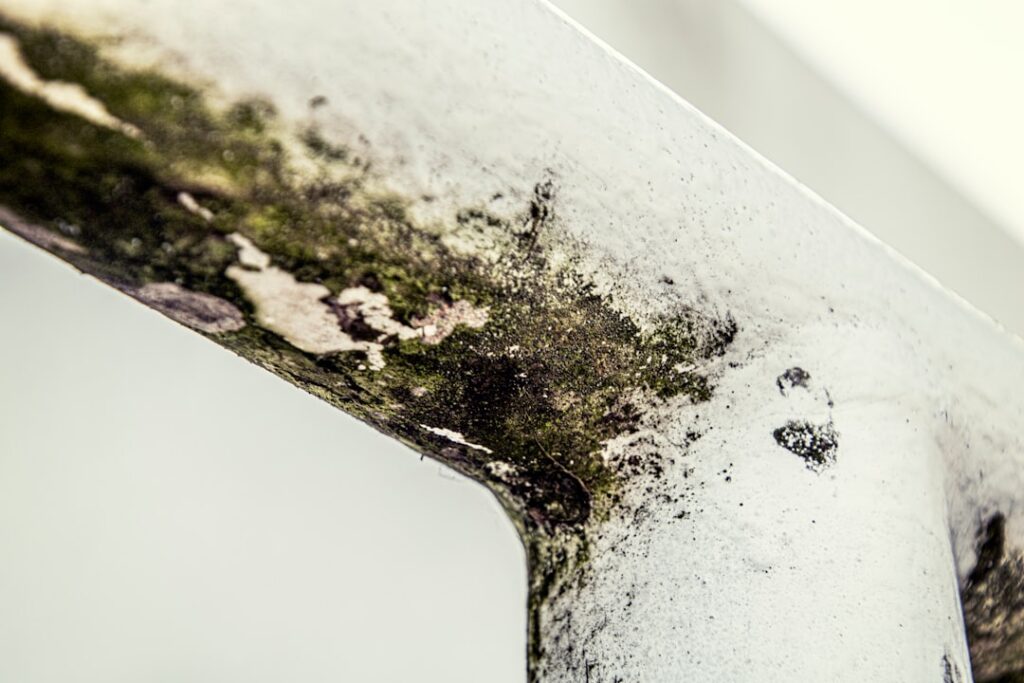
What Does Mold Remediation Cost?
What mold remediation costs is best understood by breaking the project into its components rather than chasing a single number: containment, removal, cleaning and treatment, moisture repair, reconstruction, and verification each carry their own price, and together they explain why quotes range from a few hundred to several thousand dollars. These are industry estimate ranges for planning purposes, not a bid for your home. Because the EPA and CDC tie any durable result to correcting the moisture source, the repair component is never optional. This breakdown is educational and is not remediation or medical advice for your specific situation.
Is this mold, asbestos, or water damage? Get a free instant screen
Upload a clear photo of the suspect area. You'll get an instant AI screening opinion and what to do next. This is screening guidance, not a professional determination.
Screening guidance only. AI can be wrong. Confirm asbestos, mold type, or lead with lab testing or a licensed professional before acting.
Remediation Is a Process, Not a Single Service
The word remediation describes a sequence of steps designed to remove mold safely and prevent its return, which is why a quote should read as a series of line items. When you understand what each step does, a confusingly high or suspiciously low number becomes easy to interpret. A quote missing a step is a quote missing protection you may need.
The components below appear, in some form, in most professional projects. Their relative weight shifts with the size, location, and severity of the problem, but the structure stays consistent.
Component One: Assessment and Inspection
Remediation usually starts with an assessment to map the growth, find the moisture source, and define the scope. Some firms include this; others charge separately, often in the low hundreds, sometimes credited toward the work. For larger jobs, an independent assessment by someone who does not perform the removal reduces conflict of interest.
This step may include moisture readings, thermal imaging, and occasionally laboratory sampling. Sampling adds cost and is most justified for hidden growth or documentation. To gauge this expense, see our guide to restoration costs after remediation.
Component Two: Containment
Containment is the protective barrier that prevents spores from spreading during the work. Crews hang plastic sheeting, seal the work area, and run negative-air machines with HEPA filtration. The cost scales with the size of the area and the number of zones that must be isolated.
This component protects the rest of your home and is one of the clearest markers of a quality job. A quote that omits containment may be cheaper upfront but risks turning a localized problem into a house-wide one.
Component Three: Removal of Contaminated Materials
Porous materials that cannot be reliably cleaned, such as soaked drywall, insulation, carpet, and ceiling tiles, are physically removed. This labor-intensive step is often the largest single component, and the cost rises with the volume of material and the difficulty of access. Hauling debris up from a basement or out of a crawl space adds hours.
Disposal fees ride along with this step, since contaminated material must be bagged and discarded according to local rules. More material removed means higher disposal charges.
Component Four: Cleaning and Treatment
Surfaces that can be saved, typically non-porous materials like framing, tile, and metal, are cleaned and treated. This includes scrubbing, HEPA vacuuming, and applying appropriate cleaning agents. Crews also clean settled spores from surfaces throughout the contained area.
The cost here depends on the surface area to be treated and the thoroughness required. Heavily contaminated structural framing takes more time to clean than a few square feet of tile.
Component Five: Drying and Moisture Repair
Before rebuilding, the area must be dried completely using air movers and dehumidifiers, and the moisture source must be repaired. Whether that means fixing a leak, improving ventilation, or correcting drainage, this step is non-negotiable because regrowth is certain without it. To understand where the water originates, see how to find the source of mold.
The repair cost varies widely depending on the source. A simple fitting is inexpensive; a roof or foundation issue is a significant separate expense that nonetheless must be part of the project.
Component Six: Reconstruction
After everything is dry and clean, the removed materials are replaced: new drywall, insulation, flooring, trim, and paint. Reconstruction is sometimes quoted separately and on larger jobs can equal or exceed the remediation cost. Confirm whether your estimate stops at removal or includes putting the space back together.
This is the component most often misunderstood by homeowners comparing quotes, because a remediation-only bid looks far cheaper than one that includes rebuild for the same project.
Component Seven: Verification
A thorough remediation ends with verification that the work succeeded, which may include a visual inspection and, in some cases, post-remediation sampling against an outdoor baseline. This step provides documentation that conditions have been restored and is especially valuable for real estate transactions or insurance claims.
Verification adds modest cost but provides peace of mind and a record. Skipping it leaves you without proof that the problem was actually resolved.
How the Components Add Up
For a small, accessible job, containment is light, little material is removed, and rebuild is minimal, so the total stays in the hundreds to low thousands. For a large or hidden problem, every component grows, especially removal and reconstruction, pushing totals into the thousands or beyond. Reading a quote component by component lets you see exactly where your money goes.
Compare related framings in mold removal company cost and the comprehensive black mold removal cost guide.
How the Size of the Job Reshapes Each Component
The same seven components carry very different weights depending on the project’s scale. On a small bathroom job, assessment is brief, containment is a single sealed doorway, little material is removed, and reconstruction means patching a small area. The total stays modest because every component is light. On a large or hidden problem, each component expands: assessment may require sampling, containment spans multiple zones, removal involves significant demolition, and reconstruction becomes a major rebuild.
This is why a per-square-foot figure alone is misleading. A small job’s cost per square foot can look high because fixed costs like mobilization and setup are spread over little area, while a large job benefits from economies of scale on those fixed costs but adds far more variable labor and material. Reading the components, rather than a single rate, is what lets you understand any given quote.
Where Quotes Most Often Differ
When two remediation quotes diverge sharply, the difference almost always lives in a few specific components. Reconstruction is the biggest swing: a remediation-only bid that stops at removal looks far cheaper than one that includes rebuilding the space. Containment is another; a bid that skimps on barriers and negative air will undercut a thorough one. Moisture repair and verification are sometimes quietly omitted from low bids as well.
To compare fairly, line the quotes up component by component and confirm each covers the same scope. A quote missing reconstruction is not cheaper; it simply defers that cost to a separate contractor. Identifying exactly which components each bid includes turns a confusing price spread into a clear, apples-to-apples comparison.
How Timing and Urgency Affect the Total
When remediation happens influences what each component costs. A mold problem discovered alongside active water damage often requires emergency drying and water extraction first, billed at premium rates especially outside normal business hours. These urgent services add to the total but are sometimes unavoidable when a structure must be dried quickly to prevent growth from spreading further before remediation can begin.
A stable, established mold problem with no active water emergency gives you time to plan, gather competing quotes, and schedule the work on a normal timeline, which generally costs less. Distinguishing between a genuine emergency and a problem you have time to address carefully prevents paying rush rates for non-urgent work.
Getting a Trustworthy Quote
Request itemized bids from at least three firms and confirm each covers the same components. Verify insurance and adherence to recognized industry practices, and ask how change orders work if hidden damage appears. Starting with a clear mold inspection gives every bidder the same scope, which is the surest way to get comparable, fair pricing.
How the Size of the Job Reshapes Each Component
The same seven components carry very different weights depending on the project’s scale. On a small bathroom job, assessment is brief, containment is a single sealed doorway, little material is removed, and reconstruction means patching a small area. The total stays modest because every component is light. On a large or hidden problem, each component expands: assessment may require sampling, containment spans multiple zones, removal involves significant demolition, and reconstruction becomes a major rebuild.
This is why a per-square-foot figure alone is misleading. A small job’s cost per square foot can look high because fixed costs like mobilization and setup are spread over little area, while a large job benefits from economies of scale on those fixed costs but adds far more variable labor and material. Reading the components, rather than a single rate, is what lets you understand any given quote.
Where Quotes Most Often Differ
When two remediation quotes diverge sharply, the difference almost always lives in a few specific components. Reconstruction is the biggest swing: a remediation-only bid that stops at removal looks far cheaper than one that includes rebuilding the space. Containment is another; a bid that skimps on barriers and negative air will undercut a thorough one. Moisture repair and verification are sometimes quietly omitted from low bids as well.
To compare fairly, line the quotes up component by component and confirm each covers the same scope. A quote missing reconstruction is not cheaper; it simply defers that cost to a separate contractor. Identifying exactly which components each bid includes turns a confusing price spread into a clear, apples-to-apples comparison.
What Adds Cost Within Each Component
Several factors inflate individual components. Difficult access raises removal labor, since hauling debris from a basement or crawl space takes longer than a ground-floor room. Heavy structural damage expands both removal and reconstruction. Hidden growth discovered once walls open up enlarges nearly every component at once. HVAC contamination adds duct cleaning and can extend the affected area throughout the home.
Material choices in reconstruction also matter; replacing standard drywall and paint costs less than restoring custom finishes, tile, or built-in cabinetry. Understanding these intra-component drivers helps you anticipate where a quote might grow and lets you ask informed questions about the assumptions behind each line item before the work begins.
Getting Value, Not Just a Low Price
The cheapest remediation quote often achieves its price by trimming the components that protect you. Skipping containment risks spreading spores; skipping moisture repair guarantees recurrence; skipping verification leaves you without proof of success. A bid that covers every component thoroughly may cost more upfront but typically delivers better value by resolving the problem completely the first time.
Judge quotes on the completeness of their scope and the quality of the process, not the bottom line alone. A mid-range bid that includes proper containment, full removal, moisture repair, reconstruction, and verification usually represents better value than a bargain price that leaves essential steps undone and the underlying problem unresolved.
References
- EPA: Mold Cleanup in Your Home
- EPA: A Brief Guide to Mold, Moisture and Your Home
- CDC: Basic Facts About Mold and Dampness
Want help reading a remediation quote? Talk to our inspection team for an independent scope you can compare against.