Mold Remediation Brentwood: A Homeowner Guide
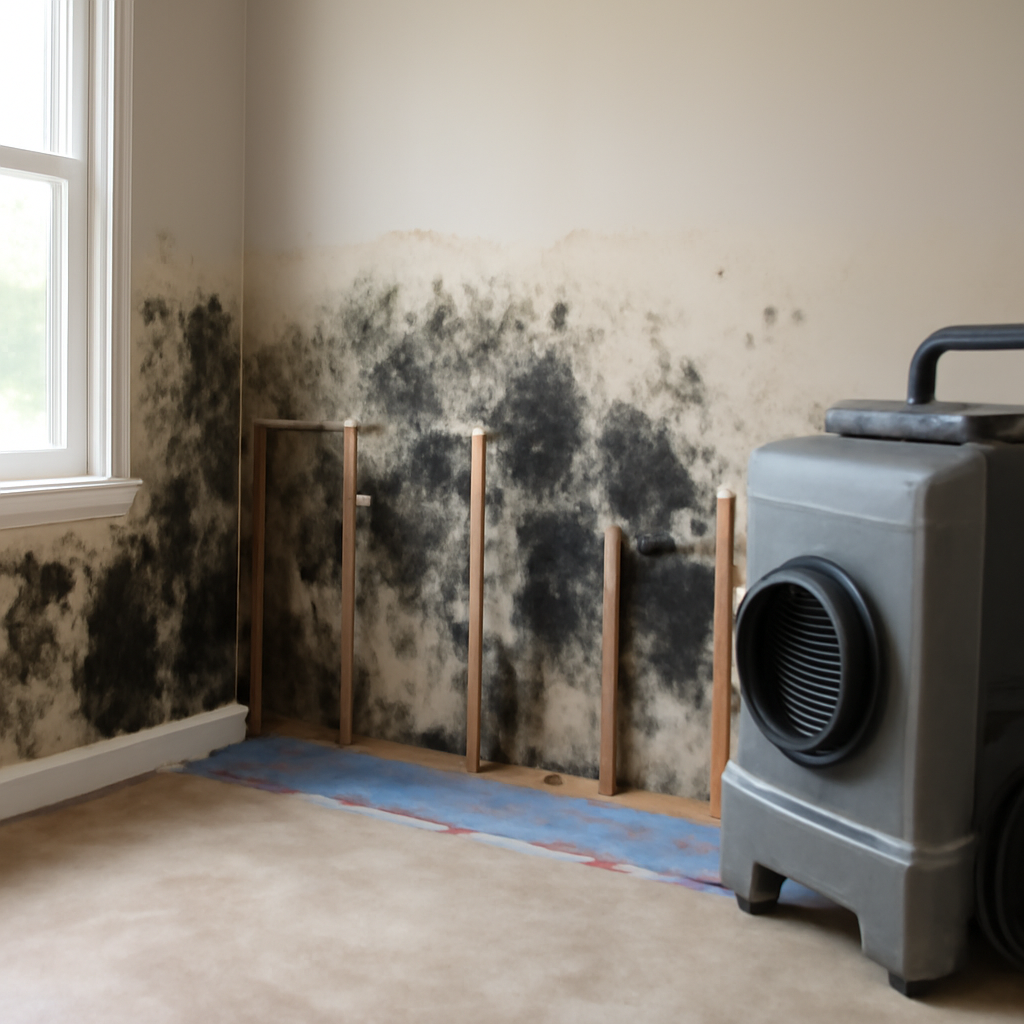
Brentwood, Tennessee sits in Williamson County just south of Nashville, where the humid subtropical climate of Middle Tennessee brings warm, sticky summers, mild damp winters, and the heavy rainfall that periodically swells the Cumberland River basin. The area’s rolling hills, large lots, and stock of basement and crawl-space homes mean indoor moisture is a recurring concern. Understanding how mold remediation Brentwood projects work helps homeowners separate genuine hazards from cosmetic staining and respond before a leak becomes structural. This guide summarizes EPA and CDC guidance current as of 2026 and is educational only; consult a physician about health symptoms and a certified professional for testing or remediation decisions.
Is this mold, asbestos, or water damage? Get a free instant screen
Upload a clear photo of the suspect area. You'll get an instant AI screening opinion and what to do next. This is screening guidance, not a professional determination.
Screening guidance only. AI can be wrong. Confirm asbestos, mold type, or lead with lab testing or a licensed professional before acting.
What Mold Remediation in Brentwood Involves
Remediation removes active mold growth and corrects the moisture that fed it. The EPA frames the work around two inseparable goals: eliminate the visible colony and fix the water source. In Middle Tennessee’s humid climate, cleaning without correcting the moisture is the most common reason a homeowner pays twice.
A proper project moves through assessment, containment, removal of saturated porous materials, cleaning of salvageable surfaces, drying, and verification. Crews seal the work area with plastic sheeting and HEPA-filtered negative air so spores do not drift into clean rooms. The goal is to return indoor spore levels to normal background levels, not to sterilize the home.
Why Brentwood Homes Develop Mold
The humid subtropical climate is the primary driver. Summers are warm and sticky, air conditioners run for months, and high outdoor humidity migrates into basements, crawl spaces, and poorly ventilated rooms. Several local patterns recur across Brentwood’s larger custom and production homes:
- Basement and crawl-space humidity. Many Brentwood homes have walk-out basements or crawl spaces where damp air condenses on cool foundation walls and framing.
- Heavy-rain flooding. Middle Tennessee sees periodic intense rainfall, and the 2010 regional flood is a reminder of how quickly low-lying areas can take on water.
- HVAC condensation and roof leaks. Long cooling seasons drive condensation around air handlers, while thunderstorms test aging roofs and gutters.
The area’s hilly terrain channels runoff toward foundations, so grading and drainage problems are common contributors to chronic basement dampness.
Signs You May Need Remediation
A persistent musty odor is the most dependable early signal. The CDC notes that this earthy smell often indicates hidden growth behind walls or under floors even when surfaces look clean. Visible cues include dark speckling on basement walls, bubbling paint, warped baseboards, and staining around finished-basement carpet.
Health complaints can be a clue. Congestion, coughing, and eye irritation that ease when occupants leave the home may point to indoor air quality issues, though only a physician can connect symptoms to a cause. For a structured detection walkthrough, see the guide on how to check for black mold.
Common Mold Types in Middle Tennessee Homes
The CDC advises that identifying the exact mold species is generally unnecessary, because every visible indoor mold gets the same response. A few molds nonetheless recur in the region’s warm, humid conditions.
Cladosporium appears as green-black speckling on damp drywall, around windows, and on HVAC surfaces. Aspergillus and Penicillium colonize water-damaged paper, dust, and cellulose, producing much of the musty smell homeowners report. Stachybotrys, the greenish-black mold associated with the “toxic black mold” label, requires prolonged saturation and tends to grow on the paper face of drywall after a slow basement or roof leak. Color is not a reliable measure of risk, and the EPA recommends removing all indoor mold regardless of type.
The Remediation Process Step by Step
A credible Brentwood contractor follows a documented sequence rather than spraying and leaving.
Moisture Assessment
Technicians trace the water with moisture meters and infrared cameras, inspecting the basement, crawl space, and HVAC system. Without finding the source, the colony returns.
Containment
Plastic barriers and HEPA-filtered negative air machines isolate the work zone so spores do not migrate through the home.
Removal and Cleaning
Saturated drywall, carpet padding, and insulation are bagged and discarded. Framing and hard surfaces are HEPA-vacuumed and wiped with detergent. The EPA generally discourages routine biocide use indoors.
Drying and Clearance
Air movers and dehumidifiers dry the structure, which takes longer in humid air. A clearance check, ideally by an independent party, confirms readiness for rebuild.
Basements, Drainage, and Flood Risk
Brentwood’s finished basements are both a selling point and a mold liability. Carpet, drywall, and stored belongings in a below-grade space absorb and hold moisture, and a humid summer can feed mold along the bottom plate of a stud wall before any surface staining appears. The hilly terrain compounds this, channeling rainfall toward foundations where poor grading lets it seep in.
Flood history matters too. Middle Tennessee has seen damaging regional floods, and homes in low-lying areas near creeks and the river basin carry elevated risk. After any flooding, the EPA stresses fast drying, within 24 to 48 hours, to prevent mold, because saturated materials in a warm climate colonize quickly. Homeowners in flood-prone zones benefit from a sump system, good drainage, and a plan to dry the space immediately rather than waiting for a contractor.
How Much Does Mold Remediation Cost in Brentwood?
Costs scale with the size of the affected area and access difficulty. Industry estimates place small contained jobs in the low four figures and whole-basement projects considerably higher once demolition and rebuild are included. Greater Nashville labor and disposal rates sit near national averages, so Brentwood pricing is generally moderate, though finished-basement rebuilds in higher-end homes can add cost.
Cost drivers include:
- Square footage of contaminated material
- Whether full containment is required
- Access difficulty in finished basements and crawl spaces
- Repairing the underlying drainage, roof, or HVAC issue
Before accepting the lowest bid, homeowners should review how affordable mold removal is priced, since underbid jobs that skip containment frequently fail clearance.
DIY Versus Hiring a Professional
The EPA’s rule of thumb is that homeowners can usually clean mold under about 10 square feet with gloves, an N95 respirator, and standard cleaners. Larger areas, sewage or flood contamination, and mold inside HVAC systems call for professionals.
Brentwood’s basements raise the stakes on DIY work. Wiping a visible patch on a basement wall does nothing for the moisture trapped behind finished drywall or in the carpet padding underneath. Professionals find the water, contain the work, and dry the structure to a measurable baseline so the mold does not return.
Insurance and Documentation for Tennessee Homeowners
Coverage depends on cause and timeline. Sudden, accidental water damage such as a burst pipe is often covered, while mold from chronic humidity, slow leaks, or surface flooding is usually excluded; flood damage typically requires separate flood insurance. Many Tennessee policies also carry a mold sublimit.
Document early. Photograph the water and affected area, record the date, and keep receipts for emergency drying. A written scope tying the mold to a sudden, covered event strengthens the claim. In flood-prone areas, confirm whether a separate flood policy applies before assuming coverage.
Health Considerations for Brentwood Households
The CDC reports that mold-sensitive people may experience nasal congestion, throat irritation, coughing, or itchy eyes, and that those with asthma or weakened immune systems can react more severely. This is general health information, not a diagnosis. Symptoms that ease away from a damp basement should be raised with a physician rather than self-treated.
Finished basements make this relevant in Brentwood specifically. A below-grade bedroom or media room used daily sits in the part of the house most prone to humidity, and growth behind finished drywall can release spores into a frequently occupied space. Households with children, older adults, or anyone undergoing immune-suppressing treatment have good reason to investigate a musty basement promptly rather than waiting for visible staining to appear.
What Happens After Remediation: Rebuild and Verification
Removal is only part of the job. Once contaminated material is out and the structure is dry, the space has to be rebuilt and, ideally, verified clean. A clearance check confirms the area is visibly free of mold, dry to a measurable moisture content, and back to airborne spore levels comparable to the outdoors.
A finished-basement rebuild in Brentwood is a chance to design against the next problem. Moisture-resistant drywall on lower walls, sealed or tiled flooring instead of carpet at grade, and a dedicated dehumidifier circuit all reduce the odds of a repeat in a humid climate with flood exposure. Keep the written scope, before-and-after photos, and clearance report; Tennessee sellers face disclosure expectations, and a buyer’s inspector may ask about visible repairs or a past water event.
Preventing Mold After Remediation
Remediation only holds if the moisture stays gone. The CDC recommends keeping indoor relative humidity below 50 percent, which in a Brentwood basement usually means a dehumidifier running through the warm months, plus bath and kitchen fans vented outdoors.
Other durable fixes include improving foundation drainage and grading, maintaining gutters and extending downspouts, flushing the HVAC condensate line, and sealing crawl-space vapor barriers. The broader mold inspection and testing hub collects prevention checklists worth keeping for humid-climate homes.
How Long Mold Remediation Takes
Timeline depends on scope and drying. A small, single-room cleanup with light containment often runs two to four days for setup, removal, cleaning, and drying. A finished-basement project that involves demolition, drying, and a rebuild can stretch to a week or more, and a flood cleanup that touches multiple levels takes longer still.
Drying is the step homeowners underestimate. In Middle Tennessee’s humid air, saturated materials release moisture slowly, and a crew that shortens the drying phase to finish on schedule leaves moisture behind that feeds regrowth. A credible contractor dries to a measurable moisture target rather than to a fixed date. For a flooded basement, the EPA’s 24-to-48-hour guidance applies to the initial drying that prevents mold, but full structural drying after significant water can take several more days.
Rebuild extends the overall timeline. New drywall, trim, paint, and flooring follow the cleanup, and coordinating those trades can push the finish well past the remediation itself. Homeowners planning around a sale or a return from displacement should budget time for both phases.
Seasonal and Flood-Season Timing
Brentwood’s risk is not constant through the year. The humid warm months keep basements and crawl spaces damp and run air conditioners hard, while the spring and early-summer storm season brings the heavy rainfall that drives flooding in low-lying areas. A problem found in July persists because nothing dries out, where a winter leak has a better chance of drying on its own.
That argues for seasonal preparation. Confirming gutter and downspout discharge before storm season, checking the sump system if one exists, testing the crawl-space vapor barrier, and servicing the HVAC system in spring head off the most common warm-weather sources. In flood-prone zones, having a plan to dry the space immediately, rather than waiting for a contractor, is the single biggest factor in keeping a flood from becoming a remediation.
Choosing a Qualified Brentwood Contractor
Tennessee does not maintain a dedicated mold remediation license, so credentials and documented process matter. Look for technicians certified through recognized industry programs, a written scope of work, and independent post-remediation verification. Using separate firms for assessment and cleanup reduces the conflict of interest that arises when one company both diagnoses and profits from the repair.
Collect at least two itemized estimates, confirm liability insurance, and ask in writing what happens if clearance testing fails. A contractor familiar with Middle Tennessee basements, drainage, and flood response will diagnose the real driver rather than treating only the surface.
References
- Mold Cleanup in Your Home — U.S. Environmental Protection Agency
- About Mold and Your Health — Centers for Disease Control and Prevention
- Mold and Indoor Air Quality — American Lung Association
If you own a home in the Front Range or are coordinating an inspection from out of state and want a connection to a vetted local inspector, reach out through our contact page and we can point you in the right direction.