How Do You Check for Black Mold: A Plain Guide
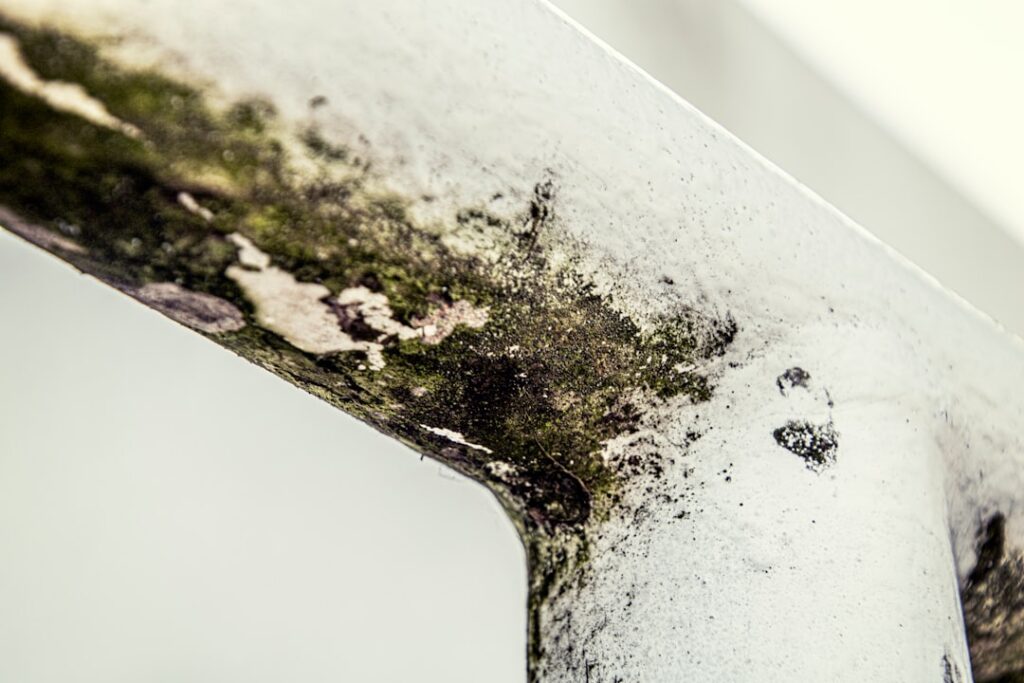
Black mold has a reputation that outpaces the science, but the underlying concern is reasonable: a dark, musty growth in a home signals a moisture problem worth addressing. The question many homeowners ask is practical rather than alarmist. How do you check for black mold without overreacting or missing something real? The answer combines a careful visual search, an understanding of where mold hides, and a sober view of when testing actually helps. This guide summarizes EPA and CDC guidance current as of 2026 and is informational only; consult your physician about symptoms and a certified professional for testing and remediation decisions.
Part of our Black Mold & Your Health guide — start there for the full picture →
Is this mold, asbestos, or water damage? Get a free instant screen
Upload a clear photo of the suspect area. You'll get an instant AI screening opinion and what to do next. This is screening guidance, not a professional determination.
Screening guidance only. AI can be wrong. Confirm asbestos, mold type, or lead with lab testing or a licensed professional before acting.
How Do You Check for Black Mold in Your Home?
Checking for black mold starts with your eyes and nose, not a test kit. The EPA’s position is direct: if you can see or smell mold, you have a mold problem that should be cleaned up and the moisture fixed, regardless of color or species. A systematic check works better than a frantic one.
- Follow the moisture. Mold needs water, so inspect anywhere the home gets or held water: under sinks, around tubs and toilets, near windows, in basements, and below roof leaks.
- Look for discoloration. Black, dark green, or gray patches on walls, ceilings, grout, and trim are the obvious sign.
- Trust your nose. A persistent musty, earthy odor often means hidden growth even when nothing is visible.
- Check hidden surfaces. Look behind furniture, under carpet edges, and inside cabinets where air stagnates.
This visual-and-smell approach is the foundation of every professional inspection too, as our mold inspection and testing hub describes.
What Black Mold Actually Looks Like
“Black mold” is a loose term. The species most associated with the name appears dark and sometimes slimy or greenish-black, but many harmless molds also look dark, and the dangerous-sounding label often gets applied to growth that is simply discolored. Color alone does not identify a species or its risk.
Genuine mold growth typically shows these traits:
- A fuzzy, slimy, or speckled texture rather than a flat stain.
- Spreading patterns that follow moisture, often radiating from a damp source.
- A musty smell at the site.
- Surface damage like softened drywall or warped wood underneath.
Dark marks that are hard, gritty, and confined to a constant water level are more likely mineral deposits than mold. For a closer look at how growth presents on common surfaces, see our guide to what mold on drywall looks like.
Where to Look for Hidden Black Mold
The visible growth is often only part of the story. Mold concentrates in damp, dark, poorly ventilated spots.
- Bathrooms. Behind toilets, under sink cabinets, along caulk lines, and on ceilings above showers.
- Basements and crawl spaces. On foundation walls, floor joists, and stored materials.
- Around windows. Where condensation collects on frames and sills.
- HVAC systems. On cool ducts, drip pans, and around registers.
- Behind walls. Where a slow leak wets the back of drywall before any face staining appears.
A musty odor with no visible source usually points behind a wall, under flooring, or inside a cavity. That kind of hidden growth is the most common reason a homeowner cannot find what their nose insists is there.
DIY Visual Checks vs Mold Testing
Many homeowners assume checking for black mold means buying a test kit. The EPA’s guidance complicates that assumption.
When a visual check is enough
If mold is visible, the EPA says sampling is generally unnecessary because the response is the same regardless of species: remove the mold and fix the moisture. A careful visual and odor check tells you what you need to act.
When testing adds value
Testing earns its cost in specific cases: you smell mold but cannot find it, you need documentation for a real estate transaction or dispute, or a doctor has tied a household member’s symptoms to possible exposure and wants a baseline. In those situations, air or surface sampling by a qualified, independent assessor provides data a visual check cannot.
The limits of DIY kits
Consumer settle-plate kits collect spores but rarely answer a useful question, since mold spores exist in nearly all indoor air. A positive result is almost guaranteed and tells you little about whether you have a problem. Our overview of black mold on an agar plate explains why these kits mislead more than they help.
Health Signs That Should Prompt a Check
Sometimes symptoms prompt the search rather than a visible patch. The CDC notes that damp, moldy environments can cause nasal congestion, throat and eye irritation, coughing, and skin irritation, with stronger reactions in people who have asthma, mold allergies, or weakened immune systems.
If household members notice these symptoms easing when they leave home and returning when they come back, that pattern is worth investigating with a moisture and mold check. Symptoms alone do not confirm mold, and a physician should evaluate persistent health concerns. But they are a reasonable trigger to look carefully at the home’s damp spots.
How Professionals Check for Black Mold
A professional inspection goes beyond a visual scan. Inspectors use moisture meters to find elevated moisture behind finishes, thermal imaging to spot temperature anomalies that suggest dampness, and sometimes air or surface sampling when documentation is needed. They also trace the moisture source, which is the part that determines whether any cleanup will last.
The advantage is twofold: professionals find hidden growth a homeowner misses, and an independent assessor who does not also sell remediation has no incentive to overstate findings. If the suspected area is large, tied to sewage or flooding, or behind finished surfaces, professional assessment is the prudent path. Our guide to free mold testing offers explains how to evaluate inspection offers without falling for a sales funnel.
What to Do After You Find Black Mold
Finding mold leads to a clear sequence. The EPA considers small areas, under roughly ten square feet of hard surface, manageable for homeowners with proper precautions: ventilate, wear gloves and an N95 respirator, clean hard surfaces with detergent and water, discard ruined porous materials, and dry the area completely. Critically, fix the moisture source, or the mold returns.
For larger growth, mold following sewage or persistent flooding, or growth inside wall cavities, the EPA recommends professional remediation. Cleaning the surface while leaving a leaking pipe or a damp crawl space behind is the most common reason homeowners find themselves checking for black mold a second time months later.
A Room-by-Room Checklist for Finding Mold
A systematic walk through the home catches growth that a casual glance misses. Each room has its own usual suspects.
Bathrooms
Check the ceiling above the shower, the grout and caulk lines around the tub and tile, under the sink cabinet, behind the toilet, and along the base of walls. Bathrooms generate more moisture than any other room, so they reward careful inspection.
Kitchens
Look under the sink, behind and beneath the refrigerator and dishwasher, and around any water line. Slow appliance leaks are a frequent hidden source.
Basements and crawl spaces
Inspect foundation walls, floor joists, the underside of subflooring, and any stored materials. These areas combine dampness, darkness, and poor airflow, the conditions mold favors most.
Bedrooms and living areas
Check behind furniture placed against exterior walls, around windows where condensation collects, and near any past water stain on the ceiling. Closets on exterior walls can harbor growth where air stagnates.
Working through the home this way, rather than reacting only to what is obvious, gives a far more complete picture of whether a moisture problem exists.
What a Musty Smell Without Visible Mold Means
One of the most common scenarios is a persistent musty odor with no visible growth anywhere. That smell is a real signal. The musty, earthy odor comes from compounds mold releases as it grows, and it often means a colony is active somewhere out of sight: behind drywall, under flooring, inside a wall cavity, or within the HVAC system.
Tracking down hidden growth is harder than spotting a visible patch. The smell may be strongest near the source, so following your nose helps. Areas that have had past leaks, rooms above or below known water problems, and spaces near plumbing are worth special attention. When the odor is clear but the source stays hidden, this is one of the situations where professional tools, moisture meters and thermal imaging, earn their cost, because they detect the dampness feeding the growth without tearing open walls at random. The persistent smell, in short, is a legitimate reason to investigate even when nothing shows.
Why Color Does Not Tell You How Dangerous Mold Is
The phrase “black mold” carries a weight that the science does not fully support. Many different molds appear dark, and the dark color of a particular growth says little about whether it poses a serious health risk. The EPA’s position is consistent: all indoor mold should be removed regardless of color or type, and there is no need to identify the species first, because the cleanup is the same either way.
This reframes the whole question of checking for black mold. The goal is not to confirm whether a growth is the specific species popularly called toxic black mold. The goal is to find mold and the moisture feeding it, then remove the mold and correct the moisture. A homeowner who fixates on identifying species can waste money on testing that does not change the response. The practical checks, looking, smelling, and following moisture, answer the question that actually matters: is there a mold and moisture problem to address?
Tools That Help Find Hidden Black Mold
While a visual and odor check is the foundation, a few simple tools extend a homeowner’s reach when mold is suspected but not seen. A flashlight angled across a surface reveals texture and discoloration that flat lighting hides. An inexpensive moisture meter shows whether a wall or floor is wetter than its surroundings, pointing toward where growth is likely even before any staining appears.
Professionals add thermal imaging, which highlights cool areas that often correspond to dampness, and sometimes a borescope to peek inside a wall cavity through a small hole. Homeowners do not need this equipment, but knowing it exists clarifies why a professional can find what a flashlight cannot. The key insight is that moisture leads to mold, so finding the moisture is often the fastest route to finding hidden growth. A meter reading well above a dry reference area is a strong signal to look closer, even when the surface looks clean.
What to Expect From a Professional Mold Assessment
When a homeowner calls in a professional to check for black mold, the visit follows a recognizable pattern. The assessor begins with a thorough visual inspection, then uses moisture meters and often thermal imaging to map where the building is damp. They look for the moisture source, because that is what determines whether any cleanup will hold, and they evaluate how far growth may have spread into concealed spaces.
If documentation is needed, the assessor may take air or surface samples and send them to a lab, producing a report a homeowner can use for a transaction or a dispute. The most credible arrangement keeps the assessor independent of any remediation work, so there is no incentive to exaggerate findings to win a cleanup contract. A homeowner evaluating offers should be wary of free inspections that exist mainly to sell remediation. An independent assessment costs money but delivers an unbiased picture, which is exactly what a homeowner worried about black mold actually needs before spending on cleanup.
References
- Mold Cleanup in Your Home — U.S. Environmental Protection Agency
- About Mold and Health — Centers for Disease Control and Prevention
- A Brief Guide to Mold, Moisture and Your Home — U.S. Environmental Protection Agency
Frequently asked questions
How do you check for black mold at home?
Start with a visual and odor search of damp areas: under sinks, around tubs, in basements, near windows, and below leaks. Look for dark, fuzzy, or spreading patches and a musty smell. If you can see or smell mold, the EPA says you have a problem to address.
Do I need a test kit to check for black mold?
Usually not when mold is visible, since the cleanup is the same regardless of species. Consumer settle-plate kits almost always show spores and tell you little. Testing helps mainly for hidden growth, real estate documentation, or a doctor-requested baseline.
Where does black mold hide?
In damp, dark, poorly ventilated spots: behind toilets and sink cabinets, on basement and crawl space surfaces, around windows, in HVAC ducts, and behind walls where a slow leak wets drywall. A musty smell with no visible source usually means hidden growth.
When should I call a professional to check for mold?
Call a professional when you smell mold but cannot find it, when growth exceeds about ten square feet, when it follows sewage or flooding, or when it is behind finished surfaces. An independent assessor finds hidden growth and traces the moisture source.
If you are on the Colorado Front Range and a musty odor or visible growth has you unsure how far the problem goes, you can reach a vetted local inspector through our contact page for an independent check.