What Does Mold on Drywall Look Like: A Plain Guide
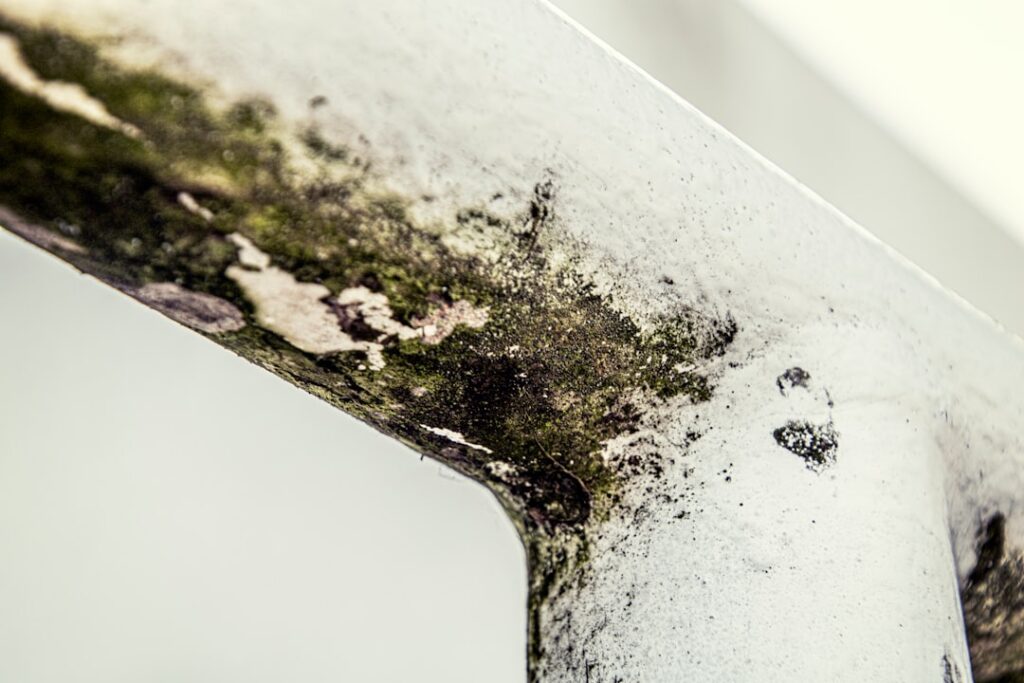
A discolored patch on a bedroom wall sends a lot of Front Range homeowners hunting for answers, and the first question is almost always the same: is that mold, or just a stain? Knowing exactly what mold on drywall looks like helps you tell the difference between cosmetic dirt and an active moisture problem hiding inside the wall cavity. This guide summarizes EPA and CDC guidance current as of 2026; it is educational and not a substitute for a certified inspector or your physician for health questions.
Part of our Mold Around the Home guide — start there for the full picture →
Is this mold, asbestos, or water damage? Get a free instant screen
Upload a clear photo of the suspect area. You'll get an instant AI screening opinion and what to do next. This is screening guidance, not a professional determination.
Screening guidance only. AI can be wrong. Confirm asbestos, mold type, or lead with lab testing or a licensed professional before acting.
What does mold on drywall look like?
Mold on drywall usually appears as fuzzy, speckled, or slightly raised growth rather than a flat, smooth mark. Early colonies show up as small dots or clusters that spread outward in irregular patterns. The color ranges widely: black, dark green, gray, olive, brown, pink, orange, and even white are all possible depending on the species and how long the growth has been feeding on the paper facing of the drywall.
Texture is the giveaway. A water stain dries flat and stays put. Mold often looks dimensional, almost dusty or velvety, and the surface may feel slightly soft or crumbly because the organism digests the cellulose in the drywall paper. When growth advances, the paper can wrinkle, bubble, or peel away from the gypsum core underneath.
Common colors and what they suggest
Color alone never identifies a species, and only a lab can do that. Still, the shade offers clues about conditions on the wall.
Black or dark green
Dark, slimy patches that look almost wet are common where drywall stays damp for long stretches, such as behind a leaking shower or along a basement wall. These are the patches people fear most because they associate the look with so-called “toxic black mold.” The CDC notes that color is not a reliable indicator of health risk, so any extensive growth deserves the same cautious handling regardless of shade.
White or light gray
Fuzzy white growth can look like spider webbing or a dusting of flour. On painted drywall it sometimes gets mistaken for efflorescence, the chalky mineral salt left behind when water evaporates through masonry. A quick test helps: efflorescence dissolves when you spray it with water, while mold does not.
Pink, orange, or brown
These tones appear more often in bathrooms and around plumbing. Pinkish films near a tub are frequently a bacterium rather than mold, but the staining still signals a moisture source that should be addressed before true mold takes hold.
Mold versus stains, dirt, and other look-alikes
Plenty of marks on drywall are not mold at all. Water stains leave a hard, often yellow-brown ring with a defined edge, and they feel smooth and dry. Smoke and soot deposit a flat gray film. Settled dust gathers along trim and outlet edges. Spider webbing collects in corners and wipes away cleanly.
Active mold behaves differently. It tends to return after you wipe it, it may carry a musty, earthy odor, and it concentrates wherever moisture lingers: the bottom of a wall, the corner of a window, the ceiling under a roof leak. If a patch grows back within days or keeps spreading, treat it as mold until proven otherwise. For a closer look at how growth presents across different surfaces, our overview of what mold on drywall looks like walks through more visual examples.
Why drywall is so vulnerable to mold
Standard drywall is gypsum sandwiched between two layers of paper, and that paper is food. Mold spores are present in nearly every indoor environment; they only need moisture and a food source to colonize. Drywall supplies the food, and a leaking pipe, a roof drip, high humidity, or a flooded basement supplies the water.
The EPA points to relative humidity above roughly 60 percent and any sustained dampness as the conditions that let spores germinate. Front Range homes are usually dry, but seasonal swamp-cooler use, snowmelt against foundations, and unvented bathrooms can all push localized humidity high enough to start growth. Once it starts, mold can establish a visible colony within 24 to 48 hours of the surface getting wet.
Where mold hides on and behind drywall
Surface growth is only part of the picture. The paper backing facing the wall cavity often grows mold long before anything shows on the painted side. That is why a small visible spot can sit above a much larger hidden colony.
Check these spots first: under windows where condensation runs down, along the base of basement and crawl-space walls, behind furniture pushed against exterior walls, around plumbing penetrations, and on ceilings beneath roof valleys or bathroom exhaust fans. Black growth around supply registers can also point to duct condensation; readers dealing with that pattern may find our guide on black mold near air vents useful.
Telling mold from the look-alikes, step by step
A few simple checks separate true mold from the marks that mimic it, and none of them require a lab. Run them in order before assuming the worst.
Start with the water test for white or chalky growth. Spray a little water on the patch; efflorescence, the mineral salt left when water evaporates through masonry or plaster, dissolves and softens, while mold does not. Next, run a finger (gloved) lightly across the area. A water stain feels flat, dry, and part of the wall; mold often feels raised, dusty, or slightly soft, and it may smear. Then check whether it returns. Wipe a small spot clean and watch it for several days: a stain stays gone, while active mold tends to creep back because the moisture feeding it is still present.
Finally, read the location against the likely cause. Soot and smoke film spread broadly and evenly, often heaviest near heat sources or above candles and fireplaces. Settled dust gathers on horizontal ledges and around static-charged outlet covers. Mold, by contrast, concentrates wherever water lingers: the bottom corner of a wall, the underside of a window, the ceiling beneath a roof valley or a bathroom fan. When the discoloration sits exactly where you would expect moisture to collect, treat it as mold until a check proves otherwise.
Surface mold versus growth inside the wall cavity
What shows on the painted face is often the smaller half of the story. Gypsum board carries paper on both sides, and the cavity-facing layer sits against framing, insulation, and any vapor barrier. That hidden face stays darker, cooler, and slower to dry, so a colony there can advance for weeks while only a faint shadow or a few specks appear in the room. A coin-sized spot on the visible side sometimes sits above a patch a foot or more across behind the board.
Two patterns hint that growth runs deeper than the surface. Discoloration that bleeds outward from a seam, a nail line, or a corner usually tracks where moisture wicks through the assembly rather than a surface splash. And paint that bubbles, blisters, or releases from the gypsum signals that the paper beneath has stayed wet and is feeding growth from behind. When either appears, scrubbing the face accomplishes little, because the active colony is on the other side of the board.
How appearance changes as growth ages
Mold on drywall does not look the same on day two as it does on day twenty. Fresh growth tends to be lighter, finer, and more scattered, a faint fuzz or a dusting of dots. As a colony matures and continues feeding on the cellulose in the paper, it darkens, thickens, and merges into a denser mat, and the paper itself begins to discolor and weaken.
Long-established growth on chronically wet drywall often turns the surface soft and the paper papery-thin or crumbling, sometimes with a sheen if the area is wet enough to support slimy bacterial growth alongside the mold. A musty, earthy odor usually strengthens as the colony ages. None of this changes the basic response, but it does explain why two homeowners describe “mold on drywall” so differently: they are seeing the same process at different stages.
How to confirm it is mold
Three checks help confirm suspicions before you spend money on testing. First, look for dimensional texture and irregular spread. Second, smell the area; a persistent musty odor often accompanies active growth even when little is visible. Third, probe the moisture. Inspectors use a moisture meter to find elevated readings in the wall, which explains why growth is there in the first place.
For homeowners who want certainty about species, the EPA’s position is consistent: in most cases sampling is unnecessary because visible mold should simply be cleaned up and the moisture fixed. Testing makes sense mainly when occupants have unexplained health symptoms, when clearing remediation work, or when a dispute requires documentation.
What to do once you find it
Stop the water first. Cleanup without fixing the source guarantees regrowth. For a small area, roughly under about 10 square feet, the EPA says many homeowners can handle the job with proper precautions: gloves, an N95 respirator, eye protection, and containment so spores do not spread.
Drywall is porous, though, and that complicates matters. If the paper face is colonized or the board feels soft, surface scrubbing rarely removes the growth fully; the affected section usually has to be cut out and replaced. Painted, sealed drywall with light surface growth sometimes cleans up, but heavy or recurring growth points to a moisture problem and likely hidden colonization that warrants opening the wall.
Bleach is a common impulse, yet the EPA does not recommend it as a routine remediation step for porous materials because the water in bleach can soak into the gypsum while the active ingredient stays on the surface. Detergent and water, followed by thorough drying, is the baseline approach for non-porous surfaces.
Keeping drywall from growing mold again
Once a patch is cleaned or a section replaced, the surface only stays clear if the conditions that fed it are gone. Drywall has no defense of its own; the paper remains food forever, so the variable you actually control is moisture. The EPA points to keeping indoor relative humidity below roughly 60 percent as the baseline, with prompt repair of any leak as the other half of the equation.
Practical steps follow from that. Vent bathrooms and laundry rooms to the outside rather than into an attic or wall cavity. Run an exhaust fan during and after showers so condensation does not settle on ceilings and upper walls. Pull furniture a few inches off exterior walls in cold months so air can move behind it and surfaces do not chill below the dew point. In Front Range homes, watch the base of below-grade walls during spring snowmelt and limit swamp-cooler runtime when indoor humidity climbs, since both push localized moisture high enough to restart growth on drywall that looks perfectly fine.
Mold-resistant gypsum board, sometimes called paperless or fiberglass-faced drywall, is worth specifying when rebuilding in a bathroom, basement, or other damp-prone space. It removes the paper food source and resists colonization far better than standard board, though it is not a license to ignore a leak. The principle holds regardless of product: a dry surface cannot support growth.
When to call a professional
Bring in a professional when the affected area exceeds about 10 square feet, when growth keeps returning after cleanup, when mold follows sewage or flood water, or when household members report breathing problems, persistent congestion, or other symptoms a doctor links to the home. A larger mold problem often signals a structural moisture issue, such as a failed foundation seal or a chronic roof leak, that needs diagnosis beyond the drywall itself.
Inspectors who specialize in mold combine visual assessment, moisture mapping, and sometimes air or surface sampling to scope the problem. For an overview of the broader process and where drywall fits in, see the mold inspection and testing hub, and for guidance on choosing a remediation contractor, our look at picking a quality mold remediation company covers what to ask.
References
- Mold Cleanup in Your Home — U.S. Environmental Protection Agency
- About Mold and Your Health — Centers for Disease Control and Prevention
- A Brief Guide to Mold, Moisture and Your Home — U.S. Environmental Protection Agency
Frequently asked questions
Can mold on drywall be just a stain?
Yes, many marks are water stains, soot, or efflorescence rather than mold. Stains feel flat and dry and do not return after cleaning, while mold often has texture, a musty odor, and grows back if the moisture source remains.
Is white fuzzy growth on drywall mold?
It can be. White fuzzy growth is sometimes mold and sometimes efflorescence, a mineral salt. Efflorescence dissolves when sprayed with water; mold does not. When in doubt, treat it as mold and find the moisture source.
Do I need to test mold on drywall before removing it?
Usually no. The EPA says visible mold should simply be cleaned up and the moisture fixed, without testing in most cases. Testing makes sense mainly for unexplained health symptoms, remediation clearance, or documentation disputes.
Can I just paint over mold on drywall?
No. Painting over mold traps the growth and the paper facing keeps feeding it. The moisture source must be fixed and the affected drywall cleaned or replaced before any repainting.
If you are along the Denver metro or wider Front Range and want a clear read on whether that wall patch is mold and where the moisture is coming from, reach out through our contact page to connect with a vetted local inspector.
Mold removal & cleanup picks
For a small, contained patch (under ~10 sq ft) these EPA-friendly removers handle surface mold. Larger or recurring growth warrants a professional assessment first.
| Product | Why | Buy |
|---|---|---|
 RMR-86 Instant Mold Stain Remover RMR-86 Instant Mold Stain Remover | Fast-acting on stains; ventilate and wear PPE. | Amazon — $29.99 |
 Concrobium Mold Control Concrobium Mold Control | No-bleach formula that also helps prevent regrowth. | Amazon — $34.27 |
 Mold Armor Mold & Mildew Remover Mold Armor Mold & Mildew Remover | Widely stocked bathroom/surface remover. | Amazon — $22.98 |