Black Mold on Drywall: What Homeowners Need to Know
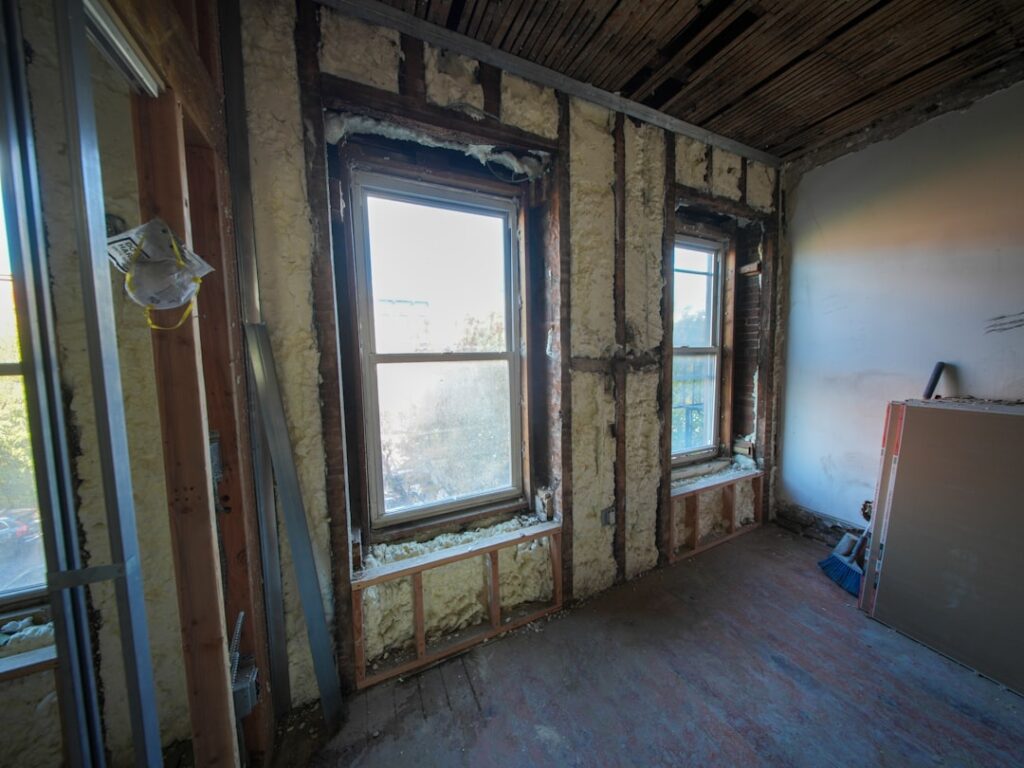
Drywall and mold have a destructive relationship. The paper facing on a standard drywall panel is cellulose, one of mold’s favorite foods, so the moment the surface stays damp, black mold can take root. The hard part is judging whether the growth is a surface stain you can clean or a deeper colony that means the panel has to come out. Getting that judgment right — and fixing the moisture behind it — is what separates a lasting repair from a recurring headache. This guide summarizes EPA and CDC guidance current as of 2026 — consult a physician for symptoms and a certified professional for testing and remediation decisions.
Part of our Black Mold & Your Health guide — start there for the full picture →
Is this mold, asbestos, or water damage? Get a free instant screen
Upload a clear photo of the suspect area. You'll get an instant AI screening opinion and what to do next. This is screening guidance, not a professional determination.
Screening guidance only. AI can be wrong. Confirm asbestos, mold type, or lead with lab testing or a licensed professional before acting.
Why Black Mold Attacks Drywall
Mold needs moisture, a food source, and time. Drywall supplies the food in abundance through its paper facing and even the gypsum binders, so the only missing ingredient is usually water. Once a leak, condensation, or high humidity wets the surface, the EPA notes growth can begin within 24 to 48 hours.
What makes drywall especially troublesome is porosity. Painted drywall has a thin protective layer, but the paper backing and the gypsum core absorb water readily. When moisture wicks through, mold spreads inside the wall cavity where no cloth can reach — which is why surface cleaning so often fails on drywall. This is the same dynamic covered from the cleanup angle in the guide on how to remove mold from drywall, and it underpins the broader guidance in the mold inspection and testing hub.
Surface Staining or Deep Growth?
The central question with drywall mold is penetration, and a few tests reveal the answer. If the mold sits on top of intact, painted drywall and the surface is firm, it may be surface growth that cleans up. If the drywall is soft, spongy, crumbling, or the paint is bubbling, water has saturated the core and the growth is structural.
Another telling sign is whether staining bleeds back. Clean the area, let it dry, and watch: if the dark color returns within days, the colony is rooted in the gypsum and surface cleaning cannot solve it. A persistent musty smell after cleaning points to growth inside the wall cavity. And visible mold on the unpainted side of a panel always means the material is contaminated through and through. In these cases the answer is removal, which connects to the situations described in the guide on black mold in basement walls, where saturated lower drywall is common.
The EPA Size Rule: Clean or Replace
The U.S. Environmental Protection Agency offers a practical threshold for deciding who handles drywall mold. Below about 10 square feet — roughly a 3-by-3-foot patch — a careful homeowner with proper protection can often manage the job. Above that, the agency recommends professional remediation.
The rule has caveats that override size. Even a small area calls for a professional when the water came from sewage or flooding, when mold has reached the HVAC system, when hidden growth is suspected, or when occupants have asthma, allergies, or weakened immune systems. For surface staining on intact paint under the threshold, cleaning is reasonable. For saturated, crumbling, or recurring growth, removal is the answer regardless of how small it looks.
How to Clean or Remove Black Mold on Drywall
If the growth qualifies as surface staining on intact painted drywall under 10 square feet, cleaning follows a careful sequence.
- Fix the moisture first. Repair the leak or condensation source; cleaning before this is wasted.
- Protect and contain. Wear an N95 respirator, gloves, and eye protection; hang plastic and shut off the HVAC.
- Clean gently. The CDC says soap and water remove mold from surfaces; avoid saturating the drywall, since added water feeds the problem.
- Dry completely. Run fans and a dehumidifier for 24 to 48 hours and confirm the area is dry.
If the panel is saturated, the removal sequence is different: score the drywall a few inches beyond the visible damage, mist lightly to suppress dust, cut along studs, double-bag the section in plastic, inspect the framing and insulation behind it, dry the cavity, and install a new panel primed with a mold-resistant primer. The EPA cautions against routine bleach use on porous surfaces, so skip it on drywall.
How to Keep Mold Off Drywall for Good
Because drywall always supplies the food source, prevention is entirely about moisture. Control it and the wall stays clean.
- Keep humidity below 50 percent. A hygrometer makes the EPA and CDC threshold measurable.
- Fix leaks within 48 hours. The colonization window is short, so speed matters.
- Ventilate wet rooms. Bathroom and kitchen fans must vent outside, not into the attic.
- Manage basements. A dehumidifier holds below-grade humidity steady through Colorado’s wet spring.
- Use mold-resistant drywall. Paperless or fiberglass-faced board belongs in bathrooms, laundry rooms, and basements.
Front Range homes face a predictable cycle: dry winters followed by spring snowmelt that floods basements and crawlspaces. Drywall that gets wet and is not dried within two days is where black mold most reliably appears in Denver, Jefferson, and Boulder county homes.
Painted Versus Unfinished Drywall
Whether drywall is painted changes how it responds to mold and how you should treat it. Painted drywall carries a thin protective film on its face. When mold grows on top of intact, well-bonded paint, that film can act as a shallow barrier, and surface staining sometimes cleans up with detergent and water without the colony having reached the gypsum. The paint buys a little protection that bare drywall does not have.
Unfinished or primer-only drywall is far more vulnerable. Its paper facing is exposed, absorbing moisture and feeding mold directly, so growth tends to penetrate quickly. The same is true of the unpainted back side of any panel, which is why mold discovered inside a wall cavity is almost always rooted into the material rather than sitting on a surface. On these unprotected faces, cleaning rarely succeeds and removal is usually the answer.
Even on painted drywall, the protection is limited and conditional. If the paint is old, peeling, or low quality, or if water has wicked behind it through the gypsum, the barrier fails and the mold reaches the core. The reliable test remains the same regardless of finish: clean, dry, and watch. If the stain bleeds back or the surface is soft, the growth is structural and the panel needs to come out. The paint question matters most at the margins, helping a borderline small patch on a quality painted wall clean up, but it never overrides the fundamentals of penetration, area, and moisture that govern every drywall mold decision.
When to Call a Professional
Call a remediation professional when drywall mold exceeds about 10 square feet, when the panel is saturated and growth has spread into the wall cavity, when the water came from sewage or flooding, when the HVAC may be involved, when mold keeps returning, or when occupants have relevant health conditions. Hidden growth behind walls is beyond a homeowner’s reach.
A contractor following the IICRC S520 standard contains the work, removes contaminated drywall and insulation, dries the structure, and corrects the moisture source. In Colorado, where there is no statewide mold license, verify references and insurance, and consider independent testing before and after to confirm the result.
Is Black Mold on Drywall a Health Risk?
The health concern attached to black mold on drywall deserves a calm, accurate answer. The CDC notes that exposure to damp and moldy environments can cause symptoms in some people — nasal congestion, throat irritation, coughing, wheezing, and itchy eyes. People with mold allergies or asthma may react more strongly, and those with weakened immune systems or chronic lung disease face higher risk of more serious effects.
For most healthy people, dark mold on a drywall surface is an irritant and a clear sign of a moisture problem rather than a medical emergency. The intense fear around “toxic black mold” centers on Stachybotrys chartarum, which requires prolonged saturation to grow; the dark growth on drywall can be that species or any of several common molds, and visual identification is unreliable. Importantly, the CDC and EPA both state that the cleanup response does not change with the species — you remove the mold and fix the moisture regardless.
The home question and the health question are separate. Testing the drywall identifies what is growing in the home; it does not diagnose a person. If household members have unexplained respiratory symptoms, a physician should evaluate them while you address the moisture. Vulnerable family members — young children, older adults, and the immunocompromised — warrant extra caution, and in their case even modest growth is worth removing promptly, ideally by someone without those vulnerabilities.
Repairing and Rebuilding After Drywall Mold
Once contaminated drywall is removed, rebuilding correctly ensures the problem does not return. The first priority is verifying the cavity is dry before any new material goes in. Framing and adjacent materials that got wet can hold moisture that feels dry to the touch, so a moisture meter reading rather than a guess is what confirms readiness. Sealing a wall over damp framing simply restarts the growth.
Inspect the exposed framing and insulation. Wood framing with light surface mold can often be cleaned, dried, and treated, but saturated fiberglass batt insulation should be discarded and replaced. If the wall is in a chronically damp location — a bathroom, laundry room, or basement — this is the moment to upgrade to paperless or moisture-resistant drywall, which removes the cellulose food source that fed the original growth.
When installing the new panel, prime it with a stain-blocking, mold-resistant primer before painting. The most important step, though, happens outside the wall: confirming the moisture source that caused the problem is fixed. A repaired leak, corrected ventilation, or improved basement drainage is what makes the rebuild permanent. For Front Range homeowners, the seasonal pattern of dry winters and wet spring snowmelt means basement and crawlspace drywall repairs should be paired with drainage and humidity control, or the new panel will be back to the same fate within a year or two.
Key Takeaways on Black Mold on Drywall
Drywall is one of mold’s favorite surfaces because the paper facing is cellulose and the gypsum core absorbs water readily. The central question is always penetration: surface mold on intact painted drywall under about 10 square feet can often be cleaned, while soft, crumbling, or recurring growth means the panel is contaminated through the core and must be removed. A stain that bleeds back after cleaning, or growth on the unpainted side, confirms the colony is rooted in the material.
Skip the bleach — the EPA does not recommend it on porous drywall, where its water content can feed deeper growth. Use soap and water on intact surfaces, and remove what is saturated. After removal, verify the cavity is dry before rebuilding, upgrade to mold-resistant drywall in damp locations, and prime with a stain-blocking primer. The repair only lasts if the moisture source is fixed. For Front Range homeowners, that means pairing basement and crawlspace drywall repairs with drainage and humidity control to survive the seasonal snowmelt cycle.
References
- Mold Cleanup in Your Home — U.S. Environmental Protection Agency
- Mold Cleanup and Remediation Guidance — Centers for Disease Control and Prevention
- A Brief Guide to Mold, Moisture and Your Home — U.S. Environmental Protection Agency
Frequently asked questions
Can black mold on drywall be cleaned, or must the drywall be replaced?
It depends on penetration. Surface mold on intact, painted drywall under about 10 square feet can often be cleaned with soap and water. If the drywall is soft, crumbling, or the stain bleeds back after cleaning, the gypsum core is contaminated and the panel must be cut out and replaced.
Why does black mold grow on drywall so easily?
The paper facing on standard drywall is cellulose, a food source mold thrives on, and the gypsum core absorbs water readily. With the food source built in, the only thing mold needs is moisture, and growth can begin within 24 to 48 hours of the surface getting wet.
Should I use bleach on black mold on drywall?
No. The EPA does not recommend routine bleach use on porous surfaces like drywall, because bleach is mostly water and that water soaks into the gypsum, potentially feeding deeper growth. Use soap and water on intact painted surfaces, and remove saturated drywall rather than trying to bleach it.
How much black mold on drywall can I remove myself?
The EPA sets a practical limit of about 10 square feet, roughly a 3-by-3-foot area, on intact surfaces. Above that, or when the water came from sewage or flooding, the HVAC is involved, or someone has asthma or weakened immunity, hire a professional remediation contractor.
If you cannot tell whether your drywall is salvageable or hiding deeper growth, a vetted Front Range inspector can check with a moisture meter before you cut. Reach out through our contact page.
Mold removal & cleanup picks
For a small, contained patch (under ~10 sq ft) these EPA-friendly removers handle surface mold. Larger or recurring growth warrants a professional assessment first.
| Product | Why | Buy |
|---|---|---|
 RMR-86 Instant Mold Stain Remover RMR-86 Instant Mold Stain Remover | Fast-acting on stains; ventilate and wear PPE. | Amazon — $29.99 |
 Concrobium Mold Control Concrobium Mold Control | No-bleach formula that also helps prevent regrowth. | Amazon — $11.26 |
 Mold Armor Mold & Mildew Remover Mold Armor Mold & Mildew Remover | Widely stocked bathroom/surface remover. | Amazon — $22.98 |