How to Remove Mold From Drywall: A Clear Guide
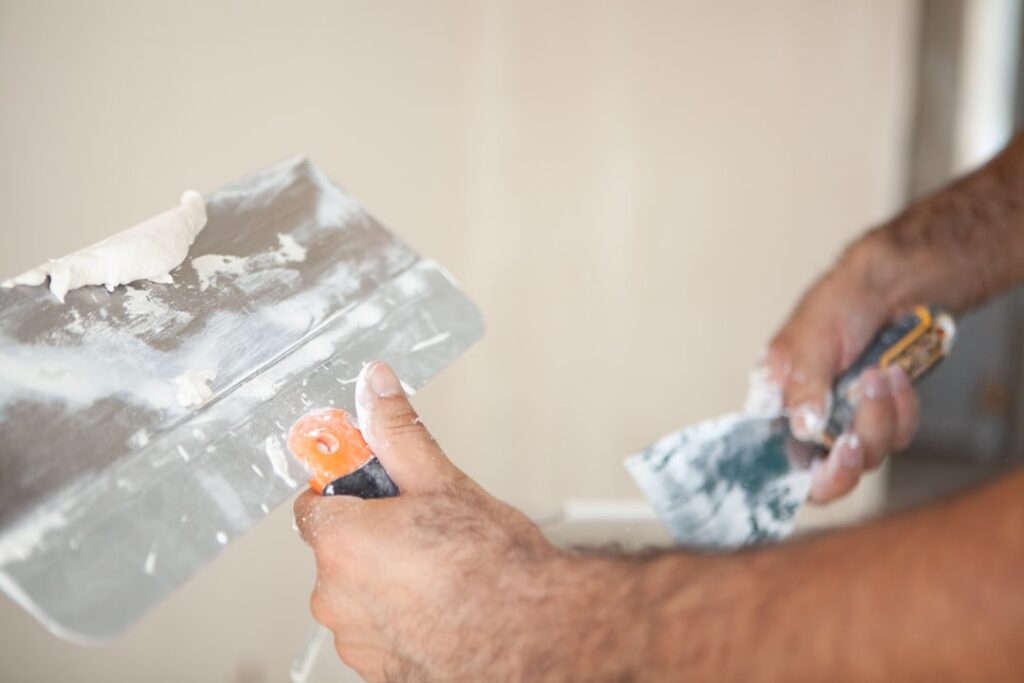
Drywall is one of the worst surfaces for mold to colonize because the paper facing is made of cellulose, a food source that fungi thrive on the moment it stays damp. Once spores root past the paint and into the gypsum core, wiping the surface rarely solves the problem. Knowing how to remove mold from drywall comes down to one early decision: whether the affected area is small enough to clean or large enough that the panel has to come out. This guide summarizes EPA and CDC guidance current as of 2026 — consult a physician for symptoms and a certified professional for testing and large remediation decisions.
Part of our Mold Removal & Remediation guide — start there for the full picture →
Is this mold, asbestos, or water damage? Get a free instant screen
Upload a clear photo of the suspect area. You'll get an instant AI screening opinion and what to do next. This is screening guidance, not a professional determination.
Screening guidance only. AI can be wrong. Confirm asbestos, mold type, or lead with lab testing or a licensed professional before acting.
How to Remove Mold From Drywall in Five Steps
For a contained patch under about 10 square feet, the U.S. Environmental Protection Agency says most homeowners can handle the cleanup themselves. The process is straightforward but order matters. Skipping the moisture fix at the end almost guarantees regrowth.
- Find and stop the water source. A roof leak, a sweating pipe, or a humid bathroom feeds the colony. If the source is still active, cleaning is wasted effort.
- Protect yourself. Wear an N95 respirator, nitrile gloves, and eye protection without vents. Spores become airborne the instant you disturb them.
- Contain the area. Tape plastic sheeting over doorways and turn off the HVAC so spores do not travel through ductwork to clean rooms.
- Clean painted, intact drywall. Wipe with a detergent-and-water solution, then a damp rinse cloth. The CDC notes that for most surfaces, soap and water remove mold effectively; harsh biocides are usually unnecessary.
- Dry completely. Run a fan or dehumidifier for 24 to 48 hours. Drywall that still reads damp on a moisture meter is not finished.
Painted drywall with only surface staining often cleans up. Bare, crumbling, or saturated drywall does not — the colony has reached the porous core, and the panel needs removal.
When You Can Clean It and When the Panel Must Come Out
The deciding factor is penetration. Latex paint creates a thin barrier; if mold sits on top of intact paint, scrubbing can succeed. But the paper backing behind the gypsum has no such protection. Once water has wicked through, fungal growth spreads inside the wall cavity where no cloth reaches.
Signs the drywall must be cut out and replaced include soft or spongy texture, brown or black staining that bleeds back through after cleaning, a persistent musty odor, or visible growth on the unpainted side. Insulation behind the panel may also be contaminated and should be bagged and discarded. For a step-by-step look at removal versus salvage, the companion piece on black mold on drywall walks through how inspectors make that call in the field.
The 10-Square-Foot Rule
EPA guidance draws a practical line at roughly 10 square feet — about a 3-by-3-foot patch. Below that, a careful homeowner with proper protection can usually manage the job. Above it, or when mold returns after cleaning, the agency recommends hiring a remediation contractor who follows containment and air-handling protocols. Hidden growth inside walls, HVAC contamination, or sewage-related water always warrants a professional regardless of visible size.
How to Cut Out and Replace Moldy Drywall
When removal is the answer, the goal is to take out the contaminated section without scattering spores across the room. Score the drywall a few inches beyond the visible damage, since growth extends past what the eye sees. Mist the area lightly with water first to keep dust down.
Cut along stud lines so the patch has solid backing, then pry the section free and double-bag it in 6-mil plastic before carrying it out. Inspect the framing and insulation behind it. Wood framing with surface mold can often be cleaned and dried, but soaked fiberglass batt insulation gets discarded. Let the cavity dry fully and confirm with a moisture meter before installing the new panel, then prime with a stain-blocking, mold-resistant primer.
Front Range homeowners dealing with finished basements should pay special attention here. Denver and Boulder County basements that flood during spring snowmelt frequently hide mold behind baseboards and lower wall sections, which is covered in detail in the guide to black mold in basement spaces.
Does Bleach Remove Mold From Drywall?
This is one of the most persistent myths. Chlorine bleach is mostly water, and water is exactly what mold needs. On porous drywall, the bleach’s surface action kills visible growth while the water content soaks into the gypsum, potentially feeding deeper colonies. The EPA does not recommend routine bleach use for mold cleanup on porous surfaces.
For nonporous surfaces like tile or glass, detergent and water do the job. On drywall, if the staining is only on intact paint, the same soapy solution works without the corrosive downsides of bleach. The real cure is never the cleaning agent — it is eliminating the moisture that allowed growth in the first place.
How to Prevent Mold From Returning to Drywall
Mold needs moisture, organic material, and time. Drywall supplies the food, so control of the other two is everything. Keep indoor humidity below 50 percent; the CDC and EPA both cite that range as the threshold where mold growth slows dramatically. A hygrometer costs under twenty dollars and removes the guesswork.
Fix leaks within 24 to 48 hours — that window matters because mold can begin colonizing damp drywall within a day or two. Improve ventilation in bathrooms and kitchens with exhaust fans vented to the outside, not the attic. In below-grade spaces, a dehumidifier sized to the square footage holds humidity steady through Colorado’s wet spring months. For deeper background on inspection and testing options, the mold inspection and testing hub connects every related topic in one place.
Mold-resistant drywall, sometimes branded as green board or paperless board, uses a fiberglass facing instead of cellulose paper. It is worth the small upcharge in bathrooms, laundry rooms, and basements where moisture exposure is chronic.
Is Mold on Drywall a Health Concern?
Homeowners often worry as much about the health implications as the repair, and a measured answer helps. The CDC notes that living in a damp, moldy space can cause symptoms in some people — nasal congestion, throat irritation, coughing, wheezing, and itchy eyes. Those with mold allergies or asthma tend to react more strongly, and people with weakened immune systems or chronic lung disease face higher risk of more serious effects.
For most healthy people, a small patch of mold on a drywall surface is an irritant and a signal of a moisture problem, not a crisis. The alarming “toxic black mold” reputation centers on Stachybotrys chartarum, which needs prolonged saturation to grow, and the dark growth on a wall may or may not be that species — visual identification is unreliable. Both the EPA and CDC stress that the cleanup response does not change with the species; you remove it and fix the moisture regardless.
The home and the person are separate questions. Cleaning the drywall addresses the building, not anyone’s symptoms. If household members have unexplained respiratory issues, a physician should evaluate them while you handle the moisture. Vulnerable family members deserve extra caution, and in their case even a modest patch is worth removing promptly, ideally by someone without those vulnerabilities or by a professional.
When to Call a Professional
Some situations are not DIY jobs. Call a certified remediation contractor if the affected drywall exceeds 10 square feet, if mold keeps returning after cleaning, if the water came from sewage or floodwater, or if anyone in the home has asthma, allergies, or a weakened immune system. Professionals use negative-air containment and HEPA filtration to keep spores from spreading during demolition.
A reputable contractor will also identify the underlying moisture problem rather than just removing the visible growth. In Colorado, ask whether the company carries proper liability coverage and follows the IICRC S520 remediation standard. Independent mold testing before and after the work gives you a verifiable baseline.
What Causes Mold on Drywall in the First Place
Removing mold without understanding its source is like bailing a boat without plugging the leak. Drywall mold traces back to one of a handful of moisture pathways, and identifying which one applies to your wall determines whether the fix holds. Plumbing leaks are the most common culprit — a slow drip behind a kitchen or bathroom wall can soak the back of a panel for weeks before any stain appears on the painted side.
Roof and window leaks follow rainwater into wall cavities, often showing up as staining several feet below the actual entry point because water travels along framing before it pools. Condensation is a quieter cause: poorly insulated exterior walls in cold climates let interior humidity condense inside the cavity, wetting the back of the drywall invisibly. And rising damp in basements wicks groundwater up through the bottom edge of wall panels. Each of these requires a different repair, which is why the diagnosis matters as much as the cleanup.
There is also the matter of standing humidity. A bathroom without a working exhaust fan, a laundry room with a leaking dryer vent, or a finished basement without a dehumidifier can keep ambient moisture high enough to grow mold on drywall surfaces even without a discrete leak. In these cases no amount of patching helps until the humidity itself comes down below the 50 percent threshold the EPA and CDC cite.
Tools and Materials for the Job
Having the right supplies on hand before you start keeps the work contained and efficient. Scrambling for a respirator mid-job, after you have already disturbed the mold, defeats the purpose of protection. Assemble everything first.
- An N95 or N100 respirator — a dust mask is not adequate for mold spores.
- Nitrile gloves and unvented goggles — to keep spores and cleaning solution off skin and out of eyes.
- Plastic sheeting and painter’s tape — to seal the work area and cover floors.
- A spray bottle of detergent solution — plain dish soap in water is sufficient for surface cleaning.
- A utility knife or drywall saw — for cutting out saturated sections.
- A moisture meter — inexpensive pinless models confirm whether the cavity is truly dry.
- 6-mil contractor bags — for double-bagging contaminated material.
- A stain-blocking, mold-resistant primer — for the new or cleaned surface.
The moisture meter is the tool homeowners most often skip and most often need. Drywall and framing can feel dry to the touch while holding enough internal moisture to restart growth, so a reading rather than a guess prevents a repeat job. A HEPA vacuum, while not essential for a small patch, helps capture loose spores from surrounding surfaces after the work is done.
Key Takeaways for Drywall Mold
The decision tree for drywall mold comes down to a few clear principles. First, the moisture source must be found and stopped before any cleaning, because mold on drywall is always a symptom of water. Second, penetration determines the method: surface mold on intact painted drywall under about 10 square feet can often be cleaned, while saturated, crumbling, or recurring growth means the panel must be cut out and replaced. Third, bleach is the wrong tool for porous drywall, since its water content can feed deeper colonies.
Prevention closes the loop. Because drywall always supplies the cellulose food source, controlling moisture is the only durable defense — keep humidity below 50 percent, repair leaks within 48 hours, and vent wet rooms outside. In chronically damp Front Range basements and bathrooms, paperless mold-resistant drywall removes the food source entirely. When the area is large, the water was contaminated, or someone in the home is medically vulnerable, the job belongs to a professional rather than a weekend repair.
References
- Mold Cleanup in Your Home — U.S. Environmental Protection Agency
- Mold Cleanup and Remediation Guidance — Centers for Disease Control and Prevention
- A Brief Guide to Mold, Moisture and Your Home — U.S. Environmental Protection Agency
Frequently asked questions
Can you just paint over mold on drywall?
No. Painting over mold traps the colony beneath the surface, where it continues to grow on the cellulose paper backing. The paint may peel or bubble within weeks as moisture pushes through. You must remove or kill the mold and fix the moisture source before priming and repainting.
How much mold on drywall is too much to clean myself?
The EPA sets a practical limit of about 10 square feet, roughly a 3-by-3-foot area. Below that, a homeowner with an N95 respirator and gloves can usually handle it. Above that, or if mold keeps returning, hire a professional remediation contractor.
Does vinegar remove mold from drywall?
Vinegar can kill some surface mold on intact painted drywall and is gentler than bleach on porous material. It will not reach mold that has penetrated the gypsum core, however. If staining bleeds back after cleaning, the panel needs to be cut out and replaced.
How long does it take for mold to grow on wet drywall?
Mold can begin colonizing damp drywall within 24 to 48 hours under the right conditions. That is why the EPA stresses drying any water-damaged material within two days. The paper facing on standard drywall is an ideal food source once it stays wet.
If a leak or flood has left you unsure whether your drywall can be saved, a vetted Front Range inspector can assess the damage before you start cutting. Reach out through our contact page to get connected.
Mold removal & cleanup picks
For a small, contained patch (under ~10 sq ft) these EPA-friendly removers handle surface mold. Larger or recurring growth warrants a professional assessment first.
| Product | Why | Buy |
|---|---|---|
 RMR-86 Instant Mold Stain Remover | Fast-acting on stains; ventilate and wear PPE. | Amazon — $29.99 |
 Concrobium Mold Control | No-bleach formula that also helps prevent regrowth. | Amazon — $11.26 |
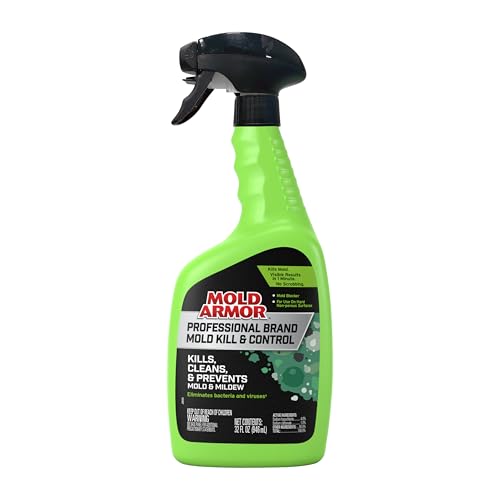 Mold Armor Mold & Mildew Remover | Widely stocked bathroom/surface remover. | Amazon — $22.98 |