Mold on Drywall: What Homeowners Need to Know
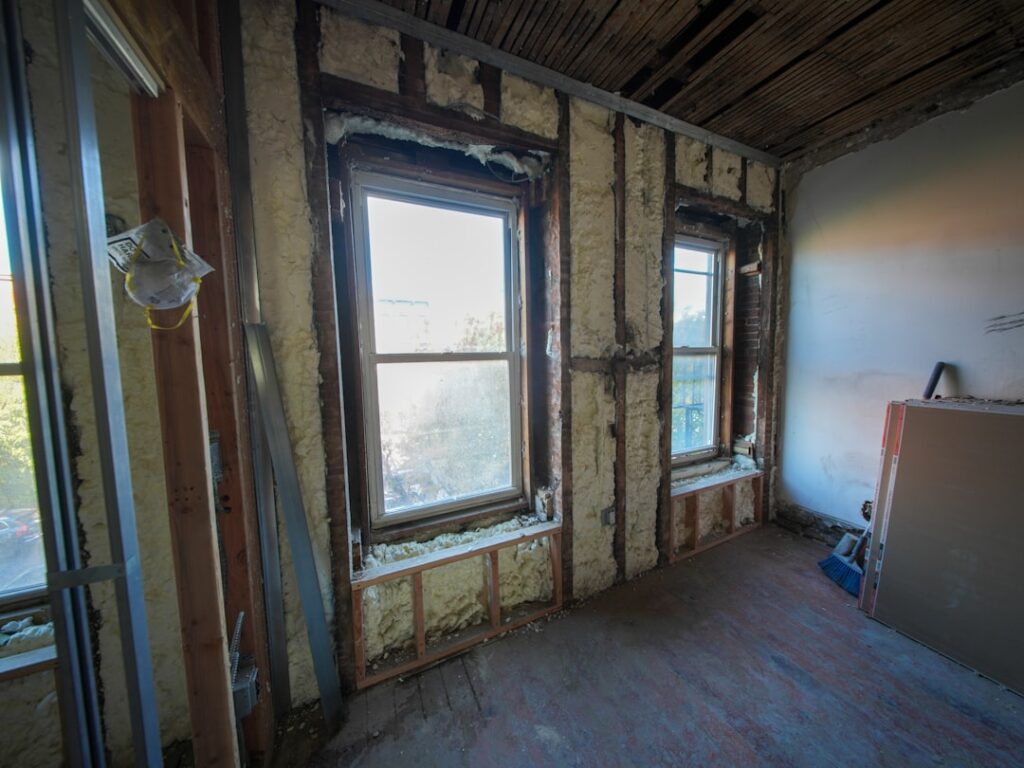
Drywall is in nearly every interior wall and ceiling in a modern home, and it is one of mold’s favorite materials. The paper facing is pure cellulose, an ideal food source, and once drywall gets wet it holds moisture long enough for mold to take hold. Finding mold on drywall raises a harder question than most surface mold: can it be cleaned, or does the wall need to come out? This guide summarizes EPA and CDC guidance current as of 2026 and is educational only, not a substitute for a professional or a physician for health symptoms. Below is how to assess mold on drywall, when cleaning works, and when replacement is the right call.
Is this mold, asbestos, or water damage? Get a free instant screen
Upload a clear photo of the suspect area. You'll get an instant AI screening opinion and what to do next. This is screening guidance, not a professional determination.
Screening guidance only. AI can be wrong. Confirm asbestos, mold type, or lead with lab testing or a licensed professional before acting.
Why Mold on Drywall Is Different
The first thing to understand about mold on drywall is that drywall is porous, and that changes everything. The paper layers and gypsum core absorb water and let mold roots, called hyphae, grow into the material rather than just sitting on the surface. When you see a patch of mold on a wall, the growth on the back of the drywall, facing the wall cavity, is often worse than what shows on the room side, because that is where moisture collects.
This is why the EPA takes a firmer line on porous materials than on hard surfaces. Its guidance is that mold-damaged porous materials that cannot be cleaned and dried should be removed and replaced. A wiped-down drywall surface may look clean while the colony continues inside the board and the wall cavity. The practical consequence: mold on drywall is frequently a removal job, not a cleaning job, and treating it as a simple surface wipe often fails.
When You Can Clean Mold on Drywall
There are cases where cleaning is reasonable. If the drywall is painted with a washable finish, the mold is a small surface patch, the area is well under roughly 10 square feet, the board is still firm and dry behind the surface, and there is no sign of moisture in the cavity, you can attempt to clean it.
Ventilate the room, wear an N95 respirator, gloves, and eye protection, and clean the surface with detergent and water or an appropriate product. Dry it thoroughly and watch closely for return. The honest caveat is that painted drywall mold often regrows because the paper underneath the paint may already be colonized. If the mold comes back, or if scrubbing reveals soft, stained, or crumbling board, cleaning has reached its limit and the section needs to be cut out. Our guide to getting rid of mold walks through the full decision tree.
The Quick Tests
Press the drywall. If it is soft or gives way, the board is water-damaged and should be replaced. Look for staining that bleeds beyond the visible mold, which suggests moisture has spread inside. A persistent musty smell with no large visible patch can mean mold growing behind the wall, hidden from view.
When Drywall Has to Be Removed
Replacement is the right answer when the drywall is saturated, soft, or crumbling, when mold covers a large area, when growth has reached the back of the board or the wall cavity, or when the mold keeps returning after cleaning. Drywall that got wet in a flood or a sustained leak should generally be removed up to and beyond the visible water line, because the moisture and mold extend higher than the stain.
Cutting out moldy drywall is not a casual job, because opening the wall releases spores. Proper removal involves containing the area, wearing protective gear, cutting out the affected board plus a margin, bagging it, and checking the framing and insulation behind it. Wet insulation behind moldy drywall usually has to go too. For anything beyond a small, contained patch, this is professional work. The mold inspection and testing hub covers how the extent of wall mold is assessed before removal.
Health Considerations With Drywall Mold
Mold on drywall carries the same general health considerations as other household mold, with the added factor that wall-cavity mold can release spores into living spaces through gaps, outlets, and the HVAC system. The CDC associates mold exposure with congestion, sneezing, coughing, and eye and throat irritation, with stronger reactions in people who have asthma or mold allergies. Infants, older adults, and people with weakened immune systems may be more vulnerable.
These are general associations, not a diagnosis, and a physician should evaluate any persistent symptoms. The relevant point for drywall specifically is that disturbing it during removal sharply increases short-term spore release, which is exactly why containment and protective gear matter, and why large jobs belong to professionals who can isolate the work area.
Finding the Moisture Behind the Mold
Mold on drywall is almost always a moisture symptom, and removing the board without fixing the water source guarantees the problem returns in the new drywall. Common sources include roof leaks showing as ceiling mold, plumbing leaks inside walls, condensation on poorly insulated exterior walls, basement seepage, and high humidity in bathrooms.
A moisture meter helps locate where water is entering and how far it has spread, which is part of why a professional assessment is valuable before repairs. On the Front Range, the dry climate means whole-house humidity is rarely the culprit; instead, look for specific leaks, basement and crawl-space seepage from snowmelt, and condensation on exterior walls in cold weather. The EPA’s foundational rule holds throughout: identify and eliminate the moisture source first, then deal with the drywall, because mold cannot return to a dry wall.
How Professionals Remove Moldy Drywall
Understanding how a professional approaches moldy drywall helps homeowners judge when a job has outgrown a DIY effort and what proper remediation involves. The first step is assessment: locating the moisture source, mapping how far the dampness extends with a moisture meter, and determining whether the cavity, insulation, and framing are involved. Cutting blindly into a wall without this assessment risks missing the real extent of the problem.
Containment comes next. For anything beyond a small patch, the work area is sealed off with plastic sheeting, and negative air pressure with HEPA filtration keeps spores from spreading to clean parts of the home during demolition. Workers wear respirators and protective clothing. The affected drywall is then cut out, typically extending a margin beyond the visible damage and above the water line, since mold and moisture reach higher than the stain suggests. Wet or contaminated insulation behind the drywall is removed and bagged.
After removal, the cavity and framing are cleaned and dried thoroughly, often with HEPA vacuuming and air movers, and the moisture content is verified before anything is closed up. Only when the framing is dry and clean is new drywall installed. This sequence, containment, removal, drying, verification, and rebuild, is difficult to replicate with household tools, which is the practical reason the EPA points homeowners toward professionals for larger or cavity-involved drywall mold. The goal is not just to remove what is visible but to ensure the rebuilt wall starts dry and stays that way.
Mold-Resistant Drywall and When It Helps
Renovations offer a chance to reduce future drywall mold through material choice. Standard drywall uses a paper facing that is pure cellulose, an excellent mold food, which is why ordinary drywall colonizes so readily when wet. Several alternatives address this directly.
Moisture-resistant drywall, often called green board for its colored facing, has a water-resistant covering and is suited to bathrooms and other humid areas, though it is not waterproof and still fails under sustained saturation. Mold-resistant or paperless drywall replaces the paper facing with fiberglass, removing the cellulose food source on the surface and making the board far more resistant to mold even when it gets damp. Cement board, used as a tile backer in showers and wet areas, does not feed mold at all and is the standard choice behind tile.
These materials cost more than standard drywall and are not a license to ignore moisture, since mold can still grow on dust, paint, and other organic films on any surface. But in the specific high-risk locations, bathrooms, basements, laundry rooms, and behind shower tile, specifying the appropriate moisture- or mold-resistant board during construction or renovation meaningfully lowers the odds of a repeat problem. It is one of the few mold defenses that is easiest and cheapest to add before a wall is closed up rather than after.
Preventing Mold on Drywall
Prevention comes down to keeping drywall dry. Fix leaks quickly and dry any wet drywall within 24 to 48 hours, the window in which mold typically establishes. Keep indoor relative humidity between 30 and 50 percent, the EPA’s recommended range, using exhaust fans and, where needed, a dehumidifier.
Insulate exterior walls and cold spots to reduce condensation, which is a frequent cause of mold on the lower portions of exterior-facing drywall. Address basement and crawl-space moisture, since that humidity migrates up into wall cavities. In areas prone to dampness, mold-resistant drywall, sometimes called green board or specialized moisture-resistant board, is worth specifying during renovations in bathrooms and basements. Inspect walls and ceilings periodically for the first faint staining or musty smell, because catching a small, dry-cavity patch early can mean a simple clean rather than a wall demolition later.
Ceiling Drywall Versus Wall Drywall
Mold on drywall behaves a little differently depending on whether it is a ceiling or a wall, and the distinction guides both diagnosis and repair. Ceiling drywall mold most often comes from above, meaning a roof leak, a plumbing leak from an upstairs bathroom, or condensation where the ceiling meets an unconditioned attic. Because gravity pulls water down to the ceiling plane, a stain there is a strong hint that water is entering from overhead, and the source must be traced upward.
Wall drywall mold has more varied origins: condensation on cold exterior walls, plumbing leaks inside the wall cavity, water wicking up from a wet floor or foundation, or humidity in a damp room. Lower-wall mold near the floor often points to rising moisture or a floor-level leak, while mold high on a wall may relate to a roof or window issue above. Reading the location on the wall narrows the likely cause.
The repair principle is the same for both, but the stakes differ. A water-damaged ceiling can sag and eventually fail, which is both a mold and a safety concern, so soft or bulging ceiling drywall warrants prompt attention. With both ceilings and walls, the non-negotiable step is finding and fixing the water source before replacing the board, because new drywall installed under an unsolved leak simply molds again. A moisture meter and, for ceilings, an inspection of the space above are how professionals confirm the source. Matching the repair to where the water is coming from, overhead for ceilings and a wider set of possibilities for walls, is what makes the fix permanent rather than temporary.
One more practical note ties the two together: when mold appears on either a wall or a ceiling, resist the urge to simply paint over it. Painting traps the moisture and the colony, the stain typically bleeds back through within weeks, and the underlying problem keeps advancing out of sight. The correct sequence is always to find the water, remove or clean the affected drywall, dry the area and verify it is dry, and only then refinish. Skipping straight to a fresh coat of paint hides the symptom while the cause continues, which is why so many recurring drywall mold problems trace back to a wall that was painted over rather than properly repaired.
References
- Mold Cleanup in Your Home — U.S. Environmental Protection Agency
- About Mold and Your Health — Centers for Disease Control and Prevention
- A Brief Guide to Mold, Moisture and Your Home — U.S. Environmental Protection Agency
If you suspect mold inside your Front Range walls and want the moisture mapped before tearing out drywall, you can get connected with a vetted local inspector through our contact page.
Mold removal & cleanup picks
For a small, contained patch (under ~10 sq ft) these EPA-friendly removers handle surface mold. Larger or recurring growth warrants a professional assessment first.
| Product | Why | Buy |
|---|---|---|
 RMR-86 Instant Mold Stain Remover RMR-86 Instant Mold Stain Remover | Fast-acting on stains; ventilate and wear PPE. | Amazon — $25.99 |
 Concrobium Mold Control Concrobium Mold Control | No-bleach formula that also helps prevent regrowth. | Amazon — $13.48 |
 Mold Armor Mold & Mildew Remover Mold Armor Mold & Mildew Remover | Widely stocked bathroom/surface remover. | Amazon — $22.98 |