Mold Behind Drywall: What Homeowners Should Know
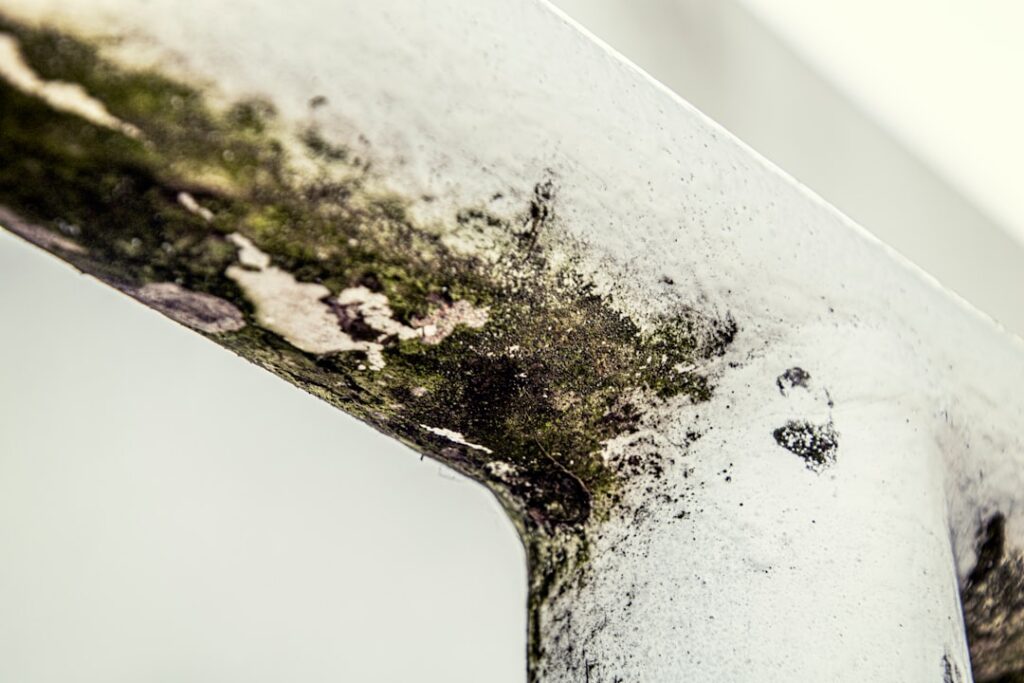
The mold you can see is often the smaller half of the problem. Behind a painted wall, inside the cavity where framing, insulation, and the back of the drywall meet, a slow leak or chronic dampness can grow a colony that never shows on the surface until it is well established. Mold behind drywall is one of the trickiest household mold situations precisely because it is hidden, and by the time it announces itself with a smell or a stain, it has usually been growing for a while. This guide summarizes EPA and CDC guidance current as of 2026 and is educational only; it is not a substitute for a certified mold professional and offers no medical diagnosis. Here are the warning signs, the causes, and what proper removal involves.
Part of our Mold Around the Home guide — start there for the full picture →
Is this mold, asbestos, or water damage? Get a free instant screen
Upload a clear photo of the suspect area. You'll get an instant AI screening opinion and what to do next. This is screening guidance, not a professional determination.
Screening guidance only. AI can be wrong. Confirm asbestos, mold type, or lead with lab testing or a licensed professional before acting.
How to Tell If Mold Is Growing Behind Drywall
Because the growth is out of sight, you have to read indirect clues. The most reliable is smell: a persistent musty, earthy odor in a room with no visible mold strongly suggests growth inside a wall or another hidden space. The CDC notes that a musty odor can itself be a sign of hidden mold worth investigating. Visible staining is another signal, including brown or yellow water stains, dark blotches bleeding through paint, or discoloration that spreads over time.
Physical changes to the wall add weight to the suspicion. Paint that bubbles, peels, or cracks, wallpaper lifting at the seams, drywall that feels soft or spongy when pressed, and visible warping or sagging all indicate moisture inside the assembly, and where there is trapped moisture there is often mold. Allergy-like symptoms that improve when occupants leave the home can accompany hidden mold, though symptoms are not diagnostic and have many causes. The EPA points out that sampling is generally unnecessary to decide on cleanup; the combination of a musty smell and signs of moisture is enough reason to investigate.
Why Mold Grows Behind Drywall
A wall cavity becomes a mold habitat when moisture gets in and cannot dry out. The back of drywall is paper, an ideal food source, and insulation and framing add more organic material, so any sustained dampness invites growth. Common sources include plumbing leaks inside the wall, such as a slow drip from a supply line or drain, water intrusion from a roof or window that runs down inside the cavity, and condensation on cold exterior walls or around uninsulated pipes.
Basements and below-grade walls are especially prone, since concrete can wick moisture and finished basement walls trap it against the drywall. In Colorado, a basement that took on water during spring runoff or a snowmelt event, or a slow supply-line leak behind a bathroom wall, are typical scenarios. The hallmark of hidden mold is that the cavity stays damp long after any obvious event, giving the colony time to spread unseen.
Why It Stays Hidden So Long
Drywall acts as a one-way curtain. Moisture and mold develop on the cavity side while the painted face looks fine for months. By the time staining or odor reaches the room, the growth behind may be extensive. This is why hidden mold often surprises homeowners with its scale once a wall is opened, and why catching the early warning signs matters so much.
How Mold Behind Drywall Is Removed
Hidden wall mold is rarely a surface-cleaning job, because the affected material is the back of the drywall and possibly the insulation behind it. The EPA advises that porous materials with significant mold growth, including drywall and insulation, generally must be removed and replaced rather than cleaned. That means the practical path is controlled removal of the affected section.
Proper removal follows the logic of remediation. The moisture source is found and fixed first, since opening a wall over an active leak only spreads the problem. The work area is contained with plastic sheeting and, for larger jobs, negative air pressure, so spores do not spread through the house. The contaminated drywall and wet insulation are cut out and bagged, the cavity and framing are cleaned and dried, and only after the cavity is confirmed dry is new material installed. For growth caught very early on the room-facing surface before it penetrates, our guides on killing mold on drywall and the early signs of mold on drywall cover what can and cannot be cleaned in place.
Why You Should Not Just Cover It Up
It is tempting to paint over a stain or patch a soft spot and move on, but that approach fails reliably. Mold-blocking or stain-blocking paint hides the symptom while the growth and the moisture continue behind it, and the EPA is explicit that painting over mold is not a remedy. The colony keeps expanding, the material keeps degrading, and the eventual repair is larger and costlier than the original would have been. Worse, the trapped moisture can spread to adjacent framing and flooring.
The durable approach is always the same two-part fix: stop the water and remove the affected material. Skipping either step guarantees the problem returns. This is the core of the EPA’s guidance across every mold scenario, and it applies with particular force when the growth is hidden where you cannot monitor it.
How Professionals Detect Mold Behind Drywall
Because the growth is hidden, professionals rely on tools that read moisture rather than mold directly, on the sound logic that where there is sustained moisture inside a wall, there is usually mold. A moisture meter pressed against the drywall reveals elevated moisture content that the eye cannot see, mapping how far a damp area extends. Infrared thermal imaging shows temperature differences across a wall, and because wet materials hold and release heat differently than dry ones, a thermal camera can reveal the outline of moisture inside a cavity without cutting into it. These are non-invasive first steps that narrow down where a problem lives.
When the indirect tools point to a likely area, a small inspection opening confirms it directly. A borescope, a slim camera on a flexible cable, can be slipped through a tiny hole to view the cavity interior, or a controlled section of drywall is opened to see the back side and the framing. This staged approach, reading moisture first and opening only where the evidence directs, avoids tearing apart a wall on a guess. Our guide on the moisture meter used in home inspection explains how these readings are interpreted.
What Drives the Cost of Hidden Mold
Hidden wall mold tends to cost more to resolve than surface mold for reasons rooted in the work itself. The extent is unknown until the wall is opened, so the scope can grow once the cavity is exposed. Containment is required to keep spores from spreading during demolition. Porous materials, the drywall and any wet insulation, must be removed and replaced rather than cleaned. The moisture source, whether a plumbing leak or water intrusion, needs its own repair, often by a separate trade. And reconstruction follows the remediation. Each of these adds to the total, which is why catching the early warning signs and acting before the growth spreads is the most reliable way to keep the eventual bill manageable.
The Role of Insulation in the Cavity
Insulation inside the wall complicates hidden mold in a way worth understanding. Fiberglass and similar insulation can hold moisture against the framing and the back of the drywall, prolonging the dampness mold needs and acting as a reservoir that re-wets adjacent materials. Wet insulation generally cannot be dried in place to a reliable standard and is typically removed and replaced as part of remediation. This is part of why hidden wall mold is rarely a quick surface fix: the assembly behind the drywall includes materials that the EPA’s guidance on porous contaminated materials says should be removed rather than salvaged.
Common Locations for Hidden Wall Mold
Mold behind drywall concentrates in predictable parts of a house, and knowing them helps target inspection. Bathrooms top the list, since a shower pan leak, a failed wax ring, or a slow supply-line drip behind the wall feeds the cavity with water that never dries. Kitchens follow, where dishwasher, sink, and refrigerator water lines run inside walls and can drip undetected for months. Laundry areas, with their hoses and connections, present similar risks.
Basements and below-grade walls are especially prone because concrete wicks moisture and finished basement walls trap it against the back of the drywall, often with insulation in between holding the dampness. Exterior walls in general are vulnerable where water intrudes from a roof, window, or siding gap and runs down inside the cavity. In Colorado, basements that took on water during spring snowmelt or a heavy storm, and walls behind bathrooms or kitchens with aging plumbing, are the classic settings. A periodic look for staining, soft spots, or musty odor in these areas catches problems while they are still small.
Why Acting Early Saves Money
Hidden mold rewards early action more than almost any other home problem, because its cost grows with time and concealment. A small leak caught within days may mean drying a cavity and patching a modest section of drywall. The same leak ignored for months can saturate framing, ruin insulation across a wall, spread to adjacent rooms, and require extensive demolition, containment, and reconstruction. Because the growth is hidden, the temptation is to ignore early warning signs, which is exactly how a manageable repair becomes a major one.
The warning signs are subtle by design, a faint musty smell, a small stain, a patch of paint beginning to bubble, so taking them seriously is the homeowner’s main defense. Investigating a persistent musty odor promptly, rather than masking it with air fresheners, and checking for moisture when a stain appears, rather than painting over it, are the habits that keep hidden mold from compounding. The EPA’s repeated emphasis on fixing moisture quickly, ideally drying water-damaged materials within a day or two, reflects exactly this dynamic: speed limits both the growth and the eventual cost. Treating the early signs as the cheap warning they are, rather than waiting for the problem to become undeniable, is the single most cost-effective decision a homeowner can make with hidden wall mold.
When to Call a Professional
Mold behind drywall leans strongly toward professional handling. Opening a wall risks releasing a large volume of spores at once, and the EPA recommends professional remediation for growth over roughly ten square feet, which hidden wall mold frequently exceeds once the cavity is exposed. Call a certified inspector or remediation contractor when a musty smell has no visible source, when staining or soft drywall suggests a cavity leak, when there has been a known plumbing or water event behind a wall, or when growth keeps returning despite surface cleaning. Households with anyone who has asthma, allergies, or a weakened immune system should be especially cautious about disturbing hidden mold themselves. A professional can locate the moisture source, determine how far the growth extends inside the assembly, remove it under containment, and verify the cavity is dry before it is closed back up.
Of all the household mold scenarios, mold behind drywall rewards vigilance more than any cleaning technique, precisely because it hides. The visible clues are deliberately faint, a trace of musty smell, a small stain, a patch of paint starting to lift, and the homeowner’s willingness to treat those clues as worth investigating is the main thing standing between a modest repair and a major one. Resisting the urge to paint over a stain, tracing a musty odor to its source, and checking for moisture when the warning signs appear are the habits that protect the home. The growth itself is a moisture problem in a place you cannot see, and respecting that hidden nature, rather than assuming the painted surface tells the whole story, is what keeps it from quietly spreading.
References
- Mold Cleanup in Your Home — U.S. Environmental Protection Agency
- About Mold and Health — Centers for Disease Control and Prevention
- A Brief Guide to Mold, Moisture and Your Home — U.S. Environmental Protection Agency
Frequently asked questions
How do I know if there is mold behind my drywall?
Indirect clues are the giveaway: a persistent musty smell with no visible source, water staining bleeding through paint, bubbling or peeling paint, and drywall that feels soft or spongy. These signal trapped moisture inside the cavity, where mold commonly grows out of sight.
Can mold behind drywall be cleaned, or must the drywall be replaced?
Drywall and insulation are porous, so once mold has grown on the cavity side they generally must be removed and replaced rather than cleaned, per EPA guidance. The moisture source must be fixed first, and the cavity dried before new material goes in.
Is it safe to just paint over mold on a wall?
No. Painting over mold, even with stain-blocking paint, hides the symptom while the growth and moisture continue behind it. The EPA states this is not a remedy. The lasting fix is stopping the water and removing the affected material.
If a musty smell or staining suggests mold is hidden inside a wall, a vetted Front Range inspector can locate the moisture and assess the extent; connect with one through our contact page.
Mold removal & cleanup picks
For a small, contained patch (under ~10 sq ft) these EPA-friendly removers handle surface mold. Larger or recurring growth warrants a professional assessment first.
| Product | Why | Buy |
|---|---|---|
 RMR-86 Instant Mold Stain Remover RMR-86 Instant Mold Stain Remover | Fast-acting on stains; ventilate and wear PPE. | Amazon — $29.99 |
 Concrobium Mold Control Concrobium Mold Control | No-bleach formula that also helps prevent regrowth. | Amazon — $11.26 |
 Mold Armor Mold & Mildew Remover Mold Armor Mold & Mildew Remover | Widely stocked bathroom/surface remover. | Amazon — $22.98 |