Best Mold Killer for Drywall: A 2026 Buyer Guide
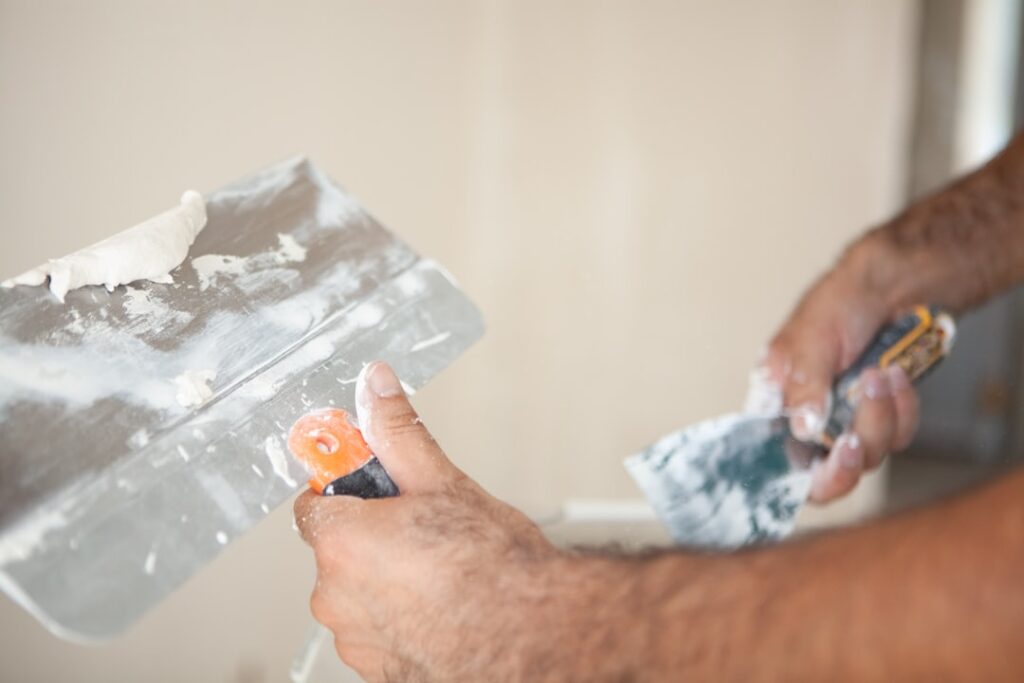
Shopping for the best mold killer for drywall starts with an uncomfortable fact: drywall is gypsum wrapped in paper, and paper is food for mold. The EPA’s remediation table lists HEPA vacuuming, not wiping or spraying, as the cleanup method for small areas of moldy wallboard, and adds removal and disposal once the area grows. That means a bottle can handle light surface growth on sound, painted drywall, lift leftover staining, protect framing after a cut-out, and coat repaired surfaces before repainting. It cannot rescue board that is soft, swollen or growing mold on its back side. The six picks below are matched to those specific jobs, followed by a guide to when the drywall simply has to go.
Part of our Mold Removal & Remediation guide — start there for the full picture →
As an Amazon Associate we earn from qualifying purchases.
How we compared: we compared 18 current Amazon listings for mold sprays, stain removers, a disinfectant and a mold-killing primer on what each listing actually states: the claim it makes (kill, prevent or stain removal), the surfaces it names, whether it states EPA registration, whether it contains or excludes bleach, and the safety directions it gives. Several listings are multipacks or size variants of the same formula, so the 18 listings cover 14 distinct products. We did not lab-test these products or use them hands-on. Prices and availability change often, so check the current listing before buying.
Is this mold, asbestos, or water damage? Get a free instant screen
Upload a clear photo of the suspect area. You'll get an instant AI screening opinion and what to do next. This is screening guidance, not a professional determination.
Screening guidance only. AI can be wrong. Confirm asbestos, mold type, or lead with lab testing or a licensed professional before acting.
Quick picks: the best mold killers for drywall by job
| Pick | Best for | Type | Key detail |
|---|---|---|---|
| Concrobium Mold Control (32 oz) | Light growth on sound, painted drywall | Ready-to-use trigger spray | States EPA registration and names drywall; bleach-free |
| Zinsser Mold Killing Primer | Repainting repaired or cleaned drywall | Water-based primer | Only coating on the shelf; lists an EPA Reg. No. |
| Concrobium Mold Control Aerosol | Open wall cavities and tight corners | 14.1 oz fogging aerosol | Only aerosol fogger here; says it is not a stain remover |
| Vital Oxide (1 gal) | Low-odor treatment near soft furnishings | Ready-to-use disinfectant | Only listing with a soft-surface mildew claim |
| 30 SECONDS Pro | Lifting stains on painted drywall | Scrub-free stain spray | Names drywall, brick and concrete; no kill claim |
| RMR-86 Pro (1 gal) | Stained studs and sheathing after a cut-out | Contractor-grade stain remover | States sodium hypochlorite; names plywood and attics |
The six picks, compared listing by listing
1. Concrobium Mold Control 25326CAL — Best for Sound, Painted Drywall
Bleach-free, EPA-registered mold control spray that names drywall among its surfaces and leaves a protective film.
Check price on Amazon| Specification | Details |
|---|---|
| Format | 32 fl oz ready-to-use trigger spray |
| Claim | Targets existing mold and leaves an invisible film meant to help prevent regrowth |
| Registration | Listing states EPA registration for mold control when used as directed |
| Chemistry notes | Described as containing no bleach, no ammonia and no VOCs; odorless |
| Surfaces named | Drywall, wood, tile, grout, concrete, fabric and other building materials |
| Active ingredient | not stated in listing |
Concrobium 25326CAL — 32 oz spray, EPA-registered per listing, bleach/ammonia/VOC-free, names drywall, prevent-film claim
One of Only Two Listings That Both Name Drywall and State EPA Registration
Eight of the 18 listings name drywall as a surface, and five of the 18 state EPA registration. Only two listings sit in both groups, and both are Concrobium: this trigger spray and its aerosol sibling in pick 3. The other drywall-naming listings are stain removers from 30 SECONDS and RMR that make no registration statement, while the other registered products (Zinsser’s primer, Moldex’s mold killer and Vital Oxide) do not name drywall at all.
The formula also avoids two things that matter on gypsum board. It is one of three listings that state they are bleach-free, and the two Concrobium listings are the only ones on the shelf that also rule out ammonia. Avoiding chlorine bleach removes the worry about mixing incompatible cleaners, and the EPA notes that biocides such as bleach are not recommended as a routine part of mold cleanup anyway. The “invisible barrier” claim is the main reason to choose it over plain detergent: it is meant to slow regrowth on a surface that has been cleaned and dried.
What it will not do is remove staining. The aerosol version’s listing says outright that Concrobium Mold Control is not intended as a stain remover, and the trigger-spray listing does not claim stain removal either. On drywall that has already been discolored, expect a treated but still marked surface, which is where a primer or a stain spray comes in.
Pros
- States EPA registration and names drywall
- Bleach-free, ammonia-free and VOC-free per the listing
- Claims a residual film to help prevent regrowth
- Odorless, which suits bedrooms and finished basements
Cons
- Not a stain remover, so marks may remain
- Active ingredient not stated in listing
- Cannot fix board with mold on the back side or in the core
2. Zinsser Mold Killing Primer 276087 — Best for Repainting Repaired Drywall
Water-based fungicidal primer with a listed EPA Reg. No.; the only paintable coating on this shelf.
Check price on Amazon| Specification | Details |
|---|---|
| Format | Quart (32 fl oz) of white water-based primer |
| Claim | Kills existing mold, mildew and odor-causing bacteria on the coated surface |
| Registration | Lists EPA Reg. No. 87469-1-69587 |
| Function | Fungicidal protective coating that helps cover fungal stains and can be topcoated |
| Uses named | Bathrooms, basements, wall cavities, window frames; residential and commercial |
| Label caveat | Fix all moisture issues first; structurally unsound surfaces go to label remediation guidance |
Zinsser 276087 — quart, water-based fungicidal primer, EPA Reg. No. listed, stain-covering, any-topcoat, moisture fix required first
The Only Primer or Coating Among the 18 Listings
Seventeen of the 18 listings are liquids, foams or gels that are applied and then rinsed, wiped or left to dry. The Zinsser quart is the only product meant to stay on the wall as a paint film. That makes it the tool for the last step of a drywall repair: after the moldy section is cut out and replaced, or after light surface growth on sound board has been cleaned and the wall is fully dry, the primer seals the surface, helps hide residual staining and puts a fungicidal coating under the finish paint.
The listing says the primer can go directly over existing mold without extensive pre-cleaning. The EPA’s homeowner guidance points the other way: it says not to paint or caulk moldy surfaces, to clean up the mold and dry the surface first, and warns that paint applied over mold is likely to peel. Treat the primer as a finishing coat on a cleaned, dry wall, not as a way to bury active growth. Zinsser’s own listing adds that all moisture problems must be fixed first.
The listing names wall cavities among its uses, which is useful when the back of an adjacent stud bay or the inside face of new board needs a protective coat during a repair. It does not state a coverage rate per quart, dry time or recoat time, so check the can.
Pros
- Only coating on the shelf; finishes the repair
- Lists a specific EPA registration number
- Helps cover fungal staining under topcoat
- Water-based, works under any topcoat per the listing
Cons
- Listing’s paint-over-mold wording conflicts with EPA advice
- Coverage, dry time and recoat time not stated in listing
- Does nothing for mold behind the board
3. Concrobium Mold Control Aerosol 27400CAL — Best for Open Wall Cavities
14.1 oz fogging aerosol of the same bleach-free mold control, aimed at corners and hidden areas.
Check price on Amazon| Specification | Details |
|---|---|
| Format | 14.1 oz aerosol producing a fine mist |
| Claim | Destroys existing mold and leaves a film to help prevent future growth |
| Registration | Listing states EPA registration for mold control |
| Chemistry notes | Bleach-free, ammonia-free, VOC-free and odorless per the listing |
| Surfaces named | Drywall, wood, tile, grout, concrete, fabric; test in a hidden spot first |
| Stated limit | Not intended for use as a stain remover |
Concrobium 27400CAL — 14.1 oz fogging aerosol, EPA-registered per listing, bleach-free, names drywall, not a stain remover
The Only Aerosol Fogger and the Only Listing That States It Is Not a Stain Remover
Of the 18 listings, this is the only aerosol, and the only one that describes a fogging mist meant to reach tight spaces, corners and hidden areas. When a section of drywall is opened during a repair, that format reaches the inside face of the remaining board, the edges of studs and the back of the bottom plate more easily than a trigger spray, without soaking the area.
It is also the only listing on the shelf that tells buyers what it does not do. The statement that it is not intended as a stain remover is a useful honesty check for the whole category: killing or controlling mold and removing its stain are different jobs, and most listings do only one of them. Two of the 18 listings tell buyers to test in an inconspicuous area first, and this is one of them.
The smaller can is described as suited to mid-sized jobs and spot treatments. The listing gives no coverage area, and aerosol use inside an opened wall still calls for ventilation and the minimum protective gear the EPA describes for mold work: an N-95 respirator, gloves and goggles.
Pros
- Fine mist reaches corners and opened cavities
- Same bleach-free, EPA-registered formula family as pick 1
- Honest label: says plainly it is not a stain remover
Cons
- Small can for anything beyond spot work
- Coverage area not stated in listing
- Will not lift existing discoloration
4. Vital Oxide 28329 — Best Low-Odor Option Near Soft Furnishings
1-gallon EPA-registered disinfectant with a mildewstat claim on soft surfaces and HVAC use named.
Check price on Amazon| Specification | Details |
|---|---|
| Format | 1 gallon (128 fl oz) ready-to-use liquid |
| Claim | Mildewstat: controls and inhibits mold and mildew growth for up to 4 weeks on soft surfaces |
| Registration and listings | EPA Reg. No. 82972-1; NSF listed (#141392) |
| Other uses named | HVAC systems and air ducts; odor control; hard-surface sanitizing |
| Safety notes stated | Fragrance-free, no VOCs, toxicity category IV per the listing |
| Drywall named | not stated in listing |
Vital Oxide 28329 — 1 gal, EPA Reg. 82972-1, NSF listed, soft-surface mildewstat up to 4 weeks, fragrance-free, HVAC use named
The Only Listing With a Stated Mold Claim on Soft Surfaces
Six of the 18 listings tie at least part of their claims to hard, non-porous surfaces. Vital Oxide is the only listing that describes a mold and mildew claim on soft surfaces, with a stated duration of up to four weeks. That matters in a drywall job because the moldy wall is usually next to carpet, upholstered furniture or stored boxes that were exposed to the same damp air.
It is also the only listing that names HVAC systems and air ducts. Be careful with that: the EPA says not to run an HVAC system you know or suspect is contaminated with mold, and to consult its guidance on duct cleaning before acting. The gallon size is one of three gallon listings on the shelf.
The listing says no PPE is needed for the product itself. That is a statement about the chemical, not about the job. Disturbing moldy drywall releases spores, and the EPA’s minimum recommendation for small mold cleanups is still an N-95 respirator, gloves and goggles. The listing does not name drywall, so this is a supporting product for the room, not the main treatment for the wall.
Pros
- Only stated mold claim for soft surfaces on the shelf
- EPA registration number and NSF listing given
- Fragrance-free with no VOCs per the listing
- Gallon size covers a whole room’s furnishings
Cons
- Does not name drywall as a surface
- No stain-removal claim
- “No PPE needed” does not cover the dust of mold cleanup
5. 30 SECONDS Pro 30SPRO — Best Stain Lifter for Painted Drywall
Scrub-free mold and mildew stain spray that names drywall, brick, concrete and wood; no kill claim made.
Check price on Amazon| Specification | Details |
|---|---|
| Format | 32 fl oz ready-to-use spray |
| Claim | Lifts black mold and mildew stains on contact; apply, watch, rinse where needed |
| Strength | Described as 2x stronger than the brand’s standard outdoor cleaner |
| Surfaces named | Drywall, wood, brick walls, concrete floors, siding, decks, tile and grout |
| Active ingredient | not stated in listing |
| Kill or registration claim | not stated in listing |
30 SECONDS 30SPRO — 32 oz scrub-free stain spray, names drywall and masonry, indoor/outdoor, ingredient not stated
A Stain Remover That Names Drywall Without Claiming to Kill Mold
Eight of the 18 listings put “stain” in the product title, and only two brands among them, 30 SECONDS and RMR, also name drywall. This listing is clear about what it is: a stain remover that brightens surfaces and lifts discoloration without scrubbing. It makes no kill or registration claim, so it pairs with pick 1 rather than replacing it. On painted drywall where light surface growth has been cleaned and dried, a stain lifter can deal with the shadow that remains.
Two listings on the shelf are this formula, a single bottle and a two-pack, which suits a home with several marked walls. The listing does not state the active ingredient, so treat it as a strong oxidizing cleaner until the label says otherwise: ventilate, wear gloves and goggles, and never mix it with ammonia-based products.
Two caveats are specific to drywall. Rinsing “where needed” adds water to a material that should stay dry, so use a damp sponge rather than a flood of water and let the wall dry fully. And a stain that keeps coming back usually means moisture behind the board, which no stain spray addresses.
Pros
- Names drywall among its surfaces
- Scrub-free, which limits surface damage to paper facing
- Also handles brick, concrete and exterior siding
Cons
- No kill or EPA registration claim
- Active ingredient not stated in listing
- Rinse step adds moisture to drywall
- Recurring stains point to a leak it cannot fix
6. RMR-86 Pro RMRPRO (1 gal) — Best for Framing After a Drywall Cut-Out
Contractor-grade sodium hypochlorite stain remover naming plywood, attics, crawlspaces and drywall.
Check price on Amazon| Specification | Details |
|---|---|
| Format | 1 gallon (128 fl oz) ready-to-use solution |
| Chemistry | Deep-penetrating surfactants with sodium hypochlorite |
| Claim | Removes mold and mildew stains quickly without scrubbing or sanding |
| Intended user | Described as created for professional use; flood-damage staining named |
| Surfaces named | Attics, crawlspaces, wood, plywood, drywall, concrete, brick, decks |
| Weight | About 9.3 lb |
RMR-86 Pro RMRPRO — 1 gal, sodium hypochlorite plus surfactants, contractor-grade, names plywood/attics/drywall
The Only Drywall-Naming Listing That States Its Active Chemistry
Of the eight listings that name drywall, this is the only one that states its active chemistry: sodium hypochlorite, the active ingredient in chlorine bleach. It is also the only listing on this shelf that names plywood, attics and crawlspaces together, which describes the framing and sheathing exposed once a moldy section of drywall is removed. That is the most defensible use here. Studs and sheathing that are structurally sound but stained can be cleaned, dried and then primed before new board goes up.
Because it is bleach-based, the EPA’s cautions apply in full. The EPA says never to mix chlorine bleach with cleaners or detergents that contain ammonia because toxic fumes can be produced, to ventilate and exhaust air outdoors when using biocides, and to wear gloves made from natural rubber, neoprene, nitrile, polyurethane or PVC when working with bleach or strong cleaners. The listing calls itself contractor grade and “for professional use,” and its strength claim is the brand’s own marketing.
On drywall itself, this is a stain tool, not a fix. It names drywall, but bleach solutions add water to paper-faced gypsum, and no stain remover changes the EPA’s guidance that moldy wallboard is vacuumed with a HEPA unit when small and removed when larger. The gallon is also heavy for overhead work.
Pros
- States its active chemistry, unlike other drywall-naming stain sprays
- Names plywood, attics and crawlspaces
- Gallon size for whole stud bays
Cons
- Bleach-based: strict no-ammonia, ventilation and glove rules
- Described as for professional use
- Adds water to any drywall it touches
- Stain removal only; no kill claim stated
What a mold killer can and cannot do on drywall
Drywall fails differently from tile or glass. Mold can grow on the face paper, in the gypsum core and on the back paper inside the wall cavity, where it is invisible from the room. The EPA’s remediation guide shows a photo of wallboard that looks fine on the front while the back side is covered in mold. A surface spray reaches only the face.
That is why the EPA’s Table 2 lists a single cleanup method for small areas of moldy wallboard, HEPA vacuuming after the material is dry, and adds removal and bagged disposal for areas from 10 to 100 square feet and above. Damp wiping, which the same table lists for non-porous hard surfaces and wood, is not listed for wallboard. The EPA’s homeowner guidance adds that porous materials may have to be thrown away because mold can fill the spaces and crevices inside them, making complete removal difficult or impossible.
For a deeper walk-through of cleaning versus replacing, see our guide to how to kill mold on drywall, and the companion piece on choosing a mold removal spray for drywall.
Reading the drywall itself before buying anything
Before choosing a product, check the board. The EPA’s water-damage table says wet wallboard may be dried in place if there is no obvious swelling and the seams are intact; if not, it should be removed, discarded and replaced. In practice that gives homeowners a simple sort:
- Sound, painted drywall with light surface spotting (often in bathrooms, closets on exterior walls, or behind furniture): clean, dry, treat with a registered product if desired, then prime and paint once dry.
- Bare paper, soft spots, swelling, bubbling paint or open seams: the board has absorbed water. Plan to cut out and replace, extending past the visible edge.
- Staining that returns or spreads after cleaning: moisture is still reaching the wall from a leak, condensation or the outdoors. Find the source first.
- A patch larger than about 10 square feet, or any water from sewage: the EPA suggests following its professional remediation guidance or hiring an experienced contractor.
Painted drywall behaves better than bare drywall because the paint film slows absorption. That is the main reason a product like pick 1 can be appropriate on painted walls and pointless on a soaked, unpainted basement partition.
The specs that matter on a mold-product label
Kill claim versus stain claim
Listings on this shelf fall into two camps. Products such as Concrobium, Zinsser and Vital Oxide make control, kill or mildewstat claims and state EPA registration. Products such as 30 SECONDS and RMR-86 focus on removing stains and make no registration statement. The EPA’s guidance makes clear that killing mold is not the goal by itself: dead mold may still cause allergic reactions, so it has to be removed, not just treated.
EPA registration number
A product sold to kill or control mold is a pesticide claim, and registered products carry an EPA registration number on the label. Two listings here print the number directly (Zinsser and Vital Oxide); the others that claim registration only say so in words. Confirm the number on the container and follow its directions, since the label is the legal instruction for use.
Bleach content
Three listings state they are bleach-free, and several others are built on bleach. Bleach-based cleaners can lighten stains on hard surfaces, but the EPA does not recommend biocides such as chlorine bleach as a routine practice in mold cleanup. The CDC says that if bleach is used, the solution should be no more than 1 cup of household laundry bleach in 1 gallon of water, never mixed with ammonia or other cleaners, and used with windows open. Our guide to bleach solution for mold covers the ratios and limits, and hydrogen peroxide for mold explains a common alternative.
Surfaces named
Read the surface list literally. Five listings on this shelf tie their mold claims to hard, non-porous surfaces such as tile, laminate or plastic. Drywall is not one of those, so a hard-surface product on gypsum board is being used off-label.
A safer sequence for small drywall mold jobs
- Stop the water. Fix the leak, condensation problem or drainage issue first. The EPA’s first cleanup step is to fix plumbing leaks and other water problems and dry all items completely.
- Size it up. Under roughly 10 square feet is usually a homeowner job, according to the EPA; larger areas warrant professional guidance.
- Gear up. Wear an N-95 respirator, long gloves and goggles without vent holes, per the EPA. Close off the room and keep the HVAC system off if mold is near a return.
- Decide clean or cut. Sound, painted board can be cleaned and dried. Swollen, soft or soaked board gets cut out and bagged.
- Treat exposed framing. Clean sound studs and sheathing, then dry them fully before closing the wall.
- Prime and paint only when dry. The EPA warns that paint applied over moldy surfaces is likely to peel.
Never combine products on the same surface in one session. The CDC warns that mixing bleach with ammonia or other cleaners produces a poisonous gas.
Front Range moisture: where drywall mold actually comes from
Colorado’s Front Range is a dry climate, which helps wet materials dry quickly once a leak is fixed. It also means that mold on drywall here usually points to a specific water source rather than general humidity. Common culprits in Denver, Jefferson, Arapahoe and El Paso county homes include slow supply-line or drain leaks inside walls, roof leaks after hail damage or ice dams, basement foundation seepage after spring storms, window condensation on cold exterior walls in winter, and bathrooms without a working exhaust fan. Bathroom ceilings are a classic case; our guide to how to clean mold off a bathroom ceiling covers that situation.
The CDC recommends keeping indoor humidity no higher than 50 percent and drying out after a flood within 24 to 48 hours. In most Front Range homes that is easy outside a basement, so a wall that stays damp is a clue worth chasing.
When to call a professional instead
A spray is the right tool for a small, surface-level problem on sound drywall with a known and fixed water source. Call for help when the area is larger than about 10 square feet, when the water was sewage or flood water, when there is a musty odor with no visible source (suggesting hidden mold inside the wall), when the HVAC system may be involved, or when anyone in the home has asthma, allergies or a weakened immune system. Not every white or gray spot is mold, either; our guide to mold vs. mildew on walls explains the difference.
An inspector can trace the moisture source with moisture meters and thermal imaging, check the back side of suspect walls, and give a clear scope before anyone starts cutting. Learn more on our mold inspection page, or contact us to be matched with a local inspector.
References
- A Brief Guide to Mold, Moisture and Your Home — U.S. Environmental Protection Agency
- Mold Cleanup in Your Home — U.S. Environmental Protection Agency
- Mold Remediation Guide, Table 1: Water Damage Cleanup and Mold Prevention — U.S. Environmental Protection Agency
- Mold Remediation Guide, Table 2: Mold Remediation Guidelines — U.S. Environmental Protection Agency
- Mold: What to Know — Centers for Disease Control and Prevention
Frequently asked questions
What is the best mold killer for drywall?
For light surface growth on sound, painted drywall, an EPA-registered, bleach-free product that names drywall on its label is the best fit, followed by priming once the wall is dry. No product fixes drywall that is soft, swollen or moldy on the back side. That board should be cut out and replaced.
Can moldy drywall be saved?
Sometimes. The EPA says wet wallboard may be dried in place if there is no obvious swelling and the seams are intact. Once mold has grown into the board, the EPA's remediation table lists HEPA vacuuming for small areas and removal for larger ones, so heavily affected drywall is usually replaced.
Should bleach be used on drywall mold?
Bleach is a poor match for drywall. The EPA does not recommend biocides such as bleach as a routine cleanup practice, and bleach solutions add water to porous gypsum. If any bleach product is used, never mix it with ammonia or other cleaners, and ventilate the room.
Can mold-killing primer be painted over moldy drywall?
The EPA advises against painting or caulking moldy surfaces because paint applied over mold is likely to peel. Clean or replace the affected drywall, fix the moisture source and let the wall dry fully. Then a mold-resistant primer works as a protective coat.
How big a drywall mold problem can a homeowner handle?
The EPA says most people can handle a moldy area under about 10 square feet themselves with an N-95 respirator, gloves and goggles. Larger areas, sewage or flood water, hidden mold, or HVAC involvement call for an experienced professional.
Seeing stains come back on the same wall in a Front Range home? Get in touch here to connect with a vetted local inspector who can find the moisture source before the repair.
Mold removal & cleanup picks
For a small, contained patch (under ~10 sq ft) these EPA-friendly removers handle surface mold. Larger or recurring growth warrants a professional assessment first.
| Product | Why | Buy |
|---|---|---|
 RMR-86 Instant Mold Stain Remover RMR-86 Instant Mold Stain Remover | Fast-acting on stains; ventilate and wear PPE. | Amazon — $29.99 |
 Concrobium Mold Control Concrobium Mold Control | No-bleach formula that also helps prevent regrowth. | Amazon — $11.26 |
 Mold Armor Mold & Mildew Remover Mold Armor Mold & Mildew Remover | Widely stocked bathroom/surface remover. | Amazon — $22.98 |