Household Mold Killer: Products and Safe Use
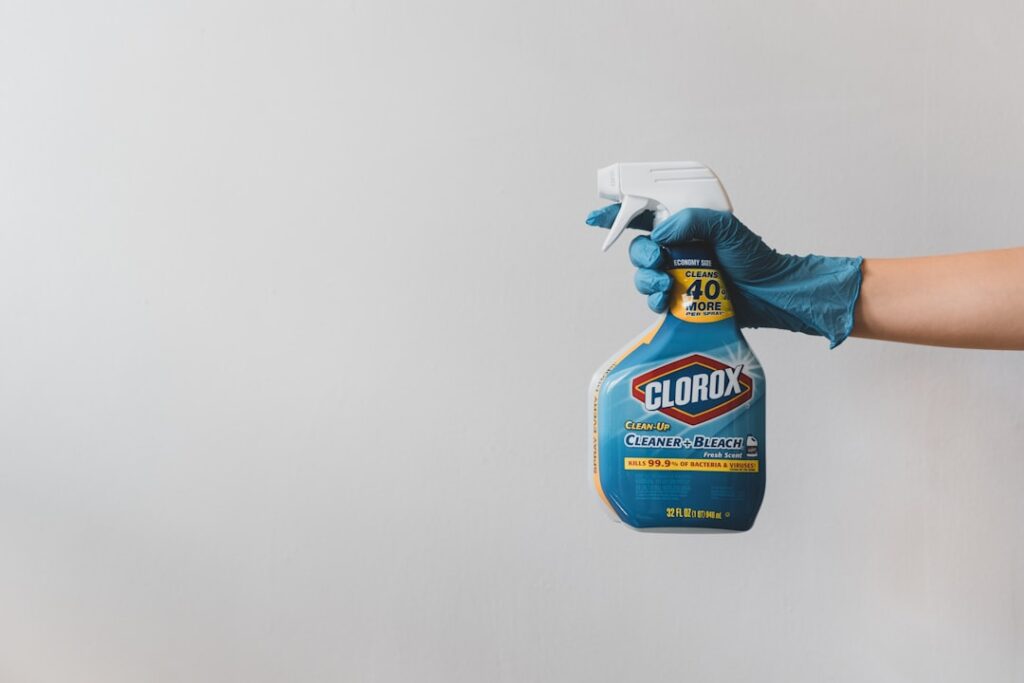
A household mold killer is the first thing most people reach for after spotting growth on a bathroom wall or basement corner, and used correctly it has a real place in the cleanup. The catch is that killing mold and solving a mold problem are not the same thing. This guide summarizes EPA and CDC guidance current as of 2026 and explains which common products work, how to use them without harming yourself, and why a dead colony left in place is still a problem. It is informational, not medical advice, so persistent symptoms belong with a physician and large jobs with a certified professional.
Is this mold, asbestos, or water damage? Get a free instant screen
Upload a clear photo of the suspect area. You'll get an instant AI screening opinion and what to do next. This is screening guidance, not a professional determination.
Screening guidance only. AI can be wrong. Confirm asbestos, mold type, or lead with lab testing or a licensed professional before acting.
What a Household Mold Killer Can and Cannot Do
A mold killer is a cleaning product, not a cure. Its job is to kill and help remove visible surface growth, and the better products do that well on hard, nonporous surfaces. What no product can do is fix the moisture that grew the mold in the first place, or fully extract growth that has rooted into porous material like drywall and wood. The EPA is blunt on this point: controlling moisture is the key, and without it mold returns no matter how thoroughly you treat the surface.
The EPA also advises against relying on biocides or disinfectants as a routine mold-cleanup method, because in most cases physical removal of the mold is what matters, not chemically sterilizing the area. That reframes the whole task. A spray that kills the colony but leaves dead spores and stained material behind has done half the job at best, and on porous surfaces it may have done very little.
Common Household Mold-Killer Products
The shelf offers several options, each with strengths and limits worth knowing before you choose.
Detergent and Water
The EPA’s baseline recommendation for many situations is plain soap or detergent and water, followed by thorough drying. It physically removes mold from hard surfaces, which is the actual goal, without introducing harsh fumes. For routine surface mold this unglamorous option is often all that is needed.
Chlorine Bleach
Diluted bleach is the classic mold killer and works on hard, nonporous surfaces like tile and glazed fixtures. Its weakness shows on porous materials: the water in bleach soaks in while the disinfectant largely stays on top, so the surface looks clean while roots survive underneath. Bleach also gives off irritating fumes and must never be mixed with ammonia or other cleaners, a combination that produces toxic gas.
White Vinegar and Hydrogen Peroxide
Distilled white vinegar is a milder option that many homeowners use on hard surfaces with less fume risk, and hydrogen peroxide at common drugstore strength is another gentler choice. Both suit smaller jobs and people who want to avoid bleach, though they generally take more contact time and effort. For a fuller comparison of these approaches, the overview of mold-killing solutions, DIY and commercial lays the options side by side.
Using a Mold Killer Safely
Cleaning mold disturbs it, which sends spores into the air, so protection is not optional. Wear an N95 respirator, gloves, and eye protection, and the CDC recommends covering skin to avoid contact with both mold and the cleaning chemicals.
Ventilation is the second pillar. Open windows and run an exhaust fan, but isolate the work area from the rest of the home so you do not spread spores while you clean. Never mix products, especially bleach with anything containing ammonia. Apply the product, give it the contact time the label specifies, and physically scrub and wipe the growth away rather than only spraying and leaving it. The point is removal, not just a chemical kill. People with asthma, allergies, or weakened immune systems should let someone else handle the cleanup, and recognizing how a mold allergy can feel helps you decide whether to step back from the job.
Matching the Product to the Surface
The right mold killer depends far more on what the surface is than on which brand sits on the shelf. Surfaces fall into two camps, and they call for different treatment. Hard, nonporous materials such as glazed tile, glass, metal fixtures, sealed countertops, and finished trim release mold from their surface, so detergent and water, or a disinfectant on truly tough spots, can clean and dry them successfully. These are the surfaces where a household mold killer does its best work.
Porous materials are a different story. Drywall, ceiling tile, carpet, carpet pad, upholstery, and bare wood absorb both moisture and mold roots, and no surface spray reliably reaches what has grown inside them. The EPA’s guidance for porous materials that have become moldy is usually removal and replacement rather than cleaning, because a sprayed-and-wiped piece of drywall can look clean while the colony survives in the gypsum behind the paper. Semi-porous wood that is structurally important may sometimes be cleaned and dried by a professional, but for most homeowners a moldy porous item is a candidate for the trash, not the scrub brush. Recognizing which camp a surface belongs to prevents the common mistake of spraying drywall and assuming the job is done.
Cleaning Step by Step on a Hard Surface
For a small patch on a hard, nonporous surface, a careful sequence does the job. Put on your N95 respirator, gloves, and eye protection first, and open a window or run an exhaust fan while isolating the room from the rest of the home. Lightly mist the area with water before you begin, which keeps loose spores from puffing into the air the moment you disturb them.
Apply your chosen cleaner, whether detergent solution, diluted bleach, vinegar, or hydrogen peroxide, and give it the contact time the label or method calls for rather than wiping it off immediately. Then scrub the growth physically with a brush or cloth, because the mechanical removal is what actually clears the mold, not the chemical sitting on top. Wipe the surface clean and, critically, dry it thoroughly, since lingering moisture invites regrowth within days. Bag and discard used cloths and any disposable materials, and wash or discard cleaning tools that contacted the mold. The whole point is to leave the surface clean and dry, not merely treated.
Why Killing the Mold Is Not Enough
This is the section most product labels skip. Even a perfect chemical kill leaves two problems behind, and ignoring them is why mold so often comes back within weeks.
First, dead mold is not harmless. The CDC and EPA note that dead spores and mold fragments can still trigger allergic reactions, so the material must be physically removed, not merely sterilized in place. A bleached-but-still-present stain is not a finished job. Second, and more important, the moisture that fed the mold is still there. If a leaking pipe, poor ventilation, or basement seepage created the conditions, those conditions will grow a new colony on the same spot. The EPA frames this as the central rule of mold control: fix the water problem, then remove the mold. Treating the symptom while leaving the cause guarantees a repeat, a trap explained well in the guide to why killing mold and mildew is not enough on its own.
Moisture Control: The Step That Actually Works
If killing mold treats the symptom, controlling moisture treats the disease. After cleanup, hunt down and fix the water source. Repair plumbing leaks and roof leaks promptly, and dry any wet material within 24 to 48 hours, the window before mold takes hold.
Then manage humidity for the long term. The EPA recommends keeping indoor relative humidity below about 60 percent, and ideally between 30 and 50 percent, using exhaust fans in bathrooms and kitchens, a dehumidifier in damp basements, and good airflow. Address condensation by insulating cold surfaces and improving ventilation where moist air collects. In Colorado, the dry climate masks this need until a finished basement, an ice-dam leak, or a tightly sealed modern home creates a damp pocket, so Front Range homeowners benefit from the same humidity discipline as anyone in a wetter region.
Mistakes That Make Mold Worse
A few common habits actively backfire. Painting over mold is the most frequent, because mold-killing primers and ordinary paint may hide the stain for a while but do nothing about the moisture or the living growth underneath, and the colony eventually pushes through the new coat. Mixing cleaning products is the most dangerous mistake, since combining bleach with ammonia or with certain acidic cleaners releases toxic gases; use one product at a time and ventilate.
Spraying without scrubbing leaves dead and living mold in place, treating the color rather than the colony. Skipping protective gear means breathing the very spores you stirred up. Cleaning a large area as if it were a small one spreads spores across the home and overwhelms a homeowner’s tools. And the quiet error behind all of these is ignoring the water source, which guarantees the mold returns no matter how careful the cleaning was. Avoiding these missteps matters as much as picking the right product, and the broader look at how to stop mold from spreading reinforces why containment and moisture control sit at the center of any real fix.
When to Stop Cleaning and Call a Professional
A household mold killer suits small, contained jobs, but some situations have outgrown a spray bottle. The EPA suggests that a homeowner can generally handle mold covering less than about ten square feet of hard surface. Beyond that, the calculus changes.
Call a professional when growth covers a large area, when it has invaded porous materials like drywall, carpet, or insulation that cannot be surface-cleaned, when the mold followed sewage or major flooding, when it keeps returning despite cleanup and moisture fixes, or when someone in the home has a serious respiratory condition. A professional also offers testing to confirm hidden extent and clearance to verify the work. For the bigger picture of when DIY ends and expertise begins, the hub on mold inspection and testing for homeowners connects the cleanup to the diagnosis behind it.
Preventing the Next Outbreak
The most effective mold killer is the dampness you never let build up, so prevention deserves the same attention as cleanup. After you have removed growth and fixed the immediate water source, shift to keeping conditions hostile to mold over the long term. Ventilation is the workhorse: run bathroom and kitchen exhaust fans during and after showers and cooking, and make sure they vent outside rather than into an attic. In a basement that runs damp, a dehumidifier set to hold relative humidity in the 30-to-50 percent range does steady, invisible work.
Stay ahead of small leaks, since a dripping trap or a weeping supply line feeds mold long before it becomes visible. Wipe down shower walls and squeegee glass to cut standing moisture, keep furniture a few inches off exterior walls so air can move behind it, and address window condensation through better insulation and airflow. Catching wet materials within the 24-to-48-hour window before mold takes hold is the single highest-value habit. For homeowners who want a durable routine rather than a one-time fix, the guidance on how to prevent mold turns these scattered habits into a maintenance plan that keeps the spray bottle in the cabinet.
References
- Mold Cleanup in Your Home — U.S. Environmental Protection Agency
- A Brief Guide to Mold, Moisture and Your Home — U.S. Environmental Protection Agency
- About Mold and Cleanup Safety — Centers for Disease Control and Prevention
If mold keeps returning or has spread beyond a quick clean, talk with a vetted Front Range inspector through our contact page about testing and the moisture source.
Mold removal & cleanup picks
For a small, contained patch (under ~10 sq ft) these EPA-friendly removers handle surface mold. Larger or recurring growth warrants a professional assessment first.
| Product | Why | Buy |
|---|---|---|
 RMR-86 Instant Mold Stain Remover RMR-86 Instant Mold Stain Remover | Fast-acting on stains; ventilate and wear PPE. | Amazon — $25.99 |
 Concrobium Mold Control Concrobium Mold Control | No-bleach formula that also helps prevent regrowth. | Amazon — $13.48 |
 Mold Armor Mold & Mildew Remover Mold Armor Mold & Mildew Remover | Widely stocked bathroom/surface remover. | Amazon — $22.98 |