Prevent Mold: A Home Moisture-Control Checklist
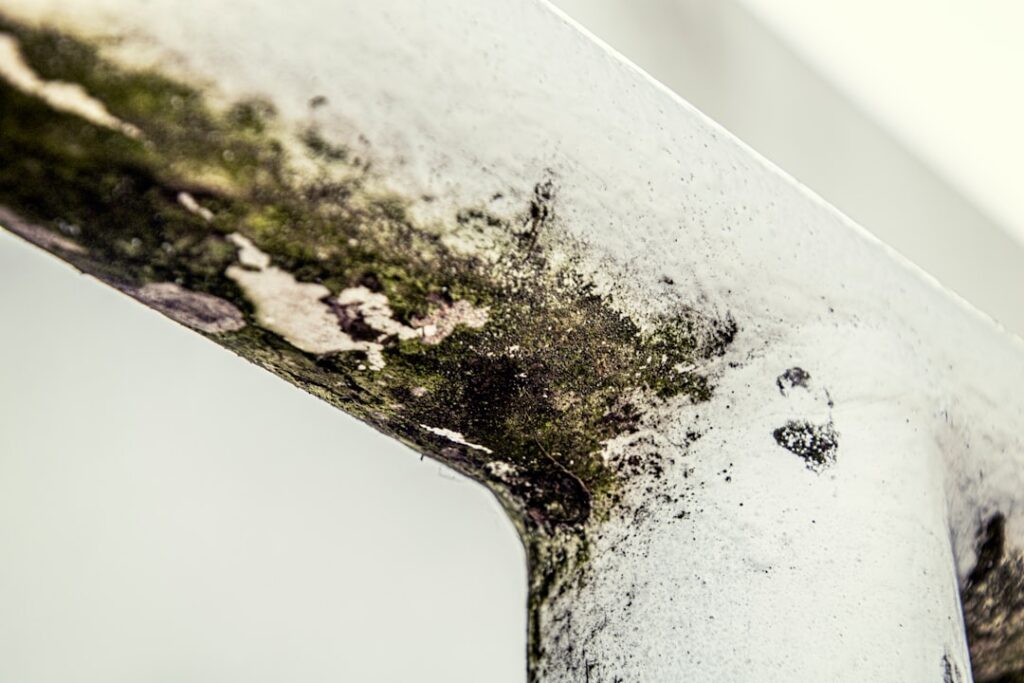
Mold removal is reactive and expensive; prevention is cheap and almost entirely within your control. Because mold cannot grow without moisture, nearly every prevention strategy comes down to keeping your home dry. This guide is a practical checklist to prevent mold, organized around moisture control, leak repair, and ventilation, with notes on the Front Range’s low-humidity climate. It summarizes EPA and CDC guidance current as of 2026 and is for general education only; consult a physician for health symptoms and a certified professional for testing and removal decisions.
Part of our Types of Mold guide — start there for the full picture →
Is this mold, asbestos, or water damage? Get a free instant screen
Upload a clear photo of the suspect area. You'll get an instant AI screening opinion and what to do next. This is screening guidance, not a professional determination.
Screening guidance only. AI can be wrong. Confirm asbestos, mold type, or lead with lab testing or a licensed professional before acting.
How to Prevent Mold: The Core Principle
Every effective prevention step traces back to one rule: no moisture, no mold. The EPA states plainly that the way to control indoor mold is to control moisture. Mold spores are everywhere, indoors and out, and they cannot be eliminated from the air. What you can eliminate is the water they need to grow. Keep surfaces and materials dry, and spores have nowhere to take hold.
That reframes the whole task. Instead of fighting mold directly, you manage humidity, fix leaks promptly, and move damp air outside. Do those three things consistently and mold rarely gets a foothold in the first place.
Moisture Control: Manage Humidity
Indoor humidity is the foundation of prevention. The EPA recommends keeping relative humidity below 60 percent, and ideally between 30 and 50 percent. Above that range, condensation forms on cool surfaces and growth becomes possible even without a leak.
Practical Steps
Place an inexpensive hygrometer in damp-prone rooms and watch the readings. Run a dehumidifier in basements, crawl spaces, and any consistently humid area. Use air conditioning in warm months, since it dehumidifies as it cools. Limit indoor moisture generators: vent the dryer outside, cover simmering pots, and avoid drying laundry indoors when possible. Wipe condensation from windows and cold pipes before it pools.
If you find dampness you cannot explain, treat it as a clue to a hidden source rather than something to wipe away repeatedly. Our guide on preventing mildew on surfaces covers the day-to-day side of humidity control in more detail.
Best Air Purifiers for Mold: our top 3 picks
| Product | Best for | Key features | Price | Buy |
|---|---|---|---|---|
| Clorox Medium Room 11030 | Best overall for mold-prone rooms |
| $90.24as of Nov 25, 2026 4:29 pm GMT+0000 | Buy now →Check current price |
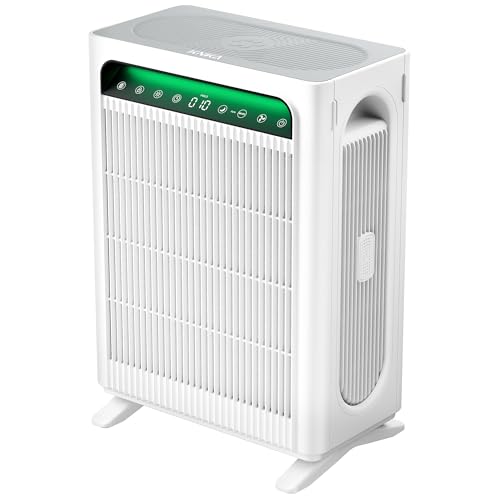
| KNKA APH4000 | Best for basements |
| $94.99as of Nov 25, 2026 4:29 pm GMT+0000 | Buy now →Check current price |
| Coway Mighty AP-1512HH | Best for open living areas |
| $143.99as of Nov 25, 2026 4:29 pm GMT+0000 | Buy now →Check current price |


Prices are Amazon’s listed prices as of the time shown and change often; check Amazon for today’s price. As an Amazon Associate we earn from qualifying purchases.
Leak Repair: Fix Water Fast
Most serious mold problems start with a leak that was ignored or never noticed. The EPA notes that wet materials should be dried within 24 to 48 hours to prevent mold growth, so speed matters enormously. A small drip addressed today prevents a wall-cavity colony next month.
Where to Look
Inspect plumbing under sinks, around toilets, and behind appliances for slow leaks and staining. Check the roof, flashing, and attic for water entry, and clear gutters so they carry water away from the structure. Confirm that grading slopes away from the foundation; ground that channels water toward the house drives basement moisture. Examine window and door seals, and re-caulk where gaps have opened.
After any spill, overflow, or leak, dry the area thoroughly and quickly, removing porous materials that cannot be fully dried. The faster wet materials return to dry, the less chance mold has to establish. The broader mold inspection and testing hub explains how inspectors trace these moisture pathways.
Ventilation: Move Damp Air Out
Ventilation removes humid air before it condenses on surfaces. Run bathroom exhaust fans during showers and for 15 to 20 minutes after, and verify they vent outdoors. Use a vented range hood when cooking. Keep air circulating throughout the home by opening interior doors, leaving space behind furniture on exterior walls, and opening windows when outdoor humidity is low.
Basements and crawl spaces need particular attention because still, damp air collects there. Adequate ventilation, sometimes supplemented by a dehumidifier, keeps these spaces dry. Attics require ventilation too, so trapped moisture does not condense on the underside of the roof and feed growth on the sheathing.
Front Range Low-Humidity Context
Colorado’s climate gives Front Range homeowners a genuine advantage. The region’s air is generally dry, which keeps whole-home humidity naturally low and slows many molds compared with humid coastal areas. That does not mean mold is absent here; it means it tends to concentrate in localized wet spots rather than spreading broadly.
The usual Front Range trouble areas are basements with ground moisture, bathrooms with weak ventilation, and homes with grading or gutter problems that direct snowmelt and rain toward the foundation. Evaporative swamp coolers, common in the dry climate, add indoor humidity by design and can create damp conditions if not managed. The prevention playbook is the same, but the dry baseline means a single corrected leak or improved fan often resolves the problem cleanly.
A Quick Prevention Checklist
Use this as a recurring routine. Keep indoor humidity between 30 and 50 percent and check it with a hygrometer. Fix any leak and dry wet materials within 24 to 48 hours. Run and verify exhaust fans in bathrooms and kitchens. Clean gutters and confirm grading slopes away from the foundation. Use a dehumidifier in basements and crawl spaces. Insulate cold pipes to stop condensation. Leave airflow around furniture and inside closets. Inspect high-risk spots seasonally and act on dampness early.
None of these steps is complicated, and together they remove nearly every opportunity mold has to grow.
Stopping Mold at the Building Envelope
The most durable prevention starts at the building envelope, the roof, walls, windows, and foundation that separate inside from outside. Keeping water out of the structure entirely is more effective than managing it once it gets in. That means maintaining the roof and flashing, sealing window and door gaps, and ensuring siding and exterior finishes shed water rather than trapping it.
The foundation deserves particular attention. Grading should slope away from the house so rain and snowmelt drain off rather than pooling against the walls, and downspouts should carry roof water several feet from the foundation. Inside, proper insulation and air sealing reduce the cold surfaces where indoor humidity condenses. When the envelope does its job, the interior stays dry with far less effort, since the largest water sources never reach the materials mold would feed on. Envelope maintenance is the quiet, high-leverage layer of mold prevention that many homeowners overlook in favor of reactive cleaning.
How Ventilation Systems Support Prevention
Mechanical ventilation does much of the moisture management that prevents mold, and understanding the pieces helps you use them well. Bathroom and kitchen exhaust fans remove humid air at the source, but only if they vent outdoors and are actually used; a fan venting into an attic simply relocates the moisture. Confirming that fans terminate outside is a worthwhile check.
Whole-home systems matter too. Air conditioning dehumidifies as it cools, and a properly functioning HVAC system with a clear condensate drain manages indoor moisture across the home. In tightly sealed modern homes, dedicated ventilation may be needed to exchange stale, humid indoor air for drier outdoor air. Dehumidifiers fill the gap in basements and crawl spaces that other systems do not reach. Treating ventilation as an active part of moisture control, rather than an afterthought, keeps humidity in the safe range that denies mold the conditions it needs.
Room-by-Room Prevention
General principles land better when applied to specific spaces. In bathrooms, the highest-risk room, run the exhaust fan during and after every shower, squeegee wet surfaces, and re-caulk gaps before they trap water. In kitchens, vent the range hood outdoors, wipe condensation behind sinks and appliances, and check the refrigerator drip pan.
Basements and crawl spaces need humidity control and often a dehumidifier, plus a vapor barrier where bare soil is exposed. In laundry areas, vent the dryer outside and inspect washer hoses for slow leaks. Bedrooms and living spaces are usually low risk, but watch closets on exterior walls and avoid pressing furniture flat against cool walls. Attacking each room’s specific moisture sources is more effective than a single whole-home rule applied loosely.
Seasonal Prevention for Colorado Homes
The Front Range’s distinct seasons each bring their own moisture challenges, and matching prevention to the calendar works better than a static routine. Winter’s main risk is condensation as warm indoor air meets cold windows and exterior walls; the fixes are wiping condensation, ventilating wet rooms, and improving insulation and air sealing on cold surfaces.
Spring brings snowmelt, so this is the season to confirm grading slopes away from the foundation, clear gutters, and check the basement perimeter after thaws. Summer introduces cooling systems and evaporative coolers, which add indoor humidity by design, so monitor levels and maintain the cooler pads. Fall is a good time to inspect the roof and seal gaps before winter. Rotating your attention through the seasons catches each source as it appears.
Tools That Support Mold Prevention
A handful of inexpensive tools make prevention easier and more reliable. A hygrometer is the most valuable, giving you a constant read on whether humidity sits in the safe 30 to 50 percent range. A dehumidifier handles the damp spaces a hygrometer flags, and a basic moisture meter lets you check whether a suspicious surface is genuinely wet.
Beyond instruments, the practical kit includes good exhaust fans that actually vent outdoors, pipe insulation to stop condensation on cold lines, and quality caulk and weatherstripping to close the gaps where water and humid air sneak in. None of these is expensive, and together they automate much of the moisture control that prevents mold, reducing how much depends on remembering to do things by hand.
Prevention When Buying or Renovating a Home
Two moments offer outsized opportunities to build mold prevention into a home: purchase and renovation. When buying, a thorough inspection that includes moisture assessment reveals existing problems and the conditions that could cause them, letting you address grading, drainage, ventilation, or leaks before they become your problem. Asking about the home’s water history and any past flooding informs what to watch.
During renovation, the walls are open and the opportunity is rare. This is the time to improve insulation and air sealing on cold exterior walls, upgrade bathroom and kitchen ventilation, add a vapor barrier in a crawl space, and ensure proper drainage around the foundation. Choosing moisture-resistant materials in wet areas, and confirming that any new plumbing is sound, prevents problems that would otherwise stay hidden behind finished surfaces for years. Folding prevention into these milestones is far cheaper and more effective than retrofitting fixes after growth has already appeared, since you are working with the structure exposed rather than fighting through finished walls.
When Prevention Is Not Enough
Even diligent homeowners occasionally face growth after a hidden leak or a flood. If you find visible mold, address the moisture first, then clean hard surfaces and remove porous materials that absorbed water. The EPA suggests homeowners can generally handle visible growth under about 10 square feet, while larger areas, hidden growth, recurring problems, or any case involving a household member with respiratory concerns warrant a certified professional, with a physician consulted for any symptoms. Strong prevention, though, keeps most homes from ever reaching that stage.
More Questions About Mold Prevention
Does bleach prevent mold from coming back?
No, bleach does not prevent mold from coming back. Bleach can remove surface staining on hard, nonporous materials, but it leaves no lasting protection and does not fix the moisture that allowed mold to grow.
On porous materials such as drywall and wood, bleach’s water content can soak in while the active ingredient stays near the surface. Lasting prevention depends on drying: fixing leaks, keeping indoor humidity below about 50 to 60 percent, and ventilating damp rooms. Once those are under control, routine cleaning with detergent and water is usually enough.
Do air purifiers help prevent mold?
Air purifiers with HEPA filters can capture airborne mold spores, but they do not prevent mold growth on surfaces. Mold grows where moisture is present, not because spores are in the air.
Spores exist in almost every indoor and outdoor environment. A purifier may help people with allergies feel more comfortable, especially in bedrooms, but it will not stop mold on a damp wall, window frame, or basement floor. Dehumidifiers, exhaust fans, leak repairs, and drainage fixes address the cause, so they belong ahead of an air purifier in a prevention budget.
How do you prevent mold in a bathroom without a window?
A bathroom without a window needs a working exhaust fan that vents outdoors, run during every shower and for at least 20 to 30 minutes afterward. Mechanical ventilation is the main defense in a windowless room.
- Check that the fan actually pulls air by holding a tissue near the grille.
- Install a humidity-sensing or timer switch so the fan runs long enough.
- Squeegee shower walls and hang towels to dry outside the room.
- Leave the door open after showering.
Fans that vent into the attic instead of outdoors can move the mold problem upstairs.
What is the best way to prevent basement mold?
The best way to prevent basement mold is to keep water out and keep humidity down. Basements are cool and below grade, so they collect moisture easily.
Start outside by extending downspouts several feet from the foundation and making sure soil slopes away from the walls. Inside, run a dehumidifier set around 50 percent, insulate cold water pipes that sweat, and avoid storing cardboard boxes directly on concrete floors. Finished basements need extra care, because drywall and carpet hide early moisture. A hygrometer gives an early warning when humidity creeps up in summer.
Does running the furnace fan help prevent mold?
Running the furnace fan can help a little by circulating air and evening out humidity between rooms, but it is not a mold prevention strategy on its own. The fan does not remove moisture from the house.
Circulation can reduce damp, stagnant pockets in closed rooms and help a whole-house dehumidifier or humidifier work evenly. Running the fan constantly raises electricity use and can pull dust and spores through the ducts if filters are poor. A good-quality filter, sealed ductwork, and source moisture control give better results.
References
- A Brief Guide to Mold, Moisture and Your Home — U.S. Environmental Protection Agency
- Mold Cleanup in Your Home — U.S. Environmental Protection Agency
- About Mold and Your Health — Centers for Disease Control and Prevention
Frequently asked questions
What is the best way to prevent mold?
Control moisture. The EPA states the way to control indoor mold is to control moisture, since spores are everywhere but cannot grow without water. Keep humidity between 30 and 50 percent, fix leaks fast, and ventilate damp air outside.
How quickly should I dry water to prevent mold?
Within 24 to 48 hours. The EPA notes that drying wet materials within this window prevents mold from establishing. After any spill, leak, or flood, dry the area thoroughly and remove porous materials that cannot be fully dried.
Does Colorado's dry climate prevent mold?
It helps. The Front Range's dry air keeps whole-home humidity naturally low and slows many molds, so growth tends to concentrate in localized wet spots like basements, poorly ventilated bathrooms, and homes with grading problems rather than spreading broadly.
What humidity level prevents mold growth?
Keep indoor relative humidity below 60 percent, and ideally between 30 and 50 percent. Above 60 percent, condensation forms on cool surfaces and growth becomes possible even without a leak. A hygrometer and dehumidifier help maintain the target range.
Does vinegar prevent mold from growing?
Vinegar may slow mold on some hard surfaces, but it does not provide reliable long-term mold prevention. Its mild acidity breaks down quickly, and it does nothing about moisture. Keeping surfaces dry, fixing leaks, and controlling humidity prevent mold far better than any cleaning solution left on a surface.
How do you prevent mold behind furniture against exterior walls?
Preventing mold behind furniture starts with leaving a gap of a few inches between large pieces and exterior walls so air can circulate. Cold exterior walls collect condensation, especially in winter, and furniture traps that moisture against the wall where mold can grow unnoticed.
Can mold grow in a house that is closed up for months?
Yes, mold can grow in a closed-up house, especially in humid climates or after an unnoticed leak. Leaving the HVAC system or a dehumidifier running, shutting off the main water supply, and having someone check the home periodically greatly reduces the risk.
Want help spotting the moisture risks specific to your Front Range home? You can reach a vetted local inspector through our contact page for a prevention-focused assessment.