Mold Killer Spray for Walls: A Homeowner’s Guide
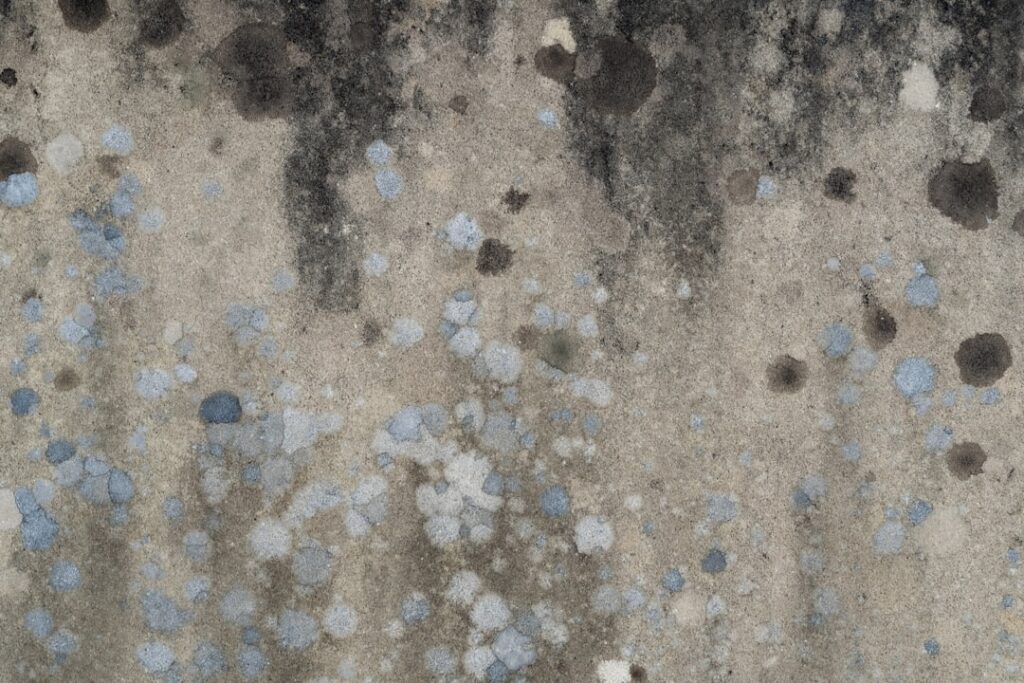
A spray bottle and ten minutes feels like the easiest answer to a mold patch creeping across a wall. Sometimes it is. A mold killer spray for walls can clear surface growth on painted drywall, tile, and trim when the problem is caught early and the moisture behind it is fixed. This guide summarizes EPA and CDC guidance current as of 2026 for general orientation; it is not medical advice. For ongoing symptoms see your physician, and for large or recurring growth bring in a certified professional rather than relying on a bottle.
Part of our Mold Removal & Remediation guide — start there for the full picture →
Is this mold, asbestos, or water damage? Get a free instant screen
Upload a clear photo of the suspect area. You'll get an instant AI screening opinion and what to do next. This is screening guidance, not a professional determination.
Screening guidance only. AI can be wrong. Confirm asbestos, mold type, or lead with lab testing or a licensed professional before acting.
Does Mold Killer Spray for Walls Actually Work?
On the right surface and the right size of problem, yes. Sprays work by either killing the fungal organism or denaturing it so it can be wiped away, and many also lift the staining that mold leaves behind. The key word is surface. A spray reaches what it can wet, so it handles colonies sitting on top of paint, sealed wood, or glazed tile far better than growth that has rooted into porous material.
The EPA’s position is consistent: visible mold should be removed, and the moisture source corrected, regardless of product. A spray that clears a patch without addressing why the wall was damp simply resets the clock. Within weeks the colony usually returns, sometimes larger, because the conditions that fed it never changed. Treat spraying as one step in a two-part job: remove the growth, then end the moisture.
Types of Mold Killer Spray and What They Contain
Products fall into a few broad chemistries, and the best choice depends on your wall surface.
Bleach-Based Sprays
Sodium hypochlorite solutions kill surface mold and bleach away dark stains quickly, which makes walls look clean fast. They work best on hard, non-porous surfaces like tile and sealed grout. On porous drywall, bleach struggles because the water in the solution soaks in while the active chlorine stays on top, leaving roots behind. Bleach also gives off fumes and damages many finishes, so ventilation and caution matter.
Hydrogen Peroxide and Botanical Sprays
Three to ten percent hydrogen peroxide kills many molds, penetrates a bit better than bleach on porous surfaces, and breaks down into water and oxygen. Plant-derived sprays built around thyme oil or similar compounds appeal to households wanting lower-odor options. Both are gentler on finishes but may need longer dwell times and repeat applications.
Vinegar and Borate Solutions
Distilled white vinegar kills a meaningful share of common household molds and is inexpensive and low-toxicity, though it leaves staining behind and works slowly. Borate-based sprays leave a residue that discourages regrowth, which suits framing and unfinished surfaces. Our deeper look at vinegar for mold covers where this household option holds up and where it falls short.
Matching the Spray to Your Wall Surface
The single biggest factor in whether a spray succeeds is what the wall is made of. Glazed tile and sealed grout in a bathroom take aggressive sprays well and rinse clean. Painted drywall is trickier: the paint layer is non-porous, but any breach lets moisture into the gypsum core, and saturated drywall rarely recovers from spraying alone.
Unsealed wood, raw drywall, and wallpaper absorb both the mold and the spray, which limits how deep the active ingredient travels. On these materials a spray may clear the visible surface while the colony survives below. If a patch keeps coming back after two careful treatments, the wall material is likely compromised and removal of the affected section becomes the realistic path. Our guide on how to clean mold off walls walks through that judgment call.
How to Apply Mold Killer Spray Safely
Preparation protects you and improves results. Ventilate the room by opening windows and running a fan vented outdoors, not into the rest of the house. Wear an N95 respirator, gloves, and eye protection, because spraying and scrubbing send spores airborne. Cover nearby furnishings and flooring.
Apply the product so the surface stays visibly wet, and respect the dwell time on the label; most actives need several minutes of contact to work. Scrub gently with a soft brush or cloth, then wipe the residue and let the area dry completely. Drying is not optional. Any leftover dampness invites the colony straight back. For stubborn staining, a second application after full drying often finishes the job. Never mix bleach with ammonia or vinegar, which creates toxic gases.
How Long Results Last After Spraying
A fair question after any treatment is how long the wall stays clear, and the honest answer depends almost entirely on the moisture, not the product. On a wall where the dampness has been fixed, a properly sprayed and dried surface can stay mold-free indefinitely, because the conditions that fed the colony are gone. On a wall where the moisture persists, even the best spray buys only weeks before the growth returns. The spray’s durability is really the moisture fix’s durability in disguise, which is why chasing a stronger product rarely solves a recurring problem.
When Spraying Is Not Enough
Some situations are beyond what a bottle can fix. The EPA suggests homeowners can often handle areas under roughly ten square feet, with proper protection. Beyond that size, or when mold appears in the HVAC system, follows sewage or flooding, or keeps returning despite repeated cleaning, the problem is structural rather than cosmetic.
Recurring growth is the clearest signal. It almost always means a hidden moisture source, a roof or plumbing leak, condensation inside the wall cavity, or chronic high humidity, that spraying cannot reach. A certified inspector can use moisture meters and sometimes thermal imaging to find the wet zone behind the paint. The mold inspection and testing hub explains how that assessment works and when remediation, not retail spray, is the right call.
Common Mistakes When Spraying Walls
Most spray failures trace to a handful of avoidable errors. The first is treating the symptom and ignoring the source. A wall does not grow mold by accident; something keeps it damp. Spraying without finding that moisture guarantees the colony returns, often within a week or two, leaving homeowners convinced the product failed when the real failure was skipping the diagnosis.
The second mistake is rushing the dwell time. Active ingredients need minutes of wet contact to kill mold, and a quick spritz and wipe removes the visible surface while leaving living growth behind. The third is over-wetting porous walls. Soaking drywall to “really get it” drives moisture into the gypsum core, which can worsen the very problem you are trying to solve. A controlled application that keeps the surface wet without flooding it works better.
Scrubbing too aggressively is another error, because it can grind spores deeper into a porous surface and abrade paint, spreading the problem. And mixing products in hope of a stronger result is genuinely dangerous: combining bleach with ammonia or with acidic cleaners like vinegar releases toxic gases. Using one product at a time, as labeled, is both safer and more effective. Our guide on how to remove black mold walks through the correct sequence in more detail.
Protective Gear and Ventilation Basics
Spraying mold disturbs it, and disturbed mold sends spores into the air you breathe. That makes protection a practical necessity, not an afterthought. An N95 respirator filters the fine spores that a cloth dust mask misses, and it is inexpensive enough that there is no reason to skip it. Gloves protect skin from both the mold and the chemicals, and goggles keep spray and spores out of the eyes, which matters more than people expect when working on a wall above head height.
Ventilation does double duty. It clears chemical fumes, especially important with bleach, and it carries airborne spores out of the living space. The key is to vent outward: open a window and place a fan blowing out, not one that pushes contaminated air deeper into the house. Closing the door to the rest of the home during and after the work limits how far spores travel. After finishing, leaving the area ventilated while it dries helps both the fumes and the moisture clear.
For anyone with asthma, allergies, or a weakened immune system, even a small spraying job carries more risk, and stepping back to let a less sensitive household member or a professional handle it is the sensible call. The CDC notes that people with these conditions are more likely to react to mold exposure, which is reason enough to take the protective steps seriously rather than treating a wall patch as a casual chore.
Preventing Mold From Coming Back
Killing the patch is half the work; keeping it gone is the other half. Mold needs moisture, so controlling humidity is the durable defense. Keep indoor relative humidity below about 50 percent, run bathroom and kitchen exhaust fans during and after use, and address condensation on cold walls and windows promptly.
Fix leaks fast and dry any wet building materials within 24 to 48 hours. In Front Range homes, finished basements and north-facing rooms with poor airflow are common trouble spots, so a dehumidifier in damp seasons pays off. A coat of mold-resistant paint after cleaning can slow regrowth on walls prone to dampness, but it is a supplement to moisture control, not a substitute for it. Improving airflow in closed-off rooms, pulling furniture a few inches from exterior walls, and insulating cold surfaces that sweat all reduce the conditions mold needs, so the wall stays clear long after the spray has done its part.
Commercial Sprays Versus Homemade Solutions
Homeowners often weigh ready-made commercial sprays against mixing their own from household staples, and both have a place. Commercial products are formulated for convenience and consistency, with surfactants that help the active ingredient spread and cling, and stain removers that clean up the discoloration mold leaves. They cost more per bottle but remove the guesswork.
Homemade solutions appeal for cost and lower toxicity. Distilled white vinegar, used undiluted, kills a meaningful share of common molds and is cheap and food-safe, though it works slowly and leaves staining. A hydrogen peroxide solution from the drugstore kills many molds and breaks down cleanly. These can handle small surface jobs effectively, and our guide on choosing a mold remover compares the options side by side.
The honest verdict is that for small, early growth on a non-porous wall, a careful homemade solution often performs comparably to a commercial spray, provided the dwell time and drying are respected. Commercial products earn their premium mainly in convenience and stain removal. Neither type, though, changes the fundamental rule: the spray clears the surface, and only fixing the moisture keeps the mold from returning, which is why the choice of spray matters far less than what happens to the dampness behind the wall.
References
- Mold Cleanup in Your Home — U.S. Environmental Protection Agency
- A Brief Guide to Mold, Moisture and Your Home — U.S. Environmental Protection Agency
- About Mold and Health — Centers for Disease Control and Prevention
Frequently asked questions
Does mold killer spray for walls work on painted drywall?
It can clear surface mold on intact painted drywall, but if moisture has reached the gypsum core, spraying rarely reaches the embedded growth. Drywall that stayed wet usually needs the affected section removed rather than sprayed.
Is bleach the best mold killer spray for walls?
Bleach works well on hard non-porous surfaces like tile and sealed grout, but performs poorly on porous drywall because it stays on the surface. Hydrogen peroxide or botanical sprays often penetrate better on porous walls.
Why does mold keep coming back after I spray?
Recurring mold almost always points to an unresolved moisture source behind the wall, such as a leak, condensation, or high humidity. Until that source is found and fixed, any spray only offers a temporary result.
How large a wall patch can I treat myself?
The EPA suggests homeowners can often handle areas under about ten square feet with proper protective equipment and ventilation. Larger areas, HVAC involvement, or growth tied to flooding or sewage warrant a professional.
Front Range homeowners dealing with mold that keeps returning on a wall can get in touch through our contact page to connect with a vetted local inspector who can find the moisture source behind it.
Mold removal & cleanup picks
For a small, contained patch (under ~10 sq ft) these EPA-friendly removers handle surface mold. Larger or recurring growth warrants a professional assessment first.
| Product | Why | Buy |
|---|---|---|
 RMR-86 Instant Mold Stain Remover RMR-86 Instant Mold Stain Remover | Fast-acting on stains; ventilate and wear PPE. | Amazon — $29.99 |
 Concrobium Mold Control Concrobium Mold Control | No-bleach formula that also helps prevent regrowth. | Amazon — $11.26 |
 Mold Armor Mold & Mildew Remover Mold Armor Mold & Mildew Remover | Widely stocked bathroom/surface remover. | Amazon — $22.98 |