Mold Killer and Preventer: Dual-Action Guide
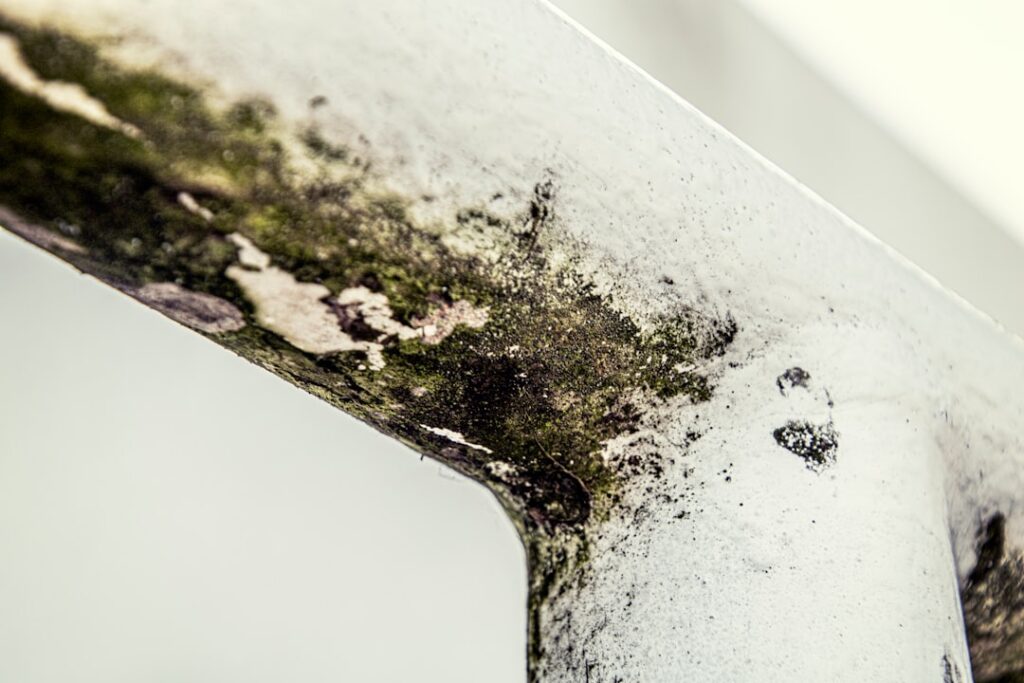
Mold Killer and Preventer: Dual-Action Guide
Products that promise to both eliminate growth and stop it from returning are appealing, and a few genuinely deliver part of that promise. Understanding what a mold killer and preventer actually does, and where the prevention claim runs into the limits of chemistry, helps you use these products wisely. This guide explains the two jobs these products try to combine, how encapsulants fit in, and why moisture control remains the foundation. The methods follow EPA and CDC guidance current as of 2026, and nothing here is medical advice; consult a physician about any health concerns from exposure and a certified professional about testing decisions.
Part of our Mold Removal & Remediation guide — start there for the full picture →
Is this mold, asbestos, or water damage? Get a free instant screen
Upload a clear photo of the suspect area. You'll get an instant AI screening opinion and what to do next. This is screening guidance, not a professional determination.
Screening guidance only. AI can be wrong. Confirm asbestos, mold type, or lead with lab testing or a licensed professional before acting.
Two Different Jobs in One Bottle
Killing and preventing are separate tasks. Killing means neutralizing existing growth on a surface, usually through a disinfecting or oxidizing active ingredient applied with the right dwell time. Preventing means making the surface inhospitable to new growth for a period afterward, typically through a residual film that lingers once the surface dries. A true dual-action product attempts both, but the prevention half is always time-limited and surface-dependent, not permanent.
The honest framing is that these products can clear current growth and discourage immediate regrowth for a while. They cannot guarantee a surface stays clear indefinitely, because that depends on conditions the product does not control.
How the Prevention Half Works
Most preventive action comes from a residual antimicrobial film, often based on quaternary ammonium compounds, that remains after wiping and resists organisms for a limited time. The film wears away with cleaning, traffic, and time, so the preventive effect fades and must be reapplied. Some products instead rely on lowering surface alkalinity or leaving a coating that growth struggles to colonize. In every case, the prevention is a temporary buffer, not a permanent shield.
Encapsulants as a Preventive Step
A related class of products, encapsulants, does not kill growth but seals a cleaned surface to lock down residual staining and discourage regrowth. These are applied after removal, commonly on framing in attics and crawl spaces, and only over a surface that is already clean and dry. Applying an encapsulant over active growth or a damp surface traps the problem rather than preventing it. Used correctly as a finishing step, encapsulants extend the life of a remediation, which is why they appear in our discussion of what kills mold and what keeps it gone.
What Dual-Action Products Cannot Do
The prevention claim runs into the same wall every surface product hits: it cannot control moisture. The EPA is unambiguous that lasting control depends on controlling the water source. A residual film discourages growth only while conditions are marginal; if a leak, condensation, or humidity above roughly sixty percent persists, growth overwhelms the film and returns. Prevention from a bottle buys time, not immunity.
These products also cannot reach hidden growth or treat areas larger than they were designed for. For growth beyond about ten square feet, or anything driven by an active leak or flood, the EPA recommends professional remediation. A professional mold inspection can confirm whether a surface treatment plus prevention is appropriate or whether the situation needs more.
Where Dual-Action Products Fit Best
These products show their value in specific situations rather than as a universal solution. Damp areas that cannot be kept perfectly dry, such as a shower enclosure or a basement bathroom, benefit from the residual film that buys time between cleanings. High-traffic spots where growth recurs predictably are also good candidates, since the short-term resistance reduces how often you need to do a full removal.
They fit less well where the surface stays wet from an active source, because the film is quickly overwhelmed, and where the surface is too porous to hold a useful residual layer. On a saturated material or a wall fed by a leak, a dual-action product spends its prevention half on a battle it cannot win. Reserving these products for marginal, manageable dampness, rather than active moisture problems, is what lets the dual-action design actually deliver.
Using a Dual-Action Product Correctly
To get both jobs from one product, follow the kill step first and the prevention step it enables second. Ventilate the room and wear gloves, eye protection, and an N95 respirator. Pre-mist so growth stays down, apply the product to keep the surface wet for the full dwell time, agitate and wipe to remove the killed growth, then allow the residual film to dry undisturbed rather than rinsing it away if the label calls for leaving it in place. Disturbing or over-rinsing the film removes the very prevention you paid for. Our walkthrough on how to get rid of mold details the kill step that any prevention builds on.
Encapsulant Application in Attics and Crawl Spaces
Encapsulants see their most common use on exposed framing in attics and crawl spaces, where they seal cleaned wood after remediation. The sequence matters: the growth must first be removed, the surface cleaned, and the wood allowed to dry to an appropriate moisture level before any encapsulant goes on. Applying a sealer over damp or still-active growth traps the problem inside, where it can continue undetected.
Because these spaces are confined and poorly ventilated, the same safety practices that govern cleaning apply to encapsulant work: ventilation, gloves, eye protection, and respiratory protection appropriate to the product. The encapsulant is a finishing step that locks in the result of a proper cleanup and discourages new colonization on the sealed surface. It is not a shortcut that lets you skip removal, and it does nothing about the moisture that allowed growth in the first place, which is why crawl space and attic moisture control remains essential alongside it.
Maintaining the Preventive Effect
Because the preventive half of these products fades, maintaining the effect means reapplication on a sensible schedule and attention to what wears the film away. Frequent cleaning, traffic, and abrasion strip the residual layer faster, so a surface that is scrubbed often will lose its prevention sooner than one that is left undisturbed. Tracking when you last treated a surface helps you reapply before the protection lapses rather than after growth has already returned.
The most reliable way to extend any preventive effect, though, is to reduce the moisture the film is fighting against. Lowering humidity, improving ventilation, and fixing leaks all lighten the load on the residual layer, so it lasts longer and works better. A preventive product in a dry, well-ventilated space can hold a surface clear for a meaningful stretch; the same product in a chronically damp space is fighting a losing battle no schedule can win.
Where Prevention Really Comes From
Durable prevention is environmental, not chemical. Keeping indoor humidity below roughly sixty percent, running exhaust fans, fixing leaks promptly, and improving airflow in closets, basements, and crawl spaces does more to prevent growth than any residual film. A dual-action product is best understood as a short-term assist on top of these controls, not a replacement for them. The product extends the gap between cleanings; the moisture controls decide whether growth comes back at all.
Putting It Together
A sensible plan uses a dual-action product to clear current growth and buy a window of resistance, an encapsulant as a finishing seal where appropriate, and consistent moisture control as the foundation underneath both. Treated this way, these products earn their place. Expected to deliver permanent prevention on their own, they disappoint, because the conditions that produce growth always outlast a residual film. Match the product’s real strengths to a moisture-controlled environment, and the kill-and-prevent promise becomes achievable in practice rather than just on the label.
Reading Dual-Action Labels Carefully
Dual-action products invite a particular kind of label scrutiny, because the prevention claim is where marketing most often outruns chemistry. Start with the kill side: look for the active ingredient, its concentration, the dwell time, and an EPA registration number, which together indicate a tested antimicrobial rather than a simple cleaner. These fields tell you whether the product can actually neutralize the growth in front of you.
Then read the prevention claim closely. An honest label frames prevention as a temporary residual effect and may indicate how it is maintained, while an overreaching one implies permanence the chemistry cannot deliver. Watch for instructions about whether to leave the residual film in place rather than rinsing it away, since over-rinsing removes the very prevention you paid for. A claim of permanent or lifetime protection is a signal to lower expectations, because no surface film survives indefinitely against ongoing moisture. Reading both halves of the label as separate promises, each with its own evidence, keeps you from buying the prevention story while ignoring the kill-step details that determine whether the product works at all.
Combining Products With Moisture Control
A dual-action product reaches its potential only when it sits on top of genuine moisture control, so the two should be planned together rather than treated as alternatives. Before applying the product, address the obvious moisture drivers in the space: a dripping fixture, a humidity level running above roughly sixty percent, poor ventilation, or condensation forming on a cold surface. Bringing these under control lightens the load the residual film has to carry, so it lasts longer and works better.
After the product is applied and the surface dried, keep the environmental controls running. An exhaust fan in a bathroom, a dehumidifier in a basement, and improved airflow in closets all reduce the moisture that would otherwise overwhelm the film and regrow the colony. The sequence matters: moisture control first to set the stage, the dual-action product to clear current growth and add short-term resistance, and ongoing moisture control to extend the window the product buys. A product working in a dry, ventilated space can hold a surface clear for a meaningful stretch, while the same product in a chronically damp space is fighting a losing battle no application schedule can win.
Safe Use of Dual-Action Products
Because these products combine an active disinfecting agent with a residual film, they carry the same handling requirements as any antimicrobial chemical. Ventilate the room before you begin, opening a window and running an exhaust fan, and wear nitrile gloves, sealed eye protection, and an N95 respirator, since disturbing growth releases spores even as the kill step works. For products with significant fumes used in an enclosed space, a vapor-rated respirator is the appropriate upgrade.
Never mix a dual-action product with another chemical, as bleach-based formulas combined with ammonia or acids release toxic gas. Keep the product in its original, labeled container so its directions and first-aid information stay attached, and store it away from heat and out of reach of children and pets. The residual film means treated surfaces should be kept clear of children and pets until dry. Handling these products with the same care as a standalone disinfectant, rather than treating them as gentle because they advertise prevention, is what keeps their dual action from coming at the cost of safety.
Frequently Asked Questions
Frequently asked questions
Does a mold killer and preventer stop growth permanently?
No. The preventive effect comes from a temporary residual film that fades over time. Lasting prevention depends on controlling moisture, not on the product alone.
How long does the prevention last?
It varies by product and conditions, but the residual film wears away with cleaning, traffic, and time, so it must be reapplied and is never permanent.
What is an encapsulant and when do I use it?
An encapsulant seals a cleaned, dry surface to lock down staining and discourage regrowth. Apply it only after removal, never over active growth or a damp surface.
Can these products replace fixing a leak?
No. If moisture continues, growth overwhelms any residual film and returns. The product buys time, but the moisture source must still be fixed.
References
- EPA brief guide to mold, moisture, and your home
- CDC overview of mold and indoor environments
- EPA guidance on cleaning up mold in the home
Want to know whether a dual-action product is enough for your situation? Contact our Front Range team for an assessment.
Mold removal & cleanup picks
For a small, contained patch (under ~10 sq ft) these EPA-friendly removers handle surface mold. Larger or recurring growth warrants a professional assessment first.
| Product | Why | Buy |
|---|---|---|
 RMR-86 Instant Mold Stain Remover RMR-86 Instant Mold Stain Remover | Fast-acting on stains; ventilate and wear PPE. | Amazon — $29.99 |
 Concrobium Mold Control Concrobium Mold Control | No-bleach formula that also helps prevent regrowth. | Amazon — $34.27 |
 Mold Armor Mold & Mildew Remover Mold Armor Mold & Mildew Remover | Widely stocked bathroom/surface remover. | Amazon — $22.98 |