Mold Killer Solution: DIY and Commercial Options
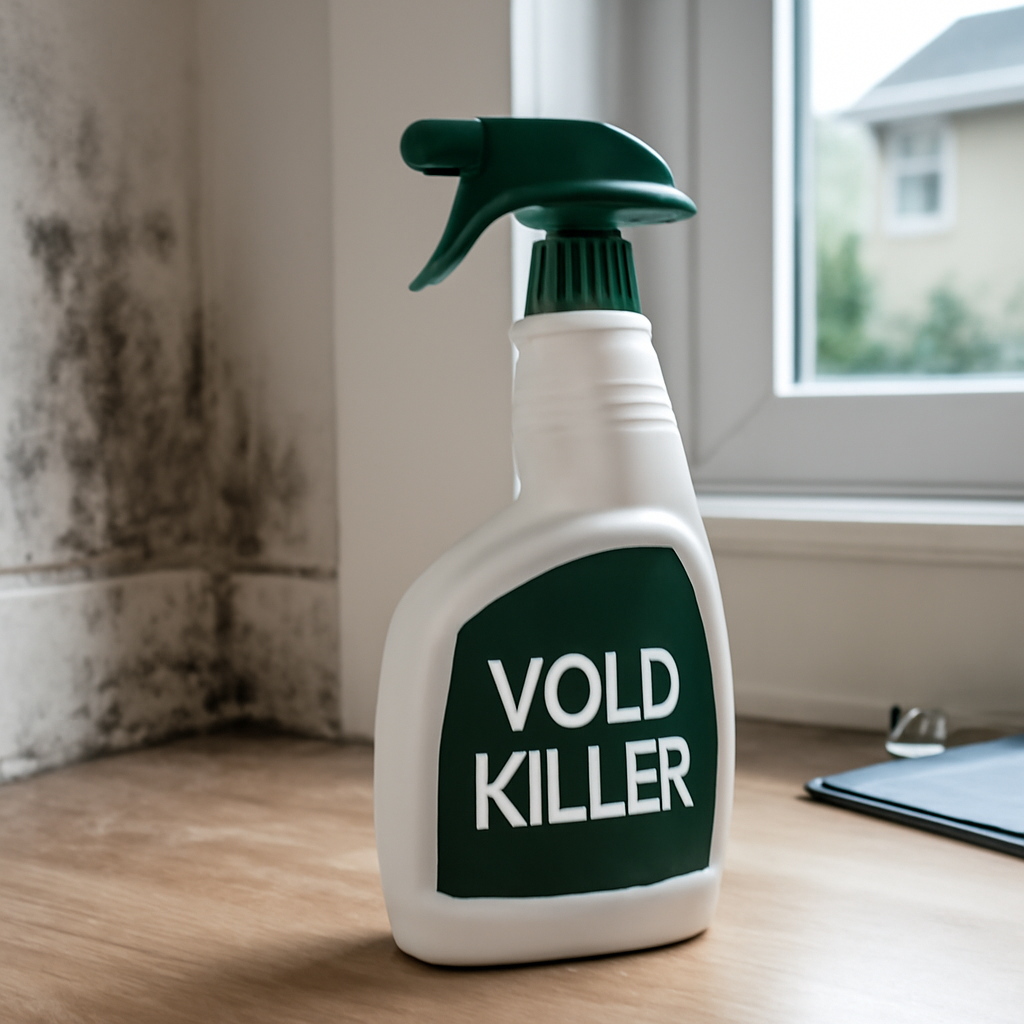
A mold killer solution can mean a homemade mix in a spray bottle or a commercial, EPA-registered product off the shelf, and homeowners often want to know which actually works. The honest comparison shows the gap between them is smaller than marketing suggests, and that the solution itself is rarely the deciding factor in whether mold stays gone. What matters more is the surface, the safety of application, and the moisture fix behind it all. This guide summarizes EPA and CDC guidance current as of 2026 and is general information, not medical advice or a substitute for a certified mold professional.
Is this mold, asbestos, or water damage? Get a free instant screen
Upload a clear photo of the suspect area. You'll get an instant AI screening opinion and what to do next. This is screening guidance, not a professional determination.
Screening guidance only. AI can be wrong. Confirm asbestos, mold type, or lead with lab testing or a licensed professional before acting.
What Counts as a Mold Killer Solution
The term covers any liquid applied to deactivate and help remove mold. On the DIY side, that includes detergent and water, diluted bleach, hydrogen peroxide, and white vinegar. On the commercial side, it includes ready-to-use sprays and concentrates, some carrying an EPA registration number indicating efficacy data was submitted for specific organisms.
A useful starting point reframes the whole question. The EPA notes that detergent and water are sufficient for cleaning most hard-surface mold, and that routine use of biocides to control mold is not generally recommended. In other words, the simplest, cheapest solution is the EPA’s default for typical jobs. A “stronger” killer is not automatically a better outcome; physical removal and dryness do most of the work.
DIY Mold Killer Solutions
Homemade solutions appeal for cost and for avoiding harsh chemistry. Each has a clear lane and limit.
Detergent and Water
The EPA’s recommended default for hard surfaces. It lifts mold mechanically with scrubbing, has no toxic fumes, and is safe on almost any non-porous material. It does not bleach away staining, so heavily discolored surfaces may need a follow-up.
Diluted Bleach
Sodium hypochlorite removes staining and disinfects hard surfaces. It is cheap and fast but produces fumes, can damage finishes and fabric, and must never be mixed with ammonia, which creates toxic chloramine gas. It performs poorly on porous materials, where water carries it off and leaves mold roots intact.
Hydrogen Peroxide and Vinegar
A three to ten percent hydrogen peroxide solution kills many molds and leaves no chlorine residue, making it color-safe. White vinegar’s mild acidity addresses light growth on hard surfaces and appeals to those avoiding chemicals, though it is less consistent. The chemistry behind these options is detailed in our guide to mold removal chemicals and safe use.
Commercial and EPA-Registered Solutions
Commercial products offer convenience, consistent formulation, and sometimes added cleaning agents or surfactants that help the solution cling and penetrate surface grime. Ready-to-use sprays save mixing; concentrates cover larger areas economically. Some carry an EPA registration, which means the manufacturer submitted efficacy data for named organisms under specific use conditions.
An EPA registration is meaningful but limited. It speaks to whether the product kills the listed organisms when used as directed; it does not make the product a substitute for moisture control, and the EPA is explicit that biocides and sanitizers are not a replacement for fixing the water problem. So a registered killer solution is a reliable, tested cleaning tool, not a license to skip the steps that actually prevent recurrence. How these stack up is covered in our overview of mold killing products.
What Every Mold Killer Solution Cannot Do
Two limits apply regardless of whether the solution is homemade or premium. First, none of them reaches mold inside porous materials. Drywall, carpet, ceiling tile, and insulation absorb growth below the surface, and the EPA generally recommends discarding and replacing porous materials that have absorbed mold rather than treating them with any solution. Second, none of them controls moisture, and moisture is what controls mold. A solution removes today’s growth; it does nothing about the leak, the humidity, or the condensation that created it.
This is why recurrence is the universal tell. If mold returns after applying any killer solution, the solution worked and the moisture source did not get fixed. The lesson holds across every product tier: the bottle is the finishing step, not the cure.
Using a Mold Killer Solution Safely
Applying any solution disturbs mold and may involve fumes, so protection is consistent across DIY and commercial options. Ventilate the area first by opening windows and running an exhaust fan. Wear an N95 respirator that seals to the face, gloves, and eye protection. Never combine solutions, and keep bleach far from ammonia. Scrub gently and keep the surface damp rather than dry-brushing, which sends more spores airborne. People with asthma, mold allergies, or weakened immune systems should not do the work and should stay out of the area while it is treated. Symptoms that might relate to mold belong with a physician.
Scale decides whether to use any solution at all. The EPA suggests professional remediation when the affected area exceeds about ten square feet or follows flooding or sewage, because containment and air management become necessary.
Choosing the Right Solution for Your Situation
A short decision path cuts through the options. Is the area large, from flooding, or in HVAC? Then it is a professional job, not a solution choice. Is the surface porous, like drywall or carpet? Then plan to remove and replace, not treat. Is it small and on a hard surface? Start with detergent and water, the EPA’s default, and step up to hydrogen peroxide for color-safe disinfection or diluted bleach for stubborn staining. Use a commercial or EPA-registered product if you prefer convenience and tested formulation.
Whatever you pick, finish the same way: physically remove the residue, dry the surface completely, and fix the moisture by repairing leaks, improving ventilation, and keeping humidity between 30 and 50 percent. For the full context on how a killer solution fits into inspection, removal, and prevention, start at the homeowner mold inspection hub.
Mixing Your Own Solution: What Is Safe and What Is Not
Homeowners who prefer to mix their own mold killer solution should know which combinations are useful and which are dangerous. The safe, effective single-ingredient options are well established: detergent and water, diluted bleach used alone, hydrogen peroxide straight from the bottle, and white vinegar undiluted. Each works on its own, and none requires combining with another active ingredient.
The dangerous combinations are worth committing to memory. Bleach mixed with ammonia produces toxic chloramine gas, a frequent cause of household poisonings. Bleach mixed with vinegar or other acids releases chlorine gas. Hydrogen peroxide and vinegar combined make peracetic acid, an irritant. The safest rule is simple: never mix two cleaning chemicals, and never layer one product over a surface still wet with another. Many commercial cleaners contain ammonia or acids without obvious labeling, so combining a homemade bleach solution with a store product carries the same risk.
Beyond chemistry, homemade solutions should be mixed fresh, used in a ventilated space, and applied with gloves and eye protection. Diluting bleach correctly matters, since overly strong solutions add fumes and damage surfaces without improving results. Used responsibly, a simple homemade solution does the killing step as well as most commercial products for ordinary jobs, which is consistent with the EPA’s note that detergent and water suffice for most hard surfaces.
Matching Solution Strength to the Job
Reaching for the most concentrated solution available is a common instinct and usually the wrong one. Solution strength should match the surface and the severity of staining, not the level of alarm. For light, fresh growth on a hard surface, detergent and water or a mild peroxide solution is appropriate and leaves the surface and surroundings undamaged.
For heavier staining on durable, non-porous surfaces like tile and grout, a stronger diluted bleach solution removes discoloration faster, accepting the trade-off of fumes and potential lightening of nearby materials. Color-sensitive surfaces favor hydrogen peroxide regardless of staining severity. The one situation where no solution strength is the answer is porous material with absorbed mold, where the EPA’s guidance to remove and replace overrides any chemical choice.
Thinking in terms of “minimum effective strength” protects both the home and the person doing the work. A weaker solution that does the job means fewer fumes, less surface damage, and lower exposure, with no loss of result.
Surface and Material Considerations Before You Apply
Beyond the porous-versus-non-porous divide, the specific material a killer solution touches affects both safety and results, and a quick assessment before application prevents damage. Bleach-based solutions can discolor colored grout, corrode certain metals over time, damage fabrics, and dull some finishes, so a discreet test on an inconspicuous spot is wise on anything valuable or colored. Hydrogen peroxide is gentler but can still lighten some dyes. Even detergent and water can harm unsealed wood or delicate surfaces if left to soak.
Electrical fixtures, outlets, and the area around them deserve caution; liquids and electricity are a hazard, and mold near electrical components is a situation where stopping to assess, rather than spraying, is the safer move. Mold on or near HVAC components is another case the EPA flags for professional attention rather than a consumer solution, because the system can distribute spores throughout the home.
Material also dictates dwell time and rinsing. Some surfaces tolerate a solution sitting to work; others should be wiped promptly to avoid damage. Rinsing after cleaning removes residue that could attract dirt or, in the case of some products, leave a film. Matching the solution and its handling to the material protects the home while still accomplishing the cleaning.
The broader principle is that a mold killer solution interacts with the surface, not just the mold, and treating the surface carefully is part of using the solution well. A homeowner who pauses to consider the material avoids the common outcome of clearing the mold but staining the grout or warping the trim, trading one problem for another.
Preventing Mold After the Solution Has Done Its Job
A mold killer solution finishes the surface, but prevention is what keeps the solution from becoming a recurring purchase, and prevention is entirely about moisture. Mold cannot grow on a dry surface, so the strategy after cleaning is to keep the area dry, which is the step the bottle never mentions.
Humidity control is the centerpiece. The CDC recommends keeping indoor relative humidity between 30 and 50 percent, and an inexpensive hygrometer reveals whether a room sits in that range. In damp basements and crawl spaces, a dehumidifier is frequently the most effective measure, doing more to prevent regrowth than any solution does to kill.
Ventilation handles the wet rooms directly. Bathrooms need an exhaust fan that vents outdoors and runs during and after showers; kitchens benefit from a range hood; dryers must vent outside. These remove moisture before it settles on surfaces. Improving airflow around cold walls and in closets addresses the still, damp pockets where growth quietly begins.
Maintenance habits close the gap. Fixing small leaks promptly, wiping down wet surfaces, and addressing condensation prevent the repeated wettings that seed new growth, and monitoring the previously affected spot confirms whether the fix held. Recurrence signals an active moisture source rather than a need for a stronger solution. Approached this way, the killer solution is the brief opening step, and moisture prevention is the lasting work, which is exactly the order of priority the EPA’s moisture-first guidance implies. A homeowner who applies the solution and then keeps the surface dry rarely needs to reach for the bottle again.
References
- Mold Cleanup in Your Home — U.S. Environmental Protection Agency
- About Mold and Your Health — Centers for Disease Control and Prevention
- A Brief Guide to Mold, Moisture and Your Home — U.S. Environmental Protection Agency
If no solution seems to keep the mold away, Front Range homeowners can reach out through our contact page for a connection to a qualified local inspector who can find the moisture source.
Mold removal & cleanup picks
For a small, contained patch (under ~10 sq ft) these EPA-friendly removers handle surface mold. Larger or recurring growth warrants a professional assessment first.
| Product | Why | Buy |
|---|---|---|
 RMR-86 Instant Mold Stain Remover RMR-86 Instant Mold Stain Remover | Fast-acting on stains; ventilate and wear PPE. | Amazon — $18.38 |
 Concrobium Mold Control Concrobium Mold Control | No-bleach formula that also helps prevent regrowth. | Amazon — $13.48 |
 Mold Armor Mold & Mildew Remover Mold Armor Mold & Mildew Remover | Widely stocked bathroom/surface remover. | Amazon — $22.98 |