Shower Tile: Waterproofing Behind It and Spotting Failures
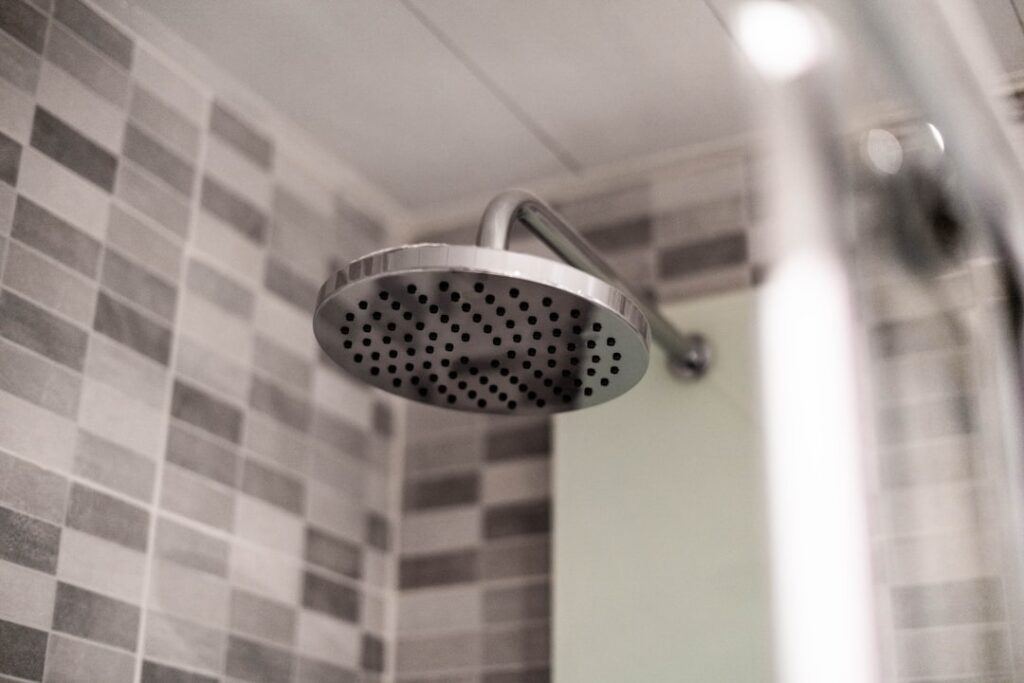
A tiled shower looks like a solid, watertight box, and that impression causes a lot of expensive surprises. Shower tile is a finish surface. The grout between tiles absorbs water, and small amounts of moisture pass through every day the shower is used. What keeps that water out of the framing is whatever was built behind and beneath the tile, which is invisible once the job is done. This guide explains how shower waterproofing systems work in general terms, the warning signs that something behind the tile has failed, slip resistance, hidden mold, asbestos concerns in older bathrooms before demolition, and what repairs typically cost. It summarizes EPA guidance current as of 2026; consult a certified professional for mold or asbestos testing decisions and a physician for any health symptoms.
Part of our Structure & Exterior guide — start there for the full picture →
Planning a bathroom or kitchen remodel? Talk to a local remodeler.
📞 Call (844) 791-3031Why Shower Tile Is Not Waterproof
Porcelain and many ceramic tiles absorb very little water, but a shower wall is not just tile. It is tile plus grout plus the setting material plus the substrate. Traditional cement-based grout is porous. Water wicks into it during a shower and dries out afterward. Hairline cracks, missing grout and failed caulk at corners allow even more water through. Sealing grout reduces how quickly it absorbs water and helps with staining, but sealer does not turn grout into a waterproof layer. Our grout sealer guide explains what sealers can and cannot do.
Because some water always gets past the tile, every properly built shower has a waterproofing layer or a water management system behind the tile. When that layer is missing, damaged or poorly detailed, water reaches wood studs, subfloor and drywall, often without any visible sign on the tile face for months or years.
The pieces of a tiled shower
- Tile and grout: the visible, wear-resistant surface.
- Setting material: usually thinset mortar, which bonds tile to the substrate.
- Substrate or backer: cement board, fiber-cement board, foam board or a mortar bed that gives the tile a stable base.
- Waterproofing or water management: a membrane, liner or system that keeps water from reaching framing and directs it to the drain.
- Shower pan and drain: the sloped floor assembly that carries water to the drain, including any liner beneath it.
How Waterproofing Behind the Tile Works
There are several accepted approaches. The details belong to the manufacturer’s system and the installer’s training, but homeowners and buyers benefit from knowing the general categories.
Traditional mortar bed with a liner
Many older showers, and some new ones, use a mortar bed floor over a waterproof liner. The liner sits beneath the mortar, turns up the walls and connects to a two-part drain. Water that soaks through the grout and mortar is supposed to run along the sloped liner to small weep holes in the drain body. The walls in this kind of shower often use cement board with a moisture barrier behind it. When the weep holes clog or the liner was laid flat instead of on a pre-slope, water can sit in the mortar bed, leading to persistent dampness, odors and darkened grout at the floor.
Surface-applied membranes
Many modern showers place a waterproof membrane directly behind the thinset, on the face of the backer board. The membrane may be a liquid-applied coating rolled or brushed on in specified thicknesses, or a sheet membrane bonded with thinset and overlapped at seams. These systems keep water near the surface, so the backer board and mortar stay drier. They usually work with a matching bonding-flange drain, corner pieces and preformed niche or curb components.
Backer boards
Cement and fiber-cement backer boards tolerate water without rotting or losing strength, but they are not themselves waterproof. They need a membrane or a moisture barrier as part of an approved system. Some foam-core boards are marketed as waterproof when seams and fasteners are sealed per the manufacturer’s instructions. Ordinary drywall, even moisture-resistant drywall, is generally not considered a suitable tile backer inside a wet shower enclosure. Older homes sometimes have tile set directly on drywall in showers, which is a frequent source of rot.
A design trap worth knowing: stacking a polyethylene sheet behind the board and a surface membrane on its face can trap moisture between them. Most manufacturers specify one or the other. Following a single manufacturer’s tested system, rather than mixing products, is the safest approach. For features that complicate waterproofing, see our guides on the curbless shower and the shower niche, both of which add corners and transitions where leaks start.
Floors are where most leaks begin
The shower floor collects all the water, holds it longest and moves when people stand on it. That makes the pan the most failure-prone part of a tiled shower. Stains on the ceiling below an upstairs shower, damp subfloor visible from a basement and loose floor tiles near the drain are typical clues. Our shower pan leak guide covers testing and repair options in detail.
Warning Signs That Shower Tile Is Failing
Tile failures usually show up in small ways before they become obvious. Look for these signs when buying a home or doing routine maintenance:
- Cracked, crumbling or missing grout. Isolated hairline cracks are common; widespread cracking, especially in a pattern, can point to movement in the substrate.
- Hollow-sounding tiles. Tapping lightly with a knuckle or a plastic tool can reveal tiles that have lost their bond. Several hollow tiles in one area often mean the substrate behind them is wet, soft or moving.
- Loose or shifting tiles. A tile that rocks under gentle pressure has lost its bond. Wall tiles that bulge outward are a serious warning sign.
- Grout that stays dark. Grout normally darkens when wet and lightens as it dries. Grout that stays dark long after showering, particularly low on the walls or around the drain, suggests trapped water.
- White deposits. Efflorescence, a white powdery or crusty residue, shows that water is moving through cement-based materials and carrying minerals to the surface.
- Failed caulk at changes of plane. Corners and the joint where walls meet the tub or floor should have flexible sealant rather than grout. Cracked caulk there lets water straight into the wall.
- Damage outside the shower. Peeling paint on the wall beyond the enclosure, a soft spot in the drywall, baseboard swelling, or stains on a ceiling below.
- Musty odor. A persistent smell after the bathroom has been aired out can mean mold in a hidden space.
Small grout and caulk failures can usually be repaired. Our guides to grout repair and caulking a bathtub walk through those maintenance tasks. Regrouting will not fix a failed membrane, though. If hollow tiles, soft walls or ceiling stains are present, the waterproofing behind the tile needs evaluation.
Slip resistance on shower floors
Wet, soapy floors are slippery, and tile choice influences how much. Smaller floor tiles create more grout lines, which add texture underfoot and make it easier to slope the floor toward the drain. Polished stone and glossy glazed tile are generally more slippery when wet than matte or textured finishes. Many tile manufacturers publish a wet dynamic coefficient of friction value and state whether a product is suitable for wet interior floors. Checking that data before buying, rather than relying on how a sample feels when dry, is the practical step. Grab bars, a bench and good lighting add safety, particularly for older occupants.
Mold Behind Shower Tile
When water gets past the tile and the waterproofing, it lands on materials that mold can feed on: paper-faced drywall, wood studs, plywood subfloor. EPA’s brief guide to mold and moisture says the key to mold control is moisture control, and that water-damaged areas should be dried within 24 to 48 hours to prevent mold growth. That rarely happens inside a wall cavity behind a leaking shower, which is why mold is so common there.
EPA lists places where mold may be hidden, including the back side of drywall, wallpaper or paneling, and areas inside walls around pipes with leaking or condensing pipes. EPA also notes that investigating hidden mold requires caution, because disturbing a site of mold growth can release spores, and suggests hiring an experienced professional if hidden mold is suspected.
Several EPA points apply directly to shower repairs:
- Fix the water problem. EPA states that cleaning up mold without fixing the moisture source will most likely allow the problem to come back.
- Do not paint or caulk over moldy surfaces. EPA notes that paint applied over moldy surfaces is likely to peel.
- Porous materials such as drywall may have to be thrown away if they become moldy, because mold can be difficult or impossible to remove completely from them.
- If mold growth covers more than about 10 square feet, EPA points readers to its remediation guidance for larger jobs, and many owners hire a contractor experienced in mold cleanup.
EPA also offers a bathroom tip: in places that are often damp, increasing ventilation by running a fan or opening a window and cleaning more frequently will usually keep surface mold to a minimum. Surface mildew on grout is different from mold inside the wall, but both point back to moisture.
Habits that keep shower tile dry
Day-to-day habits make a real difference to how long a tiled shower lasts. Running the bathroom exhaust fan during every shower and for a while afterward removes humid air before it condenses on cool surfaces. Squeegeeing the walls and glass takes a minute and cuts down on standing water in grout joints. Leaving the shower door or curtain open lets the enclosure dry. Wiping up water that escapes onto the bathroom floor protects the subfloor around the curb. It also helps to inspect grout and caulk a few times a year and fix small gaps promptly, since a cracked caulk joint at the tub or pan can let in far more water than porous grout ever will. Colorado’s dry indoor air helps showers dry out between uses, but it does not protect against water that has already found a path behind the tile.
Old Tile, Adhesives and Asbestos Before Demolition
Bathrooms in older Front Range homes may have several generations of materials behind the current tile: older tile layers, mortar beds, adhesives, floor tile and sheet flooring beneath newer surfaces. Asbestos was used in many building products through much of the 20th century. EPA lists ceiling and floor tiles among the building materials in which asbestos has been used. Older tile adhesives, mastics and sheet flooring backings are also commonly treated as suspect materials by asbestos professionals and should be tested rather than assumed safe.
EPA’s guidance for homeowners makes several points that apply before a shower remodel:
- You generally cannot tell whether a material contains asbestos by looking at it unless it is labeled.
- EPA suggests considering an inspection by a trained and accredited asbestos professional if you are planning to remodel, because remodeling can disturb building materials.
- EPA does not recommend taking samples yourself, and notes that sampling done incorrectly can be more hazardous than leaving material alone.
- Asbestos-containing materials may release fibers when they are disturbed, cut, sanded, drilled or scraped.
Questions to ask before tearing out old tile
- When was the house built, and has the bathroom been remodeled before? Older layers are often hidden under newer ones.
- Are there multiple layers of flooring or wall finish? Each layer is a separate material that may need its own sample.
- Will the contractor arrange testing, or should the owner hire an independent accredited inspector first?
- If testing finds asbestos, who will remove it, and how will the work area be contained and cleaned?
Tile demolition involves exactly those actions. Testing suspect materials before work begins costs far less than cleaning up a contaminated house afterward. Older homes may also have lead in paint on bathroom walls and trim, which adds another reason to test before tearing out.
Repair, Replacement and Typical Costs
The right fix depends on whether the problem is in the surface or behind it. As general 2026 ranges, which vary widely by size, materials and local labor:
- Regrouting and recaulking a shower: often a few hundred dollars to over a thousand, depending on size and whether epoxy grout is used.
- Replacing a few loose tiles: modest if the substrate is sound and matching tile is available; more if surrounding tiles have to come out.
- Rebuilding a shower pan: commonly a few thousand dollars, more if subfloor or joists are damaged.
- Full tear-out and re-tile with new waterproofing: frequently several thousand dollars and well beyond that for large or custom showers, before any mold remediation, asbestos abatement or framing repair.
Some owners choose alternatives to tile. Large-format shower wall panels and a one-piece tub surround have far fewer joints and can be quicker to install, though they still depend on correct installation at seams, corners and the tub or pan. If you do go with tile, our tile installation guide covers what to ask a contractor. Ask which waterproofing system will be used, whether the installer follows that manufacturer’s instructions, and whether a flood test of the pan is part of the job.
What a home inspector can and cannot see
A home inspection is visual. Under the ASHI Standard of Practice, inspectors inspect walls, ceilings and floors and are not required to inspect paint, wallpaper and other finish treatments. In a bathroom, that typically means running the shower, looking at tile, grout and caulk, tapping for loose tiles where practical, checking for soft spots, and looking at ceilings below and accessible areas beneath for stains. Inspectors cannot see the membrane behind finished tile. Some carry moisture meters or thermal cameras, but readings can be limited by tile and backer materials. When signs point to hidden water, expect a recommendation for further evaluation by a qualified contractor. Bathroom water damage often overlaps with framing and subfloor issues covered in our structure and exterior inspections section, and the main guide to hiring a home inspector explains how to choose one.
More Questions About Shower Tile
What is the best tile for a shower?
Porcelain tile is often considered the best choice for showers because it is dense, durable and has low water absorption. Ceramic tile is also common for shower walls and is usually less expensive. Natural stone is attractive but often requires sealing and more maintenance.
For shower floors, smaller tiles with more grout lines can improve slip resistance and follow the floor slope. Choosing tile rated for wet areas and following the waterproofing system’s instructions is key.
How long does shower tile last?
Shower tile can last 20 years or more when installed over proper waterproofing and maintained well. Tile itself is very durable, but grout, caulk and waterproofing can fail sooner, leading to leaks and loose tiles.
Regularly cleaning grout, resealing cement grout where recommended and replacing caulk at corners and changes of plane help extend tile life. Cracked or hollow-sounding tiles may indicate underlying problems that should be checked by a tile contractor before they spread.
Can new tile be installed over old shower tile?
Sometimes new tile can be installed over old shower tile, but it is often not recommended. Tiling over existing tile hides any damage or failed waterproofing underneath and adds thickness that can affect fixtures, trim and the shower door.
If the old tile is firmly bonded and there are no leaks, some products allow overlay installations. However, removing old tile and inspecting the walls usually gives a better long-term result, especially in older showers.
How do you clean shower tile grout?
Shower tile grout can be cleaned with a mild bathroom cleaner, a soft brush and warm water. For tougher stains, a paste of baking soda and water or a grout-specific cleaner can help. Harsh acids may damage grout and some tile, especially natural stone.
Rinsing well and drying the shower after cleaning helps prevent mildew. Sealing cement grout after cleaning, where recommended, can reduce staining. Grout that crumbles or keeps staining may need regrouting.
References
- A Brief Guide to Mold, Moisture and Your Home — U.S. Environmental Protection Agency
- Protect Your Family from Exposures to Asbestos — U.S. Environmental Protection Agency
- Learn About Asbestos — U.S. Environmental Protection Agency
- ASHI Standard of Practice for Home Inspections — American Society of Home Inspectors
Frequently asked questions
Is shower tile waterproof?
No. Tile and especially grout let some water through. A membrane, liner or approved waterproof backer system behind the tile is what keeps water out of the framing.
Does sealing grout waterproof a shower?
Sealer slows water absorption and helps with staining, but it does not make grout waterproof. The waterproofing layer behind the tile does that job.
What does a hollow-sounding tile mean?
The tile has lost its bond to the substrate. A few isolated hollow tiles may be minor, but clusters often signal water damage or movement behind the tile.
Should old bathroom tile be tested for asbestos before demolition?
EPA notes you cannot tell if a material contains asbestos by looking and suggests an inspection by an accredited professional before remodeling. Testing before tear-out is the safer approach in older homes.
How much does it cost to redo shower tile?
Regrouting may cost a few hundred to over a thousand dollars, while a full tear-out with new waterproofing often runs several thousand dollars or more. These are general 2026 ranges.
Can shower tile be painted?
Shower tile can be painted with specialty coatings designed for tile, but painted surfaces in wet areas often wear, peel or stain faster than original tile. Painting is usually a short-term cosmetic fix rather than a long-term solution for damaged or dated tile.
What is the best grout for shower tile?
Epoxy grout is very stain-resistant and does not usually need sealing, which makes it popular for showers. Cement grout is less expensive and easier to install but may need sealing. Following the tile and waterproofing manufacturer's recommendations helps.
Does shower tile need edge trim?
Shower tile edges often need trim to cover cut edges and create a finished look, especially where tile ends on a wall or around niches. Options include metal trim, bullnose tile and other edge pieces. Trim also protects tile edges from chipping.
Seeing dark grout, loose tiles or a stain below the bathroom? Get in touch and we will connect you with a Front Range inspector who can look for signs of hidden shower leaks.