Grout Sealer: When to Seal and How to Keep Water Out of Tile

Grout is the weak link in most tile installations. The tile itself is usually dense and stain resistant, but the cement-based joints between tiles are porous, so they soak up water, soap residue, cooking oil and dirt. A grout sealer slows that absorption, makes cleaning easier and helps grout keep its color. What it does not do is waterproof a shower, repair cracked joints or stop a leak that is already getting behind the tile. This guide explains how penetrating and membrane sealers differ, which grout types need sealing at all, how to tell when a problem needs repair rather than another coat of sealer, what mold in grout signals, how to ventilate while working with solvent-based products, and what sealing and repairs typically cost. Figures are general 2026 estimates, not quotes.
Part of our Plumbing & Water guide — start there for the full picture →
What a Grout Sealer Does
Cement-based grout is a mix of cement, fine aggregate (sand in sanded grout) and additives. Once it cures, it contains tiny pores and capillaries that draw in liquid. A grout sealer either fills those pores below the surface or forms a thin film on top, so water and stains bead up rather than soak in.
The benefits are real but limited:
- Stain resistance. Sealed grout resists coffee, wine, oil and dirt long enough to wipe them up, which matters most on kitchen floors and counters.
- Easier cleaning. Soap scum and body oils sit on the surface rather than in the pores.
- Slower water absorption. Grout that absorbs less water dries faster, which can make it a less inviting surface for mildew.
- Color retention. Grout that stays clean keeps its original shade longer.
What sealer is not: it is not the waterproofing layer in a shower or tub surround. In a properly built shower, waterproofing comes from a membrane, a mortar bed with a liner, or a waterproof backer system behind or beneath the tile. Tile and grout are the wear surface. Water is expected to get through grout in small amounts, and the assembly behind it is supposed to manage that water. Sealing grout over a failed membrane may slow a leak’s symptoms without fixing the cause.
Penetrating vs Membrane Grout Sealers
Sealers fall into two broad families, and the choice matters more than the brand.
Penetrating (impregnating) sealers
These soak into the grout and sometimes the tile, then cure inside the pores. They leave little or no visible film, so the surface looks and feels the same. Many are silane, siloxane or fluoropolymer based, in water or solvent carriers. Because they work inside the grout, they generally do not peel and allow water vapor to escape, which is why they are the usual choice in showers and on floors.
- Natural appearance with no shine.
- Breathable, so moisture already in the grout can dry out.
- Typically reapplied every one to several years, depending on the product, traffic and cleaning chemicals.
Membrane (topical) sealers
These form a coating on the surface, often acrylic or similar. They can add sheen and darken the grout. On a backsplash or a low-moisture floor they can work well, but in wet areas a film can trap moisture, turn cloudy and peel. They are also more likely to wear through in traffic paths, leaving a patchy look.
- Visible surface film; some add a wet look.
- Less breathable; can trap moisture in showers and on slabs.
- Can be harder to strip and reapply evenly.
Color sealers and grout stains
Color sealers are tinted coatings that recolor grout while sealing it. They can rescue stained grout that will not come clean. They behave more like a paint or topical coating, so surface preparation is critical, and they can wear in high-traffic or wet areas.
Application formats
Sealers come in brush-tip or roller-wheel bottles for grout lines only, spray bottles for broad surfaces, and pour-and-spread formulas for large floors. Applicator bottles reduce the risk of haze on tile that should not be sealed or that reacts poorly to the product.
Best Grout Sealer: our top 3 picks
| Product | Best for | Key features | Price | Buy |
|---|---|---|---|---|
| Miracle Sealants 511 Impregnator (Quart) | Whole-bathroom penetrating seal |
| $29.75as of Oct 28, 2026 7:00 am GMT+0000 | Buy now →Check current price |
| FILA Grout Proof | Cement grout and mosaics |
| $15.49as of Oct 28, 2026 7:00 am GMT+0000 | Buy now →Check current price |
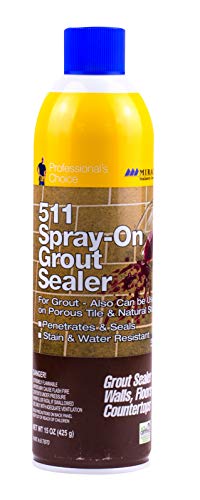
| Miracle Sealants Grout Sealer Aerosol | Sealing fresh grout same day |
| $15.47as of Oct 28, 2026 7:00 am GMT+0000 | Buy now →Check current price |


Prices are Amazon’s listed prices as of the time shown and change often; check Amazon for today’s price. As an Amazon Associate we earn from qualifying purchases.
Cement vs Epoxy Grout: Different Sealing Needs
The grout type determines whether sealer is worth applying at all.
- Sanded and unsanded cement grout. Porous and generally benefits from sealing. Many manufacturers recommend waiting for the grout to cure before sealing; the waiting period varies by product, so the bag or data sheet is the guide.
- Polymer-modified and pre-mixed grouts. Many have additives that reduce absorption. Some are marketed as needing no sealer. Check the grout manufacturer’s guidance before adding a product that may not bond.
- Epoxy grout. Cured epoxy is essentially non-porous and is generally not sealed. It costs more and is harder to install, but it resists stains and water absorption on its own. It is common in commercial kitchens and increasingly in residential showers.
- Urethane grout. Another resin-based option that typically does not need sealing.
The tile matters too. Glazed ceramic and porcelain shed most sealers, which can leave a haze if not wiped off. Natural stone such as marble, travertine and slate is often sealed along with the grout, using a sealer rated for that stone. Polished marble in particular can etch or haze with the wrong product.
A quick water test helps decide when to seal. Place a few drops of water on the grout. If they darken the grout within a few minutes, the sealer has worn off or was never applied. If they bead and sit, the grout is still protected.
Where sealing matters most
- Kitchen floors and countertops. Food, grease and spills make stain resistance valuable, and light-colored grout shows everything.
- Entryways and mudrooms. Front Range winters bring snowmelt, grit and de-icing residue indoors on boots. Sealed grout is easier to clean, and promptly wiping up wet, salty slush helps protect both grout and stone.
- Showers and tub surrounds. Sealing helps grout resist soap scum and dry faster between uses, as long as the waterproofing behind it is sound.
- Backsplashes. Lower moisture exposure, so topical or penetrating sealers both tend to perform well.
- Laundry rooms. Occasional leaks and detergent spills make sealing worthwhile on cement grout floors.
When Sealing Cannot Fix the Problem
Sealer is maintenance. It is not a repair, and applying it over damaged grout or failed waterproofing can hide warning signs. Common situations where sealer is the wrong answer:
- Cracked or missing grout. Sealer will not bridge cracks or replace missing material. Damaged joints should be raked out and regrouted first. Our guide to grout repair covers when to patch and when to regrout an entire wall or floor.
- Cracks at changes of plane. The corners where walls meet, and where the tub or shower pan meets the wall, are movement joints. Rigid grout cracks there repeatedly. These joints are usually finished with a flexible sealant, not grout. See our guide to caulking a bathtub.
- Loose or hollow-sounding tiles. Tiles that move or sound hollow when tapped often indicate a failed bond or water behind the tile. Sealing the grout around them does not address the cause.
- Soft walls, stains or odors. A wall that flexes when pressed, staining on the ceiling below, peeling paint outside the shower or a persistent musty smell suggest water is getting past the tile. That calls for investigation, not sealer.
- Failed tub surrounds. When the surround itself is cracked, delaminating or poorly flashed at the tub, sealing grout does little. Our guide to tub surrounds covers repair and replacement options.
For a full redo, our guides to tile installation and shower wall panels compare retiling with grout-free panel systems.
Mold and Mildew in Grout
Dark spots in shower grout are usually surface mildew feeding on soap residue and moisture. They are common, and in many cases they respond to regular cleaning and better ventilation. EPA’s mold cleanup guidance notes that places that are often or always damp can be hard to keep completely free of mold, and that if mold in a shower or elsewhere in a bathroom keeps reappearing, increasing ventilation by running a fan or opening a window and cleaning more frequently will usually prevent it from recurring or keep it to a minimum. The same page says that if the moldy area is less than about 10 square feet, in most cases homeowners can handle the job themselves.
EPA also notes that mold can grow in the empty spaces and crevices of porous materials, which can make it difficult or impossible to remove completely. Grout is porous, so stains that return quickly after cleaning, or that sit deep in the joint, may mean regrouting is more practical than repeated scrubbing. Mold that appears outside the shower, behind tile, on drywall or on the ceiling below points to a moisture problem behind the surface. Our guide on whether black mold in grout is dangerous covers health concerns and when to call a professional.
Before sealing, grout should be cleaned and allowed to dry thoroughly. Sealing over mildew or damp grout locks the problem in and can prevent the sealer from bonding. EPA’s brief guide to mold, moisture and your home emphasizes that the key to mold control is moisture control, recommends running the bathroom fan or opening a window when showering, and suggests keeping indoor humidity below 60 percent, ideally between 30 and 50 percent. Colorado’s dry climate helps, but small bathrooms without working exhaust fans can still stay damp for hours after a shower.
Ventilation and VOCs While Applying Sealer
Many grout sealers, particularly solvent-based ones, release volatile organic compounds while they are applied and cure. EPA’s page on volatile organic compounds and indoor air quality notes that some VOCs can have short- and long-term health effects, that products such as paints, varnishes, solvents and wood preservatives contain organic solvents, and that elevated concentrations can persist in the air long after the activity is completed. Its recommendations include increasing ventilation when using products that emit VOCs, following label precautions, and using products outdoors or in areas with an exhaust fan when the label calls for a well-ventilated area.
Practical steps for sealing grout indoors:
- Read the label and safety data sheet before starting. Product instructions take priority.
- Run the bathroom exhaust fan and open a window where possible. Keep the door to the rest of the house closed.
- Consider a water-based sealer when ventilation is limited, though even low-odor products should be used with fresh air.
- Wear chemical-resistant gloves and avoid skin contact. Eye protection is sensible when spraying.
- Keep children and pets away until the product has cured as directed.
- Close containers tightly and dispose of rags and leftover product according to the label and local rules.
How to Apply a Grout Sealer
Steps vary by product, but a typical sequence for a shower or floor looks like this:
- Inspect first. Repair cracked grout, replace failed caulk and deal with any loose tiles before sealing.
- Clean thoroughly. Use a grout cleaner compatible with the tile. Avoid acidic cleaners on natural stone. Rinse well to remove residue.
- Let it dry. Many manufacturers call for a day or more of drying after cleaning. Showers should be out of use during this time.
- Apply evenly. Use the applicator recommended on the label. Work in small sections and avoid puddling.
- Wipe excess. Remove sealer from tile faces within the time the label specifies to prevent haze.
- Apply a second coat if directed. Some products call for two coats, especially on porous or older grout.
- Allow to cure. Keep the area dry for the cure period before showering or mopping.
- Maintain. Clean with pH-neutral cleaners, which are generally gentler on sealers, and recheck with the water test periodically.
What Inspectors Look For
Home inspectors look at tile and grout as part of the bathroom and plumbing review, but the scope is visual. The ASHI Standard of Practice lists interior water supply and distribution systems, including fixtures and faucets, among the plumbing items an inspector inspects. It also lists filling shower pans and fixtures to test for leaks among the things an inspector is not required to do. A standard inspection therefore will not confirm whether a shower pan is watertight.
What inspectors commonly note:
- Cracked, missing or deteriorated grout and failed caulk at the tub or pan.
- Loose or hollow-sounding tiles.
- Soft walls, staining or damage near showers and on ceilings below bathrooms.
- Missing or non-working bathroom exhaust fans.
- Visible mold growth beyond typical surface mildew.
When signs point to hidden water damage, the report may recommend further evaluation by a tile contractor or plumber. Our plumbing and water inspection section explains how inspectors approach fixtures, leaks and water damage.
Grout Sealer and Repair Costs
The ranges below are rough 2026 estimates for planning only; prices vary with product, area and local labor rates.
- Grout sealer products: commonly around $10 to $40 per bottle for typical residential products, with premium and stone-specific sealers costing more.
- Professional grout cleaning and sealing: often priced per square foot or per room; a shower or small bathroom floor commonly runs a few hundred dollars.
- Color sealing: usually more than clear sealing because of the extra prep and labor.
- Regrouting: often several hundred dollars or more for a shower, depending on size and grout type.
- Waterproofing failures: repairing water damage behind tile and rebuilding a shower can run into the thousands.
Sealing is one of the cheapest maintenance tasks in a bathroom. The expensive surprises usually come from water that has been getting past grout and caulk for years.
Homeowner and Buyer Checklist
- Use the water-drop test to check whether grout needs resealing.
- Choose a penetrating sealer for showers and floors; reserve topical coatings for dry areas.
- Skip sealing epoxy and urethane grouts unless the manufacturer says otherwise.
- Repair cracked grout and failed caulk before sealing anything.
- Treat soft walls, hollow tiles and stains as signs of water behind the tile.
- Ventilate well and follow the label while applying and curing sealers.
For help choosing a qualified inspector, see our main guide to hiring a home inspector.
References
- Mold Cleanup in Your Home — U.S. Environmental Protection Agency
- A Brief Guide to Mold, Moisture and Your Home — U.S. Environmental Protection Agency
- Volatile Organic Compounds’ Impact on Indoor Air Quality — U.S. Environmental Protection Agency
- Standard of Practice — American Society of Home Inspectors
Frequently asked questions
Does grout sealer make a shower waterproof?
No. Grout sealer slows water absorption and staining, but the waterproofing in a shower comes from the membrane, liner or backer system behind the tile. Sealing cannot fix failed waterproofing.
What is the difference between penetrating and membrane grout sealers?
Penetrating sealers soak into the grout and cure inside the pores, leaving a natural look and allowing moisture to escape. Membrane sealers form a surface film that can add sheen but may trap moisture and peel in wet areas.
Does epoxy grout need to be sealed?
Generally no. Cured epoxy grout is essentially non-porous and resists stains on its own. Check the grout manufacturer's instructions before applying any sealer.
How often should grout be resealed?
It depends on the product, traffic and cleaning. Many penetrating sealers last one to several years. A simple test is to drop water on the grout: if it darkens quickly, it is time to reseal.
How much does grout sealing cost?
Sealer bottles commonly cost around $10 to $40. Professional cleaning and sealing of a shower or small bathroom often runs a few hundred dollars. These are general 2026 ranges, not quotes.
Cracked grout and soft shower walls can be the first hint of a hidden leak. Schedule a conversation with us to find a Front Range inspector who looks closely at bathrooms, fixtures and signs of water damage.