Paver Sealer: Types, Joint Sand and When to Reseal
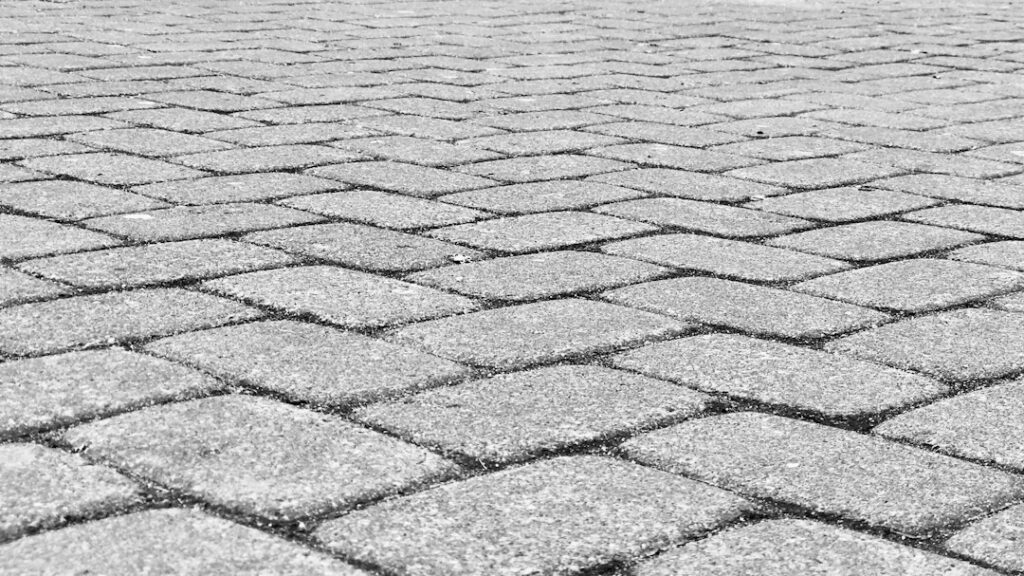
Interlocking pavers are one of the most forgiving hardscape surfaces a homeowner can choose. Individual units can be lifted and reset, the joints let the surface flex instead of cracking, and a well-built paver patio or driveway can last for decades. They still weather, though. Colors fade, joint sand washes out or sprouts weeds, oil and leaf stains soak in, and on the Colorado Front Range the surface goes through many freeze-thaw cycles each winter. A paver sealer is the product most people reach for to slow those changes down. The catch is that sealers vary widely in chemistry, appearance and how they interact with the sand in the joints, and a poor choice or rushed prep can leave a cloudy, slippery or peeling finish that is hard to undo. This guide covers the main types, preparation, local climate considerations, safety and hedged costs. Cost figures are rough industry ranges, not quotes.
Part of our Structure & Exterior guide — start there for the full picture →
What Does a Paver Sealer Do, and Is It Worth It?
A paver sealer is a liquid treatment applied to concrete, clay or natural stone pavers to reduce how much water, oil and dirt soak into the surface, and in many products to bind the sand between the units. Depending on the formula, sealing can deepen or refresh color, make stains easier to clean, help keep joint sand in place against rain and pressure washing, discourage weeds and ants from setting up in the joints, and reduce the amount of water the pavers absorb before a hard freeze.
Whether it is worth it depends on the surface and your goals. A driveway that sees oil drips, a pool deck that gets splashed constantly, or a patio where the joint sand keeps washing away will usually benefit. A lightly used walkway in a dry spot may be fine left natural, with periodic cleaning and sand top-ups. Sealing is maintenance, not repair. It will not correct settled or heaving pavers, a failed base or water running toward the house, and sealing over those problems simply locks in a defect. If sections of the surface have sunk or rocked loose, those need to be lifted and re-leveled first.
Why Pavers Get Sealed: Color, Joints, Stains and Efflorescence
Color and UV Fading
Concrete pavers get their color from pigments mixed into the concrete. Over time, foot traffic, weathering and sunlight wear away the very top layer, exposing more of the aggregate and making the surface look washed out. At Front Range elevations, UV exposure is generally stronger than at sea level, so fading can be noticeable within a few seasons on south- and west-facing surfaces. Many sealers, especially film-forming types, add some color depth when applied, and products with UV-resistant resins are marketed to slow fading. They do not stop it permanently.
Joint Sand Stabilization
The sand between pavers does real structural work. It locks the units together so loads spread across the surface rather than pushing individual pavers down. When joint sand washes out, pavers can shift, edges chip, and weeds take root. Some sealers are designed to penetrate the top of the joint and harden the sand into a firmer, still slightly flexible crust. That can reduce washout from storms, downspouts and cleaning, though it is not a substitute for a properly installed edge restraint and base.
Stains
Unsealed concrete pavers are porous. Motor oil, grease from a grill, wine, rust from patio furniture and organic stains from leaves soak in quickly. A sealer slows absorption enough that many spills can be wiped or washed off before they set. It does not make pavers stain-proof, and some solvents and hot fluids can still damage the finish.
Efflorescence on Pavers
New concrete pavers often develop a white, chalky haze within the first months after installation. This is efflorescence: soluble salts carried to the surface by moisture, where the water evaporates and leaves the salts behind. It is common, usually cosmetic and often fades with weathering. The important point for sealing is timing. Sealing over active efflorescence can trap the haze under a film and make it look milky or blotchy. Many installers recommend waiting until efflorescence has largely run its course, cleaning with a product formulated for efflorescence removal on pavers, and only then sealing.
Types of Paver Sealer
Wet-Look vs Natural or Matte Finish
The most visible choice is appearance. Wet-look or enhanced-finish sealers darken pavers and leave a sheen that resembles a freshly rained-on surface. Many homeowners like the richer color, particularly on red, charcoal or multi-blend pavers. The trade-offs are that a glossy film can be more slippery when wet or frosty, can show scuffs and tire marks, and may need more frequent recoating to keep an even look. Natural or matte sealers leave the pavers looking close to their unsealed appearance, with little or no sheen. They tend to be a better fit for pool decks, steps and shaded walks where slip resistance matters most, and for natural stone where the owner wants to keep a natural texture.
Some film-forming products allow a slip-resistant additive, usually a fine grit, to be mixed in or broadcast into the wet coat. If you choose a gloss finish on a walking surface, ask about this option.
Solvent-Based vs Water-Based
Solvent-based sealers, often acrylic resins carried in a solvent, typically penetrate well, darken color strongly and level into a smooth film. They also release more solvent vapor during application and drying, can be flammable, and may be restricted in some areas by VOC content rules. Solvent-based acrylics are sometimes easier to refresh because a new coat can soften and blend with the old one.
Water-based sealers, including water-based acrylics and acrylic-urethane blends, generally have lower odor and lower VOC content, clean up with water and are often more forgiving if the pavers have a little residual moisture. They can produce anything from a matte to a semi-gloss finish depending on the product. Some water-based films are harder to recoat with a different chemistry later, so stick with compatible products or follow the manufacturer’s stripping directions before switching.
Penetrating Sealers
Penetrating sealers, usually based on silane, siloxane or similar water repellents, soak into the paver rather than forming a surface film. They reduce water absorption while leaving the surface looking natural and allowing vapor to escape. They are commonly favored for freeze-thaw exposure because they do not create a film that can peel or trap moisture. They do little to enhance color and do not bind joint sand, so some owners pair them with polymeric sand. The same chemistry shows up in many products sold for driveways and walks, discussed further in the guide to choosing a concrete sealer.
Joint-Stabilizing Sealers and Polymeric Sand
There are two common ways to firm up the joints. A joint-stabilizing sealer is applied over the whole surface after the joints have been filled with clean, dry sand. The sealer flows into the top portion of the joint and binds the sand as it cures. Polymeric sand is a different product: sand blended with binders that activate when misted with water after it is swept into the joints. Polymeric sand is installed first and typically left to cure fully before any sealer goes on top.
Each approach has failure modes. Polymeric sand that is over-watered or left as a dusting on the paver faces can leave a stubborn haze. Joint-stabilizing sealers need joints filled close to the top and a dry sand bed to work well. Read the labels on both the sand and the sealer to confirm they are compatible and in what order they should be used.
Preparing Pavers for Sealing
Most sealer failures trace back to preparation rather than the product itself. A typical sequence looks like this:
- Repair first. Lift and reset sunken or rocking pavers, fix edge restraints and correct obvious drainage problems before cleaning.
- Clean thoroughly. Remove dirt, organic growth and stains with a cleaner suited to the paver material. Pressure washing is common, but too much pressure or a narrow tip can etch the surface and blow sand out of the joints.
- Treat efflorescence. If white haze is present, use a cleaner specifically labeled for efflorescence on pavers and rinse well. Some products are acidic and need care around plants, metal and natural stone.
- Re-sand the joints. Refill joints with the sand type recommended for your sealer system and sweep the paver faces clean.
- Let everything dry. Many manufacturers call for a day or more of dry weather after cleaning before sealing, longer in cool or humid conditions. Moisture trapped under a film sealer is a leading cause of white, cloudy blushing.
- Check the forecast. Labels usually specify a minimum surface and air temperature and a rain-free window after application. Avoid sealing in direct midday sun on very hot surfaces, where some products dry too fast and leave lap marks.
Cutting pavers during repairs deserves a safety note. OSHA explains that respirable crystalline silica is created when cutting, sawing or grinding materials such as concrete, brick, block and stone. Wet cutting, dust collection and suitable respiratory protection are commonly used to reduce exposure.
Freeze-Thaw, Deicers and Front Range Conditions
Colorado’s Front Range typically sees frequent swings above and below freezing during winter, with bright sun warming surfaces during the day and hard freezes at night. Water absorbed into a paver expands as it freezes, and repeated cycles can contribute to surface scaling and spalling, especially on lower-quality or older units. Reducing water absorption is one of the main arguments for sealing in this climate, and penetrating sealers are often chosen for that reason.
Deicing salts add stress. Salt-laden water can increase freeze-thaw damage on concrete surfaces, and some deicers are harsher on concrete and on sealer films than others. General guidance many paver manufacturers give is to avoid deicers in the first winter after installation, use them sparingly, prefer products their warranty allows, and rely on shoveling and sand for traction where practical. Check your paver manufacturer’s literature, because deicer recommendations vary by product and warranty.
Finally, drainage. Pavers that stay saturated because water ponds on them or runs across them from the roof are more vulnerable regardless of sealing. If water collects in low areas or flows toward the foundation, review the guide to fixing yard drainage before investing in a sealer.
Applying a Paver Sealer
Application details vary by product, so the label governs. Common practices include:
- Testing on a small, out-of-the-way area to confirm the color change and finish before committing.
- Applying thin, even coats with a low-pressure pump sprayer, roller or both, and back-rolling to avoid puddles. Heavy coats of film-forming sealers are a frequent cause of cloudiness and peeling.
- Working in manageable sections and keeping a wet edge to reduce lap marks.
- Respecting the recoat window. Some products want a second coat while the first is still tacky, others need a full dry period.
- Keeping foot traffic off for the time on the label, and vehicles off longer, often a day or more.
- Masking adjacent siding, doors, stucco and plantings from overspray.
VOCs, Ventilation and Safety
Many sealers contain organic solvents. The U.S. Environmental Protection Agency notes that paints, varnishes and many other household products contain organic solvents and can release VOCs while being used and, to some degree, while stored, and that some VOCs can have short- and long-term health effects. Outdoor application allows vapors to disperse, but exposure can still be significant when spraying in enclosed courtyards, near open windows or in an attached garage.
Reasonable precautions include keeping windows and doors near the work area closed, shutting off air intakes where practical, keeping children and pets away until the product has dried, avoiding ignition sources with flammable products, wearing the gloves, eye protection and respirator the label calls for, and storing leftovers tightly sealed away from living spaces. Low-VOC water-based products reduce odor and vapor but still need label precautions.
How Often to Reseal Pavers
Reapplication intervals depend on the sealer type, traffic, sun exposure, snow removal and how often the surface is pressure washed. As a rough guide, film-forming acrylic sealers on high-traffic, sunny or plowed surfaces often need a refresh every two to three years, while some penetrating products are marketed to last longer. These are general estimates, not guarantees. Signs it may be time include:
- Water no longer beads and instead darkens the pavers quickly.
- Color has faded or looks uneven between traffic lanes and edges.
- Joint sand is loosening, washing out or sprouting weeds.
- Film sealers show wear paths, flaking or white patches.
A cloudy or peeling film usually needs to be treated or stripped before recoating rather than covered with another coat. Manufacturers often sell a matching stripper or reactivating solvent for this purpose.
Paver Sealer Costs: DIY vs Professional
Costs vary with product, surface condition, region and access. The figures below are rough industry ranges for planning only.
- DIY materials: Consumer paver sealers are often priced roughly $30 to $80 per gallon, with 5-gallon pails commonly running a few hundred dollars, and coverage commonly listed in the range of roughly 100 to 300 square feet per gallon per coat depending on porosity. Add cleaner, efflorescence remover, joint sand or polymeric sand, a sprayer and rollers.
- Professional cleaning, re-sanding and sealing: Contractors commonly price by the square foot, with many jobs falling roughly in the $1.50 to $4 per square foot range, and higher for heavy stain removal, stripping old sealer or extensive joint work.
- Repairs before sealing: Lifting and resetting sunken sections or correcting a failed base is priced separately and can exceed the cost of sealing.
Pavers, Hardscape and the Home Inspection
Buyers sometimes assume a home inspector will grade the condition of a patio or driveway in detail. Under the ASHI Standard of Practice, inspectors are required to inspect adjacent and entryway walkways, patios and driveways, along with vegetation, grading and surface drainage that are likely to adversely affect the building. That makes hardscape relevant mainly where it affects the house: pavers sloping toward the foundation, trip hazards at entries, settlement near steps and drainage problems. Cosmetic issues such as faded color or a worn sealer finish may be noted but are not the focus.
If you are buying a home with extensive paver work, it is reasonable to ask the seller when the surface was last cleaned and sealed and with what product, since switching chemistries later may require stripping. For more on how inspections are scoped and what to ask before booking, see the guide to hiring a home inspector. Where pavers have cracked or sunk alongside poured concrete, the companion guide on driveway cracks explains which defects are cosmetic and which point to base or drainage problems.
References
- Volatile Organic Compounds’ Impact on Indoor Air Quality — U.S. Environmental Protection Agency
- Crystalline Silica Hazards — Occupational Safety and Health Administration
- ASHI Standard of Practice for Home Inspections — American Society of Home Inspectors
Frequently asked questions
Should new pavers be sealed right away?
Many installers recommend waiting until any efflorescence has faded and the pavers are fully dry, which can take weeks to months after installation. Sealing too early can trap white haze or moisture under the finish. Follow the paver and sealer manufacturers' guidance.
Is a wet-look paver sealer slippery?
Glossy film-forming sealers can be more slippery when wet or frosty than unsealed pavers. On steps, ramps and pool decks, many owners choose a matte or penetrating sealer or add a grit additive to the coat.
Do I need polymeric sand if I use a joint-stabilizing sealer?
Not necessarily. A joint-stabilizing sealer is designed to bind ordinary joint sand, while polymeric sand has its own binder. Using both is possible with some products, but confirm compatibility and the correct order on the labels.
Why did my paver sealer turn white or cloudy?
Cloudiness is commonly caused by moisture trapped under a film sealer, coats applied too heavily, or sealing over efflorescence. Treatment often involves a reactivating solvent or stripping and resealing, depending on the product.
How often should pavers be resealed in Colorado?
It depends on product type, sun exposure, traffic and snow removal. Film-forming sealers on busy, sunny surfaces often need refreshing every few years. A simple water bead test helps show when protection has worn off.
Looking at a Front Range home with a big paver patio or driveway and unsure whether the settling or staining matters? Get in touch and we can connect you with a local inspector who checks grading, drainage and hardscape near the foundation.