Paver Installation Cost: Base Prep, Materials and Drainage
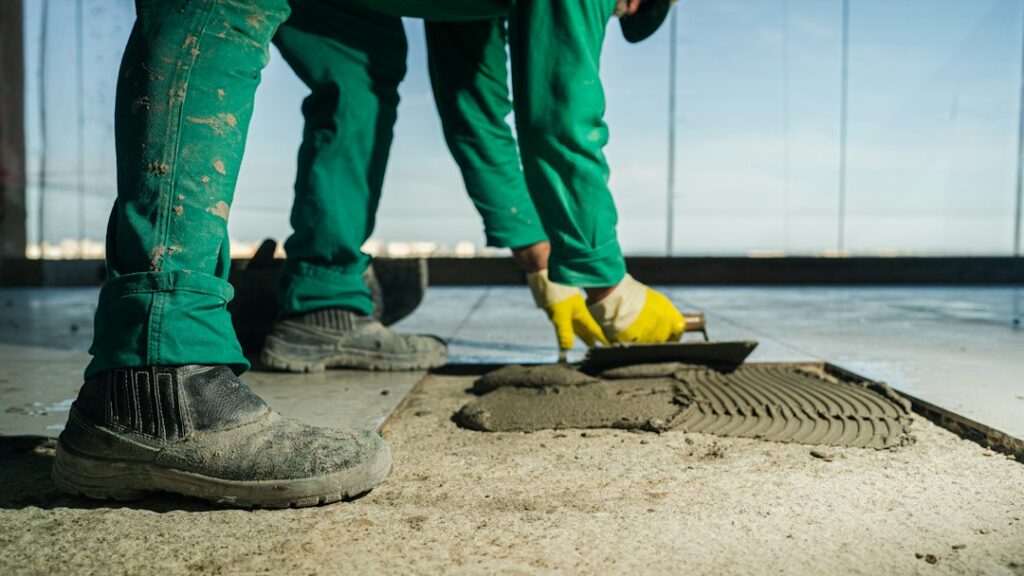
Paver installation cost surprises a lot of homeowners, usually because the pavers themselves are only part of the bill. Much of the money goes into what nobody sees once the job is done: excavation, hauling away soil, crushed base gravel compacted in layers, bedding sand, edge restraint and joint sand. Those hidden layers also decide whether a patio, walkway or driveway stays flat through Colorado winters or starts heaving, sinking and growing weeds within a few years. This guide breaks down what drives the price, how material choices compare, why base preparation matters so much along the Front Range, how permeable pavers handle stormwater, how sealing fits in, and how pavers stack up against poured concrete. All cost figures are broad 2026 estimates rather than quotes, and local labor rates, access and site conditions can push a real bid well outside them.
Part of our Structure & Exterior guide — start there for the full picture →
What Does Paver Installation Cost in 2026?
For a typical residential patio or walkway, installed paver prices are commonly quoted somewhere around $15 to $35 per square foot for standard concrete pavers, with premium materials, complex patterns, difficult access and driveways rated for vehicle loads running higher. Those ranges assume a professional installation with excavation, base, bedding, edge restraint and joint sand included.
A rough breakdown by category looks like this:
- Concrete pavers, simple layout. Often around $15 to $25 per square foot installed.
- Concrete pavers, curves, borders and patterns. Commonly $20 to $35 per square foot, because cutting adds labor and waste.
- Clay brick pavers. Frequently $20 to $40 per square foot.
- Natural stone (flagstone, bluestone, travertine, granite). Commonly $25 to $50 or more per square foot, depending on stone and whether it is dry-laid or set in mortar.
- Permeable interlocking pavers. Often $20 to $45 or more per square foot, largely because the open-graded base is deeper.
- Driveways. Thicker pavers and a deeper base usually add a meaningful premium over a patio of the same size.
Small projects tend to cost more per square foot because mobilization, equipment delivery and minimum charges are spread over less area. A 120-square-foot landing may price far higher per foot than a 600-square-foot patio from the same contractor.
Paver Material Types Compared
Concrete Pavers
Manufactured concrete pavers are the most common choice. They come in many shapes, colors and textures, and they are made to consistent dimensions, which keeps installation efficient. Color can fade over time as the surface wears, and some lower-cost units show more efflorescence or surface wear. Concrete pavers rated for vehicles are usually thicker than patio units.
Clay Brick Pavers
Clay pavers are fired, so their color runs through the unit and tends to hold up well. They are generally harder and denser than many concrete pavers but come in fewer shapes and can be more brittle when cut. Not every clay brick is a paver; units sold as pavers are rated for exposure and traffic, which matters in a freeze-thaw climate.
Natural Stone
Flagstone, sandstone, bluestone and granite give a natural look and are popular in Colorado landscapes. Irregular flagstone requires more fitting labor. Thickness varies more than with manufactured units, which can make a smooth, even surface harder to achieve. Some softer sandstones can spall or flake where deicers and repeated freezing attack them.
Permeable Pavers
Permeable interlocking concrete pavers are shaped or spaced to leave wider joints filled with small clean stone instead of sand. Water drains through the joints into an open-graded stone base that stores it and lets it soak into the soil or drain out through an underdrain. They are covered in more detail below.
Porcelain Pavers
Thinner porcelain pavers have grown popular for modern patios. They resist staining and absorb little water, but they need a carefully prepared base or pedestal system, and outdoor slip resistance should be checked for the specific product.
Base Excavation and Compaction Drive the Price
The base is where good and bad paver jobs separate. A typical installation sequence includes:
- Excavation. Removing sod, topsoil and soft soil to a depth that allows for base, bedding and paver thickness. Patios often need several inches of base; driveways and sites with poor soil usually need more. Excavated soil has to be hauled away, which can be a noticeable line item.
- Subgrade preparation. Compacting the native soil and sometimes installing geotextile fabric to keep base stone from mixing into clay.
- Base gravel. Crushed, angular, well-graded base material placed and compacted in thin lifts with a plate compactor. Dumping the full depth at once and compacting only the top is a common shortcut that leads to settlement.
- Bedding layer. A thin, screeded layer of coarse sand or fine aggregate the pavers sit on. It is not meant to be thick; deep sand beds are a frequent cause of ruts and sinking.
- Laying and cutting. Placing pavers in the chosen pattern and cutting edge pieces.
- Edge restraint. Plastic, aluminum, steel or concrete edging spiked or set along the perimeter so the field cannot creep outward.
- Joint sand and final compaction. Sweeping in sand or polymeric sand and running the compactor over the surface to seat the pavers and lock the joints.
Because excavation, base and compaction are largely labor and equipment, they often account for a large share of the total. A bid that seems unusually low may be trimming base depth or skipping lift-by-lift compaction. Asking each contractor to write down the excavation depth, base material, base thickness and compaction method makes bids easier to compare.
Excavation also means digging near buried lines. Utility locates should be requested before any digging; our guide on calling 811 before you dig explains the process. Cutting pavers with a masonry saw also creates silica dust. OSHA lists sawing brick, concrete and stone among the activities that produce respirable crystalline silica, which is why wet saws and dust control are standard on well-run jobs.
Edge Restraint and Polymeric Sand
Pavers are a flexible system. They interlock through friction in the joints, and that only works when the edges are held firmly. Missing or loose edge restraint is one of the most common reasons outer rows spread apart, sink and rock underfoot. Edging should sit on the compacted base, not on the bedding sand, and should be spiked at close intervals.
Joint sand comes in two broad types:
- Regular jointing sand. Inexpensive and easy to touch up, but it can wash out and allows weeds and ants to move in.
- Polymeric sand. Sand blended with binders that harden after wetting. It resists washout, weeds and insects better, but installation is unforgiving. Residue left on the surface can cause a haze, and applying it to wet pavers or in rain can lead to poor curing. It is generally not used in permeable paver joints.
Polymeric sand typically needs topping up or replacing over the years as it erodes. Budgeting for occasional joint maintenance is more realistic than expecting the joints to last forever.
Slope, Drainage and Freeze-Thaw in Colorado
A paver patio is still a hard surface, and water runs across it. Patios and walkways next to a house should be sloped away from the foundation so runoff does not collect against the wall. A commonly cited target is roughly a quarter inch of fall per foot, although designs vary and some surfaces use less. A patio pitched toward the house can push water into window wells, crawl space vents and basement walls. The yard drainage guide covers grading and how to move surface water to a safe discharge point.
Front Range weather is hard on pavement. Frequent winter freeze-thaw cycles, intense sun and swings of many degrees within a day all stress paving materials. When water sits in a poorly drained base and freezes, it expands and can lift pavers unevenly, which is called frost heave. Spring thaw can then leave a soft, saturated base that settles. Good practice in cold climates includes:
- A compacted, well-draining base deep enough for the soil conditions.
- A slope that sheds water instead of letting it sit.
- Downspouts directed away from the paved area or piped beyond it.
- Choosing units rated for freeze-thaw exposure and going easy on aggressive deicing salts.
Expansive clay soils, common in parts of the Denver metro and along the Front Range, add another layer of movement. Pavers handle minor movement better than slabs because individual units can shift without cracking, and settled areas can be lifted and relaid. That flexibility is a real advantage, but it does not replace a good base.
Permeable Pavers and Stormwater
EPA’s Soak Up the Rain program describes permeable pavements, including interlocking pavers, pervious concrete and porous asphalt, as alternatives that let rain and snowmelt seep through the surface into underlying layers of soil and gravel. EPA notes they can reduce runoff, help filter pollutants and reduce the need for some conventional drainage features. EPA’s urban runoff guidance also explains that pavement and compacted ground keep rain from soaking in, which increases the volume and speed of stormwater runoff.
For a homeowner, the practical points are:
- Higher upfront cost. Permeable systems need a deeper open-graded stone base, which adds excavation and material.
- Soil matters. Tight clay may not absorb water quickly, so some systems include an underdrain to carry water away.
- Keep the water away from the house. Permeable paving right against a foundation can send water down beside basement walls unless it is lined or drained away.
- Maintenance. Joints can clog with sediment and need periodic sweeping or vacuuming to keep infiltrating.
- Local rules. Some municipalities offer stormwater fee credits or have specific requirements for permeable surfaces; checking with the local stormwater utility is worthwhile.
Sealing Pavers
Sealing is optional. Sealers can enhance color, make cleaning easier, resist oil and stains, and help stabilize joint sand. They also add cost, need periodic reapplication and can trap moisture or turn cloudy if applied over damp pavers. Many installers recommend waiting for any efflorescence to work itself out before sealing a new installation. Our guide to paver sealer options covers film-forming versus penetrating products, wet-look finishes and reapplication timing. Professional cleaning and sealing are often priced per square foot as a separate service.
Pavers vs a Concrete Patio
Poured concrete usually costs less per square foot upfront than pavers, particularly for simple rectangular slabs. Pavers usually cost more at installation but can be easier to repair: a settled or stained area can be lifted and relaid, while a cracked slab often needs patching, lifting or replacement. Concrete develops cracks that are expected and controlled with joints; pavers avoid large cracks but need joint maintenance and edge restraint.
Neither choice fixes poor grading. Both need to shed water away from the house. Our sibling guide on the concrete patio explains slope, control joints, cracking and repair options for slabs so the two approaches can be compared side by side.
Other Factors That Move the Price
Beyond material and base, several site conditions regularly push a paver bid up or down:
- Demolition. Breaking out and hauling away an old concrete slab or failed paver patio can add a noticeable per-square-foot charge before any new work begins.
- Access. Backyards reachable only through a narrow side gate may require smaller equipment or hand-carting base material, which adds labor.
- Slope and steps. Sloped yards may need a retaining wall, steps or raised seat walls to create a level area. Those elements are often priced separately and can exceed the cost of the paving itself; our retaining wall block guide covers how those walls are built.
- Soil conditions. Soft clay, high groundwater or rock can mean deeper excavation, fabric or more base stone.
- Design details. Inlays, circles, multiple colors, soldier-course borders and integrated lighting all add cutting and labor.
- Season. Spring and early summer are busy along the Front Range, and some contractors price late-season work differently.
DIY vs Professional Installation
Doing the work personally can cut the bill substantially, since labor is a large share of the cost. Materials and rented equipment such as a plate compactor and wet saw still add up, and the physical work of excavating and moving tons of base stone is significant. The most common DIY problems are thin or poorly compacted base, deep bedding sand, weak edge restraint and a surface that slopes the wrong way. A small walkway is a reasonable first project; a large patio or driveway leaves less room for error. Whoever does the work, saving the receipts and photos of the base during construction is helpful later when the home is sold.
What Inspectors Look At
The ASHI Standard of Practice includes adjacent and entryway walkways, patios and driveways among exterior items inspectors inspect, along with grading and surface drainage likely to adversely affect the building. On a paver patio, an inspector commonly notes settled or heaved areas, trip hazards, missing edge restraint, washed-out joints, weeds and, above all, whether the surface slopes toward the foundation.
A home inspection does not verify base depth or compaction. Buyers who see widespread settlement may want a hardscape contractor’s opinion during the inspection period. The guide to hiring a home inspector covers scoping, and the structure and exterior hub gathers related topics on grading, foundations and exterior surfaces.
Getting Accurate Paver Quotes
Comparing bids works best when every contractor prices the same scope. A useful checklist includes:
- Total square footage and pattern, with borders and cuts identified.
- Excavation depth and soil disposal.
- Base material type, depth and lift-by-lift compaction.
- Bedding material and thickness.
- Edge restraint type.
- Joint material, regular or polymeric sand.
- Planned slope direction and any drainage work.
- Permits, if required, and warranty terms on settlement.
A detailed written scope usually tells more about long-term quality than the price per square foot alone.
References
- Soak Up the Rain: Permeable Pavement — U.S. Environmental Protection Agency
- Nonpoint Source: Urban Areas — U.S. Environmental Protection Agency
- Silica, Crystalline — Occupational Safety and Health Administration
- ASHI Standard of Practice for Home Inspections — American Society of Home Inspectors
Frequently asked questions
How much does paver installation cost per square foot?
Professionally installed concrete pavers are commonly quoted around $15 to $35 per square foot in 2026, with natural stone and permeable systems often higher. Base depth, access, pattern complexity and local labor rates move the price.
Are pavers cheaper than a concrete patio?
Usually not upfront. A simple poured slab typically costs less per square foot, but pavers can be easier and cheaper to repair because individual units can be lifted and relaid instead of patching or replacing a cracked slab.
Why do pavers sink or heave?
Common causes include a base that was too thin or not compacted in lifts, a thick sand bedding layer, missing edge restraint and water that saturates the base and freezes. Poor slope and downspouts dumping onto the surface make it worse.
Do permeable pavers cost more?
Generally yes, because they need a deeper open-graded stone base and sometimes an underdrain. They can reduce runoff, and some municipalities offer stormwater credits, so checking local programs is worthwhile.
Should new pavers be sealed?
Sealing is optional. It can enhance color and resist stains, but it needs reapplication and should go on clean, dry pavers. Many installers suggest waiting until any initial efflorescence clears before sealing.
Buying a home with a paver patio that rocks, sinks or slopes toward the basement? Ask us for a Front Range inspector referral and get the drainage and hardscape checked before closing.