Heat Pump Installation Cost: Typical 2026 Ranges and Quotes
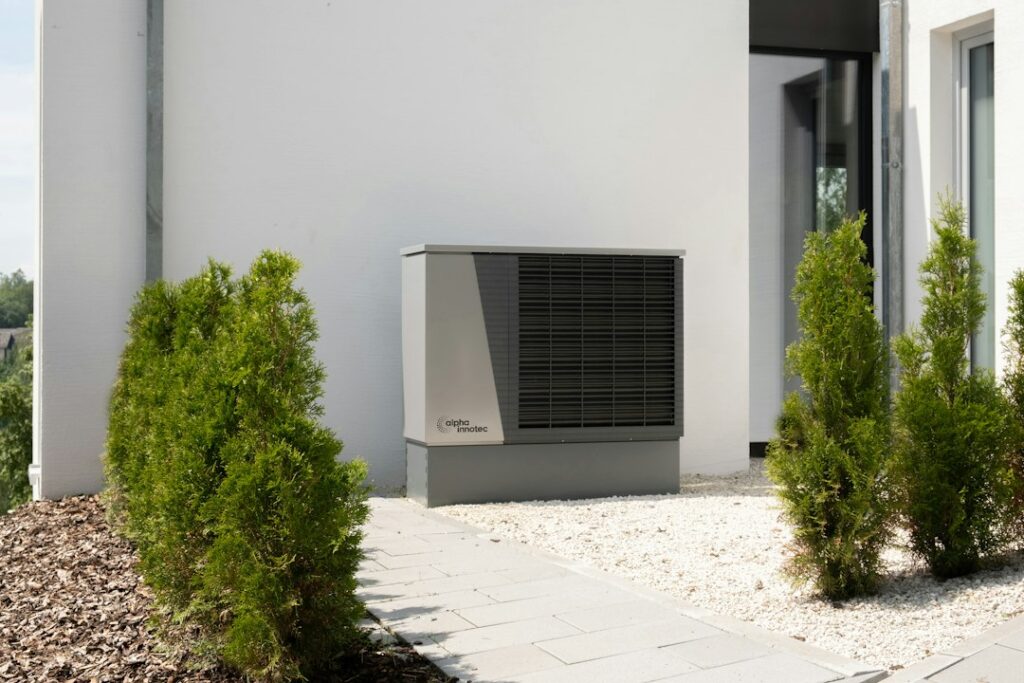
A typical heat pump installation cost for a ducted, whole-house air-source system that reuses existing ductwork falls somewhere around $7,000 to $15,000 nationally in 2026, with cold-climate and variable-speed systems often running $12,000 to $22,000 or more. Ductless mini-splits cost less for a single room and can cost more than a ducted system once several indoor heads are involved. The final number depends far more on the house than on the box: duct condition, electrical capacity, system size, the efficiency tier chosen and how much backup heat the climate demands. This guide walks through typical ranges, what drives a quote, how to decide between repairing an old system and replacing it, how to read a bid line by line and which Front Range conditions genuinely change the math. It summarizes general guidance as of 2026; figures are typical national ranges rather than quotes, and local pricing and code requirements always take priority.
Part of our Heating, Cooling & Ventilation guide — start there for the full picture →
Heating or cooling trouble? Talk to a local HVAC technician.
📞 Call (833) 491-1876Typical Heat Pump Installation Cost Ranges
The table below gives typical national ranges for installed systems, including equipment, labor and normal materials. Treat every figure as a starting point for conversation with contractors, not a price anyone should expect to match exactly.
| Job type (typical national range, 2026 — get local quotes) | Typical installed cost | What usually sits behind the range |
|---|---|---|
| Ducted heat pump replacing an existing heat pump or central AC, ducts reused | $7,000–$15,000 | Tonnage, single-stage vs two-stage vs variable-speed, new air handler or coil |
| Cold-climate ducted heat pump (rated for low-temperature heating) | $12,000–$22,000+ | Variable-speed compressor, larger capacity, backup heat, controls |
| Dual-fuel add-on: heat pump replaces AC, existing furnace kept as backup | $6,000–$12,000 | Outdoor unit, matched coil, dual-fuel thermostat or controls |
| Single-zone ductless mini-split | $3,500–$7,500 | Head size, line-set length, wall vs ceiling cassette |
| Multi-zone ductless (three to five indoor heads) | $9,000–$22,000+ | Number of heads, line routing, condensate drainage, finish work |
| Ducted system plus new ductwork in a home without ducts | $15,000–$30,000+ | Duct design, chases and soffits, drywall repair |
| Geothermal (ground-source) heat pump | $20,000–$45,000+ | Drilling or trenching, loop length, soil and rock conditions |
Our main guide to heat pump installation covers how the work is actually done, from the load calculation to commissioning. If the home has no ducts or only needs to condition an addition, the companion guide to ductless mini-split installation cost breaks down per-zone pricing in more detail.
Common add-on line items
Many quotes that look high are high because of work around the heat pump rather than the heat pump itself. These are the add-ons that most often appear, again as typical national ranges:
- Electrical service or panel upgrade: roughly $1,500–$4,500 when the existing panel lacks capacity or breaker space.
- New dedicated circuit and disconnect only: often a few hundred dollars to about $1,000.
- Duct modifications, sealing or a new return: about $500–$4,000 depending on access and scope.
- New refrigerant line set: commonly $500–$1,500, more for long or concealed runs.
- Electric resistance backup (heat strips) in the air handler: around $300–$1,200.
- Pad, wall bracket or elevated stand for the outdoor unit: $150–$800.
- Thermostat or communicating control: $150–$600.
- Permit and inspection fees: vary by jurisdiction; check with the city or county building department.
- Removal and refrigerant recovery from the old equipment: sometimes itemized, sometimes bundled.
What Drives the Price of a Heat Pump Installation
Two houses with the same square footage can receive quotes that differ by several thousand dollars, and the difference is usually explainable. The main cost drivers are below.
System size and load
Heat pumps are sized in tons of capacity, and larger capacity costs more. Size should come from a load calculation, not the square footage alone. ENERGY STAR’s buying guidance for air-source heat pumps says the contractor “should verify the proper size system for your home using a tool called ‘Manual J’ – a calculation of the amount of heating and cooling your home requires.” A well-insulated house may need less capacity than the old equipment it replaces, which can lower the cost. A drafty house heated mainly by the heat pump may need more.
Efficiency tier and compressor type
Single-stage units are the least expensive. Two-stage and variable-speed (inverter) units cost more up front, run more quietly, hold temperature more evenly and generally keep more heating capacity in cold weather. Cold-climate models carry a premium. ENERGY STAR notes that its certification requires third-party verified performance at low temperatures, “testing ASHPs down to 5°F.”
Ducts and air handler
Reusing sound, well-sized ductwork is the cheapest path. Undersized returns, leaky joints or ducts in an unconditioned attic add cost but also affect whether the new system performs as rated. A heat pump typically pairs with a matched indoor air handler or coil; replacing only the outdoor unit and leaving an old, mismatched indoor coil is a common corner cut.
Electrical capacity
Homes converting from a gas furnace to all-electric heat sometimes need more amperage than the panel can supply, especially when backup heat strips, an electric range, an EV charger or a heat pump water heater are also on the panel. A panel upgrade is one of the biggest swing factors in a quote.
Access, labor and timing
Tight attics, long line-set runs, crane lifts for rooftop or second-story placement and finished basements all add labor hours. Emergency replacements in the middle of a heat wave or cold snap often cost more, partly because the homeowner has less room to compare bids.
Refrigerant transition
The industry is in the middle of a refrigerant changeover. The EPA’s technology transitions rule lists a global warming potential limit of 700 for new residential and light commercial air conditioning and heat pump systems, with a January 1, 2025 compliance date, and notes there is no installation compliance date for systems whose specified components were manufactured or imported before that date. In practice, that means quotes in 2026 may mix newer lower-GWP equipment with remaining older inventory. Ask which refrigerant the proposed system uses and whether service parts and refrigerant will be readily available.
Repair or Replace: Making the Decision
Many homeowners start looking at heat pump installation cost after a repair quote for an aging air conditioner or heat pump. A few rules of thumb help frame the decision. They are rules of thumb, not formulas, and a contractor who understands the house may reasonably recommend otherwise.
- Age against lifespan. Air-source heat pumps and central air conditioners commonly last somewhere around 10 to 15 years, sometimes longer with good maintenance. A unit past the ten-year mark is a reasonable point to at least price a replacement alongside the repair.
- The 50 percent rule of thumb. If a single repair approaches half the cost of a new system and the equipment is past mid-life, replacement often makes more sense.
- The age-times-repair rule of thumb. Some contractors multiply the unit’s age by the repair cost; when the result exceeds the cost of a new system, they lean toward replacement. It is a crude screen, not a verdict.
- Frequency of repairs. A system that needs a service call every season, while energy bills creep upward, is often telling you it is near the end.
- Efficiency gains. A new, correctly installed high-efficiency unit replacing a 15-year-old system can noticeably cut heating and cooling bills. The actual savings depend on the old unit, utility rates and how the system is used.
Some failures are worth repairing even on older systems. A failed capacitor, contactor or fan motor is usually an inexpensive fix. A failed compressor or a large refrigerant leak in the outdoor coil on a unit past ten years old is where the replacement conversation usually begins.
For homeowners weighing a heat pump against a new gas furnace, our comparison of heat pump vs furnace covers operating cost, comfort and how dual-fuel setups split the difference.
How to Read a Heat Pump Quote
A good quote reads like a scope of work. A weak one reads like a price tag. ENERGY STAR’s tips for hiring a heating and cooling contractor recommend getting “written, itemized estimates” and comparing “cost, energy efficiency and warranties,” and they warn that “A lowest price may not be the best deal if it’s not the most efficient because your energy costs will be higher.” Plan to collect two or three written quotes for the same scope.
Line items that should be there
- Outdoor unit and indoor air handler or coil, each with brand and full model number
- The capacity in tons or BTU per hour and the efficiency ratings (SEER2, HSPF2) for the matched system
- A statement that a load calculation was or will be performed
- Line set: reused, flushed or replaced
- Electrical work: circuit, disconnect, panel changes, and who performs them
- Backup heat: strip size or furnace integration
- Thermostat or control included
- Duct work: what is being sealed, modified or added
- Permit, inspection and removal of the old system
- Warranty terms on equipment and separately on labor
- Commissioning steps: refrigerant charge verification and airflow measurement
ENERGY STAR’s HVAC quality installation guidance lists the same commissioning points homeowners should ask about: equipment that is “properly designed and sized,” airflow that “meets manufacturer performance specifications,” a refrigerant charge that the contractor “tests and adjusts,” and ducts that are inspected with “a leakage test.”
Red flags
- Sizing by square footage alone. ENERGY STAR advises homeowners not to rely “on a ‘rule of thumb'” for sizing.
- No permit mentioned. Permitted work gets an independent inspection. Skipping it can create problems at resale.
- Mismatched components. A new outdoor unit with the old indoor coil may not deliver the rated efficiency.
- Pressure tactics. “Today-only” pricing or a refusal to put the quote in writing.
- Bundled whole-house packages. Duct cleaning, UV lights, air purifiers and extended service plans added without explanation. Some may be useful; each should be priced separately so it can be declined.
- Vague backup heat. In a cold climate, how the house stays warm on the coldest nights is a central design question, not a footnote.
Questions to ask
- What heating capacity does this system deliver at 5°F and at 17°F, and how does that compare with the house’s calculated load?
- At what outdoor temperature will backup heat take over, and what will that cost to run?
- Does the existing panel have the capacity, and was that checked in person?
- Which refrigerant does this system use?
- Who handles the permit, and will the final inspection be scheduled before the final payment?
Incentives and Operating Cost
Incentives can change the net installed cost considerably, but they move around. ENERGY STAR’s tax credit page for air-source heat pumps states that the federal credit, worth “30% of project cost up to $2,000,” applied to products “purchased and installed between January 1, 2023, and December 31, 2025.” Homeowners installing in 2026 should confirm with a tax professional what, if anything, applies to their installation date rather than assuming the credit is still available.
Utility rebates and state or local programs are separate from the federal credit. Many Front Range utilities and some municipalities have offered heat pump rebates, sometimes with higher amounts for cold-climate models and for income-qualified households. Program rules change often, so check with the electric utility and the ENERGY STAR rebate finder before signing a contract, because some programs require pre-approval or a participating contractor.
Operating cost is the other half of the equation. ENERGY STAR explains that because heat pumps move heat rather than generate it, an air-source heat pump “can deliver up to three times more heat energy to a home than the electrical energy it consumes.” Whether that translates into lower bills depends on local electricity and gas rates and on how often backup heat runs. Heat pumps also behave differently from furnaces day to day: ENERGY STAR advises picking “a comfortable temperature and leave it there” rather than deep setbacks.
Front Range Factors That Change the Math
Not every regional detail matters for a heat pump, but several do along the Colorado Front Range.
Cold snaps and backup heat
Front Range winters are often mild and sunny between storms, which suits heat pumps well, but arctic outbreaks can push overnight lows well below zero. A standard heat pump loses capacity as temperatures fall. That is why many Denver-area installations either specify a cold-climate model or keep a gas furnace as backup in a dual-fuel arrangement. ENERGY STAR notes that a cold-climate unit “will continue working at temperatures below 5°F, but pairing it with a back-up energy source will heat your home the most efficiently when temperatures are even lower.”
Altitude
Thin air at elevation affects gas backup more than the heat pump itself. A gas furnace kept as backup in a dual-fuel system is subject to altitude derating, so its rated input does not translate directly into delivered heat at 5,000 to 6,000 feet and above. Outdoor coil fans also move less air mass at altitude. Ask the contractor whether the manufacturer publishes altitude adjustments for the proposed equipment and whether the load calculation used local design conditions.
Snow, hail and defrost drainage
Heat pumps run defrost cycles in winter and shed meltwater. On the Front Range, where freeze-thaw cycles are frequent, that water can refreeze into ice under the unit. Elevated stands, a clear drainage path and placement away from roof drip lines help. Hail can damage outdoor coil fins; some homeowners check whether a hail guard is appropriate or whether the unit is covered under their homeowners insurance policy. Our guide to why a heat pump freezes up explains which ice is normal and which is not.
Dry winters
Low winter humidity is the norm along the Front Range. Heat pumps deliver air at a lower temperature than a gas furnace, which some people notice as a different comfort feel, and dry indoor air can make that more noticeable. That is a comfort issue rather than a cost line, but it is worth discussing during the estimate if the household is sensitive to it.
Permits
Heat pump replacements and new installations generally require a mechanical permit, and electrical work may require a separate electrical permit. Requirements and fees vary between Denver, the suburbs and unincorporated county areas, so check with the city or county building department or confirm that the contractor will pull the permit.
How a Home Inspection Flags Heat Pump Issues
Buyers often first think about heat pump installation cost after reading an inspection report. Under the ASHI Standard of Practice, the inspector shall “Open readily openable access panels” and inspect “Installed heating equipment” and “Central and permanently installed cooling equipment,” along with distribution systems. The same standard says the inspector is not required to determine “Heat supply adequacy and distribution balance” or “cooling supply adequacy and distribution balance.” A home inspection therefore identifies visible problems and the general condition of the system rather than producing a load calculation or a repair estimate.
Typical findings that lead to a heat pump conversation include:
- Equipment near or past its expected service life, often read from the data plate
- Damaged or corroded outdoor coil fins, often from hail or debris
- Missing or damaged line-set insulation
- An outdoor unit that is not level, sits in poor drainage or is crowded by shrubs
- Abnormal noise, short cycling or poor temperature difference across the indoor coil during operation
- Signs of condensate leaks at the indoor air handler
When a report recommends further evaluation, the next step is a licensed HVAC contractor who can test refrigerant pressures, electrical components and capacity. Our heating and cooling hub collects related guides on HVAC systems, and the broader hiring process pillar covers how to line up specialists during a purchase. If a home on the Front Range has an aging system and the timeline is tight, contact our team to arrange an inspection before negotiating repairs or credits.
Budgeting Checklist Before Signing
A short checklist helps turn three quotes into a fair comparison:
- Confirm each quote covers the same scope: same capacity, comparable efficiency tier, same backup heat approach and the same duct and electrical work.
- Ask each contractor for the load calculation summary, not just the conclusion.
- Check model numbers on the manufacturer’s site and in the ENERGY STAR product finder to confirm certification and matched-system ratings.
- Separate optional add-ons from the core installation so they can be compared or declined.
- Confirm the permit, the final inspection and the commissioning report before the last payment.
- Verify current incentive eligibility in writing before the installation date.
A slightly higher quote that includes a proper load calculation, duct testing and verified refrigerant charge is often the better value over the life of the system than the lowest number on the table.
References
- Air-Source Heat Pumps — ENERGY STAR
- Air Source Heat Pumps Tax Credit — ENERGY STAR
- HVAC Quality Installation — ENERGY STAR
- 10 Tips for Hiring a Heating and Cooling Contractor — ENERGY STAR
- Technology Transitions HFC Restrictions by Sector — U.S. Environmental Protection Agency
- ASHI Standard of Practice for Home Inspection — American Society of Home Inspectors
Frequently asked questions
How much does it cost to install a heat pump in 2026?
A ducted air-source heat pump that reuses existing ductwork typically runs around $7,000 to $15,000 nationally, and cold-climate variable-speed systems often run $12,000 to $22,000 or more. Panel upgrades, new ducts and long line sets push the total higher, so local written quotes are the only reliable number.
Is a cold-climate heat pump worth the extra cost on the Front Range?
It often is for homes that will rely on the heat pump as the main heat source, because these units keep more capacity in cold weather. Homes that keep a gas furnace as backup in a dual-fuel setup may do well with a less expensive standard heat pump.
Do heat pumps need a permit?
Installation or replacement of a heat pump generally requires a mechanical permit, and electrical work may need its own permit. Requirements and fees vary, so check with the city or county building department or confirm the contractor will pull the permit.
Is the federal heat pump tax credit still available?
ENERGY STAR's tax credit page states that the air-source heat pump credit covered products purchased and installed between January 1, 2023, and December 31, 2025. Confirm current eligibility with a tax professional and check utility and local rebates separately.
Can a heat pump use existing ductwork?
Usually yes, if the ducts are sound and sized for the airflow the new system needs. A good contractor will inspect and leak-test the ducts and may recommend sealing or adding a return before the new equipment goes in.
Buying a Front Range home with an older heat pump or air conditioner? Reach out to our team to schedule an inspection before you negotiate.