Heat Pump vs Furnace: Costs, Comfort and Cold-Climate Fit
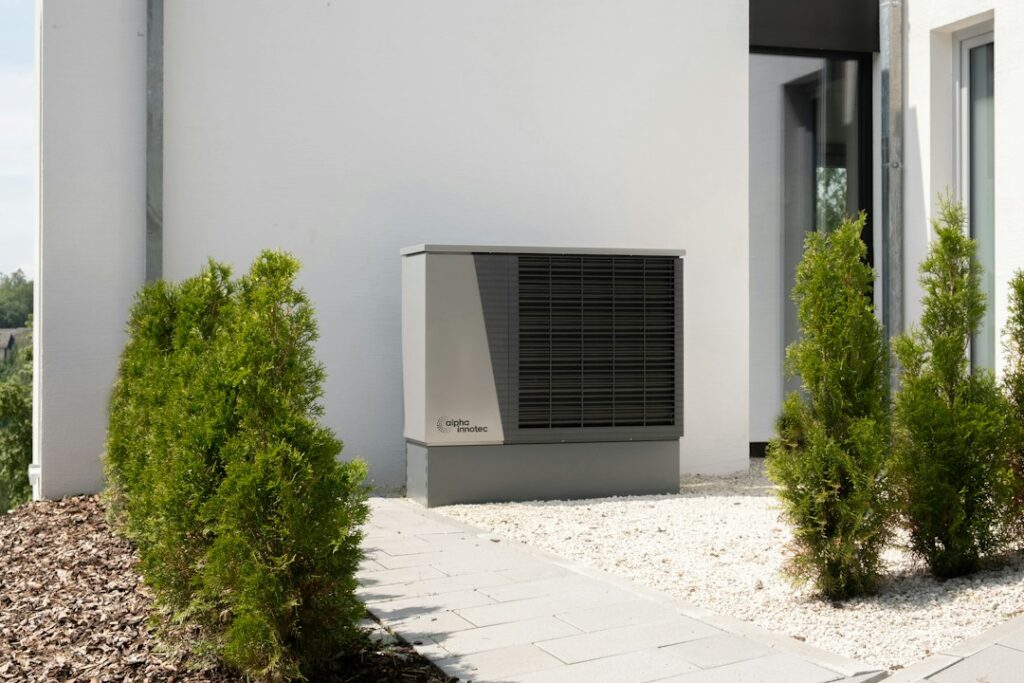
Replacing a heating system used to be a simple decision along the Colorado Front Range: most homes had a gas furnace, and the replacement was another gas furnace. That has changed. Cold-climate heat pumps now handle far lower outdoor temperatures than older models, utilities and governments have pushed electrification, and many homeowners want air conditioning anyway. The heat pump vs furnace question is now a real comparison rather than a formality. This guide explains how each system produces heat, how modern heat pumps perform in a Denver or Colorado Springs winter, what drives operating and installation costs, and why ductwork, electrical capacity and carbon monoxide safety belong in the conversation. Costs and savings vary widely by home, utility rates and equipment, so treat the ranges here as general 2026 context rather than quotes.
Part of our Heating, Cooling & Ventilation guide — start there for the full picture →
Heat Pump vs Furnace: The Short Answer
A furnace makes heat by burning fuel (usually natural gas, sometimes propane) or by running electricity through resistance coils. A heat pump does not make heat in the same way. It moves heat that already exists in the outdoor air into the house, using a refrigerant cycle much like an air conditioner running in reverse. Because moving heat takes less energy than creating it, a heat pump can deliver more heat energy than the electricity it consumes. ENERGY STAR describes certified air-source heat pumps as able to deliver up to three times more heat energy to a home than the electrical energy they use.
For most Front Range homes, the practical answer looks like this:
- A gas furnace is usually the lower upfront cost option when gas service and venting already exist, delivers very hot supply air, and is unaffected by outdoor temperature. It provides no cooling on its own.
- A cold-climate heat pump heats and cools with one outdoor unit, avoids on-site combustion, and is often more efficient than electric resistance heat. Its output and efficiency drop as outdoor temperatures fall, so sizing and backup planning matter.
- A dual-fuel system pairs a heat pump with a gas furnace. The heat pump handles mild and moderate weather, and the furnace takes over on the coldest days or when gas is the cheaper fuel.
Which is “better” depends on local gas and electric rates, the condition of the ductwork, the home’s electrical service, whether air conditioning is wanted, and how much the homeowner values cutting combustion appliances out of the house.
How Each System Heats a Home
Gas Furnaces
A gas furnace burns fuel in a sealed combustion chamber. A heat exchanger separates the flame and exhaust gases from the household air, and a blower pushes house air across the hot exchanger and out through the ducts. Exhaust leaves through a metal flue (standard-efficiency units) or plastic venting (condensing high-efficiency units). Efficiency is expressed as AFUE, the share of fuel energy that ends up as usable heat. Condensing furnaces commonly rate in the 90s.
The strengths are familiar. Supply air feels warm, output does not fade on a below-zero night, and the equipment is well understood by nearly every HVAC contractor in the region. The trade-offs are combustion byproducts, the need for proper venting and a gas supply, and no cooling unless a separate air conditioner is added.
Air-Source Heat Pumps
An air-source heat pump has an outdoor unit containing a compressor and coil, and an indoor coil connected to a blower (either a furnace or a dedicated air handler). In heating mode, refrigerant absorbs heat from outdoor air, even cold air, and the compressor concentrates that heat and releases it indoors. In summer the cycle reverses and the system works as a central air conditioner. ENERGY STAR notes that a ducted heat pump can often connect to existing forced-air ductwork and serve as a drop-in replacement when either an air conditioner or a furnace needs replacing.
Heat pump supply air is usually cooler to the hand than furnace air, often lukewarm rather than hot. The system compensates by running longer, steadier cycles. Variable-speed models tend to feel more even because they modulate output instead of cycling fully on and off.
Electric Furnaces and Backup Heat Strips
Electric resistance heat, whether in an electric furnace or as “heat strips” inside a heat pump air handler, converts electricity to heat at roughly one-to-one. It is simple and reliable but tends to be expensive to run in a cold climate. In heat pump systems, strips typically serve as backup or emergency heat, kicking in during defrost cycles or when the heat pump alone cannot keep up.
Cold-Climate Heat Pumps on the Front Range
The old warning that heat pumps “don’t work in Colorado” was based on earlier equipment that lost much of its capacity well above freezing. Newer cold-climate models use variable-speed compressors and refrigerant designs intended to keep producing heat at much lower temperatures. ENERGY STAR’s air-source heat pump guidance says its cold-climate certification requires third-party verified performance testing down to 5°F, and that these units continue working below 5°F, though pairing them with a backup energy source is the most efficient approach when temperatures drop even lower.
That framing fits the Front Range well. Denver, Castle Rock, Parker, Colorado Springs and Boulder see many winter days that hover in the 20s to 40s, where a well-sized cold-climate heat pump typically runs efficiently. They also see occasional arctic outbreaks with overnight lows near or below zero. Higher-elevation communities in Douglas, Elbert and El Paso counties can run colder still. During those stretches, a heat pump’s capacity drops and its efficiency falls, which is why backup heat planning is part of any honest design.
Backup Options: Heat Strips or Dual Fuel
There are two common approaches:
- All-electric with resistance backup. The heat pump carries most of the load, and electric heat strips fill the gap on the coldest days. This avoids gas entirely but can produce high electric bills during long cold snaps, and the strips add significant electrical load.
- Dual fuel. A heat pump is paired with a gas furnace that serves as the air handler and backup. A thermostat or controller switches to gas below a set outdoor temperature (often called the balance point or switchover point) or when gas becomes the cheaper fuel. ENERGY STAR describes dual-fuel systems as offering the flexibility to use each system optimally based on cost and environmental considerations.
Dual fuel is popular with homeowners who already have gas service and a furnace in reasonable shape, or who are replacing an aging air conditioner and furnace at the same time. It may not suit a homeowner whose goal is to disconnect gas altogether. The right switchover temperature depends on equipment specifications and utility rates, and it can be adjusted after installation as rates change.
Sizing Matters More for Heat Pumps
Furnaces are often oversized without much penalty beyond short cycling. A heat pump that is undersized for heating will lean heavily on backup heat, while one sized only for cooling (the traditional rule for air conditioners) may fall short in January. Ask contractors whether they performed a room-by-room load calculation, often called a Manual J, and which outdoor design temperature they used for the home’s elevation. Ask, too, how much of the home’s heating load the heat pump is expected to cover at that design temperature, and what happens below it.
Operating Costs: It Depends on Your Rates
No single answer covers every home, because operating cost hinges on the price of natural gas versus electricity at the specific address, on equipment efficiency, and on how often backup heat runs. A few principles help frame the comparison without inventing numbers:
- Heat pump efficiency is expressed differently. A furnace is rated by AFUE. A heat pump’s seasonal heating efficiency is expressed as HSPF (or HSPF2 under the current test procedure), and its moment-to-moment efficiency is called the coefficient of performance. Comparing the two requires converting fuel and electricity prices into cost per unit of delivered heat.
- Electric resistance heat is the expensive baseline. Replacing electric baseboard or an electric furnace with a heat pump usually reduces heating costs because the heat pump moves more heat per unit of electricity.
- Gas versus heat pump is closer. Where natural gas is relatively cheap and electricity relatively expensive, a high-efficiency gas furnace may cost less to run during the coldest months. Where electric rates are lower, or time-of-use pricing favors off-peak use, a heat pump may win.
- Cooling is part of the equation. A modern heat pump is often more efficient than an older central air conditioner, so summer savings can offset winter differences.
Practical advice: ask each contractor for a written operating-cost estimate using the home’s actual utility rates and recent usage history, and ask what electricity price and gas price they assumed. Run the numbers again with Xcel Energy, Colorado Springs Utilities or the local co-op’s current rate schedules rather than national averages.
Upfront Costs and What Drives Quotes
Installed prices vary enormously across the Front Range, and any figure below is a rough orientation, not a quote. As a general pattern, a like-for-like gas furnace replacement tends to cost the least up front, often a few thousand dollars to the high single digits for a typical home. A ducted cold-climate heat pump with an air handler or matched furnace usually costs more, frequently landing in the low-to-mid five figures once electrical work and controls are included. Dual-fuel systems often fall in a similar range because the homeowner buys both a heat pump and a furnace. For a detailed breakdown of furnace pricing, see the furnace replacement cost guide.
Common cost drivers include:
- Equipment tier (single-stage, two-stage or variable-speed) and cold-climate ratings.
- Whether the existing air conditioner coil and line set can be reused or must be replaced.
- Ductwork repairs, resizing or sealing.
- Electrical service upgrades, new circuits or a subpanel.
- Outdoor unit placement, pads or wall brackets that keep the unit above snow, and condensate management for defrost meltwater.
- Permits, inspections and controls such as outdoor temperature sensors for dual-fuel switchover.
Get at least two or three itemized quotes. A bid that leaves out the electrical work or the load calculation is not really comparable to one that includes them.
Incentives and Tax Credits
Incentive programs change frequently. ENERGY STAR’s federal tax credit page states that the federal energy efficiency home improvement credits, which covered qualifying air-source heat pumps and furnaces, were available through December 31, 2025. Homeowners should confirm current federal status with ENERGY STAR or a tax professional before counting on any credit, and separately check utility rebates and Colorado state or local programs, which may offer heat pump incentives on their own schedules. Many programs require specific certified equipment or a participating contractor, so verify eligibility before signing.
Electrical Service, Ducts and Ductless Options
Can Your Panel Handle a Heat Pump?
Switching from a gas furnace to an all-electric heat pump adds a sizable electrical load: the outdoor unit, the air handler and, often, backup heat strips. Older homes with 100-amp service or crowded panels may need a load calculation and possibly an upgrade. An electrician should review capacity before the HVAC contract is signed. The electrical panel upgrade guide covers warning signs, permits and rough costs. Dual-fuel systems typically add less electrical load because gas provides the backup instead of resistance strips.
Ductwork Can Make or Break Either System
Both furnaces and ducted heat pumps depend on the ducts to deliver what they produce. ENERGY STAR notes that ducts serving forced-air furnaces, central air conditioners and heat pumps are often big energy wasters, and that sealing and insulating them can improve system efficiency by as much as 20 percent, sometimes more. Because heat pumps deliver cooler supply air over longer run times, leaks in attic or crawl space ducts can be especially noticeable. Undersized return ducts can also choke airflow on a heat pump. Read more in the duct sealing guide before replacing equipment.
Ductless Mini-Splits
Homes without ducts, such as older bungalows with boilers or baseboard heat, or additions that the main system never reached, can use ductless mini-split heat pumps. An outdoor unit connects to one or more wall, ceiling or floor heads inside. Mini-splits avoid duct losses entirely and allow room-by-room control. They require periodic filter cleaning and occasional service; the mini-split repair guide covers common problems and fixes.
Safety, Maintenance and Lifespan
Any home that keeps a gas furnace, whether alone or in a dual-fuel setup, keeps a combustion appliance and the carbon monoxide risk that comes with it. A cracked heat exchanger, blocked flue, disconnected vent or poorly adjusted burner can allow CO into living space. The National Fire Protection Association advises installing CO alarms in a central location outside each sleeping area and on every level of the home, and interconnecting them where possible. Shoppers comparing models can browse carbon monoxide and gas detectors. An all-electric heat pump removes the combustion appliance from the HVAC system, though homes with gas ranges, water heaters, fireplaces or attached garages still need CO alarms.
Maintenance differs in emphasis. Furnaces need annual combustion and safety checks, filter changes and vent inspection. Heat pumps need filter changes, clear airflow around the outdoor unit (including snow and leaves), coil cleaning and refrigerant checks. ENERGY STAR also advises leaving a heat pump at a steady temperature rather than deep setbacks, and setting the thermostat to heat or cool rather than auto. Because a heat pump runs year-round for heating and cooling, its compressor accumulates more operating hours than a furnace’s burner, which can affect service life. Lifespans for either system vary widely with installation quality and maintenance.
Buyers looking at a home with an existing system should have it evaluated before closing. A general home inspection notes visible condition and operation, but a specialist can go deeper; the furnace inspection guide explains what a dedicated evaluation covers.
How to Decide Between a Heat Pump and a Furnace
Working through these questions usually narrows the choice quickly:
- Is the current system failing, or just aging? A failed furnace in January leaves little time for an electrical upgrade. Planning ahead opens more options.
- Is air conditioning wanted or already due for replacement? If the AC is old, a heat pump replaces both functions with one outdoor unit.
- What are the local gas and electric rates? Ask for a cost comparison using actual bills.
- Can the electrical service support it? Get an electrician’s opinion before committing to all-electric backup.
- Are the ducts sound and adequately sized? Leaky or undersized ducts will undermine any new equipment.
- How important is getting off gas? If it is a priority, plan for an all-electric cold-climate system with appropriate backup. If not, dual fuel offers a hedge.
For homebuyers, the HVAC system is one of many components to weigh during due diligence. The guide to hiring a home inspector explains how to schedule general and specialist inspections so heating questions are answered before the contingency deadline.
References
- Air-Source Heat Pumps: How They Work, Dual Fuel and Cold Climate Considerations — ENERGY STAR
- Heat and Cool Efficiently: Filters, Tune-Ups and Duct Sealing — ENERGY STAR
- Federal Tax Credits for Energy Efficiency — ENERGY STAR
- Carbon Monoxide Safety Tips and CO Alarm Placement — National Fire Protection Association
Frequently asked questions
Is a heat pump or a furnace cheaper to run in Colorado?
It depends on the local price of natural gas versus electricity and on equipment efficiency. A heat pump is usually cheaper to run than electric resistance heat, while a high-efficiency gas furnace may cost less during the coldest months where gas is inexpensive. Ask contractors for a comparison using the home's actual rates.
Do heat pumps work when it is below zero?
Cold-climate heat pumps continue to operate below 5°F, according to ENERGY STAR, but their capacity and efficiency drop as temperatures fall. Most Front Range installations include backup heat, either electric heat strips or a gas furnace in a dual-fuel setup, for the coldest stretches.
What is a dual-fuel heat pump system?
A dual-fuel system pairs an electric heat pump with a gas furnace. The heat pump heats during mild and moderate weather, and the furnace takes over below a set outdoor temperature or when gas is the cheaper fuel.
Do I need a new electrical panel for a heat pump?
Not always. Many homes can add a heat pump without an upgrade, but older 100-amp services or full panels may need one, especially if electric backup heat strips are planned. An electrician's load calculation answers the question.
Can a heat pump use my existing ductwork?
Often yes. Ducted heat pumps can connect to existing forced-air ducts, but leaky or undersized ducts reduce comfort and efficiency. Have the ducts evaluated and sealed where needed as part of the project.
Weighing a heat pump against a furnace in a home you are about to buy? Reach out through our contact page and we can help connect you with a Front Range inspector who can assess the heating system before you close.