Heat Pump vs Air Conditioner: Costs, Cold Climate, Verdict
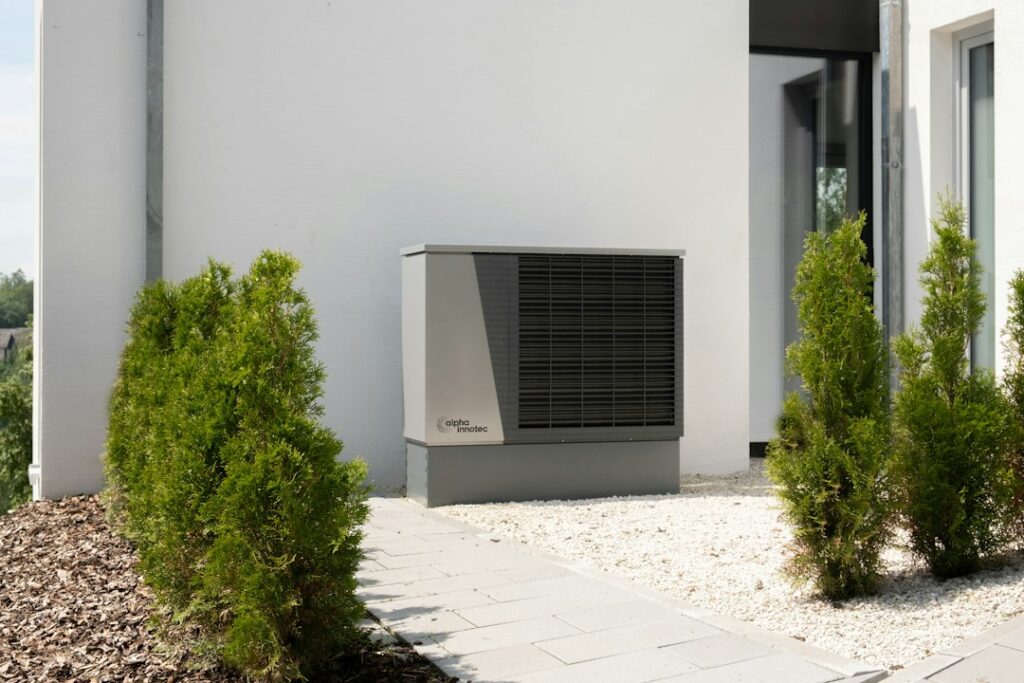
The short answer on heat pump vs air conditioner: in summer they are nearly the same machine, but a heat pump can also run in reverse and heat the house, while a central air conditioner only cools and relies on a furnace or boiler for winter. Choose a heat pump if you want one system for heating and cooling, are replacing an aging AC and furnace together, or want to lean less on gas. Choose a straight air conditioner if you have a newer gas furnace, want the lowest upfront price, and expect very cold winters without a good backup heat source. Many Front Range homes land in the middle with a dual-fuel setup: a heat pump paired with a gas furnace that takes over on the coldest nights. This guide compares the two on cost, efficiency ratings, cold-weather performance, lifespan, maintenance and installation, then walks through how a home inspector looks at each one in a house you are buying. Costs below are typical national ranges for 2026, not quotes; local pricing varies widely. If the real question is heating, see heat pump vs furnace, and for what a new system involves, our heat pump installation guide.
Part of our Heating, Cooling & Ventilation guide — start there for the full picture →
Heating or cooling trouble? Talk to a local HVAC technician.
📞 Call (833) 491-1876Heat Pump vs Air Conditioner at a Glance
The table below compares a typical ducted (central) heat pump with a typical central air conditioner in a single-family home. Ductless mini-split systems are a separate category with their own trade-offs.
| Factor | Ducted heat pump | Central air conditioner |
|---|---|---|
| What it does | Cools in summer and heats in winter by moving heat in either direction | Cools only; heating comes from a separate furnace or boiler |
| Typical installed cost (national range, 2026) | Roughly $6,000–$14,000 for a standard system; cold-climate models and electrical upgrades can push it higher | Roughly $4,500–$10,000 for the outdoor unit and indoor coil, depending on size and efficiency |
| Operating cost | Similar to AC for cooling; heating cost depends on local electric vs gas rates and backup heat use | Cooling cost only; winter cost depends on the furnace and fuel |
| Efficiency ratings | SEER2 (cooling) and HSPF2 (heating) | SEER2 (cooling); furnace rated separately by AFUE |
| Typical lifespan | Often 10–15 years, since it runs year-round | Often 12–17 years, since it runs only in the cooling season |
| Maintenance | Annual service, ideally before heating season; defrost and reversing valve checks | Annual pre-summer service; coil cleaning and refrigerant check |
| Install needs | Ducts in good shape, adequate electrical capacity, often backup heat strips or a furnace | Ducts, a matched indoor coil on the furnace, a dedicated circuit and disconnect |
| Best for | Replacing AC and furnace together, all-electric goals, homes with propane or electric resistance heat | Homes with a newer gas furnace, tight budgets, mild cooling needs |
Treat every dollar figure in that table as a starting point for conversation with contractors, not a price. System size, ductwork condition, access, electrical work and permit requirements move the final number more than the brand on the box.
How Each System Works, and Why They Look Identical Outside
A central air conditioner is a split system. The outdoor condenser holds the compressor and a coil; the indoor evaporator coil sits on top of the furnace or air handler. Refrigerant absorbs heat from indoor air at the evaporator, gets compressed, and dumps that heat outdoors at the condenser. Our guides to the AC compressor and the refrigerant line set explain those parts in more detail.
A heat pump uses the same loop, with one important addition: a reversing valve. In cooling mode it behaves exactly like an air conditioner. In heating mode the valve flips the refrigerant flow, so the outdoor coil pulls heat out of the outside air, even cold air, and the indoor coil releases it into the ductwork. ENERGY STAR describes a ducted air-source heat pump as something like a central air conditioner that also works in reverse to provide whole-house heating in winter.
Because heat pumps move heat rather than creating it by burning fuel, they can deliver more heat energy than the electricity they consume. ENERGY STAR states that an air-source heat pump can deliver up to three times more heat energy to a home than the electrical energy it uses. EPA’s heat pump page adds that a heat pump typically uses about half the energy of other electric home-heating sources, such as baseboard or furnace resistance heat.
From the curb, the two outdoor units are nearly impossible to tell apart. The giveaways are on the data plate (model numbers and listed heating capacity), the thermostat (an “emergency heat” or “aux heat” setting), and the unit itself running and defrosting in winter.
Upfront Cost: What Drives the Difference
A heat pump usually costs more than an air conditioner of the same cooling size, because it contains extra components and, in cold climates, often a variable-speed compressor built for low-temperature operation. The gap shrinks or reverses once you compare like with like: a heat pump replaces both the AC and the heating function, while an AC replacement may be followed a few years later by a separate furnace replacement.
The main price drivers for either system:
- Capacity (tonnage). Larger homes and homes with big west-facing glass need more capacity. Sizing should come from a load calculation, not square footage alone.
- Efficiency tier and compressor type. Single-stage units cost least; two-stage and variable-speed (inverter) units cost more but run quieter and hold temperature better.
- Ductwork. Leaky, undersized or poorly insulated ducts reduce performance for both systems. Sealing or resizing adds cost but often matters more than the equipment upgrade.
- Electrical work. A heat pump with electric backup heat strips may need a larger breaker, new wiring or, in older homes, a panel upgrade. That is one of the most common surprises on heat pump quotes.
- Indoor equipment match. A new outdoor unit should be matched with a compatible indoor coil or air handler. Reusing an old coil to save money can reduce efficiency and void warranties.
- Permits and access. Most jurisdictions require a mechanical permit, and sometimes an electrical permit. Tight side yards, rooftop or attic equipment and long line-set runs add labor.
Typical national ranges give a sense of scale. A straightforward like-for-like AC swap in a mid-sized home often lands in the mid-four to high-four figures; a high-efficiency variable-speed system can reach five figures. A standard ducted heat pump commonly falls a few thousand dollars above a comparable AC, and a cold-climate heat pump with electrical upgrades can run well beyond that. Utility rebates and other incentives change frequently, so check with your electric utility and the ENERGY STAR rebate finder before signing. Our AC installation guide covers what a complete installation quote should include.
Operating Cost and Efficiency Ratings
Cooling: essentially a tie
In summer the two systems use the same physics, so cooling cost depends on the efficiency rating and the installation, not on whether the unit can also heat. Since 2023, cooling efficiency for central systems is rated in SEER2, a version of the older SEER metric measured under test conditions meant to better reflect real ductwork. A higher SEER2 means less electricity per unit of cooling. A heat pump and an AC with the same SEER2 rating should cost about the same to run in July.
Heating: where the real comparison happens
Heat pump heating efficiency is rated in HSPF2. Comparing it with a gas furnace’s AFUE is not apples to apples, because one burns gas and the other moves heat with electricity. The practical question is cost per unit of heat delivered, which depends on three local numbers:
- Your electric rate (including any time-of-use or seasonal pricing).
- Your natural gas or propane price.
- How often outdoor temperatures drop low enough that the heat pump loses efficiency or hands off to backup heat.
Against propane, heating oil or electric baseboard, a heat pump usually wins on operating cost; EPA notes heat pumps are considered one of the most energy-efficient ways to heat a home, especially compared with baseboard electric heat, heating oil or propane. Against relatively inexpensive pipeline natural gas, which much of the Denver metro uses, the answer is closer and can go either way depending on rates. That is why dual-fuel systems are popular here: the heat pump handles mild days efficiently and the furnace takes over below a set outdoor temperature.
Dehumidification
EPA points out that high-efficiency heat pumps can remove humidity better than standard central air conditioners while using less energy. On the dry Front Range, summer humidity is rarely the main complaint, so this matters less here than it does in humid regions.
Cold-Climate Performance on the Front Range
The biggest worry Front Range buyers raise about heat pumps is whether they will keep a house warm when it is below zero outside. Older heat pumps earned a poor reputation in cold places because their output dropped sharply as temperatures fell, forcing them to lean on expensive electric resistance strips.
Newer equipment has changed that picture. ENERGY STAR says many new certified air-source heat pumps provide space heating even in very cold climates thanks to advanced compressors and refrigerants, and that its cold-climate certification requires third-party verified performance testing down to 5°F. ENERGY STAR also notes that a cold-climate unit keeps working below 5°F, but that pairing it with a backup energy source heats the home most efficiently in those conditions. EPA similarly notes that recent improvements make air-source heat pumps more effective in colder climates, including 5°F and colder.
What that means in practice along the Front Range:
- Plan for backup heat. Denver-area winters bring stretches of single digits and occasional subzero nights, and foothill homes see colder lows. A furnace (dual fuel) or electric heat strips cover those periods.
- Size for heating, not just cooling. In a heating-dominated climate, a heat pump sized only to the summer cooling load can come up short in January. A contractor’s load calculation should address both.
- Expect defrost cycles. In winter the outdoor coil frosts over and the unit periodically reverses to melt it, sometimes with a puff of steam. That is normal; a unit encased in ice is not.
- Site the outdoor unit carefully. It should sit on a level pad, raised enough that snow and meltwater can drain away, and out from under a roof edge where ice and snow can drop on it.
Altitude has a modest effect on air-source equipment because thinner air carries less heat per cubic foot, but the larger altitude concern in Colorado is with gas furnaces, which must be set up for elevation per the manufacturer. Ask your contractor whether the equipment ratings they quote reflect your home’s elevation.
Lifespan, Maintenance and Reliability
An air conditioner runs only part of the year, so its compressor and fan motor accumulate fewer hours. A heat pump works in both seasons, which is a big reason heat pumps are often expected to last somewhat less than an AC. Typical ranges are around 10–15 years for heat pumps and 12–17 years for central AC, with installation quality, maintenance and hail exposure making the largest differences. ENERGY STAR suggests that a heat pump or air conditioner more than 10 years old is a candidate for replacement with a certified, more efficient unit, especially when repairs and energy bills are climbing.
Maintenance needs overlap heavily. ENERGY STAR’s maintenance checklist recommends annual pre-season check-ups (cooling in spring, heating in fall), including coil cleaning, refrigerant charge checks, electrical connection tightening, condensate drain checks and monthly filter inspection. A heat pump owner should get that visit before winter and again before summer, since the same equipment carries both loads. Our AC maintenance guide covers the homeowner side of that list.
Common failure points are similar for both: capacitors, contactors, fan motors, refrigerant leaks and clogged condensate drains. Heat pumps add a reversing valve and defrost controls. When something does fail, our air conditioner repair guide explains what is usually worth fixing versus replacing.
Refrigerant is regulated for both systems. EPA’s Section 608 rules prohibit intentionally venting refrigerants, including HFCs, while servicing or disposing of air conditioning equipment, and technicians who handle refrigerant must be certified. A contractor who offers to “top off” a leaking system year after year without finding the leak is a red flag.
Installation Requirements and Common Pitfalls
Swapping an old AC for a heat pump is often straightforward where ducts and electrical service are adequate. ENERGY STAR notes that in most areas a heat pump can be installed as a drop-in replacement when either a central AC or a furnace needs replacing, and that a heat pump added to a relatively new furnace creates a dual-fuel system for a modest extra cost over an AC.
The details that separate a good installation from a mediocre one apply to both systems:
- Load calculation. ENERGY STAR recommends a Manual J calculation to size equipment, and its quality-installation guidance warns that oversized equipment may cycle too often, reducing comfort and shortening lifespan.
- Airflow and refrigerant charge. Both should be measured and set to manufacturer specifications at startup, not assumed.
- Duct evaluation. Leaky ducts waste energy and reduce airflow; a leakage test before or after installation is worth requesting.
- Thermostat setup. A heat pump needs a compatible thermostat and properly configured auxiliary heat, or the electric strips may run far more than they should.
- Electrical. A dedicated circuit, correctly sized breaker and an outdoor disconnect within sight of the unit are standard.
Front Range Factors Worth Weighing
A few regional conditions change the calculation compared with national advice:
- Hail. Outdoor coil fins dent easily, and severe hail can flatten enough fin area to cut efficiency. This hits heat pumps and ACs equally, but a heat pump depends on that coil all year. Check whether homeowner’s insurance covers hail damage to HVAC equipment, and avoid tightly sealed covers on a heat pump, which must keep running in winter.
- Dry air and big daily swings. Low humidity means cooling loads are mostly sensible heat. Some older Front Range homes still use evaporative (swamp) coolers, which are a different technology altogether and do not heat.
- Cheap gas, rising electrification. Many metro homes already have gas furnaces. A dual-fuel heat pump is often the lowest-regret upgrade when the AC fails, because it keeps the furnace as backup.
- Local rules. Permits, setback rules for outdoor units and any local electrification incentives vary by city and county. Check with your city or county building department and your utility before committing.
Which Should You Choose?
Use this list as a starting decision guide, then confirm with a load calculation and written quotes.
- Your AC died and your gas furnace is under about 10 years old: a heat pump in a dual-fuel setup is worth pricing alongside a straight AC. If the price gap is small, the heat pump adds heating flexibility.
- Both the AC and furnace are near end of life: compare a heat pump plus air handler (or plus a new furnace for dual fuel) against a new AC plus furnace. Total project cost is often closer than buyers expect.
- You heat with propane, oil or electric baseboard: a heat pump usually lowers heating costs, and EPA’s comparison supports that.
- Lowest upfront cost is the priority and you have a good gas furnace: a straight central AC is the simpler purchase.
- Your home has no ducts: consider ductless mini-split heat pumps rather than adding ducts for central AC. Portable or window units are a stopgap; see our window air conditioner picks if you need one room cooled now.
- You live high in the foothills with long subzero stretches: insist on a cold-climate rated heat pump with backup heat, or keep combustion heat as the primary source.
Get at least two or three written quotes that specify model numbers for both the outdoor and indoor units, SEER2 and HSPF2 ratings, backup heat type, electrical work, permit, and warranty terms. A quote that lists only “3-ton system” without matched model numbers is hard to compare.
How a Home Inspector Evaluates Each System
During a standard home inspection, the inspector identifies the type of cooling and heating equipment and checks that it operates using normal controls. With a heat pump, that usually means confirming both heating and cooling modes respond where outdoor temperature allows, since running cooling in very cold weather can damage a compressor. Many inspectors will not force cooling mode below roughly 60°F for that reason, and will note the limitation in the report.
Typical observations include:
- Data-plate age and capacity of the outdoor unit, and whether it appears matched to the indoor coil or air handler
- Damaged or dirty coil fins, including hail damage
- An outdoor unit that is unlevel, sinking or blocked by plants and fencing
- Damaged refrigerant line insulation, oil stains suggesting leaks, and a missing or damaged disconnect
- Condensate drain problems at the indoor unit
- For heat pumps, auxiliary or emergency heat operation and thermostat compatibility
An inspection is visual and does not include a refrigerant charge test or a full performance evaluation. If the system is near or past its typical service life, or if anything abnormal shows up, the usual recommendation is evaluation by a licensed HVAC contractor before closing. Our guide to finding an HVAC inspector explains when that deeper review is worth paying for, and the heating and cooling hub collects our related equipment guides.
References
- Air-Source Heat Pumps — ENERGY STAR
- Heat Pumps — U.S. Environmental Protection Agency
- HVAC Quality Installation — ENERGY STAR
- Maintenance Checklist — ENERGY STAR
- When Is It Time to Replace? — ENERGY STAR
- Stationary Refrigeration and Air Conditioning (Section 608) — U.S. Environmental Protection Agency
Buying a Front Range home and unsure whether its heat pump or air conditioner has years left in it? Reach out through our contact page to connect with a local inspector.