Heat Pump Installation: Cold-Climate Models, Sizing, Backup Heat
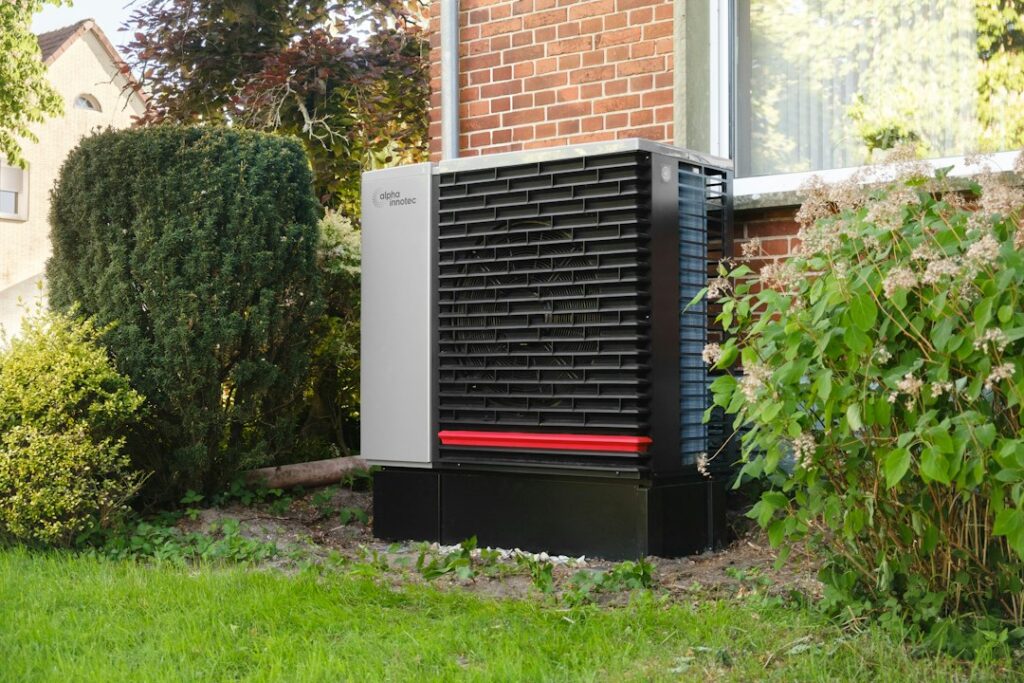
Heat pumps have moved from a mild-climate niche to a mainstream choice in Colorado. Newer cold-climate models keep producing heat on January nights along the Front Range, and a single system can replace both a furnace and a central air conditioner. The catch is that a heat pump is less forgiving of a poor install than a gas furnace. Sizing, backup heat strategy, electrical capacity, thermostat setup and ductwork all decide whether the system keeps the house comfortable at 5°F or leans on expensive electric resistance heat all winter. This guide explains what a professional heat pump installation should include, how the main system types compare, what cold-climate certification means, and how costs and incentives tend to work. Refrigerant and electrical work belong to licensed contractors; the aim here is to help homeowners and buyers ask sharper questions and evaluate bids.
Part of our Heating, Cooling & Ventilation guide — start there for the full picture →
How a Heat Pump Installation Works
A heat pump moves heat rather than making it. ENERGY STAR explains that in summer a heat pump works just like a standard air conditioner, using refrigerant to absorb heat indoors and release it outside, and in winter the same cycle runs in reverse to pull heat from outdoor air and deliver it inside. Because it moves heat instead of converting fuel, ENERGY STAR says an air-source heat pump can deliver up to three times more heat energy to a home than the electrical energy it consumes.
A typical ducted installation includes:
- An outdoor unit containing the compressor, a reversing valve and an outdoor coil.
- An indoor air handler or furnace with a matched indoor coil.
- A refrigerant line set, which is brazed, pressure-tested and evacuated before charging.
- A condensate drain, because the indoor coil makes water in cooling mode.
- A 240-volt circuit for the outdoor unit and, in many cases, a separate large circuit for electric backup heat.
- A thermostat or control that can manage heat pump stages, auxiliary heat and defrost.
- Commissioning: verifying charge, airflow, defrost operation and the backup heat lockout settings.
EPA rules under Section 608 of the Clean Air Act require certification for technicians who service equipment containing regulated refrigerants, so refrigerant work is not a homeowner project.
Air-Source, Ductless and Ground-Source Options
Ducted air-source heat pumps
The most common whole-house choice connects to existing forced-air ducts. ENERGY STAR describes a ducted air-source heat pump as working like a central air conditioner that also runs in reverse to provide whole-house heat, and notes that in most zones it can be installed as a drop-in replacement when either a central air conditioner or a furnace needs replacement. That timing matters: many Front Range homeowners make the switch when an old AC fails, keeping the furnace as backup.
Ductless mini-split heat pumps
Homes without ducts, including older Denver bungalows with boilers or electric baseboard, can use ductless mini-splits. ENERGY STAR lists good fits that include homes with costly electric heat, older homes with no ductwork, additions, garages and rooms above garages, and hot or cold spots. One outdoor unit can serve one or several indoor heads. Costs and design questions are covered in the guide to ductless mini-split installation cost.
Ground-source (geothermal) heat pumps
Geothermal systems exchange heat with the ground through buried or well-drilled loops. ENERGY STAR calls them among the most efficient and comfortable heating and cooling technologies available, while noting they can be more expensive to purchase up front. Drilling or trenching on a typical suburban lot is the major cost driver, and loop design depends heavily on soil and geology, so these projects call for a specialized installer.
Cold-Climate Heat Pumps and Colorado Winters
Older heat pumps lost much of their output as temperatures dropped toward the teens, which gave them a poor reputation in Colorado. ENERGY STAR says heat pump technology has improved significantly and that many new certified models use advanced compressors and refrigerants for better low-temperature performance. Its cold climate certification requires third-party verified performance testing down to 5°F. ENERGY STAR also notes that a cold-climate heat pump will continue working below 5°F, but pairing it with a backup energy source heats the home most efficiently when temperatures go even lower.
The Front Range sees wide swings: many winter days are mild and sunny, punctuated by Arctic outbreaks that drop well below zero, and mountain foothill homes at higher elevation run colder still. A cold-climate unit sized for the local design temperature can carry most of the season, while backup heat covers the deepest cold snaps. Ask each bidder for the manufacturer’s capacity at 5°F and 17°F for the exact outdoor and indoor combination proposed, not just the nameplate tonnage.
Sizing for the Heating Load
Air conditioners in Colorado are sized for summer heat gain. Heat pumps in Colorado usually need to be sized with the winter heating load in mind, because a house typically loses heat on a January night faster than it gains heat on a July afternoon. ENERGY STAR advises that the contractor verify the proper system size using Manual J, a calculation of the heating and cooling a home requires.
Sizing involves trade-offs. A unit sized strictly for cooling may cover only part of the winter load, leaving backup heat to fill a large gap. A unit sized to cover the full heating load at very low temperatures may be oversized for summer and short-cycle in cooling mode. Variable-speed (inverter) heat pumps narrow this conflict because they can ramp down in mild weather and ramp up on cold nights. A good contractor will explain the balance point, the outdoor temperature at which the heat pump alone can no longer keep up, and how backup heat is set to take over.
Envelope improvements change the math. Air sealing and attic insulation can shrink the heating load enough to allow a smaller, less expensive unit, so it is worth tackling those before final sizing when the budget allows.
Backup Heat: Electric Strips or Dual-Fuel
Electric resistance heat strips
All-electric heat pump systems usually include resistance heat strips in the air handler. They provide emergency heat if the heat pump fails and supplemental heat during defrost and extreme cold. Strips are simple and reliable but expensive to run, and they draw a lot of current, which affects panel capacity. Controls should lock out strips above a set outdoor temperature so they do not run when the heat pump could handle the load alone.
Dual-fuel with a gas furnace
A dual-fuel system pairs a heat pump with a gas furnace. ENERGY STAR notes that adding a certified heat pump where a homeowner has a relatively new furnace with an older central AC, or is planning a new central AC, creates a dual-fuel system for a modest extra cost over an AC system, letting the homeowner heat with either the heat pump or the furnace and use each optimally. The thermostat or control switches to the furnace below a chosen outdoor temperature. For a fuller comparison, see heat pump vs furnace. Homeowners whose furnace is near the end of its life may want to price both paths, using furnace replacement cost as a reference, and to have the existing unit evaluated with a furnace inspection before keeping it as backup.
Defrost Cycles: What Homeowners Will Notice
In heating mode the outdoor coil runs colder than the outside air, so moisture freezes on it in cool, damp weather. Heat pumps periodically run a defrost cycle that briefly reverses the refrigerant flow to warm the outdoor coil and melt the frost. During defrost, the outdoor fan usually stops, the unit may make a whooshing sound, and a cloud of steam can rise from the coil. Backup heat may come on briefly to keep supply air from feeling cool.
These events are normal. What deserves a service call is a coil that stays encased in ice, a unit that defrosts constantly, or meltwater that refreezes into a thick ice dam around the base. Outdoor units need to sit on a stand or pad high enough to stay above typical snow depth and to let defrost water drain away. On the Front Range, units should also stay clear of roof drip lines, where falling snow and ice can bury or damage them.
Ductwork, Airflow and Outdoor Unit Placement
Heat pumps deliver heat at a lower supply temperature than a gas furnace. Air from a furnace register might feel hot to the hand, while heat pump air feels warm, and the system makes up the difference by moving more air for longer periods. That makes duct condition more important than it is with a furnace. Undersized returns, crushed flex duct, long uninsulated runs through a cold attic or crawl space, and leaky joints all reduce the heat that reaches living space. A heat pump connected to tired ducts can leave rooms at the far end of the house chilly and push the system onto backup heat more often than necessary.
Before committing to a ducted system, ask the contractor to inspect the ducts, measure static pressure and, ideally, test for leakage. Sealing joints and adding a return may be enough. Homes with badly undersized or deteriorated ducts may need partial or full ductwork replacement, which changes the budget and sometimes tips the decision toward ductless heads in problem rooms.
Where the outdoor unit goes
Placement affects performance and longevity. The outdoor unit needs the manufacturer’s clearances on every side for airflow, a stand or pad that lifts it above typical snow depth, and a spot where defrost meltwater can drain away instead of freezing onto a walkway or driveway. Avoid locations under roof valleys and eaves without gutters, where sliding snow and dripping ice can land on the unit. Noise matters too. Modern variable-speed units are generally quiet, but placing a unit directly beneath a bedroom window or close to a neighbor’s patio can create complaints, and some HOAs and municipalities have setback rules for mechanical equipment.
Electrical Capacity and Thermostat Compatibility
Switching from a gas furnace to all-electric heating adds substantial electrical load. The outdoor unit needs its own 240-volt circuit sized to the nameplate, with a disconnect in sight of the unit, and electric heat strips can add one or more large circuits. Homes with 100-amp service, especially those with an electric range, dryer, water heater or EV charger, may run short. An electrician can perform a load calculation; if the panel lacks capacity, options include an electrical panel upgrade, smaller heat strips paired with dual-fuel, or load-management devices where permitted.
Controls matter as much as hardware. Heat pump thermostats need a terminal for the reversing valve (often labeled O or B), separate stages for the compressor and auxiliary heat, and settings for lockout temperatures. Some variable-speed systems use proprietary communicating thermostats. An older two-wire or furnace-only thermostat will not run a heat pump correctly. The guide to thermostat wiring explains the common terminals. ENERGY STAR also offers operating tips: use the heat pump year-round, pick a steady temperature rather than deep setbacks, avoid Auto mode switching between heat and cool, and keep filters clean.
Permits, Rebates and Cost
Heat pump installations usually require mechanical and electrical permits from the city or county. Confirm requirements with the local building department or have the contractor pull them, and keep the final inspection record for future buyers.
Incentives change often. ENERGY STAR’s federal tax credit page lists the air-source heat pump credit as applying to qualifying products purchased and installed between January 1, 2023, and December 31, 2025, so homeowners installing later should confirm the current federal status with a tax professional rather than relying on older marketing. Colorado utilities and some local programs have offered rebates for qualifying heat pumps; check with the electric and gas provider before signing, because many programs require pre-approval or a participating contractor.
Installed costs vary widely by system type, capacity, efficiency, ductwork condition, electrical upgrades and backup heat choice. As a rough industry pattern, a ducted air-source heat pump replacing an existing AC on usable ducts often runs into the high four to low five figures, cold-climate variable-speed systems cost more, and ground-source systems are typically the most expensive because of drilling. Panel upgrades and duct changes are separate line items. Treat any range as a hedge and collect at least three detailed written bids that list model numbers, rated capacity at 5°F, backup heat plan, line set approach, permit handling and warranty.
Comparing Bids and Choosing an Installer
Heat pump quotes can be hard to compare because contractors propose different equipment tiers, backup heat strategies and scopes. Lining them up on the same points makes the differences clear:
- Load calculation: Was a room-by-room heating and cooling load calculated, or was the old equipment size copied?
- Cold-weather capacity: What is the rated output of the proposed combination at 5°F and 17°F, and what is the expected balance point?
- Backup heat: Heat strips or dual-fuel, what size, and at what outdoor temperature will backup be allowed to run?
- Ducts: Will static pressure be measured and leaks sealed, and are any duct modifications included?
- Electrical: Is the new circuit, disconnect and any panel work included, and who holds the electrical license?
- Controls: Which thermostat is included, and will lockout temperatures be configured during commissioning?
- Warranty and service: Length of parts and labor coverage, and whether registration is handled by the installer.
The lowest bid often skips commissioning steps or reuses components that a higher bid replaces. Ask for references from customers who have run the system through at least one Colorado winter.
What a Home Inspection Covers
The ASHI Standard of Practice has inspectors open readily openable access panels, inspect installed heating equipment and distribution systems, and describe the energy source and system type. Inspectors are not required to determine heat supply adequacy, and the Standard excludes heating systems using ground-source and similar renewable technologies, so a geothermal loop field falls outside a standard inspection. Common findings on heat pumps include outdoor units set too low for snow, heavy ice buildup, damaged line set insulation, missing disconnects, thermostats not configured for heat pump operation and heat strips that run constantly. For help choosing professionals, see the home inspector hiring guide and the heating and cooling hiring hub. Homeowners weighing a heat pump against a new central air system can compare with the AC installation guide.
References
- Air-Source Heat Pumps — ENERGY STAR
- Ductless Heating and Cooling — ENERGY STAR
- Geothermal Heat Pumps — ENERGY STAR
- Air Source Heat Pumps Tax Credit — ENERGY STAR
- ASHI Standard of Practice for Home Inspections — American Society of Home Inspectors
Frequently asked questions
Do heat pumps work in Colorado winters?
Many newer cold-climate heat pumps do. ENERGY STAR's cold climate certification requires verified performance testing down to 5 degrees F, and units keep running below that. For the coldest snaps, ENERGY STAR suggests pairing the heat pump with a backup heat source.
What is dual-fuel heating?
Dual-fuel pairs a heat pump with a gas furnace. The heat pump handles cooling and most heating, and the controls switch to the furnace below a set outdoor temperature. It suits homes with a newer furnace that need a new air conditioner.
Why is steam coming off my heat pump in winter?
That is usually a normal defrost cycle. The unit briefly reverses to melt frost from the outdoor coil, and the fan often stops while steam rises. Constant defrosting or a coil fully encased in ice calls for service.
Will I need an electrical panel upgrade for a heat pump?
Not always. It depends on service size, existing loads and whether electric heat strips are installed. An electrician can run a load calculation; homes with 100-amp service and several electric appliances are the most likely to need more capacity.
Can I keep my old thermostat with a new heat pump?
Usually not. Heat pumps need a thermostat that controls the reversing valve, compressor stages and auxiliary heat, and some variable-speed systems require a proprietary communicating control. The installer should supply or confirm a compatible thermostat.
Considering a home that already has a heat pump, or planning one for a Front Range house you are buying? Get in touch and we can point you to an inspector familiar with cold-climate systems.