AC Installation: Sizing, Refrigerant Lines, Permits and Cost
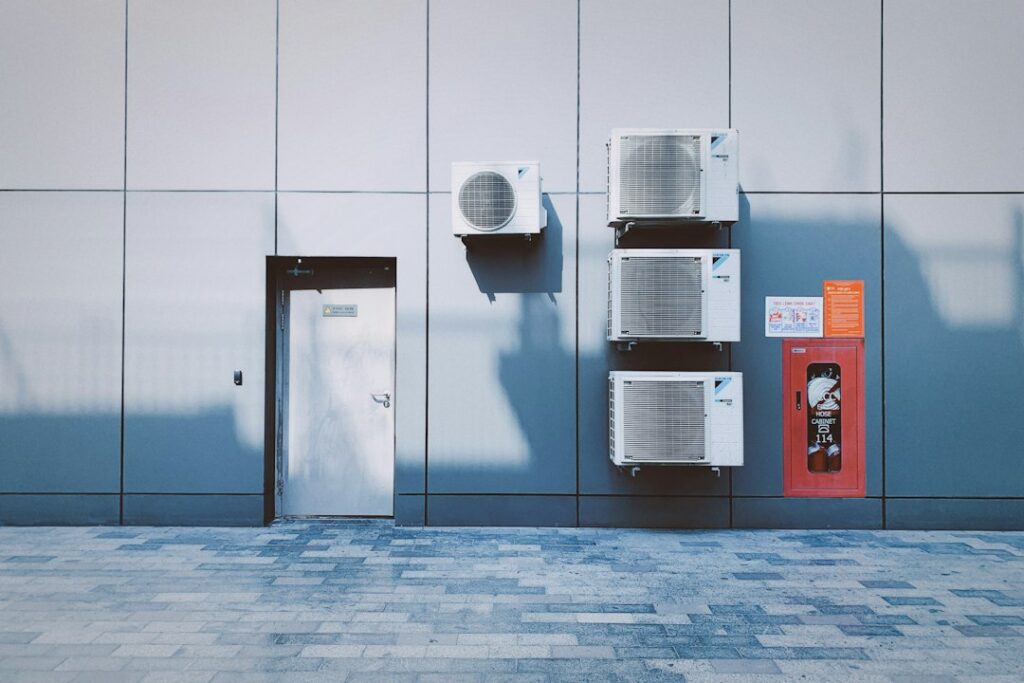
Summers along the Front Range have grown warmer, and many Denver, Fort Collins and Colorado Springs homes built without central air are now getting it. A new system is a large purchase, and the quality of the install matters as much as the brand on the condenser. A correctly sized, carefully commissioned unit runs quietly, dehumidifies, and lasts; an oversized unit with a sloppy refrigerant charge can short-cycle, leave rooms clammy and fail early. This guide walks through what a professional ac installation should include: load calculations, matched equipment, refrigerant line sets, condensate drainage, the outdoor pad, electrical work, ductwork, permits and realistic cost ranges. It also covers Colorado-specific alternatives such as evaporative coolers and ductless mini-splits. Refrigerant handling and new electrical circuits are licensed work, so the goal here is to help homeowners and buyers ask better questions, compare bids and recognize a careful job.
Part of our Heating, Cooling & Ventilation guide — start there for the full picture →
Heating or cooling trouble? Talk to a local HVAC technician.
📞 Call (833) 491-1876What a Professional AC Installation Includes
A complete central air installation is more than setting a box in the side yard. A typical split system has an outdoor condensing unit (compressor, condenser coil and fan), an indoor evaporator coil that sits on top of or inside the furnace or air handler, a copper refrigerant line set connecting the two, a condensate drain for the water the indoor coil pulls out of the air, a thermostat, and a dedicated electrical circuit with a disconnect near the outdoor unit.
A well-run job usually follows a sequence like this:
- A load calculation and a look at the existing ducts before equipment is chosen.
- Equipment selection with an outdoor unit and indoor coil that are rated to work together.
- Setting the condenser on a level pad with proper clearances.
- Running and insulating the line set, brazing the joints, then pressure-testing and evacuating the system with a vacuum pump.
- Wiring the circuit, disconnect and low-voltage thermostat cable.
- Connecting and testing the condensate drain.
- Commissioning: verifying refrigerant charge, airflow and temperature split, then walking the homeowner through filters and controls.
ENERGY STAR’s HVAC Quality Installation guidance boils this down to four checks homeowners can ask about: the equipment is properly designed and sized for the home, system airflow meets the manufacturer’s performance specifications, the correct amount of refrigerant is installed, and the home’s ducts are evaluated and tested for leakage. Those four points make a good backbone for comparing quotes.
Sizing: Load Calculations vs Rules of Thumb
For decades, many installers sized air conditioners with a simple rule: a certain number of square feet per ton of cooling. The trouble is that two homes of the same size can have very different cooling needs. Window area and orientation, attic insulation, air leakage, ceiling height, shading, the number of occupants and even the color of the roof all change how much heat a house gains on a hot afternoon.
A room-by-room load calculation, commonly referred to in the industry as a Manual J calculation, estimates that heat gain from the actual characteristics of the house. ENERGY STAR advises homeowners to make sure the contractor uses the real characteristics of the home to choose right-sized equipment and does not just rely on a rule of thumb. The same guidance warns that oversized equipment may cycle too frequently, resulting in less comfort and a shortened lifespan.
Why oversizing causes problems
An air conditioner removes moisture as well as heat, but it only dehumidifies well once the coil has been cold for a while. An oversized unit cools the air quickly, satisfies the thermostat and shuts off before it has wrung much water out of the air. The result can be a house that reaches the set temperature yet still feels damp, along with more wear from frequent starts. Colorado’s low humidity softens this issue compared with the Southeast, but short-cycling still costs comfort, creates temperature swings between floors and adds stress to the compressor.
Questions to ask about sizing
- Will a load calculation be done, and can the homeowner see the summary?
- Did the estimator measure windows and check attic insulation, or only ask for square footage?
- Can the existing ducts move enough air for the proposed tonnage?
Choosing Equipment: Efficiency Ratings and Matched Coils
Central air conditioners are rated for seasonal cooling efficiency. Current residential ratings use the SEER2 metric, an updated test procedure that reflects more realistic external static pressure than the older SEER figures. A higher SEER2 number generally means less electricity for the same cooling output over a season, but the upfront price climbs with efficiency. Two-stage and variable-speed (inverter) units sit at the high end; they run longer at lower output, which tends to improve comfort and humidity control. Minimum efficiency requirements are set federally and can differ by region, so the installer should confirm the proposed equipment meets what applies in Colorado.
ENERGY STAR certifies air-source heat pumps and central air conditioners under a shared set of key product criteria, and many homeowners use the ENERGY STAR Product Finder to compare certified models. Certification is a useful shortcut when narrowing choices, but a high rating on paper only pays off if the install is done well.
Why the indoor coil matters
The outdoor unit and the indoor evaporator coil are designed and rated as a pair. Bolting a new high-efficiency condenser onto an old coil, or a coil from a different product line, can mean the system never reaches its rated efficiency, and in some cases it can affect warranty coverage. Older coils may also be sized for a different refrigerant. Ask each bidder to list the exact model numbers of the outdoor unit, the indoor coil and the furnace or air handler, and to confirm the combination is a rated match.
Refrigerants and the phase-down
Residential AC refrigerants are in transition. The U.S. EPA explains that the American Innovation and Manufacturing (AIM) Act authorizes the agency to phase down production and consumption of hydrofluorocarbons (HFCs), maximize reclamation and minimize releases from equipment, and facilitate the transition to next-generation technologies through sector-based restrictions. In practice, that means newer equipment is moving to lower global-warming-potential refrigerants, and rules continue to evolve. Ask the contractor which refrigerant the proposed system uses and how parts and service availability look for that refrigerant over the life of the unit.
Refrigerant Lines, Licensing and Commissioning
The line set is the pair of copper tubes that carries refrigerant between the indoor coil and the outdoor unit: a larger insulated suction line and a smaller liquid line. On a replacement, some installers reuse the existing lines and some replace them. Reuse can be acceptable when the tubing is the right diameter for the new equipment, is in good condition and is compatible with the new refrigerant, but many manufacturers have specific requirements, and buried or hidden lines that cannot be inspected are a judgment call. Damaged or missing insulation on the suction line is a common inspection finding that wastes capacity and can drip condensation inside walls or crawl spaces.
Handling refrigerant is regulated. EPA rules under Section 608 of the Clean Air Act prohibit intentionally venting refrigerants, including HFC substitutes, while maintaining, servicing, repairing or disposing of air conditioning and refrigeration equipment. EPA also requires that technicians who maintain, service, repair or dispose of equipment that could release refrigerants into the atmosphere be certified. Homeowners should not open refrigerant circuits themselves, and should ask the installer how old refrigerant from a replaced system will be recovered.
After brazing, a careful technician pressure-tests the lines with nitrogen, pulls a deep vacuum to remove moisture and air, and then releases or adjusts the refrigerant charge according to the manufacturer’s method. ENERGY STAR notes that properly charging an air conditioner helps reduce energy consumption and decreases the risk of system failure. Ask whether the technician will record the vacuum reading, the final charge readings and the measured airflow. A contractor who leaves a short commissioning report is usually a contractor who actually took the readings.
Condensate, the Outdoor Pad and Clearances
Condensate drainage
The indoor coil produces water every hour it runs. That water drains from a pan under the coil through a trap and pipe to a floor drain, a laundry standpipe or the exterior. When the furnace sits in a basement with no nearby drain, a small condensate pump lifts the water to a suitable outlet. Coils located in attics or above finished space usually need a secondary drain pan or an overflow safety switch that shuts the system down if the primary drain clogs. Algae and debris in the drain line are a common cause of summer service calls and ceiling stains, which is why condensate drains appear on ENERGY STAR’s maintenance checklist.
The outdoor unit
The condenser needs a level, stable base; composite pads, poured concrete or a wall bracket are all used. Manufacturers publish minimum clearances on each side and above the unit so the fan can pull air through the coil and discharge it without recirculating hot air. Keep shrubs, fences, window wells and dryer vents out of that zone. Placement also affects neighbors: compressors and fans make noise, and some HOAs and municipalities have setback or noise rules.
Electrical Circuit and Disconnect
Central air conditioners run on a 240-volt circuit sized to the specific unit. The nameplate on the condenser lists the minimum circuit ampacity and maximum overcurrent protection, and the breaker and wire must match those figures. A disconnect switch within sight of the outdoor unit lets a technician cut power safely during service. The low-voltage wiring between the thermostat, furnace and condenser also needs attention, especially when moving to two-stage or communicating equipment.
Older Front Range homes with 60- or 100-amp service may not have room for another large 240-volt load once a range, dryer and water heater are accounted for. An electrician can run a load calculation for the panel; if capacity is short, an electrical panel upgrade may need to happen first. For background on how 240-volt circuits work, see the guide to the 220 outlet. Electrical work for an AC circuit is typically done by a licensed electrician or a licensed HVAC contractor, depending on local rules.
Ductwork: The Part of the System Nobody Sees
A new air conditioner is only as good as the ducts delivering its air. Many older Front Range homes have ducts designed for heating only, with returns too small to move the larger airflow that cooling requires. Undersized returns starve the coil, which can drop coil temperature, cause icing and reduce capacity. Leaky supply ducts in attics or crawl spaces dump cooled air where nobody benefits.
ENERGY STAR recommends asking the contractor to inspect the duct system, perform a leakage test and make necessary repairs, and notes that poor airflow can mean reduced efficiency, higher bills and shortened equipment life. Sometimes sealing and adding a return is enough. Other homes need partial or full ductwork replacement to make central air worth the investment. Homes heated by boilers or baseboard, which have no ducts at all, face a much bigger project if they want a traditional central system.
Colorado Alternatives Worth Considering
The Front Range’s dry climate opens options that make less sense in humid parts of the country.
Evaporative coolers
Swamp coolers pull outdoor air through wet pads, cooling it by evaporation. They use far less electricity than compressor-based AC and add humidity, which many Colorado residents like. They work best when outdoor humidity is low and become less effective during humid monsoon stretches. They also need seasonal start-up and winterization. The evaporative cooler guide covers how they compare.
Ductless mini-splits and heat pumps
Homes without ducts, or with only a few hot rooms, can use ductless mini-splits. ENERGY STAR describes them as a good fit for older homes with no existing ductwork, additions, and spaces where extending ducts is difficult. Because a mini-split is a heat pump, it also provides heat. See ductless mini-split installation cost for typical ranges. Homeowners replacing an AC can also consider a ducted heat pump instead, which provides cooling plus efficient heating through the same ducts. The heat pump installation guide covers that route.
Permits, Inspections and Cost
Most Front Range municipalities and counties require a mechanical permit, and often an electrical permit, for a new central air system or a replacement. Requirements vary by jurisdiction, so homeowners should confirm with the local building department or ask the contractor to pull the permits and schedule inspections. A permit creates a record that the work was reviewed, which matters when the home is later sold. Unpermitted HVAC work can surface during a buyer’s inspection or appraisal and complicate a sale.
Installed costs vary widely with system size, efficiency, brand, the condition of existing ducts and electrical service, and access. As a rough industry pattern, adding central air to a home with usable ducts and an existing furnace typically costs several thousand dollars, often landing in the mid four figures to around ten thousand dollars or more, while high-efficiency variable-speed systems, new ductwork or a panel upgrade can push the total well past that. These are hedged ranges; written bids from at least three licensed contractors are the only reliable way to price a specific house. Comparing bids line by line (model numbers, line set plan, permits, warranty length and commissioning) is more useful than comparing the bottom-line totals alone.
Maintenance After Installation
ENERGY STAR recommends a pre-season check-up each spring for the cooling system and lists tasks such as tightening electrical connections, inspecting the condensate drain, cleaning the evaporator and condenser coils, checking refrigerant level and adjusting blower components for proper airflow. The same checklist tells homeowners to inspect, clean or change air filters monthly. Keep the outdoor coil clear of cottonwood fluff, grass clippings and leaves, and keep at least the manufacturer’s clearance around the unit. The AC maintenance guide goes into more detail, and if the system ever runs without cooling, start with AC not blowing cold air.
What Home Inspectors Check on a Central AC
Under the ASHI Standard of Practice, home inspectors open readily openable access panels and inspect central and permanently installed cooling equipment and the distribution system, and they describe the energy source and type of cooling system. Inspectors are not required to determine cooling supply adequacy or distribution balance, so a standard inspection is not a load calculation. Common findings include a missing or damaged suction line insulation, a condenser that is not level, vegetation crowding the unit, a disconnect that is missing or damaged, an improperly sized breaker compared with the nameplate, rust in the secondary drain pan and an indoor coil that does not match the outdoor unit. Buyers looking at a home with a newer system can ask the seller for permit records and the installer’s paperwork. For more on choosing pros, see the home inspector hiring guide and the heating and cooling hiring hub.
More Questions About AC Installation
How much does central AC installation cost?
Central AC installation typically costs about $5,000 to $12,000 for a full split system in an existing home with usable ductwork, based on industry estimates. Smaller, basic systems land near the low end, while larger homes, high-efficiency or variable-speed equipment, and difficult attic or crawlspace access push the price up. Homes without ductwork can cost substantially more because new ducts, registers and returns must be built in. Permits, electrical upgrades, a new line set and a new pad add to the total. Getting at least three itemized quotes that list the load calculation, model numbers and warranty terms makes comparison much easier.
Can you install central air in a house without ductwork?
Yes, central air can be installed in a house without ductwork, either by adding new ducts or by choosing a ductless mini-split system instead. Adding ducts is usually the more disruptive option, because installers need chase space through closets, attics, basements or soffits, and older plaster homes can require wall and ceiling repairs. Small-duct high-velocity systems use flexible tubing that fits into tighter spaces. Ductless mini-splits avoid ductwork entirely by mounting indoor heads in individual rooms, connected to an outdoor unit through a small wall penetration. Cost, appearance and how many rooms need cooling usually decide which route makes sense.
What is the best time of year to install a new air conditioner?
Spring and fall are typically the best times to install a new air conditioner, because HVAC contractors are less busy and scheduling is easier. During summer heat waves, many companies prioritize emergency repairs, so installation dates can slip and there is less room to compare bids. Off-season scheduling also gives time to complete a proper load calculation and pull permits without pressure. Some manufacturers and utilities run rebate programs at specific times of year, which can shift the best timing. Commissioning in mild weather is possible, but technicians may need to verify refrigerant charge again on the first hot day.
How long does a new central air conditioner last?
A new central air conditioner typically lasts about 12 to 17 years, with many units falling around 15 years when properly installed and maintained. Lifespan depends heavily on installation quality: a correct refrigerant charge, adequate airflow, a clean line set and a level pad all reduce wear on the compressor. Regular filter changes and annual maintenance help, while oversizing, dirty coils and repeated short cycling shorten service life. Hail exposure and harsh coastal or high-sun conditions can also damage outdoor units. Registering the equipment with the manufacturer is often required to receive the full parts warranty, so keeping the paperwork matters.
References
- HVAC Quality Installation — ENERGY STAR
- Maintenance Checklist — ENERGY STAR
- Stationary Refrigeration and Air Conditioning (Section 608) — U.S. Environmental Protection Agency
- Hydrofluorocarbons (HFCs) and the AIM Act — U.S. Environmental Protection Agency
- ASHI Standard of Practice for Home Inspections — American Society of Home Inspectors
Frequently asked questions
How long does a central AC installation take?
A straightforward replacement on existing ducts and an existing circuit often takes one day. New installations that need a new circuit, a line set run, duct changes or a panel upgrade can take two to several days, plus time for permit inspections.
Can a new outdoor AC unit be connected to the old indoor coil?
It can be done, but it is often a poor idea. Outdoor units and indoor coils are rated as matched pairs, and a mismatch can prevent the system from reaching its rated efficiency and may affect warranty coverage. Ask the contractor to confirm the combination is a rated match.
What size air conditioner does a house need?
There is no reliable answer from square footage alone. A room-by-room load calculation, commonly called Manual J, accounts for windows, insulation, air leakage and orientation. ENERGY STAR warns against relying on rules of thumb because oversized systems short-cycle and wear out sooner.
Do I need a permit to install central air in Colorado?
Most Front Range jurisdictions require a mechanical permit and often an electrical permit for new or replacement central air. Rules vary by city and county, so confirm with the local building department or have the licensed contractor pull the permits.
Is an evaporative cooler a good alternative to AC in Colorado?
In the dry Front Range climate, evaporative coolers can cool effectively with much lower electricity use. They lose effectiveness during humid stretches and need seasonal maintenance, so some homeowners pair one with a small AC or mini-split.
Does central air increase home value?
Central air often helps a home sell and can add value in markets where buyers expect cooling, though the increase rarely equals the full installation cost. In mild or dry climates the effect is smaller. A newer, documented system with permits and maintenance records is more appealing to buyers and inspectors than an aging unit.
What questions should you ask an AC installer?
An AC installer should be asked whether a Manual J load calculation will be done, which matched indoor coil is included, and whether the line set will be replaced or flushed. Also ask about permits, the labor warranty, refrigerant charge verification and commissioning. Written answers make it easier to compare quotes fairly.
Can a homeowner install their own central air conditioner?
A homeowner can do some prep work, but connecting refrigerant lines and charging a split system legally requires an EPA Section 608 certified technician. Many jurisdictions also require a licensed contractor and a permit for the electrical work. Self-installation often voids the manufacturer warranty, so professional installation is the standard choice.
Buying a Front Range home with a new or aging central air system? Contact us and we can help you find an inspector who will look closely at the condenser, coil, drain and electrical work.