AC Compressor Replacement Cost: Typical Ranges and Choices
A typical AC compressor replacement cost runs roughly $1,800 to $4,500 nationally in 2026 for a residential central air conditioner that is out of warranty, and often $1,000 to $2,500 when the manufacturer’s parts warranty still covers the compressor itself and the homeowner pays only labor, refrigerant and materials. Larger, two-stage and variable-speed compressors can push the total past $5,000. Because a compressor job on an older system can approach the price of a new outdoor unit, the real question is often whether replacing the compressor makes sense at all. This guide covers typical price ranges, what drives a quote, how to confirm the compressor has actually failed, repair-versus-replace logic, how to read the estimate and what Front Range homeowners should consider. It summarizes general guidance as of 2026; all figures are typical national ranges and local quotes take priority.
Part of our Heating, Cooling & Ventilation guide — start there for the full picture →
Heating or cooling trouble? Talk to a local HVAC technician.
📞 Call (833) 491-1876Typical AC Compressor Replacement Cost Ranges
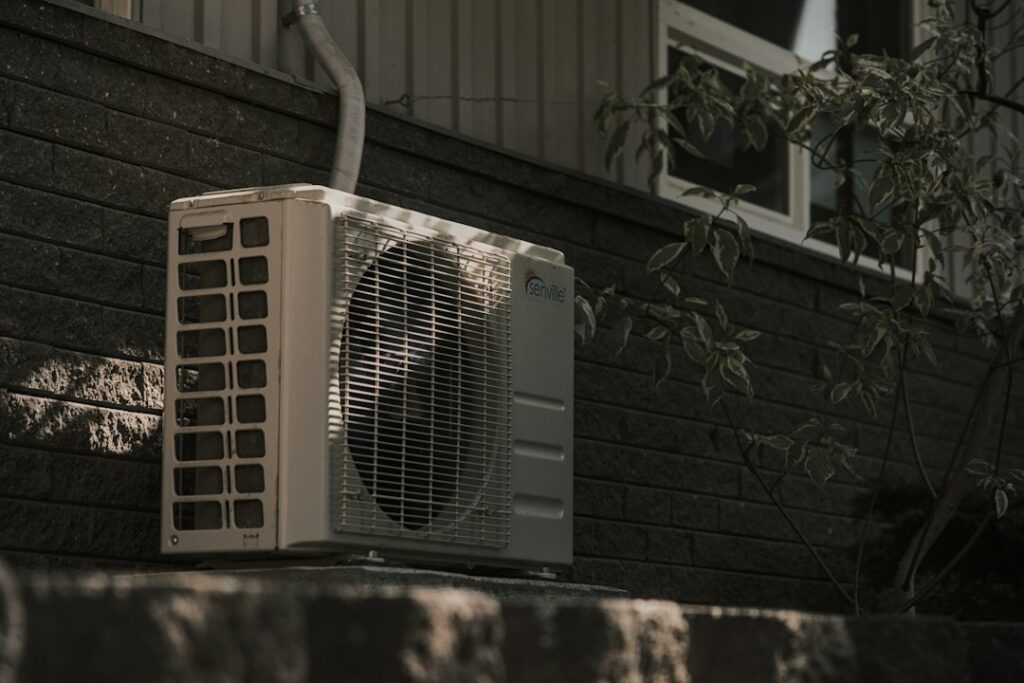
The compressor is the pump inside the outdoor condensing unit that moves refrigerant through the system. Replacing one is a sealed-system repair: the technician recovers the refrigerant, cuts out and brazes in the new compressor, replaces the filter drier, pulls a vacuum, recharges and tests. That labor is a big part of the cost no matter what the part itself costs.
| Job (typical national range, 2026 — get local quotes) | Typical cost | Notes |
|---|---|---|
| Diagnostic visit to confirm the failure | $100–$300 | Often credited toward the repair |
| Compressor replacement, part covered by warranty (labor, refrigerant, materials) | $1,000–$2,500 | Labor warranty may have expired even if the parts warranty has not |
| Compressor replacement, out of warranty, single-stage 2–3 ton | $1,800–$3,500 | Most common residential scenario |
| Compressor replacement, out of warranty, 4–5 ton or two-stage | $2,800–$4,500 | Larger part and refrigerant charge |
| Variable-speed (inverter) compressor | $3,500–$6,000+ | Parts may require dealer ordering and matching electronics |
| Replace the whole outdoor condensing unit instead | $3,500–$7,500 | New compressor, coil, fan and controls with a new warranty |
| Replace the full split system (outdoor unit plus indoor coil) | $6,000–$14,000 | Matched system; may also bring refrigerant and efficiency upgrades |
For background on what the compressor does and the ways it fails, see our main guide to the AC compressor. If the system is blowing warm air but the cause is not yet known, start with our walkthrough of an AC not blowing cold air, because many of those calls turn out to be something far cheaper than a compressor.
Make Sure It Is Really the Compressor
A failed compressor is one of the most expensive diagnoses an air conditioner can get, and it is sometimes given too quickly. Several inexpensive parts can make a compressor look dead when it is not. Before accepting a compressor quote, it is reasonable to ask the technician what tests were done and what the readings were.
- Run capacitor. A weak or failed capacitor can keep the compressor from starting and cause humming or tripping. Replacing it is usually a modest repair.
- Contactor. Pitted or burned contacts can stop power from reaching the compressor.
- Thermal overload. An overheated compressor may shut itself off and restart after cooling, which can look like a failure on a hot afternoon.
- Wiring and connections. ENERGY STAR’s maintenance checklist calls for technicians to “Tighten all electrical connections and measure voltage and current on motors,” warning that “Faulty electrical connections can cause unsafe operation of your system and reduce the life of major components.”
- Refrigerant problems. Low charge from a leak, or a restriction in the system, can mimic poor compressor performance.
- Dirty condenser coil or failed condenser fan. Both raise head pressure and can trip the compressor on overload.
Signs that point more strongly to an internal compressor failure include a compressor that is electrically shorted to ground, windings that read open or shorted on a meter, a seized compressor that will not start even with a good capacitor and a hard-start device, or a compressor that runs but cannot build pressure. A burnout can also leave acid and debris in the refrigerant, which affects how much cleanup the job needs.
What Drives the Price
Warranty status
Many manufacturers offer a longer parts warranty on the compressor than on other components, often conditioned on product registration. A covered compressor removes the most expensive part from the bill, but labor, refrigerant, the filter drier and any other parts are usually still charged. Ask for the warranty lookup in writing using the outdoor unit’s serial number.
Refrigerant type and quantity
Every compressor replacement requires recovering the existing charge and recharging the system. Larger systems and long line sets hold more refrigerant. Refrigerant pricing has been volatile during the HFC phase-down. The EPA’s technology transitions page lists a global warming potential limit of 700 for new residential and light commercial air conditioning and heat pump systems with a January 1, 2025 compliance date. Existing R-410A systems can still be serviced, but older R-22 systems are a different story: R-22 compressors and refrigerant have become expensive enough that compressor replacement on those units rarely makes financial sense.
Federal rules also shape how refrigerant is handled. The EPA’s Section 608 program “prohibits individuals from intentionally venting” refrigerants, including HFCs, “while maintaining, servicing, repairing, or disposing of air conditioning or refrigeration equipment.” Recovery equipment and certified labor are part of what a homeowner is paying for.
Compressor size and type
A small single-stage compressor costs far less than a large two-stage scroll or a variable-speed inverter compressor. Variable-speed systems may also need a matching drive board, and sourcing can take days.
Labor hours and access
A typical compressor swap is several hours of skilled work, often a full day with evacuation and testing. Tight side yards, rooftop units, units boxed in by fences or decks and service calls during peak summer demand add time and cost.
Related parts
Good practice usually includes a new filter drier, and many technicians replace the capacitor and contactor at the same time because both are inexpensive and a failure of either can damage the new compressor. A burnout may require an acid-cleanup kit or system flush. A hard-start kit is sometimes added.
Emergency and after-hours service
Nights, weekends and heat waves carry premiums. When the house is safe and occupants are not medically vulnerable to heat, waiting for a regular-hours appointment and getting a second quote can be worth a day of discomfort.
Repair or Replace: Rules of Thumb
A compressor failure is the classic fork in the road for an air conditioner. The rules of thumb below help frame the decision; they are not formulas, and household plans matter as much as the arithmetic.
- Age against lifespan. Central air conditioners commonly last around 12 to 15 years, sometimes longer. ENERGY STAR’s replacement guidance suggests considering a new unit when “Your heat pump or air conditioner is more than 10 years old.”
- The 50 percent rule of thumb. If the compressor job costs more than about half of a new condensing unit, and the system is past roughly the halfway point of its life, replacement usually deserves a serious look.
- The age-times-cost rule of thumb. Multiply the system’s age by the repair cost. If the result is above the price of a new system, many contractors lean toward replacement.
- Refrigerant type. An R-22 system with a failed compressor is almost always a replacement candidate.
- Efficiency. ENERGY STAR notes that certified high-efficiency units “Installed correctly” can “save up to 20 percent on heating and cooling costs.” In a region with a short cooling season, that saving accumulates slowly, which can tilt the math toward repair for a younger unit.
- Warranty coverage. A compressor under parts warranty on a five-year-old system is usually worth replacing.
- Plans for the house. A seller may prefer a lower-cost repair or a credit; an owner planning to stay ten years may prefer a new system and new warranty.
A worked example of the rules of thumb
Consider a hypothetical 11-year-old, 3-ton R-410A air conditioner whose compressor has shorted to ground. The parts warranty has expired. Suppose the homeowner receives three illustrative quotes: about $3,000 to replace the compressor, about $5,500 for a new matched condensing unit and about $9,000 for a new outdoor unit and indoor coil. These figures are invented for the example, not market prices.
- The compressor repair is roughly 55 percent of the condensing unit price, which crosses the 50 percent rule of thumb.
- Age times repair cost is 11 times $3,000, or $33,000, far above the $9,000 full-system price, so the second rule of thumb also points toward replacement.
- The rest of the 11-year-old unit (coil, fan motor, controls) remains old and out of warranty after a compressor swap.
Now change one fact: the same system is five years old and the compressor is under warranty, so the repair quote drops to about $1,500. The repair is now well under half the replacement cost, the age-times-cost product is $7,500, and the rest of the system is relatively young. In that version, the repair is usually the sensible choice.
Replacing only the outdoor unit can be an option, but the indoor coil should be compatible with the new unit’s refrigerant and capacity. A mismatched coil may limit efficiency or void a warranty.
How to Read a Compressor Replacement Quote
ENERGY STAR’s tips for hiring a heating and cooling contractor recommend getting “written, itemized estimates” and signing a written proposal that specifies “project costs, model numbers, job schedule and warranty information.” For a sealed-system repair, two or three written quotes are especially worthwhile because the price spread between contractors can be wide.
Line items to expect
- The diagnosis, including the specific test results that confirmed compressor failure
- The replacement compressor’s make and model, and whether it is OEM or an approved equivalent
- Warranty status for the part and the labor
- Refrigerant recovery, the type of refrigerant and the pounds of new refrigerant charged
- New filter drier and any acid cleanup
- Capacitor, contactor or hard-start kit, if replaced
- Evacuation to a stated vacuum level and a leak check
- Startup readings: superheat or subcooling, amperage and supply/return temperature split
- Labor warranty on the repair itself
Red flags
- A diagnosis with no readings. “Your compressor is bad” without meter readings or pressures deserves a second opinion.
- Pressure to replace the whole system on the spot. Replacement may be the right answer, but it should be explained, not pushed.
- No refrigerant amount on the invoice. Refrigerant is a significant cost; it should be itemized by type and quantity.
- Unverified refrigerant claims. Ask that the technician identify the existing refrigerant from the data plate before discussing alternatives.
- Unrelated packages. Duct cleaning, air purifiers or service plans bundled into an urgent repair.
- No mention of finding the leak. If the compressor failed after a refrigerant leak, recharging without repairing the leak sets up the new compressor to fail.
Questions to ask
- What tests confirmed the compressor failed, and what were the readings?
- Is the compressor still under the manufacturer’s parts warranty?
- What caused the failure, and has that cause been addressed?
- What would a matched outdoor unit, or full system, cost by comparison?
- What warranty does the labor carry?
Homeowners who want to understand refrigerant leaks before the visit can read our guide to refrigerant leak detectors. Leak repair and recharging are licensed work, but knowing how leaks are found makes it easier to follow the technician’s explanation.
Front Range Factors
Short cooling season
Along the Colorado Front Range, low humidity and cool nights mean many central air conditioners run fewer hours per year than in hotter, humid regions. Fewer run hours mean a newer, more efficient unit pays back more slowly, which can make a compressor repair on a mid-life system easier to justify. On the other hand, a 15-year-old unit with a dead compressor is still a 15-year-old unit.
Hail and storm damage
Hail can flatten condenser coil fins and damage the fan guard, reducing airflow and raising operating pressure. Strained compressors overheat. If a compressor failure follows a hailstorm, it is worth asking whether coil damage contributed and whether a homeowners insurance claim covers any of it.
Summer lightning and power surges
Afternoon thunderstorms are common on the Front Range in summer. Surges can damage capacitors, control boards and compressors. A surge protector at the disconnect is a low-cost add-on many contractors recommend after a failure.
Settling pads and freeze-thaw
Expansive clay soils and freeze-thaw cycles can tip or sink a condenser pad over time. A unit that is not level can stress refrigerant lines and, in some designs, affect oil return. Our guide to AC condenser pads explains when re-leveling or replacing the pad makes sense, and our guide to the AC line set covers the copper lines that connect the outdoor and indoor units.
Permits
Compressor replacement is usually treated as a repair, but replacing a condensing unit or the full system typically requires a mechanical permit. Check with the city or county building department, since requirements vary across Denver, its suburbs and unincorporated areas.
How a Home Inspection Flags Compressor Problems
Under the ASHI Standard of Practice, the inspector shall “Open readily openable access panels” and inspect “Central and permanently installed cooling equipment” and the distribution system. The standard also says the inspector is not required to “Determine cooling supply adequacy and distribution balance.” An inspector does not open the sealed refrigerant system or attach gauges as part of a standard inspection, so a compressor failure is identified by symptoms rather than confirmed.
Common findings that lead to a compressor evaluation include:
- The outdoor unit not running, humming without starting or cycling on and off rapidly
- Little temperature difference between return and supply air
- Loud rattling, grinding or clanking from the condensing unit
- Oily residue on refrigerant lines or fittings, which can indicate a leak
- Damaged condenser coil fins or a unit near or past its typical service life
- Air conditioning that could not be tested because outdoor temperatures were too low, which is common in Front Range winter inspections
When an inspection report recommends evaluation, a licensed HVAC contractor can confirm the diagnosis and price the options before the inspection objection deadline. Our heating and cooling hub collects related HVAC guides, and the hiring process pillar explains how specialist evaluations fit into a purchase. To arrange a Front Range inspection or follow-up, get in touch with our team.
Protecting a New Compressor
Whether the compressor is replaced or the whole unit, the same habits help it last. ENERGY STAR’s maintenance checklist recommends annual pre-season checkups and notes that “Too much or too little refrigerant will make your system less efficient increasing energy costs and reducing the life of the equipment.” Dirty coils, it adds, “cause the system to run longer, increasing energy costs and reducing the life of the equipment.”
- Keep two feet or more of clearance around the outdoor unit and rinse the coil gently each spring.
- Change or clean the indoor air filter on schedule.
- Have the refrigerant charge checked if cooling performance drops.
- Add surge protection if summer storms are frequent.
- Keep the pad level and the area around the unit draining away.
- Register new equipment promptly so warranty coverage is in place.
References
- Maintenance Checklist — ENERGY STAR
- When Is It Time to Replace? — ENERGY STAR
- 10 Tips for Hiring a Heating and Cooling Contractor — ENERGY STAR
- Stationary Refrigeration and Air Conditioning (Section 608) — U.S. Environmental Protection Agency
- Technology Transitions HFC Restrictions by Sector — U.S. Environmental Protection Agency
- ASHI Standard of Practice for Home Inspection — American Society of Home Inspectors
Frequently asked questions
How much does it cost to replace an AC compressor?
Out of warranty, a residential AC compressor replacement typically runs around $1,800 to $4,500 nationally in 2026, with variable-speed compressors costing more. When the part is under warranty, homeowners often pay roughly $1,000 to $2,500 for labor, refrigerant and materials.
Is it worth replacing a compressor on a 12-year-old AC?
Often it is not, especially out of warranty. A common rule of thumb says that if the repair approaches half the cost of a new unit on a system past mid-life, replacement deserves a serious look. A short Front Range cooling season can make a repair easier to justify on a younger unit.
How long does a compressor replacement take?
Most residential compressor replacements take several hours to a full day, including refrigerant recovery, brazing, evacuation, recharging and testing. Waiting for parts, particularly for variable-speed compressors, can add days.
Could something other than the compressor be the problem?
Yes. A failed capacitor, contactor, condenser fan motor, dirty coil or low refrigerant charge can all make a compressor appear to have failed. Ask what tests and readings confirmed the diagnosis before approving the repair.
Does a home inspector test the AC compressor?
A home inspector operates the system with normal controls when conditions allow and reports visible defects and symptoms, but does not attach gauges or open the sealed refrigerant system. A licensed HVAC contractor confirms compressor failure.
Concerned about the air conditioner on a Front Range home you are buying? Contact our team to schedule an inspection.