Refrigerant Leak Detector: What to Know
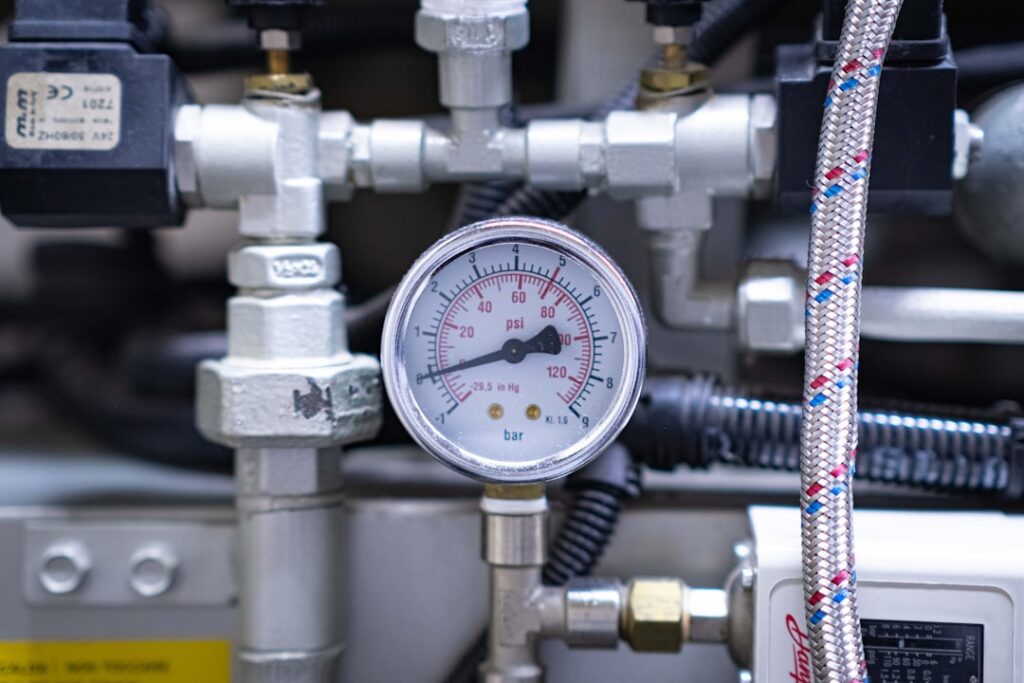
Refrigerant is the working fluid that lets an air conditioner or heat pump move heat out of a home, and it circulates in a sealed loop that should never lose any. When it does leak, cooling fades, energy bills climb, the compressor overworks, and a regulated gas escapes into the atmosphere. A refrigerant leak detector is the instrument that finds where that gas is escaping, ranging from a handheld electronic sniffer used by HVAC technicians to fixed sensors that monitor a mechanical room. This guide explains the sensor technologies, the detection methods, and how to choose the right tool, while keeping clear that refrigerant repair is licensed work.
What a refrigerant leak detector does
A refrigerant leak detector senses the presence of refrigerant gas in the air near a leak and signals the user, usually with an escalating tone, a light, or a numeric reading. Because the cooling system is sealed and pressurized, even a small leak releases gas that a sensitive detector can pick up where a fitting, a coil bend, or a brazed joint has failed. The tool’s job is to locate the escape point precisely so a technician can repair exactly that spot rather than guessing.
This matters on two fronts. Practically, a low refrigerant charge makes a system cool poorly and run inefficiently, so finding and fixing the leak restores performance and protects the compressor. Environmentally and legally, refrigerants are regulated; many have high global-warming potential, and venting them is restricted under federal rules. A detector supports both goals by finding leaks early, before large quantities escape and before the system suffers expensive secondary damage.
A refrigerant leak detector is distinct from a combustible-gas detector or a carbon-monoxide alarm. Each is tuned to specific gases, and a tool built to find refrigerant will not reliably sense natural gas, propane, or CO. Matching the detector to the gas is the first rule, which is why a refrigerant-specific instrument is the right choice for HVAC leaks.
The sensor technologies inside refrigerant detectors
The detection method defines how the tool behaves, so understanding the common sensor types helps in both buying and using one. Each technology trades sensitivity, stability, cost, and lifespan differently.
Heated-diode sensors
Heated-diode sensors are widely used in mid-range electronic detectors. They heat a ceramic element that reacts to halogenated refrigerants, producing a signal when gas is present. They offer good sensitivity at a reasonable price, but the sensing element wears out and needs periodic replacement, and they can drift or false-trigger in a contaminated environment. Many technicians keep spare sensors on hand because of this wear.
Infrared sensors
Infrared detectors measure how refrigerant absorbs a specific wavelength of infrared light. They tend to be more stable, last far longer than heated-diode sensors, and resist false alarms caused by background contamination, oils, or humidity. They typically cost more upfront, but the longer service life and reliability make them popular with professionals who use a detector daily. Infrared units often warm up and stabilize quickly and hold calibration well.
Ultrasonic and corona-discharge types
Corona-discharge sensors were common in older detectors but have largely given way to heated-diode and infrared designs because they are more susceptible to false positives. Ultrasonic leak detection takes a different approach entirely, listening for the high-frequency sound a gas makes as it escapes under pressure rather than sensing the gas chemically. Ultrasonic methods can locate the general area of a pressurized leak and work regardless of the refrigerant type, which makes them a useful complement rather than a replacement for a chemical sniffer.
Detection methods technicians combine
No single method finds every leak, so HVAC professionals layer several. Each catches a different kind of leak, and using them together raises the odds of pinpointing an elusive one.
The electronic sniffer is the primary search tool. The technician moves the probe slowly along the underside of fittings and coil bends, since most refrigerants are heavier than air and pool below a leak. A rising tone marks the spot, which is then confirmed by a second method. UV fluorescent dye, injected into the system and scanned later with a UV light, glows at the leak and is ideal for slow or intermittent leaks that a single sniffer pass might miss. A leak-detection soap solution brushed on an accessible joint bubbles at the exact escape point, a low-tech but dependable confirmation.
For stubborn cases, nitrogen pressure testing isolates a section of the system, pressurizes it with dry nitrogen, and watches a gauge for a pressure drop that proves a leak exists in that section. Adding a trace gas to the nitrogen lets a sniffer find the exact point. This layered approach mirrors the broader leak-finding logic used across home systems, described in the home inspection tools guide, where combining instruments beats relying on any one.
Fixed monitors versus handheld detectors
Refrigerant detectors come in two broad uses. Handheld units are search tools a technician carries to find a leak during service. Fixed monitors are mounted in mechanical rooms, walk-in coolers, or refrigeration plant spaces to continuously watch the air for refrigerant and alarm if a leak releases gas into an occupied or confined area.
The fixed type serves a safety function as much as an efficiency one. Refrigerant displacing air in a confined mechanical room creates an asphyxiation hazard, and some refrigerants pose additional risks, so codes may require fixed monitoring in certain commercial settings. For a typical single-family Front Range home, a handheld detector used during service is the relevant tool, and fixed monitoring is rarely needed. Larger buildings and commercial refrigeration are where continuous monitors earn their place.
How to choose a refrigerant leak detector
For most homeowners, the honest answer is that a refrigerant detector is professional equipment, and the better investment is a relationship with a reliable HVAC company plus a simple water sensor for condensate problems. The household side of AC leaks is covered in the guide to the AC leak detector. For those who maintain their own systems or work in the trade, a few features decide the purchase.
Sensor type comes first: infrared for longevity and stability, heated-diode for a lower entry price with the expectation of replacing sensors. Refrigerant compatibility is critical, because modern equipment uses newer low-global-warming refrigerants and some mildly flammable blends, and the detector must be rated for the refrigerant in the system. Sensitivity, often rated in ounces or grams per year, sets how small a leak the tool catches; higher sensitivity finds slow leaks but can be more prone to nuisance alarms.
Response time and reset speed affect how efficiently you can sweep and confirm a spot. A flexible, durable probe that reaches behind coils and into tight cabinets is more useful than raw specifications. Clear audible and visual indication, a battery that lasts a full service day, and a sensor that is easy to replace round out a practical choice. A mute or sensitivity-adjust button also helps, letting the operator silence the alarm momentarily and reset the baseline once a leak is found, so the tool can then home in on the precise spot rather than screaming continuously in a refrigerant-rich pocket of air.
Common places refrigerant leaks develop
Knowing where leaks tend to form helps a technician search efficiently and helps a homeowner understand the diagnosis. Refrigerant leaks rarely appear at random; they cluster at predictable weak points in the sealed loop.
Brazed and flared joints are frequent culprits, because every connection is a potential failure point where vibration, thermal cycling, or an imperfect original joint can open a path over time. The evaporator coil inside the air handler is another common site, where thin copper can develop tiny formicary leaks driven by certain indoor air contaminants reacting with the metal. These pinhole leaks are notoriously hard to find and often justify UV dye, since they may leak too slowly for a single sniffer pass to catch.
The condenser coil outdoors faces a different set of stresses: physical damage from debris, hail, or string trimmers, plus corrosion from weather and, near roadways, road salt. Front Range hail in particular can bruise or puncture an outdoor coil. Service valves, the Schrader cores where gauges connect, and the access fittings themselves can leak, sometimes from a core that was not seated properly after a previous service. A technician who knows these patterns checks the likely spots first rather than sweeping blindly.
Vibration deserves special mention. A line set that contacts framing or another line can wear a hole over years of the compressor cycling on and off. Properly secured and isolated lines last longer, which is one reason installation quality strongly influences how soon a system develops its first leak and why a careful installer pays off years later.
What detection readings tell you and what they do not
A refrigerant detector confirms that gas is escaping at a location, but interpreting the result still takes judgment. A faint, intermittent signal might indicate a very slow leak, residual refrigerant lingering in the air from a previous escape, or contamination affecting the sensor. This is why technicians confirm an electronic hit with a second method rather than acting on the sniffer alone; a soap-bubble test or UV dye verifies that the spot is the actual leak and not a false reading.
The detector also says nothing about the size of the leak or how long the system will hold a charge. Two systems can both show a positive reading while one loses its charge in weeks and the other over years. Determining that requires measuring system pressures, weighing the recovered refrigerant against the rated charge, and sometimes monitoring over time. A reading is the start of a diagnosis, not the whole of it.
Equally important, a detector does not tell you whether repairing the leak is worth it on an aging system. A coil leak on an old unit using an obsolete refrigerant may cost more to repair and recharge than the remaining life of the system justifies, which is a decision a technician helps the homeowner weigh. The tool finds the leak; the professional translates that into a repair-versus-replace recommendation that accounts for the system’s age, the refrigerant type, and the cost of the fix.
Safety, regulations, and when to call a pro
Refrigerant handling is governed by federal rules that restrict venting and require certified technicians to recover and recharge refrigerant. Beyond the legal side, the gas is hazardous: it can displace oxygen in a confined space, cause frostbite on skin contact with liquid refrigerant, and release harmful byproducts if it contacts a flame. These are reasons the search-and-repair work belongs to trained professionals, not casual do-it-yourself effort.
Call a licensed HVAC technician whenever symptoms suggest a refrigerant leak: weakening cooling, ice on the coil or line, hissing, or a system that runs constantly and still falls short. The technician confirms a low charge against the manufacturer’s specification, locates the leak with the layered methods above, repairs it, then evacuates and recharges the system to the correct level. Recharging without repairing the leak simply releases more gas and money over time, which is both wasteful and contrary to the rules. Early detection keeps the eventual repair small, protects the compressor, and limits the environmental release, which is the strongest argument for acting at the first sign of trouble. On the Front Range, where cooling demand spikes during summer heat and HVAC companies book out quickly, addressing a suspected leak in spring rather than waiting for a midsummer failure also means shorter waits and more scheduling flexibility. A system limping along on a low charge through a heat wave is far more likely to leave a home without cooling at the worst possible time.
References
- Stationary refrigeration and Section 608 venting rules — U.S. Environmental Protection Agency
- Central air conditioning operation and efficiency — U.S. Department of Energy
- Confined-space and hazardous-atmosphere safety guidance — Occupational Safety and Health Administration