Electronic Leak Detector: What Homeowners Know
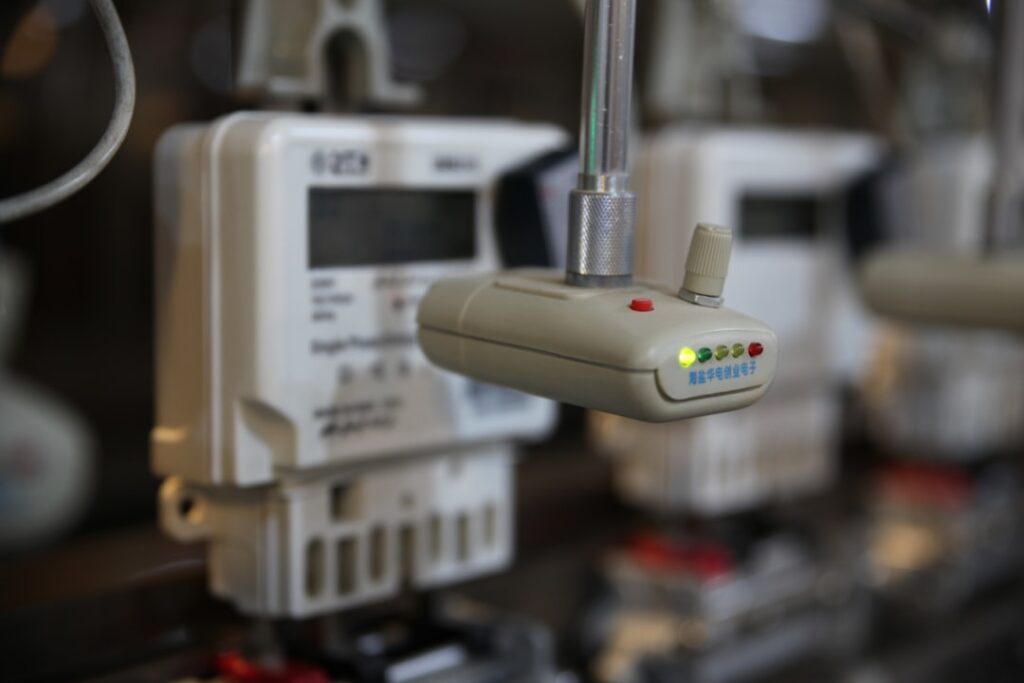
Some leaks you can hear, some you can smell, and many you cannot sense at all until damage is done. An electronic leak detector replaces guesswork with a sensor that reacts to a specific substance and signals the user the instant it finds a trace. The term covers a family of handheld instruments used for refrigerant, combustible gas, and other vapor leaks, each built around a different sensing element. This guide explains what electronic leak detection means, the main sensor technologies, how they differ from acoustic and dye methods, and how a homeowner should think about choosing the right tool for a given problem.
What an Electronic Leak Detector Is
An electronic leak detector is a handheld instrument that uses an electrically powered sensor to detect the presence of a target gas or vapor and convert it into an audible, visual, or numeric alert. Rather than relying on the user’s senses, the device draws air across a sensor, and when the sensor reacts to the target substance the detector signals a leak, usually with a tone that quickens and a display that climbs as the probe approaches the source.
The category is broad because “electronic” describes the sensing method, not the application. The same basic design philosophy underlies refrigerant sniffers, natural-gas and propane detectors, and combustible-gas leak finders. What changes between them is the sensor chemistry tuned to the target. An electronic detector contrasts with non-electronic approaches such as soap-bubble tests, acoustic listening, or fluorescent dye, each of which suits different leaks.
Because the term spans so many uses, buyers should match the detector to the substance. A refrigerant detector will not reliably find a natural-gas leak, and a combustible-gas sniffer is not designed for refrigerant work. The general-purpose label hides an important specialization.
The Main Sensor Technologies
Electronic detectors are best understood by their sensing element, because that determines what they detect, how sensitive they are, and how often the sensor needs replacing.
Heated-Diode Sensors
Common in refrigerant detectors, a heated-diode sensor warms a ceramic element that reacts when halogenated refrigerant molecules pass over it, changing the current and triggering the alarm. These sensors are selective, meaning they respond mainly to their target and resist false alarms from common vapors, though they wear out and need periodic replacement.
Semiconductor (Metal-Oxide) Sensors
Found in many combustible-gas and general-purpose detectors, a semiconductor sensor changes electrical resistance when a target gas adsorbs onto a heated metal-oxide surface. These are inexpensive and broadly sensitive, which makes them useful for finding natural gas or propane, but their broad sensitivity also means they can react to alcohols, solvents, and other vapors.
Infrared (Non-Dispersive) Sensors
Infrared sensors detect how a specific gas absorbs infrared light at a characteristic wavelength. They are stable, long-lived, and selective, and they do not poison or wear out the way some chemical sensors do. They tend to cost more and appear in higher-end refrigerant and combustion instruments.
Electrochemical Sensors
Used for gases like carbon monoxide, electrochemical cells produce a small current proportional to gas concentration. They are accurate at low concentrations, which is why they anchor CO monitors and multi-gas safety meters.
Electronic Versus Acoustic and Dye Methods
Electronic sensing is one approach among several, and knowing when it wins clarifies its role. For a pressurized water pipe, an electronic gas sensor is the wrong tool; the leak makes sound, and an acoustic leak detector that amplifies that noise is far better suited. For a refrigerant or combustible-gas leak, where the escaping substance is a vapor with no useful sound, electronic sensing is the natural fit.
Dye methods complement electronic detection on sealed systems. A technician injects a fluorescent dye into an HVAC or automotive cooling loop, runs it, then scans with a UV light to see exactly where the dye seeps out. The electronic detector finds the general area fast; the dye confirms the precise point. The two methods together are more reliable than either alone, which is why professionals often carry both.
The practical takeaway: choose the method by the substance and the system. Water under pressure favors acoustic and pressure testing. Vapors favor electronic sensing. Sealed liquid loops benefit from dye confirmation. A homeowner who understands this picks the right tool instead of buying a detector that cannot sense the problem at hand.
Where Homeowners Use Electronic Detectors
For most households, two electronic-detection needs come up. The first is gas safety. A combustible-gas sniffer checks fittings on a furnace, water heater, range, or propane line for leaks that a faint odor only hints at. Natural gas is odorized with a sulfur compound for safety, but a detector confirms and locates what the nose merely suspects. Any reading on a gas line is a stop-work signal: leave, ventilate, and call the utility or a licensed professional.
The second is HVAC and refrigeration. A homeowner curious whether an air conditioner is leaking refrigerant can use a detector to investigate, but the actual repair requires EPA Section 608 certification, and refrigerant work is regulated. The detector tells the story; the licensed technician acts on it.
A few usage practices improve results regardless of sensor type:
- Move the probe slowly, about an inch per second, since rushing skips over small leaks.
- Probe the underside of fittings, because many target gases are heavier than air and pool low.
- Reduce drafts and air movement, which scatter the leak plume and cause missed readings.
- Let the detector warm up and auto-zero in clean air before searching.
- Verify the sensor still responds by testing against a known small leak before trusting an all-clear.
Choosing the Right Electronic Detector
Start with the target substance, then weigh sensitivity, sensor lifespan, and replacement cost. A detector with a field-replaceable sensor saves money over years because every chemical sensor eventually degrades. Adjustable sensitivity helps a user find any leak on a high setting, then isolate the largest on a lower one. A clear leak-size indicator, whether bars or a number, separates a minor seep from a serious leak.
For safety-critical gases like carbon monoxide, a certified, listed monitor matters more than a general sniffer, because accuracy at low concentrations protects health. For combustible gas around appliances, a dedicated combustible-gas detector with audible escalation is appropriate. For refrigerant, a heated-diode or infrared model rated for current refrigerant blends is the standard choice.
An electronic detector is a diagnostic instrument, not a repair. It tells a homeowner or technician where a problem lives, and the fix follows separately. For the full picture of diagnostic gear that inspectors and tradespeople rely on, the home inspection tools guide places electronic detectors alongside thermal cameras, moisture meters, and the other instruments that turn a vague symptom into a precise location.
Understanding Sensitivity, Selectivity, and False Alarms
Two properties define how useful any electronic detector is, and they pull against each other. Sensitivity is how small a leak the sensor can detect. Selectivity is how well the sensor responds only to its intended target rather than reacting to unrelated vapors. A highly sensitive but poorly selective sensor will alarm on cleaning solvents, exhaust fumes, and alcohol, sending the user chasing leaks that do not exist.
Semiconductor metal-oxide sensors illustrate the tradeoff. They are cheap and broadly sensitive, which is why they appear in many low-cost combustible-gas sniffers, but their breadth means they cross-react with many vapors. Heated-diode and infrared sensors cost more and offer better selectivity, responding mainly to their target class of gas. For a homeowner, this explains why a bargain detector seems to alarm everywhere: it is sensitive but not discriminating.
Managing false alarms comes down to technique and expectations. Allowing the detector to auto-zero in genuinely clean air, away from any source, sets a fair baseline. Adjusting sensitivity down once a general area is found helps isolate the largest leak rather than reacting to ambient traces. And recognizing that no electronic sensor is perfectly selective keeps the user from trusting a single chirp without confirming it repeats at the same spot.
Calibration, Warm-Up, and Trustworthy Readings
Electronic sensors are not static; they drift over time and degrade with exposure, so a reading is only as trustworthy as the sensor behind it. Most quality detectors require a brief warm-up so the sensing element reaches operating temperature and stabilizes before the first measurement. Skipping that warm-up produces erratic early readings that mislead the user.
Periodic verification matters even more. Before relying on an all-clear result, a careful user checks the detector against a known small source: a refrigerant-bearing fitting for a refrigerant unit, or a tiny controlled gas source for a combustible sniffer. If the detector fails to respond to a leak it should easily find, the sensor has degraded and needs replacement or recalibration. Treating an all-clear from an unverified detector as proof of safety is the most common and dangerous mistake, because a dead sensor and a leak-free system look identical on the display.
Electrochemical sensors used for carbon monoxide deserve special mention. They have a defined service life, often a few years, after which they stop responding accurately. A CO monitor past its expiration may show all-clear in a room with dangerous levels. Replacing these monitors on schedule is a health-and-safety necessity, not a maintenance suggestion, given that carbon monoxide is odorless and can be fatal.
Matching the Detector to the Hazard
The single most important decision is matching the sensor to the substance and the stakes. For carbon monoxide, the priority is a certified, listed monitor rather than a general sniffer, because accuracy at low concentrations protects health and the consequences of a miss are severe. For combustible gas around a furnace, water heater, or range, a dedicated combustible-gas detector with escalating audible feedback helps locate the leak, but any confirmed reading on a gas appliance means leaving the home, ventilating, and calling the utility or a licensed professional immediately.
For refrigerant work, a heated-diode or infrared detector rated for current and emerging low-GWP refrigerant blends is the right choice, though the repair itself remains restricted to certified technicians. For combustion appliances, professionals often use combustion analyzers that fold gas measurement into a broader efficiency and safety check. Each hazard has a purpose-built instrument, and a single general-purpose device rarely serves all of them well.
The practical lesson for homeowners is to resist the appeal of one detector that claims to find everything. Such devices typically rely on broad, low-selectivity sensors that alarm easily and pinpoint poorly. Buying the instrument matched to the actual concern, whether that is a suspected gas leak, a carbon monoxide risk, or an HVAC investigation, produces results a homeowner can act on with confidence. The detector reveals the problem; a qualified professional resolves it.
Maintenance, Storage, and Realistic Expectations
An electronic detector rewards basic care. Store it in a clean case away from solvent and fuel fumes, which contaminate sensors and shorten their life. Keep the probe tip clear of dust and oil, since a clogged inlet starves the sensor of the air sample it needs to read accurately. Replace batteries before they fail rather than after, because a detector that dies mid-search offers no protection. For units with replaceable sensor cartridges, track the sensor’s age and swap it on the manufacturer’s schedule.
Set expectations honestly. An electronic detector locates a leak’s general area quickly, but it is a screening and localizing tool, not a guarantee. Confirming a hard-to-find leak often takes a second method, such as a soap-bubble test on a fitting or injected dye on a sealed loop. And for any reading involving combustible gas or carbon monoxide, the correct response is to prioritize safety, ventilate, and bring in the utility or a licensed professional. Used with those limits in mind, an electronic detector is a dependable first step in turning a worrying symptom into a precise, actionable finding.
References
- Refrigerant handling certification requirements — U.S. Environmental Protection Agency
- Carbon monoxide safety and detection — Centers for Disease Control and Prevention
- Carbon monoxide and gas detection safety — National Fire Protection Association
- Home heating system safety — U.S. Department of Energy