Electronic Moisture Meter: Features, Tradeoffs, and Buying
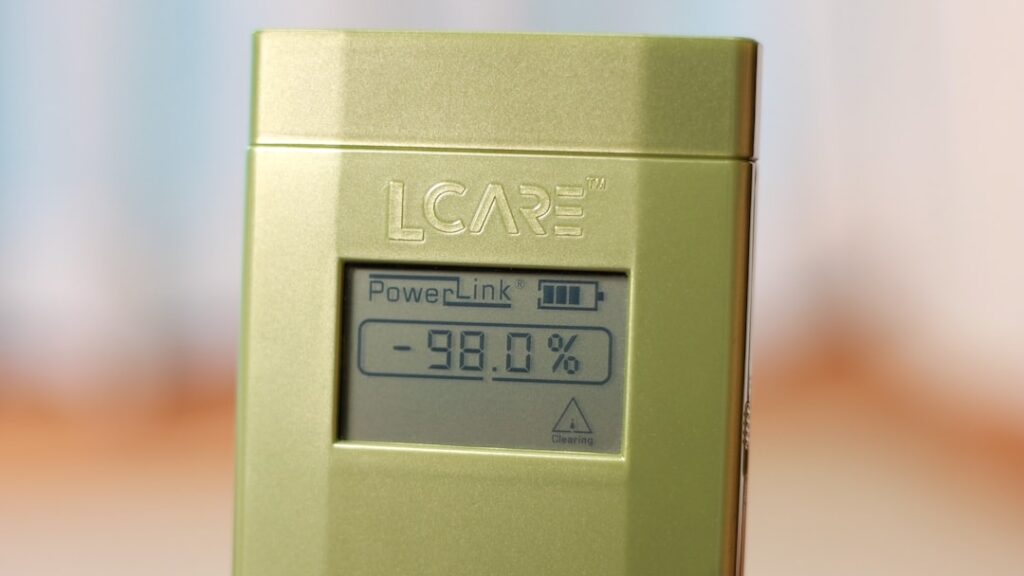
An electronic moisture meter is what most buyers picture when they hear “moisture meter” — a battery-powered handheld with a digital LCD readout, electronic sensors, and (depending on model) onboard memory, Bluetooth, and material-specific firmware. The word “electronic” distinguishes these instruments from the older analog moisture meters that used a galvanometer needle and a mechanical scale. Almost every meter sold today is electronic. The features that vary across electronic models — and that drive the price gap between a $25 listing and a $600 instrument — are the focus of this guide. Knowing which features matter for your use case prevents both under-buying and over-buying.
Part of our Moisture Meters & Water Damage Detection guide — start there for the full picture →
What “electronic” actually means versus analog
Analog moisture meters used a simple resistance bridge circuit driving a moving-coil galvanometer. The needle swung against a printed scale calibrated for one species of wood. Reading accuracy depended on the user holding the meter at the right angle, in good light, and against a clean scale background. Calibration drift had to be detected by comparison against a reference standard since the meter itself had no self-test capability.
Electronic moisture meters replace the galvanometer with a microcontroller, an analog-to-digital converter, and an LCD or OLED display. The microcontroller can store calibration tables for dozens of wood species, apply temperature compensation, run internal self-test routines, and (increasingly) push readings to a phone app via Bluetooth Low Energy. The underlying physics — resistance for pin meters, capacitance for pinless — is identical to the analog era. What changed is the data handling and user interface around the sensor. The moisture meter testing procedure guide covers how to verify your meter’s readings against a known reference regardless of whether it’s electronic or analog.
Features unique to electronic models
Six features show up on electronic meters that analog instruments could not deliver. Each adds cost and usefulness in different ratios.
Digital readout with decimal precision
The LCD displays MC to 0.1% precision on most prosumer and pro models, versus the 1-2% precision typical of analog scales. That said, real instrument accuracy is plus or minus 1.5-3% depending on tier, so the 0.1% display is more about consistency between readings than absolute accuracy. The benefit is real: comparing 17.3% to 17.8% across two locations is easier than eyeballing two slightly different needle positions on an analog scale.
Onboard storage and data logging
Mid-tier and pro electronic meters log readings with timestamps to internal memory. Capacities range from 100 readings (budget-prosumer crossover) to 10,000+ readings (pro tier). Logged data can be reviewed on the meter itself, downloaded to a computer, or pushed to a phone app. For inspectors generating reports, logging eliminates handwritten note-taking errors and produces an audit trail if a reading is later questioned.
Bluetooth connectivity
Bluetooth-equipped meters push readings in real time to a paired phone running the manufacturer’s app or a third-party report tool. The inspector’s hands stay on the meter; the phone records, tags photos to readings, and structures the data into report-ready format. Bluetooth adds $30-100 to the meter cost depending on tier. For an inspector doing 200+ reports a year, the time savings recoups the cost within a quarter.
Auto-calibration and self-test routines
Pro-tier electronic meters include a calibration pad on the back of the unit. Pressing the pins or pinless sensor against the pad and triggering the self-test sequence verifies the meter is reading within spec. Some meters even disable normal operation if the self-test fails, preventing accidentally collecting bad data. This is the single most useful electronic feature for anyone whose readings matter — it converts a periodic “is the meter still good?” worry into a 5-second daily check.
Material and species libraries in firmware
The microcontroller stores conversion tables for dozens of wood species (oak, fir, redwood, maple, walnut, cedar, etc.) and material modes (drywall, concrete, masonry, ceramic, plaster). Selecting the right material from a menu applies the correct internal correction automatically. Analog meters required the user to look up the correction in a printed chart and do mental arithmetic.
Auto power-off and low-battery warning
Electronic meters detect inactivity and shut off after 30 seconds to 5 minutes, dramatically extending battery life. A low-battery indicator warns before the battery drops to a voltage where readings degrade. Analog meters had neither protection.
Pin vs pinless within the electronic category
Both pin and pinless meters today are electronic by default — the distinction is between sensor types, not between digital and analog. Pin electronic meters drive small electrodes into the substrate and measure resistance through a microcontroller-managed circuit. Pinless electronic meters use an RF capacitance sensor pad and measure dielectric properties. The display, storage, and connectivity features described above apply equally to both. The choice between pin and pinless is about what you measure, not about whether the meter is electronic.
The portable moisture meter guide covers the form-factor and ergonomic trade-offs that affect which electronic meter feels right in the hand for full-day field use.
What you give up at the budget end of electronic
Budget electronic meters ($20-40) include the LCD readout and one or two material modes, but skip the higher-end features. Common omissions: no Bluetooth, no data logging, limited or absent species correction, no on-meter calibration check pad, single-tone audible alert (loud and unselectable), backlight that drains the battery if left on. Accuracy specs are typically plus or minus 2-4% on wood with no documented temperature compensation. For occasional homeowner use this is fine. For working inspector use it isn’t.
What you get at the pro end of electronic
Pro electronic meters ($300-800) layer features the budget tier omits. Color OLED display readable in daylight. Bluetooth Low Energy. Internal 1000-10000 reading log. On-meter calibration pad with self-test trigger. Multi-mode operation (pin, pinless, ambient air RH and temp, surface temp, dew point) in a single device. Full species and material library in firmware. IP54 or better water and dust resistance. Field-replaceable pins with a tool slot or wrench included. 2-3 year manufacturer warranty.
Connectivity ecosystem: app integration
Modern pro electronic meters increasingly tie into proprietary or open data-export ecosystems. Tramex, Protimeter, and Wagner each offer iOS and Android apps that pair with their meters via Bluetooth, log readings, tag photos and notes, and export PDF reports. Some third-party inspection software (HomeGauge, Spectora, Horizon) directly imports moisture data from compatible meters. For an inspector running a multi-software stack, verify the meter you’re considering integrates with the rest of your tools before purchase. The home inspection tools pillar covers how meter data flows into the larger reporting ecosystem.
Battery and power considerations
Electronic meters draw more current than the simple galvanometers they replaced — the LCD backlight, microcontroller, and Bluetooth radio each consume power. Most field meters use a single 9V battery good for 100-300 hours of intermittent use, or 2-4 AA cells with comparable runtime. Pro meters with OLED displays and frequent Bluetooth transmission run shorter on a single charge; expect 8-15 hours of continuous use before swap. Rechargeable USB-C units are appearing in the pro tier, eliminating disposable battery costs but introducing one more thing to remember to charge.
Common electronic meter failure modes
Three failures show up across electronic meters regardless of tier. First, water ingress through the pin assembly or USB charging port. The pins literally puncture the meter’s outer seal at the front, and aggressive cleaning with damp cloths drives moisture inward. Solution: wipe pins dry after use, never submerge or rinse. Second, LCD/OLED degradation from cold exposure. Below freezing, displays slow to refresh and may show ghosting. Solution: keep the meter in an interior pocket between readings during winter outdoor work. Third, microcontroller crashes after low-battery shutdowns. The meter freezes on a previous reading or fails to power up. Solution: remove the battery for 30 seconds, then reinsert; persistent freeze suggests warranty service.
Are analog moisture meters still made?
A handful of niche manufacturers still produce analog moisture meters for specific industries (timber milling, agricultural moisture) where simplicity and field-repairability trump features. For residential and home inspection use, the analog tier has been effectively retired since the early 2000s. Vintage analog Delmhorst meters from the 1980s still function and occasionally appear in used markets, but parts and calibration support have ended. New buyers should expect to buy electronic regardless of tier or budget.
Display readability across lighting conditions
Electronic meter displays vary in readability under different lighting. Standard segmented LCDs work fine indoors and in shade but wash out in direct sunlight. Backlit LCDs help in low-light interiors and basements. Color OLED displays found on pro-tier meters maintain readability across the widest range of lighting conditions including direct sun. For inspectors working a mix of attics (dark), basements (dim), exteriors (bright), and finished rooms (mixed), the display upgrade is one of the higher-value pro-tier features in daily use.
Software updates on connected meters
Pro-tier electronic meters with Bluetooth or USB connectivity sometimes receive firmware updates over time. Updates add material correction tables, fix interpretation bugs, and occasionally expand the meter’s reading range or display options. Manufacturers typically push update notifications through the paired app. For working inspectors, keeping firmware current matters because newer correction tables produce more accurate readings on species and materials not present at original release.
Choosing between meter brands at the same tier
Within each electronic meter tier, multiple brands compete on roughly comparable feature sets. The brand decision often comes down to three factors. Software ecosystem: does the brand’s app integrate with the inspection-management platform you already use? Service network: does your region have a local distributor with calibration service, or does every repair require shipping to a distant factory? Replacement parts availability: are pins, batteries, and accessories stocked locally or only mail-order? These supply-chain details often outweigh small feature differences between brands.
Bottom line
“Electronic moisture meter” describes nearly every meter sold today. The useful question is which electronic features you need: just a digital display and one material mode (budget), digital plus species correction and a calibration pad (prosumer), or full data logging, Bluetooth, multi-sensor integration, and OEM app support (pro). Match the feature set to whether you’re a homeowner, a serious DIY renovator, or a working inspector. Within each tier the brand choice matters less than the feature checklist.
References
- InterNACHI inspector tools resource — InterNACHI
- ASHI Standard of Practice documentation — American Society of Home Inspectors
- A Brief Guide to Mold, Moisture and Your Home — U.S. Environmental Protection Agency
- ICC moisture management references — International Code Council
Frequently asked questions
What makes a moisture meter electronic versus analog?
Electronic meters use a microcontroller and digital display in place of the analog galvanometer needle. The underlying sensor physics (pin resistance or pinless capacitance) is identical. Electronic adds storage, connectivity, and self-test capability.
Are all moisture meters today electronic?
For residential and inspection use, yes. A few niche analog meters still exist in agricultural and timber-milling markets, but new buyers in 2026 should expect electronic regardless of tier.
Is Bluetooth on a moisture meter actually useful?
For working inspectors writing 200+ reports a year, yes. Real-time push to a phone app saves time and eliminates transcription errors. For occasional homeowner use, Bluetooth adds cost without much benefit.
What does auto-calibration on an electronic meter actually do?
Pressing the sensor against a built-in calibration pad triggers a self-test routine that verifies the meter is reading within spec. Some meters disable normal use if the test fails, preventing bad-data collection.
Moisture meters for home inspection
Pin meters read deep but leave marks; pinless meters scan surfaces non-destructively. Many inspectors carry both.
| Product | Why | Buy |
|---|---|---|
 Klein Tools ET140 Pinless Klein Tools ET140 Pinless | Non-destructive scanning; affordable. | Amazon — $49.14 |
 General Tools MMD4E General Tools MMD4E | Best-selling pin meter for drywall/wood. | Amazon — $39.98 |
 Lignomat Mini-Ligno Lignomat Mini-Ligno | Trusted by woodworkers; species-calibrated. | Amazon — $99.00 |