Moisture meters for home inspection
A moisture meter tells homeowners, buyers and inspectors whether a stain, a soft spot or a musty corner is still wet, which is the difference between an old, dried-out leak and an active one that can feed mold and rot. The short answer for most homes: a pinless meter for scanning drywall and floors without damage, plus a pin meter (or a combo unit) when a deeper, more specific reading in wood is needed. This page covers meter types, material scales, what the numbers mean and how meters fit alongside thermal cameras and hygrometers. The product buttons below go to Amazon, where you can check the live price and current availability.
Pin vs pinless vs combo meters
All three types estimate moisture through electrical properties of the material, but they get there differently, and each has a job it does best.
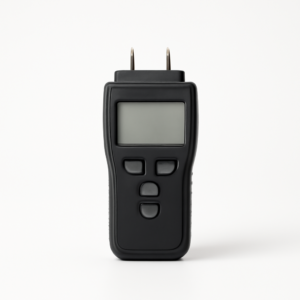
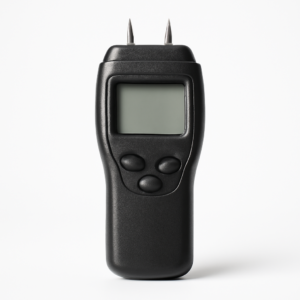
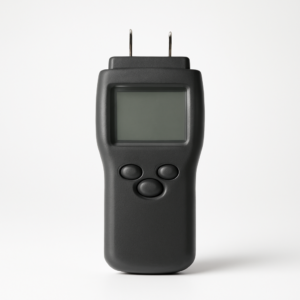
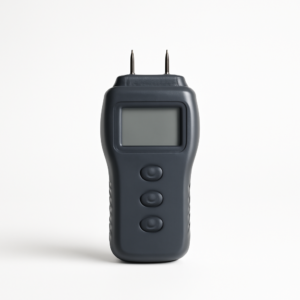
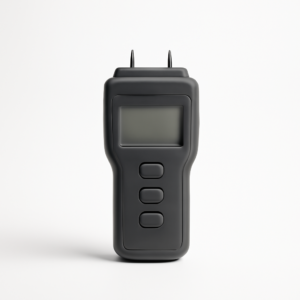
- Pin meters push two sharp probes into the material and measure electrical resistance between them. Wet material conducts better, so resistance drops as moisture rises. The reading comes from the depth the pins reach and the spot between them, which makes pin meters good at pinpointing exactly where water is and at checking wood for framing, flooring or firewood. The downside is two small holes per reading, which matters on finished surfaces.
- Pinless meters press a flat sensor pad against the surface and read moisture through an electromagnetic field, usually to a depth of roughly a quarter to three-quarters of an inch depending on the model. Nothing gets punctured, and sweeping the pad across a wall maps a wet area in seconds. Readings average over the pad's footprint and can be thrown off by metal fasteners, foil-backed insulation or surface water.
- Combo meters include both pins and a pinless pad. A typical workflow is to scan with the pad to find the wet zone, then confirm with the pins at the wettest spot. Combo units cost more but replace two tools.
For a homeowner checking walls and ceilings after a leak, a pinless meter is usually the most comfortable first tool. Woodworkers, firewood buyers and anyone checking subfloors or framing tend to want pins. Many inspectors carry both styles or a combo unit.
Material scales: wood, drywall, concrete and reference modes
Electrical readings mean different things in different materials, so meters ship with scales or modes for specific uses.
- Wood scales report percent moisture content (%MC) and often include species groups or correction settings, because dense hardwoods and light softwoods read differently at the same moisture level. Kiln-dried lumber and seasoned firewood fall in very different ranges, so a wood meter's scale should cover the job.
- Building-material scales cover drywall, plaster and similar materials. Some meters show a calibrated percentage for gypsum; many show a scale tuned to wood-equivalent readings.
- Concrete and masonry modes give a rough indication of surface moisture in slabs and block walls. They are useful for spotting a damp area, but flooring installers usually rely on dedicated slab tests (such as in-situ relative humidity probes) before laying moisture-sensitive flooring.
- Reference or relative modes show a 0 to 100 (or similar) scale with no unit. The number does not equal percent moisture; it only says "wetter" or "drier" compared with other readings on the same material. This mode is the workhorse for comparing a stained ceiling with dry ceiling a few feet away.
What readings actually mean
A moisture meter reading is most useful as a comparison, not as an absolute verdict. Outside of calibrated wood scales, most readings are relative, and even wood readings shift with species, temperature and density. That is why the first step on any suspect surface is a dry baseline: take readings on the same material in an area that is clearly unaffected, such as an interior wall in the same room, then compare.
- Close to the baseline: the area is likely dry, and an old stain may simply be cosmetic.
- Clearly above the baseline: moisture is present. Map the edges of the wet zone by taking readings outward until they match the baseline.
- High and spreading over repeat checks: the source is probably active. Look above and around the area for plumbing, roof, window or condensation sources.
Common sources of false highs include metal behind the surface (nails, corner bead, foil, pipes), salts left behind by old water damage and surface condensation. Repeat a suspect reading in a few nearby spots before drawing conclusions. A meter shows where moisture is; it does not identify mold. The EPA notes that the key to mold control is moisture control, and that wet materials should be dried within 24 to 48 hours to help prevent growth.
Thermal cameras and hygrometers alongside a meter
A moisture meter checks one spot at a time. A thermal camera shows temperature patterns across a whole wall or ceiling, and evaporating moisture often shows up as a cooler patch. The common inspection workflow is to scan with a thermal camera to find suspicious cool areas, then confirm with a moisture meter. The confirmation step matters, because cold spots can also come from missing insulation, air leaks or HVAC ducts, none of which involve water.
A hygrometer measures something different: relative humidity (RH) in the room air, not moisture inside materials. It is the right tool for tracking basements, crawl spaces and bathrooms where condensation is a concern. The EPA recommends keeping indoor relative humidity below 60 percent, ideally between about 30 and 50 percent. Readings that sit above that range for long periods point to ventilation, dehumidification or a hidden water source. Inexpensive digital hygrometers are easy to leave in several rooms and check over time.
What inspectors use and how to choose
Home inspectors commonly carry a pinless meter for fast scanning of walls, ceilings and floors, often paired with a pin meter or combo unit for confirming readings in wood, and frequently a thermal camera on top of that. Inspection standards of practice generally do not require moisture meters, but many inspectors use them around showers, tubs, windows, under sinks and below roof stains because a dry or wet reading adds evidence to what the eye sees.
| Meter type | How it reads | Best for | Notes |
|---|---|---|---|
| Pinless | Electromagnetic field through a flat pad | Drywall, ceilings, finished floors, fast leak mapping | No holes; affected by metal and surface water; reads a fixed depth |
| Pin | Resistance between two probes | Framing, subfloors, lumber, firewood, pinpointing a wet spot | Leaves small holes; wood scales and species settings are common |
| Combo (pin + pinless) | Both methods in one unit | Inspectors and frequent users | Scan with the pad, confirm with the pins |
| Hygrometer | Relative humidity of room air | Basements, crawl spaces, bathrooms, long-term monitoring | Does not measure moisture inside materials; target roughly 30 to 50 percent RH |
| Thermal camera | Surface temperature patterns | Scanning large areas for suspect spots | Shows temperature, not moisture; confirm with a meter |
Before buying, check these points:
- The right scales for the job: wood species settings for lumber and firewood, a building-material or reference mode for walls.
- A readable display with a backlight for attics, crawl spaces and under-sink cabinets.
- Hold or max functions to freeze a reading in an awkward spot.
- Replaceable pins on pin meters, since tips dull and bend with use.
- A calibration check feature or reference block, so the meter can be checked over time.
Our picks in this category
The Klein Tools ET150 Pinless is a pinless meter from a widely stocked tool brand, suited to scanning drywall, ceilings and wood without leaving holes.
The Klein Tools ET140 Pinless is a simple non-destructive meter for homeowners who want a quick wetter-or-drier answer on walls and floors after a leak.
The General Tools MMD4E is a pin-type digital meter with settings for wood and building materials, a practical pick for confirming a spot found by scanning.
The Lignomat Mini-Ligno is a compact pin meter from a long-established wood-moisture brand, aimed at checking lumber, flooring and framing.
The Tavool Wood Moisture Meter is a budget-friendly pin meter with wood modes, a reasonable choice for firewood and occasional household checks.
Related guides
For a deeper look at choosing a meter for inspection work, start with the moisture meter for home inspection buyer's guide and the best moisture meter for home inspectors. The trade-offs between styles are covered in the pinless vs pin moisture meter comparison.
Homeowners checking finished walls can read the best moisture meter for drywall guide and use the drywall moisture meter readings chart to interpret numbers. For general interpretation, see how to read a moisture meter, and for technique, how to use a moisture meter.
Wood and slab checks have their own guides: the best moisture meter for wood, the best moisture meter for firewood and the moisture meter for concrete guide. Readers pairing a meter with a camera can follow the thermal imaging and moisture meter combo workflow, and anyone tracking room humidity can start with what a hygrometer is.
References
Frequently asked questions
Is a pin or pinless moisture meter better?
Neither is better for every job. A pinless meter scans finished walls, ceilings and floors without leaving holes and is fast for mapping a wet area. A pin meter reads a specific spot at the depth of its probes and is preferred for wood, framing and firewood. Combo meters include both, which is why many inspectors use them.
What is a normal moisture meter reading for drywall?
It depends on the meter and the scale it uses, so the most reliable approach is comparison. Take a dry baseline reading on unaffected drywall in the same room, then compare the suspect area. Readings close to the baseline suggest the area is dry, while readings clearly above it indicate moisture. A readings chart for the specific meter helps interpret the numbers.
Can a moisture meter detect mold?
No. A moisture meter detects moisture, not mold. Because mold needs moisture to grow, a meter helps find the damp conditions that support it and confirms whether a stained area is still wet. Suspected mold growth should be addressed by fixing the water source and cleaning or removing affected materials, following EPA guidance.
What is the difference between a moisture meter and a hygrometer?
A moisture meter measures moisture inside materials such as wood, drywall and concrete. A hygrometer measures relative humidity in the air. The EPA recommends keeping indoor relative humidity below 60 percent, ideally about 30 to 50 percent, so a hygrometer is useful for monitoring basements, crawl spaces and bathrooms.
Do I need a thermal camera if I have a moisture meter?
Not necessarily. A moisture meter alone is enough to check known stains and suspect spots. A thermal camera speeds up scanning large areas for cool patches that may indicate moisture, but those patches still need to be confirmed with a moisture meter because insulation gaps and air leaks can look similar.
5 products
Guides on moisture meters for home inspection
- Hardwood vs Engineered Wood Flooring: Cost, Life, Moisture
- Best Sewer Camera (2026): 7 Inspection Cameras Compared
- Carpet Smells Musty? Pad Moisture, Spills and Slab Causes
- Best Hygrometers (2026): 7 Indoor Humidity Monitors Compared
- Moisture Absorbers: What They Can and Can’t Do in a Home
- Exterior Wall Insulation: Retrofit Options for Existing Homes
Gear picks you can trust
Tied to our guides
Each product maps to a topic we cover in depth — radon, mold, lead, moisture, electrical and thermal inspection — so you know what the tool is for before you buy.
Short list on purpose
No endless catalog. We list the kinds of kits and meters we’d point a homeowner or new inspector to, not every model on the market.
No extra cost
Buttons open Amazon, where you check the live price and buy. As an Amazon Associate we earn from qualifying purchases, at no cost to you.
Frequently asked
- Do you sell these products?
- No. We’re a guide-first site — every button takes you to Amazon to complete the purchase there.
- Why don’t you show prices?
- Amazon prices change constantly, so we send you to the live listing rather than show a number that may be out of date.
- Is a DIY kit a substitute for a professional inspection?
- For screening, often yes. For real-estate transactions, remediation clearance or anything health-critical, use a certified professional — our guides explain when.