Dehumidifiers for damp basements
A dehumidifier is for homeowners dealing with a damp basement, a musty crawl space, condensation on cold walls or a room where mold keeps coming back. The short answer: size the unit by the area and how wet the space is, pick a model that drains itself (a hose or a built-in condensate pump), and set it to hold relative humidity in the 30 to 50 percent range. Crawl spaces and cold basements call for units built to run at low temperatures. This page explains sizing, the difference between basement and crawl space units, where humidity should sit, and what a Colorado home actually needs. It is general guidance, not a substitute for an inspection when water is getting in. The product buttons below go to Amazon, where you can check the live price and current availability.
Sizing: pints per day, area and dampness
Dehumidifiers are rated by how many pints of water they can pull from the air in 24 hours. The right capacity depends on two things: the size of the space and how wet it is. A large basement that only feels a little clammy in summer needs far less capacity than a smaller room with water stains, a musty smell and visible condensation.
- Moderately damp spaces. Rooms that feel damp or smell musty only in humid weather are usually well served by a mid-size portable unit.
- Very damp spaces. Spaces that always feel wet, show condensation on walls or pipes, or have had recent water in them need more capacity, often a large portable unit or a dedicated whole-basement or crawl space unit.
- Larger or open areas. Open-plan basements and big crawl spaces need more capacity than the square footage alone suggests, because air leaks and ground moisture keep adding water.
One detail causes a lot of confusion. The test conditions used for U.S. capacity ratings changed in 2019, and the newer ratings generally come out lower for the same machine. A dehumidifier once sold as a 70-pint unit may now be listed at around 50 pints even though the hardware is similar. When comparing models, check whether a listing uses the newer rating, and compare like with like. Square-footage claims on product listings are also marketing figures; treat them as a rough guide rather than a guarantee. Undersizing is the more common mistake: a unit that runs constantly and never reaches its set point is too small for the space.
For a deeper look at capacity for under-floor spaces, the crawl space dehumidifier sizing guide walks through when one is needed and how to size it.
Basement units vs crawl space units
Most portable dehumidifiers are designed for living spaces and finished basements. Crawl spaces are a harder environment: cooler, often dirty, hard to reach and rarely checked. Units built for crawl spaces differ in a few practical ways.
- Low-temperature operation. Standard refrigerant dehumidifiers lose efficiency in cool air, and their coils can frost. Crawl space and many basement-grade units are built to keep working at lower temperatures with automatic defrost. If the space stays cool for much of the year, check the operating temperature range on the listing.
- Ducting. Many crawl space units can be fitted with ducts so dry air is spread through the space, or so the unit can sit in one spot while drawing air from another. This matters in crawl spaces with piers, beams and separate bays.
- Condensate pump or gravity drain. Nobody wants to empty a bucket in a crawl space. A gravity drain hose works when there is a floor drain or a lower discharge point. Where water has to be lifted up and out, a built-in or add-on condensate pump is the practical choice.
- Build and footprint. Crawl space units tend to be low-profile, sealed against dust and designed to run unattended for long periods.
A dehumidifier works best in a crawl space that is already closed up. Open vents, missing vapor barriers and gaps let humid outdoor air in as fast as the unit removes it. Sealing and crawl space insulation and encapsulation are often done alongside a dehumidifier for that reason.
Target humidity and fixing the water source first
The EPA recommends keeping indoor relative humidity below 60 percent, and ideally between 30 and 50 percent, to limit mold growth. Most dehumidifiers have a built-in humidistat: set it somewhere around 45 to 50 percent for a basement and the unit will cycle on and off to hold that level. Going much lower wastes energy and is rarely needed. A separate hygrometer placed away from the unit gives a more honest reading of the room than the dehumidifier's own sensor.
A dehumidifier controls moisture in the air. It does not stop water coming through a foundation, a leaking pipe, poor grading or gutters dumping water against the wall. The EPA's mold guidance is clear that the key to mold control is moisture control, starting with fixing the source of water. If a basement takes in water during storms or snowmelt, the long-term fix is drainage, grading or basement waterproofing, with the dehumidifier handling what remains. Running a large unit to keep up with an active leak only hides the problem.
A Colorado note: many homes need less than you might think
Colorado's Front Range has a dry climate, and many homes never need a dehumidifier in living spaces. In winter, the more common complaint is air that is too dry. Where dehumidifiers do earn their place here is in specific situations:
- Basements, especially below-grade spaces with cool concrete walls that can feel damp in summer, or finished basements with carpet over slab.
- Crawl spaces with exposed soil, poor ventilation or a history of musty smells.
- After a water event, such as a burst pipe, a sump failure, a heavy storm or snowmelt seeping in. Drying the space quickly limits the chance of mold taking hold.
A hygrometer is a cheap way to find out whether a dehumidifier is needed at all. If a basement reads below 50 percent most of the year, a dehumidifier may only need to run during a short summer window or after a leak, and a smaller unit may be enough.
Energy use, ENERGY STAR and maintenance
A dehumidifier that runs for months each year can add noticeably to an electric bill. ENERGY STAR certified models are rated to remove more water per unit of energy than standard models, which matters most for units that run continuously in basements and crawl spaces. ENERGY STAR's dehumidifier pages list certified models and explain the efficiency metric used.
Maintenance is simple but easy to forget, especially in a crawl space:
- Clean or replace the air filter regularly. A clogged filter reduces airflow and capacity.
- Check the drain line or pump for kinks, clogs and algae. A blocked line can cause leaks or shut the unit down.
- Keep the coils clear of dust, and keep space around the intake and exhaust.
- Verify the humidity reading with a separate hygrometer once in a while, so the unit is not over- or under-drying.
- Watch for frost or short cycling in cold spaces, which can point to a unit not rated for those temperatures.
| Situation | Unit type | Drainage | Key feature to check |
|---|---|---|---|
| Bedroom or living area, occasional damp | Small to mid-size portable | Bucket or hose | Quiet operation, humidistat |
| Finished basement, damp in summer | Mid to large portable | Hose to floor drain or built-in pump | ENERGY STAR rating, auto-restart |
| Cool or very damp basement | Large portable or basement-grade unit | Built-in pump or gravity drain | Low-temperature operation, auto-defrost |
| Crawl space | Dedicated crawl space unit | Condensate pump or gravity drain | Ducting option, low-profile build, low-temperature rating |
| After a leak or flood | Large-capacity unit, sometimes several | Continuous drain | Capacity under the newer rating, fix the water source first |
Our picks in this category
The AlorAir Sentinel HDi65 Crawl Space dehumidifier is a dedicated crawl space and basement unit from a brand well known in this segment, built for low-temperature operation with ducting options; check the listing for drain and pump details.
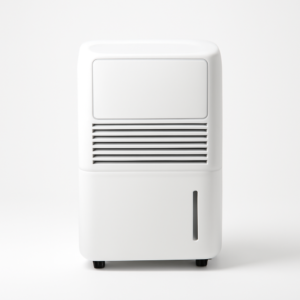
The Honeywell TP70WKN is a portable dehumidifier sized for basements and larger rooms, with a bucket and a hose connection for continuous drainage; confirm whether a listing quotes its capacity under the older or newer rating.
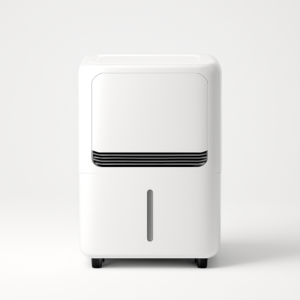
The Vremi 4,500 Sq Ft Dehumidifier is a portable unit marketed for large spaces; check the pint-per-day rating and drainage options on the listing rather than relying on the square-footage figure.
The Frigidaire High-Humidity dehumidifier is a portable model from a long-established appliance brand aimed at damp rooms and basements; confirm the exact capacity and whether a pump is included before buying.
The hOmeLabs 4,500 sq ft dehumidifier is a popular portable unit for basements and large rooms, with a humidistat and a hose option for continuous draining.
Related guides
For a wider starting point, read the how to choose a dehumidifier guide and the dehumidifier for basement guide. Crawl space buyers can compare options in the best crawl space dehumidifier guide and the crawl space dehumidifier with pump guide.
Setup and budget questions are covered in the crawl space dehumidifier installation guide and the crawl space dehumidifier cost guide, and the crawl space moisture control guide covers the causes behind a damp crawl space.
On the mold side, see what humidity mold grows at, the dehumidifier for mold removal guide and the basement mold remediation guide.
References
- EPA: A Brief Guide to Mold, Moisture and Your Home
- EPA: Mold Cleanup in Your Home
- ENERGY STAR: Dehumidifiers
Frequently asked questions
What size dehumidifier does a basement need?
It depends on the area and how damp the space is. A basement that only feels clammy in summer can often use a mid-size portable unit, while a very damp or large basement needs more capacity. Capacity ratings changed in 2019 and newer ratings are generally lower for the same machine, so compare models using the same rating. A unit that runs nonstop without reaching its set point is likely too small.
What humidity should a dehumidifier be set to?
The EPA recommends keeping indoor humidity below 60 percent, ideally between 30 and 50 percent. For most basements, a setting around 45 to 50 percent controls mold risk without wasting energy. A separate hygrometer helps confirm the actual room level.
Do I need a special dehumidifier for a crawl space?
Usually, yes. Crawl spaces are cool and hard to reach, so dedicated units are built to run at low temperatures, drain through a condensate pump or gravity line, and often accept ducting. Standard portable units can frost up and need their buckets emptied, which is impractical under a house.
Do Colorado homes need a dehumidifier?
Many do not need one in living spaces because the Front Range climate is dry. Basements, crawl spaces and homes recovering from a leak or flood are the common exceptions. A hygrometer reading consistently above 50 to 60 percent is a sign a dehumidifier would help, and any water source should be fixed first.
Will a dehumidifier fix a wet basement?
No. A dehumidifier removes moisture from the air but does not stop water coming through walls, floors or leaks. The source should be fixed with drainage, grading, gutter repairs or waterproofing, and the dehumidifier then keeps humidity in a safe range.
5 products



Guides on dehumidifiers for damp basements
- Dehumidifiers: What Homeowners Need to Know
- Moisture Absorbers: What They Can and Can’t Do in a Home
- Dehumidifier Drain Hose: Gravity Drains, Pumps and Leaks
- Humidistat: Setting Humidity for Colorado Winters and Summers
- Furnace Limit Switch: Overheating, Filters and Short Cycling
- Basement Humidity: Ideal Levels, Causes and Dehumidifying
Gear picks you can trust
Tied to our guides
Each product maps to a topic we cover in depth — radon, mold, lead, moisture, electrical and thermal inspection — so you know what the tool is for before you buy.
Short list on purpose
No endless catalog. We list the kinds of kits and meters we’d point a homeowner or new inspector to, not every model on the market.
No extra cost
Buttons open Amazon, where you check the live price and buy. As an Amazon Associate we earn from qualifying purchases, at no cost to you.
Frequently asked
- Do you sell these products?
- No. We’re a guide-first site — every button takes you to Amazon to complete the purchase there.
- Why don’t you show prices?
- Amazon prices change constantly, so we send you to the live listing rather than show a number that may be out of date.
- Is a DIY kit a substitute for a professional inspection?
- For screening, often yes. For real-estate transactions, remediation clearance or anything health-critical, use a certified professional — our guides explain when.