Dehumidifier for Mold Removal: What Homeowners Know
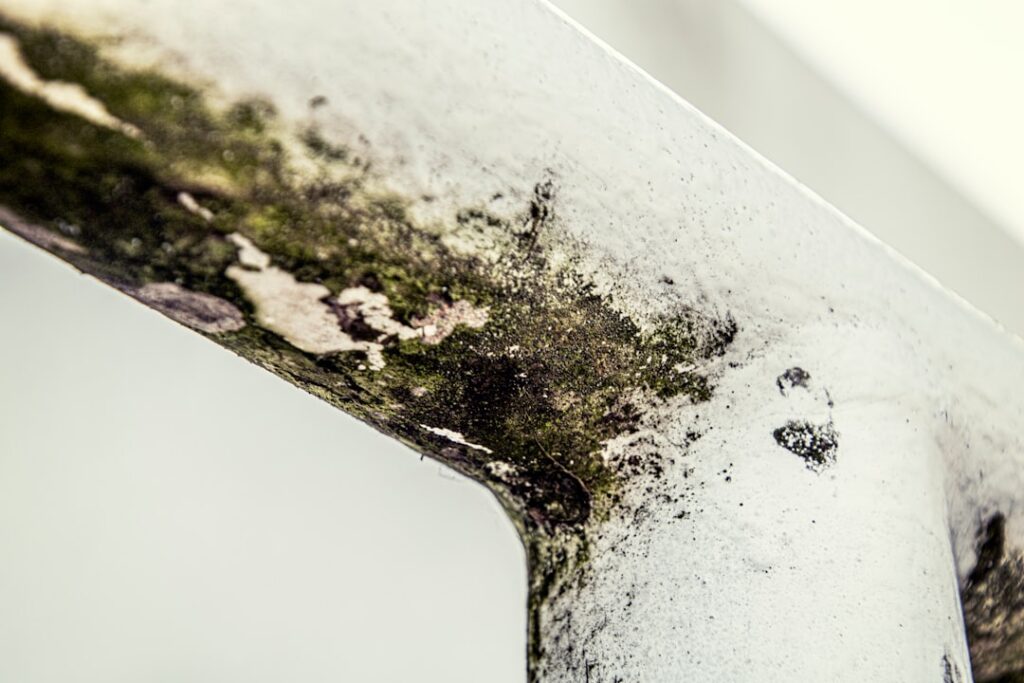
A dehumidifier is one of the most useful tools against household mold, but it works by prevention, not eradication. It pulls moisture out of the air so spores have nothing to grow on, which stops new mold and keeps cleaned areas from re-growing. It does not, on its own, kill mold that is already established on a surface. Understanding that distinction is the key to using a dehumidifier for mold removal correctly. This guide summarizes EPA and CDC guidance current as of 2026; it is general information, not a substitute for a physician’s advice on symptoms or a professional’s assessment of serious contamination.
Part of our Mold Removal & Remediation guide — start there for the full picture →
Is this mold, asbestos, or water damage? Get a free instant screen
Upload a clear photo of the suspect area. You'll get an instant AI screening opinion and what to do next. This is screening guidance, not a professional determination.
Screening guidance only. AI can be wrong. Confirm asbestos, mold type, or lead with lab testing or a licensed professional before acting.
Does a Dehumidifier Remove Mold?
A dehumidifier does not remove or kill existing mold. What it does is lower the relative humidity in a space below the level mold needs to thrive. The EPA recommends keeping indoor humidity below 60 percent, ideally between 30 and 50 percent, because mold requires moisture to grow. By holding humidity in that range, a dehumidifier removes the condition that lets mold spread. The distinction is worth repeating because it shapes expectations: buy a dehumidifier to prevent and to maintain, not to clean. A homeowner who runs one in a damp basement and expects the existing visible mold to disappear will be disappointed, while one who cleans the mold first and then runs the unit to hold humidity down will see lasting results.
So the realistic role is twofold. First, prevention: in a damp basement, crawl space, or humid bathroom, running a dehumidifier stops mold from getting started. Second, maintenance after cleanup: once you have physically removed mold from a surface and dried it, a dehumidifier keeps the humidity low so it does not return. You still have to clean or remove the existing mold by other means, as covered in our guide to what kills black mold.
There is also an important role for a dehumidifier immediately after water damage. The EPA’s guidance to dry wet materials within 24 to 48 hours hinges on removing moisture fast, and a dehumidifier paired with air movers is exactly how you do that. Used in those first critical hours after a leak or spill, it can prevent mold from ever establishing, which is far cheaper than remediation. Speed is the whole game in water damage, and a dehumidifier is one of the tools that lets you win it.
Why Moisture Control Beats Spraying Cleaners
Mold cleanup that ignores humidity is a treadmill. You can scrub a wall spotless, but if the surrounding air stays above 60 percent humidity, spores settle and the colony returns within days. The EPA’s central message in its mold guidance is that controlling moisture is the durable solution; cleaning is only half the job.
This is why a dehumidifier earns its place even though it kills nothing. In persistently damp spaces, no amount of cleaner outpaces the moisture. Lowering humidity changes the environment so mold cannot re-establish, which protects every surface in the room. Our overview of mold in basement spaces explains why below-grade areas in particular depend on this kind of ongoing moisture control.
Sizing a Dehumidifier for the Space
Dehumidifiers are rated by how many pints of water they remove per day, and matching capacity to the space matters. A small portable unit removing 20 to 30 pints daily suits a damp bedroom or small basement. A larger 40 to 50 pint unit handles a full basement or a noticeably wet space. Whole-house and crawl space units, or those rated for low temperatures, handle bigger or cooler areas.
Size up rather than down. An undersized unit runs constantly without reaching the target humidity, while a properly sized one cycles efficiently and holds the room in range. For cool spaces like basements and crawl spaces, look for a unit rated to operate at lower temperatures, since standard models can frost up below about 65 degrees. The right capacity for your situation depends on square footage and how damp the space currently is.
Placement and Operation Tips
Where and how you run the unit affects results. Place it centrally in the problem area with clearance around the intake and exhaust so air circulates freely, away from walls and furniture that block airflow. Close windows and doors to the space so the dehumidifier is conditioning a defined volume rather than fighting outdoor humidity.
Set the target humidity to around 45 to 50 percent and let the built-in humidistat cycle the unit. Empty the collection tank regularly, or better, run a hose to a floor drain or use the unit’s condensate pump for continuous drainage so it never shuts off on a full tank. Clean the filter on schedule, because a clogged filter cuts efficiency and can itself harbor dust. In Front Range homes the outdoor air is often dry, but basements, crawl spaces, and humid bathrooms still benefit from a dedicated unit during wet seasons and spring snowmelt.
Dehumidifier Plus the Full Mold-Control Routine
A dehumidifier is one piece of a complete approach. Pair it with the rest:
Fix leaks and seepage at the source, since a dehumidifier cannot keep up with an active water intrusion. Improve ventilation with exhaust fans in bathrooms and laundry rooms. Remove existing mold by cleaning hard surfaces and replacing moldy porous materials like drywall and carpet, per EPA guidance. Then run the dehumidifier to hold humidity down so the cleaned space stays mold-free. The mold inspection and testing hub ties these steps together, and our guide to DIY mold removal covers the cleaning side in detail.
Reading Indoor Humidity and Setting Targets
To use a dehumidifier well, you need to know what the humidity actually is, which means an inexpensive hygrometer in each problem room. Relative humidity is the percentage of moisture the air holds compared to the maximum it could hold at that temperature, and it is the number that matters for mold. The EPA’s target of below 60 percent, ideally 30 to 50 percent, is the band to aim for. Place the gauge away from the dehumidifier itself so it reads the room rather than the dry air right at the outlet.
Humidity is not uniform throughout a house. Basements, bathrooms, and crawl spaces run wetter than living areas, and the air near a cool foundation wall holds more relative moisture than the air mid-room because it is colder. A whole-house reading from a thermostat can look fine while a basement corner sits well above 60 percent. Measuring the actual problem spots, and placing the dehumidifier there, is far more effective than guessing. If a room consistently reads high despite a running unit, that is your cue to look for an active water source rather than just buying a bigger dehumidifier.
Seasonality matters too. In many Front Range homes humidity climbs during spring snowmelt and the summer monsoon, then drops in the dry, cold winter. Running the dehumidifier hard during the wet months and easing off when the air is naturally dry saves energy while still protecting against mold. Some homeowners set the unit to maintain a fixed humidity year-round and let the humidistat decide when it needs to run, which is the simplest reliable approach.
Refrigerant Versus Desiccant Dehumidifiers
Most household dehumidifiers are refrigerant (compressor) units. They draw air over a cold coil where moisture condenses and drips into a tank or drain, much like an air conditioner. They are efficient and effective in warm, humid conditions but lose performance as temperatures drop, and standard models can frost up below roughly 65 degrees, which matters in a cool basement or crawl space.
Desiccant dehumidifiers use a moisture-absorbing material instead of a cold coil and keep working well at lower temperatures, making them a better fit for unheated basements, crawl spaces, and garages in cooler months. They typically draw more electricity for the same moisture removal in warm conditions, so the right choice depends on where and when you need it. For a cool Front Range basement used year-round, a desiccant unit or a refrigerant model specifically rated for low-temperature operation avoids the frost problem that sidelines a basic unit.
Energy Use and Maintenance
A dehumidifier runs a lot in a damp space, so efficiency affects both your power bill and how reliably it holds humidity down. The Department of Energy notes that capacity and efficiency vary across models, and an appropriately sized, efficient unit reaches the target humidity and then cycles rather than running flat out. Choosing a unit with a built-in humidistat lets it shut off when the room hits the setpoint instead of overdrying and wasting energy.
Maintenance keeps it working and keeps it from becoming a problem itself. Clean or replace the filter on the manufacturer’s schedule, because a clogged filter cuts airflow and efficiency. Empty and wipe out the collection tank regularly, or run continuous drainage so water never sits, since a neglected tank can grow its own mold and odor. Periodically clean the coils or desiccant per the manual, and store the unit dry when not in use. A well-maintained dehumidifier quietly does its job for years; a neglected one can reintroduce the very musty smell you bought it to eliminate.
Where to Run a Dehumidifier for the Best Effect
Targeting the dehumidifier to the right space matters as much as owning one. Basements are the classic deployment because they are cool, often damp, and below grade where moisture concentrates. Crawl spaces benefit too, though they need a unit rated for low temperatures and continuous drainage since no one is around to empty a tank. Bathrooms and laundry rooms generate humidity in bursts and may be better served by good exhaust ventilation, with a dehumidifier as backup in a room that stays damp.
Whole-house dehumidification, either a standalone large unit or one integrated with the HVAC system, makes sense for homes with pervasive humidity rather than a single problem room. For most homeowners, though, a portable unit placed in the dampest space, with doors to that space kept closed so it conditions a defined volume, delivers the most benefit per dollar. Avoid the temptation to move a small unit from room to room chasing dampness; it is more effective to size a unit to the worst space and leave it there, monitoring with a hygrometer to confirm it holds the target.
When a Dehumidifier Isn’t Enough
A dehumidifier manages humidity, not flooding, leaks, or established contamination. Call a professional when mold covers more than about 10 square feet, when it is inside the HVAC system, when sewage or flood water is involved, or when household members have asthma, allergies, or weakened immunity. The CDC advises consulting a physician for persistent mold-related symptoms. If a space stays damp even with a properly sized dehumidifier running, you likely have an active water source, such as foundation seepage or a hidden leak, that needs to be found and repaired. For larger projects, our mold remediation cost guide sets expectations. Think of the dehumidifier as a long-term partner in moisture control rather than a one-time fix: it keeps a vulnerable space in the safe range year after year, but it works best alongside leak repairs, drainage improvements, and good ventilation rather than in place of them.
References
- A Brief Guide to Mold, Moisture and Your Home — U.S. Environmental Protection Agency
- Mold Cleanup in Your Home — U.S. Environmental Protection Agency
- About Mold and Health — Centers for Disease Control and Prevention
- ENERGY STAR: Dehumidifiers — U.S. Environmental Protection Agency (ENERGY STAR)
Frequently asked questions
Does a dehumidifier kill mold?
No. A dehumidifier lowers humidity so mold cannot grow, but it does not kill or remove existing mold. You still need to clean hard surfaces and replace moldy porous materials, then use the dehumidifier to keep humidity low and prevent regrowth.
What humidity setting prevents mold?
Aim for indoor relative humidity below 60 percent, ideally between 30 and 50 percent. Setting a dehumidifier's humidistat to around 45 to 50 percent keeps most spaces in the range the EPA cites as discouraging mold growth.
What size dehumidifier do I need for a basement?
A full basement typically needs a 40 to 50 pint unit, while a small or moderately damp space may do with 20 to 30 pints. For cool basements and crawl spaces, choose a model rated to run at lower temperatures so it does not frost up.
Why is my space still damp with a dehumidifier running?
If a properly sized unit cannot hold the humidity down, there is likely an active water source such as foundation seepage or a hidden leak. A dehumidifier cannot keep up with ongoing intrusion, so the source must be found and repaired.
If a space stays damp despite a running dehumidifier, there may be a hidden water source. Get in touch through our contact page to connect with a vetted Front Range inspector who can find it.
Dehumidifiers for damp basements
Holding relative humidity under ~50% is the single most effective way to keep mold from taking hold in a basement or crawlspace.
| Product | Why | Buy |
|---|---|---|
 hOmeLabs 4,500 sq ft hOmeLabs 4,500 sq ft | Popular large-basement unit. | Amazon — $269.99 |
 Frigidaire High-Humidity Frigidaire High-Humidity | Continuous-drain option. | Amazon — $310.63 |