Natural gas & propane leak detectors
A gas leak detector gives homeowners, renters, RV owners and inspectors an early warning or a way to pinpoint natural gas or propane escaping from a pipe, fitting or appliance. Utilities add a rotten-egg odorant to both gases, but noses get used to smells, sleepers do not notice them and small leaks behind appliances can go unnoticed. The short answer: use a plug-in alarm for continuous protection in rooms with gas appliances, mounted at the right height for the fuel, and a handheld sniffer for tracking down small leaks at joints. The product buttons below go to Amazon, where you can check the live price and current availability.
Natural gas vs propane: why mounting height matters
The two most common household fuel gases behave very differently once they escape, and that changes where a detector belongs.
- Natural gas is mostly methane, which is lighter than air. A leak tends to rise and collect near the ceiling, so natural gas alarms are generally mounted high on a wall, typically within about a foot of the ceiling, in the room with the appliance.
- Propane (LP gas) is heavier than air. It sinks and pools near the floor, in basements, low cabinets and RV floors, so propane alarms are generally mounted low, typically within about a foot of the floor.
Many plug-in alarms are designed to sense both gases, but a unit plugged into a standard outlet sits at mid-wall height, which is not ideal for either. Some models include a cord or a mounting option to get the sensor where it needs to be. Always follow the manufacturer's placement instructions, keep detectors several feet away from the appliance itself to reduce nuisance alarms, and avoid spots right next to vents, windows, ranges or very humid areas.
Homes on propane should also confirm a detector is rated for LP gas specifically. RVs and boats need a unit rated for that setting, since an RV coach has its own wiring and its own standard for propane alarms.
Plug-in alarms, handheld sniffers and combination CO/gas alarms
Gas detectors come in three main styles, and they answer different questions.
- Plug-in or wall-mount explosive-gas alarms watch a room around the clock and sound when gas reaches a set fraction of the lower explosive limit (LEL), the lowest concentration at which the gas can ignite. They are the protection layer for kitchens, laundry rooms, basements and utility rooms with a furnace or water heater.
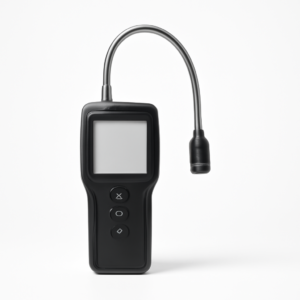
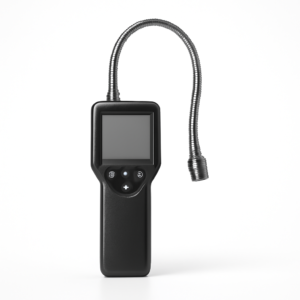
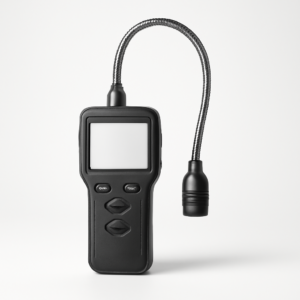
- Handheld combustible-gas sniffers have a flexible gooseneck probe that is passed slowly along pipe joints, valves, flex connectors and appliance fittings. They usually beep faster or light more bars as the concentration rises, which makes them a locating tool rather than a standing alarm. Many have a sensitivity adjustment to zero out background levels. Inspectors, HVAC technicians and handy homeowners use them to check new gas work or confirm a faint odor.
- Combination CO and explosive-gas alarms pair a carbon monoxide sensor with a combustible-gas sensor in one plug-in unit. That matters because a standard CO alarm does not detect natural gas or propane at all. Homeowners who want both kinds of protection near a gas range, furnace or water heater can compare these models in the carbon monoxide and gas detector category.
Leak-detection solution, a soapy spray that bubbles at a leaking joint, is a low-cost confirmation method that works well alongside a sniffer once the general area is known.
How to choose a gas leak detector
| Type | Gases | Best for | Notes |
|---|---|---|---|
| Plug-in natural gas alarm | Methane (often propane too) | Kitchens, utility rooms, basements with gas appliances | Continuous protection; best sensor position is high on the wall |
| Propane / LP gas alarm | Propane | Homes on propane, RVs, cabins | Mount low; use an RV-rated unit in a coach |
| Combination CO + explosive gas alarm | Carbon monoxide plus natural gas or propane | Rooms with fuel-burning appliances | Two hazards in one device; replace the whole unit at end of life |
| Handheld combustible-gas sniffer | Methane, propane and other combustible gases | Pinpointing leaks at joints and fittings | Not a standing alarm; adjust sensitivity and move the probe slowly |
| Leak-detection spray | Any pressurized gas | Confirming a specific joint | Low cost; only works where it is applied |
Before buying, check these points:
- The right gas. Confirm the detector is designed for natural gas, propane or both, matching the fuel in the home.
- A recognized listing. Residential gas alarms are commonly listed to UL 1484; check the packaging or listing for the standard it meets.
- Loud, clear alarms. A strong audible alarm plus a visual indicator, and on sniffers, a tone that changes with concentration.
- Sensitivity control on handhelds to separate a real leak from background readings.
- Battery backup or battery status so a plug-in alarm still works during an outage, or so a handheld does not die mid-search.
- A clear warm-up and end-of-life indication, since sensors take time to stabilize and wear out over the years.
What to do if a gas alarm sounds
A detector is for warning and locating, not for riding out a significant leak. If an alarm sounds or there is a strong smell of gas, get everyone out of the building right away, without turning lights or appliances on or off, using phones, lighting anything or starting a vehicle in an attached garage, and leave the door open on the way out if it is safe to do so. Once a safe distance away, call the gas utility or 911 from outside, and do not go back in until responders say it is safe.
For a faint odor or a sniffer that picks up a trace at one fitting, a qualified gas technician or the utility should check and repair the connection. Homeowners should not attempt repairs to gas piping themselves.
Maintenance and sensor life
Combustible-gas sensors degrade with age, dust, cleaning chemicals and exposure to high concentrations. Most residential gas and combination alarms have a service life of several years, often in the 5 to 10 year range depending on the model, and many give an end-of-life signal. Write the install date on the unit and replace it by the manufacturer's date even if the test button still works, since the test button checks the horn and circuitry rather than the sensor's response to gas.
- Press the test button monthly on plug-in alarms.
- Keep aerosol sprays, solvents and cleaners away from the sensor, which can cause false alarms or shorten its life.
- Vacuum dust from the vents gently, following the manual.
- Let handheld sniffers warm up fully in clean air before searching, and replace batteries before they run low.
Home inspectors may note gas odors, missing shutoffs or visible connector problems as part of an inspection, but a detector in the home is what keeps watching after the inspection is over.
Our picks in this category
The Plug-in Natural Gas Alarm pick covers basic plug-in natural gas alarms, a simple option for continuous warning near a gas range, furnace or water heater in a kitchen or utility room.
The Techamor Y201 Gas Leak Detector is a handheld sniffer with a flexible probe and audible and visual alerts, suited to checking joints and appliance connections.
The UEi Test CD100A Combustible Gas Detector is a handheld combustible-gas detector from a test-instrument brand used by HVAC technicians, with a gooseneck probe for reaching tight spots.
The Forensics Propane Gas Detector is aimed at propane (LP gas) detection, a fit for homes on propane, RVs and cabins.
Related guides
For a broad overview, start with the gas leak detector for home buyer's guide and the best gas leak detectors buyer's guide. Homes on utility gas can read the best natural gas detector guide and the natural gas detector for home guide.
Propane users should see the propane gas leak detector guide and the LP gas detector guide. For tracking down small leaks, the gas sniffer detector guide and the combustible gas leak detector guide explain how handheld units work, and the gas leak detector spray guide covers the bubble-test method.
Many buyers ask whether a carbon monoxide detector will detect a gas leak; it will not unless the unit also has an explosive-gas sensor. Sensor types and lifespan are explained in the gas detector sensor guide, and alarm behavior is covered in the gas detector alarm guide.
References
Frequently asked questions
Where should a natural gas detector be placed?
Natural gas is lighter than air, so detectors are generally mounted high on a wall, typically within about a foot of the ceiling, in the room with the gas appliance. Keep the unit several feet from the appliance itself and away from vents, windows and humid areas, and follow the manufacturer's placement instructions.
Where should a propane detector be placed?
Propane is heavier than air and settles near the floor, so propane detectors are generally mounted low, typically within about a foot of the floor. In an RV, use a propane alarm rated for RV use and install it where the manufacturer specifies.
Will a carbon monoxide detector detect a gas leak?
No. A standard carbon monoxide alarm only senses CO. To detect natural gas or propane, use an explosive-gas alarm or a combination CO and explosive-gas alarm, which has a separate sensor for combustible gases.
Is a handheld gas sniffer the same as a gas alarm?
No. A handheld sniffer is a locating tool: it is switched on and moved slowly along pipe joints and fittings to find where gas is escaping. A plug-in gas alarm stays on around the clock and sounds when gas builds up in a room. Many homes with gas appliances benefit from a standing alarm, while a sniffer is useful for checking connections.
How long do gas leak detectors last?
Combustible-gas sensors wear out over time. Many residential gas and combination alarms are rated for several years, often around 5 to 10 depending on the model, and many give an end-of-life warning. Note the install date and replace the unit by the manufacturer's date, since the test button does not confirm the sensor still responds to gas.
4 products

Guides on natural gas & propane leak detectors
Gear picks you can trust
Tied to our guides
Each product maps to a topic we cover in depth — radon, mold, lead, moisture, electrical and thermal inspection — so you know what the tool is for before you buy.
Short list on purpose
No endless catalog. We list the kinds of kits and meters we’d point a homeowner or new inspector to, not every model on the market.
No extra cost
Buttons open Amazon, where you check the live price and buy. As an Amazon Associate we earn from qualifying purchases, at no cost to you.
Frequently asked
- Do you sell these products?
- No. We’re a guide-first site — every button takes you to Amazon to complete the purchase there.
- Why don’t you show prices?
- Amazon prices change constantly, so we send you to the live listing rather than show a number that may be out of date.
- Is a DIY kit a substitute for a professional inspection?
- For screening, often yes. For real-estate transactions, remediation clearance or anything health-critical, use a certified professional — our guides explain when.