Water Heater Pilot Light Out: Causes and Safe Relighting
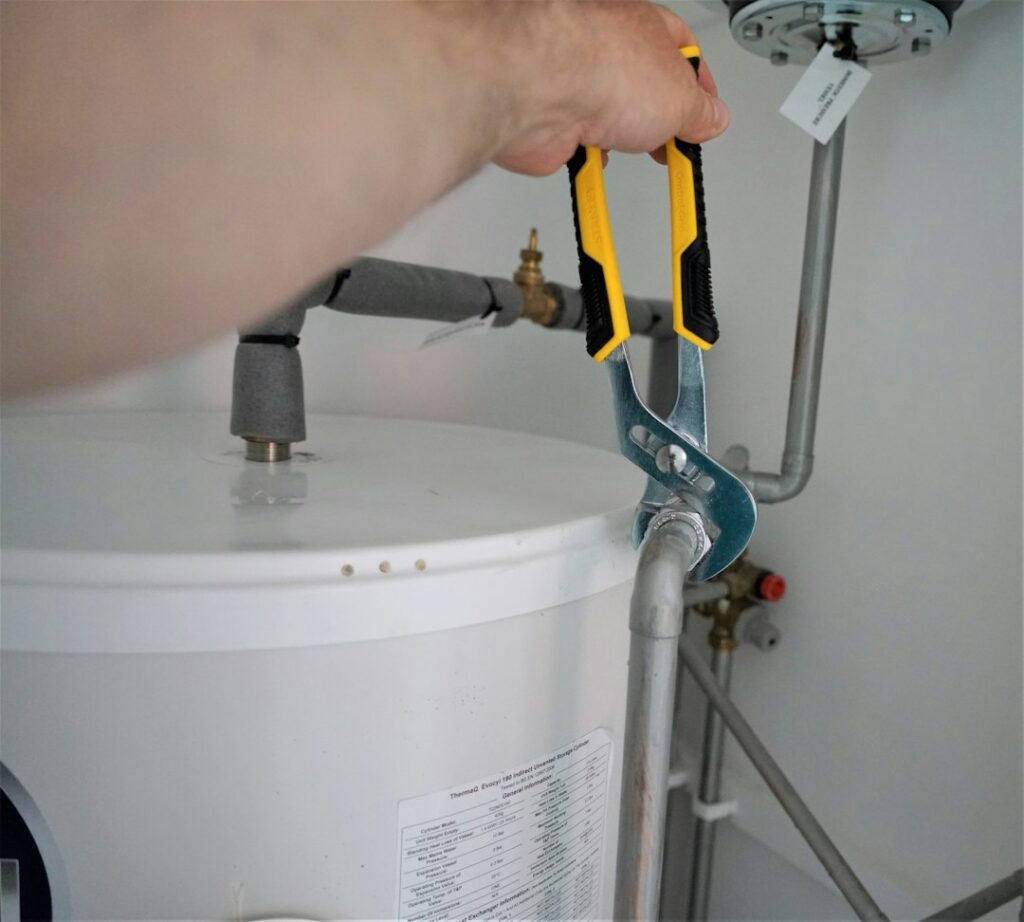
Cold showers are usually the first clue. On a gas tank water heater, a small standing flame called the pilot lights the main burner whenever the thermostat calls for heat. If the water heater pilot light goes out, the burner cannot fire, and the tank slowly cools to room temperature. Sometimes the fix is as simple as following the relighting label on the heater. Other times the pilot keeps going out because of a worn thermocouple, a clogged pilot tube, a draft, a gas supply problem or a safety lockout built into newer heaters. This guide covers the common causes, the safety checks that come before any relighting attempt, how newer flammable vapor ignition resistant (FVIR) and electronic ignition models behave, when to call a professional, and typical repair cost ranges. Cost figures are general 2026 estimates that vary by region, model and contractor.
Part of our Plumbing & Water guide — start there for the full picture →
Plumbing problem? Talk to a local plumber now.
📞 Call (877) 637-1527Why a Water Heater Pilot Light Goes Out and What to Do First
A water heater pilot light usually goes out for one of a handful of reasons: the flame-sensing device (thermocouple or thermopile) is worn or out of position, the pilot orifice or tube is partially clogged, a draft blew it out, the gas supply was interrupted, or a safety sensor shut the heater down. On FVIR heaters made since the mid-2000s, a tripped flammable vapor sensor or thermal cutoff can also prevent relighting until the cause is fixed or the part is replaced.
The first step is not relighting. It is a smell check. Before touching the control knob, notice whether there is any odor of natural gas or propane near the heater, in the utility room or elsewhere in the house. Utilities add a sulfur-like odorant, often described as rotten eggs, so leaks can be detected by smell.
If there is no gas odor, the next step is to find and follow the lighting instructions printed on the label attached to the heater. Those instructions are specific to the gas valve and burner design, and they override general advice found online, including the general overview in this article.
Safety First: If You Smell Gas, Do Not Relight
If you smell gas near the water heater or anywhere in the home, do not attempt to relight the pilot. A pilot flame, a lighter, a light switch, a phone or a garage door opener can all provide an ignition source.
- Leave the house immediately, taking people and pets with you.
- Do not operate electrical switches, appliances or phones inside.
- Once outside and at a safe distance, call the gas utility’s emergency line or 911.
- Do not return until the utility or emergency responders say it is safe.
Xcel Energy serves much of the Denver metro and Front Range, while Colorado Springs Utilities, Black Hills Energy and other providers serve other areas. Gas leak response is generally free from the utility. Our guide to what to do if you smell gas covers this sequence in more detail, along with common leak sources around appliances.
A faint, brief whiff right after a pilot goes out can happen, but it should dissipate quickly. If the odor lingers or is strong, treat it as a leak.
Best Water Heaters: our top 3 picks
| Product | Best for | Key features | Price | Buy |
|---|---|---|---|---|
| Rheem PROE50 M2 RH95 | Best overall whole-house tank |
| $771.99as of Oct 28, 2026 8:46 am GMT+0000 | Buy now →Check current price |
| Rheem RTG 7.0 Indoor | Indoor gas tankless upgrade |
| $653.77as of Oct 28, 2026 9:10 am GMT+0000 | Buy now →Check current price |
| Rheem RTEX-24 | All-electric home, no venting |
| $549.00as of Oct 28, 2026 9:14 am GMT+0000 | Buy now →Check current price |


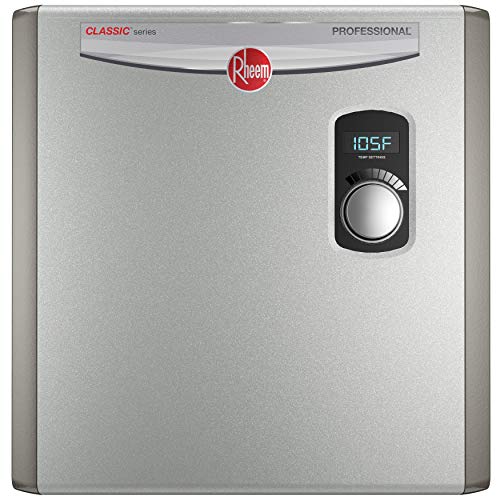
Prices are Amazon’s listed prices as of the time shown and change often; check Amazon for today’s price. As an Amazon Associate we earn from qualifying purchases.
Common Causes of a Pilot Light That Won’t Stay Lit
Worn or Misaligned Thermocouple or Thermopile
Standing-pilot water heaters use a thermocouple or thermopile that sits in the pilot flame. When it is heated, it produces a small electrical signal that tells the gas valve the pilot is burning, so it is safe to keep gas flowing. If the device weakens with age, gets bent out of the flame, or has a loose connection at the gas valve, the valve shuts off gas to the pilot. The classic symptom: the pilot lights while the pilot button is held down, then goes out shortly after the button is released.
Thermocouples on many older heaters are inexpensive, widely available parts. On many FVIR heaters, however, the thermocouple or thermopile is part of a sealed burner assembly, and the manufacturer may require replacing an assembly rather than a single sensor.
Dirty Pilot Tube or Orifice
A weak, yellow or flickering pilot flame often points to a partially blocked pilot orifice or tube. Dust, lint, rust flakes or spider webs can restrict gas flow, producing a flame that does not fully envelop the thermocouple. A healthy pilot flame is generally steady and mostly blue. Cleaning the orifice is a delicate job, and on sealed combustion chambers it may require removing the burner assembly.
Drafts and Air Supply Issues
Strong drafts from an open window, a door to the garage, a nearby exhaust fan or a poorly sealed combustion chamber can blow out a pilot. Heaters installed in garages or tight utility closets are sometimes more prone to this. A related problem is inadequate combustion air: a burner that does not get enough air can burn poorly and create conditions that trip safety devices. Under the ASHI Standard of Practice, home inspectors inspect water heating equipment and vent systems but are not required to determine the adequacy of combustion air components, so a combustion air concern may need a separate evaluation by an HVAC or plumbing professional.
Gas Supply Problems
If other gas appliances, such as the furnace, range or fireplace, also stopped working, the issue may be upstream: a closed valve, a utility service interruption, an empty propane tank in rural Elbert or El Paso County properties, or a meter problem. A kinked flexible connector or partially closed appliance shutoff valve can also starve the pilot.
Flammable Vapor Sensor Lockout on FVIR Heaters
Most residential gas water heaters manufactured since the mid-2000s are FVIR designs. They have a sealed combustion chamber, a flame arrestor screen and a sensor designed to shut the heater down if flammable vapors, such as gasoline fumes in a garage, are detected or if the chamber overheats. When the system trips, the heater may refuse to relight. Some models require a reset; others require replacing a thermal fuse or sensor component.
A clogged flame arrestor, often from dust, lint or pet hair drawn in at floor level, can also restrict combustion air and cause repeated shutdowns. Keeping the area around the base of the heater clean and free of stored gasoline, paint thinner and other flammable liquids is both a maintenance step and a safety one. Repeated lockouts should be diagnosed rather than repeatedly reset.
Altitude and Seasonal Factors
Front Range elevations add a wrinkle. Gas appliances installed at altitude are often set up or derated according to the manufacturer’s high-altitude instructions, because thinner air changes how fuel burns. A heater that was moved from a lower-elevation installation, or that was never adjusted for altitude, may burn less cleanly and be more prone to flame problems. Seasonal changes matter too. Some homeowners notice pilot outages when the furnace and water heater share a vent and start cycling together in cold weather, or when wind gusts push down a short vent stack. Those patterns are worth mentioning to the technician, since they point toward venting or draft conditions rather than a simple worn part.
Gas Control Valve Failure
If the thermocouple is good and the pilot assembly is clean, the gas control valve itself may be failing. A bad valve may not hold the pilot or may not fire the burner. Valve replacement is a more involved repair, and on older heaters it may push the decision toward replacing the whole unit.
How to Relight a Pilot Light Safely
Every heater is slightly different, and the label on the unit is the controlling instruction. The general sequence on many standing-pilot models looks something like this:
- Confirm there is no gas odor. If there is, stop and follow the safety steps above.
- Turn the gas control knob to “Off” and wait the period stated on the label, often around five to ten minutes, so any accumulated gas clears.
- Turn the knob to “Pilot.”
- Press and hold the pilot button (or press the knob in) to start gas flow to the pilot.
- Use the built-in piezo igniter button, or the method specified on the label, to light the pilot. Many FVIR heaters have sealed chambers and must be lit with the igniter only.
- Keep holding the pilot button for the time the label specifies, often around 30 to 60 seconds, so the thermocouple heats up.
- Release the button and confirm the pilot stays lit through the sight glass.
- Turn the knob to “On” and set the temperature dial to the desired setting.
If the pilot will not light after a couple of attempts, or lights and then goes out repeatedly, stop. Repeated attempts can let gas accumulate in the combustion chamber. That pattern points to a component problem that needs diagnosis.
A moderate temperature setting is also worth checking at this stage. The U.S. Consumer Product Safety Commission recommends lowering water heater temperature to reduce the risk of tap water scalds, which is especially relevant in homes with young children or older adults.
Electronic Ignition and Power-Vent Models
Not every gas water heater has a standing pilot. Some newer and higher-efficiency models use electronic or intermittent ignition, a hot surface igniter or a spark igniter controlled by a circuit board. Power-vent heaters use an electric blower to push exhaust out, and they require household electricity to run.
On these models, there is no pilot to relight in the traditional sense. If the heater stops making hot water, common checks include:
- Confirming the unit has power, the plug is seated and the breaker has not tripped.
- Looking for a status light or error code and checking it against the manual.
- Checking that the vent termination outside is not blocked by snow, ice, leaves or a nest. Front Range snowstorms can bury low sidewall vents.
- Power-cycling the unit only if the manufacturer’s instructions allow it.
Error codes related to flame sensing, pressure switches or venting usually call for a qualified technician. Tankless gas water heaters are a separate category with their own diagnostics and maintenance routines, including periodic descaling.
Carbon Monoxide Safety Around Gas Water Heaters
Any gas-burning appliance can produce carbon monoxide (CO) if combustion is incomplete or the vent does not carry exhaust outside. A pilot that keeps going out can sometimes be a symptom of a venting or combustion air problem, which is why CO safety belongs in the same conversation.
Warning signs worth taking seriously include soot or scorch marks around the burner access or draft hood, a yellow and lazy main burner flame, excessive condensation near the heater, a draft hood that spills warm exhaust into the room, and rust or disconnected sections on the vent pipe.
The U.S. Consumer Product Safety Commission describes CO as a colorless, odorless gas and lists symptoms of poisoning that include headache, dizziness, weakness, nausea, vomiting, sleepiness and confusion. CPSC recommends CO alarms on every level of the home and outside sleeping areas, and advises getting to fresh air immediately and calling 911 if CO poisoning is suspected. If a CO alarm sounds, leave the house first and investigate later. Browse our CO and gas detectors for alarm and detector options, and replace alarms according to the manufacturer’s stated life.
When to Call a Professional
Relighting a pilot by following the label is generally considered a reasonable homeowner task. Diagnosis and parts replacement are another matter. Calling a licensed plumber or gas appliance technician makes sense when:
- There is any persistent gas odor, even after the utility has checked the meter.
- The pilot goes out repeatedly, especially more than once in a short period.
- An FVIR heater is locked out or the manual calls for replacing a sensor or burner assembly.
- There are signs of backdrafting, soot, scorching or a CO alarm activation.
- The gas control valve appears faulty or the heater shows error codes.
- The heater is older, leaking or producing rusty water, and replacement may make more sense than repair.
Routine maintenance helps prevent some pilot problems. Sediment buildup in the tank does not directly extinguish a pilot, but it can cause rumbling, overheating near the burner and reduced efficiency. Our guide to a water heater flush explains how periodic draining can help. Buyers looking at a home with an older gas heater may also want to read about what a water heater inspection covers, including venting, gas connections, the T&P valve and the age of the unit.
Typical Repair Costs
Prices vary widely by heater type, access and region. The following ranges are rough 2026 estimates; local quotes are the only reliable number.
- Relighting or a basic service call: many plumbers charge a trip or diagnostic fee, often somewhere around $100 to $250 depending on the market and time of day.
- Thermocouple replacement (standing pilot, non-sealed): often in the range of roughly $150 to $300 installed, with the part itself being inexpensive.
- FVIR pilot or burner assembly replacement: commonly higher, often around $200 to $450 installed, because the part costs more and the chamber must be resealed properly.
- Gas control valve replacement: frequently $300 to $600 or more installed. On an older heater, this cost can approach the point where replacement is worth considering.
- Venting repairs: highly variable, from minor reconnections to replacing vent sections.
- Full water heater replacement: a standard gas tank heater replacement commonly runs into the low thousands installed, with permits, code upgrades and venting changes affecting the total.
Weigh repair cost against the heater’s age. Many gas tank water heaters last somewhere around 8 to 12 years. A major repair on a heater near the end of that range may not be the best value, especially if the tank shows corrosion or the venting needs upgrades anyway. ENERGY STAR suggests planning ahead for a water heater replacement where possible, so there is time to research higher-efficiency models before it becomes an emergency.
For buyers comparing these issues across a whole property, our guide to hiring a home inspector explains how a general inspection fits with follow-up evaluations by plumbers or gas technicians.
References
- Carbon Monoxide Information Center — U.S. Consumer Product Safety Commission
- Carbon Monoxide Safety — National Fire Protection Association
- Avoiding Tap Water Scalds — U.S. Consumer Product Safety Commission
- High Efficiency Gas Storage Water Heaters: Buying Guidance — ENERGY STAR
- ASHI Standard of Practice for Home Inspections — American Society of Home Inspectors
Frequently asked questions
Why does my water heater pilot light keep going out?
Common causes include a worn or misaligned thermocouple, a dirty pilot orifice, drafts, gas supply interruptions and, on newer FVIR heaters, a tripped flammable vapor sensor or clogged flame arrestor. A pilot that goes out repeatedly should be diagnosed by a qualified technician rather than relit over and over.
Is it safe to relight a water heater pilot light myself?
It is generally considered a reasonable homeowner task if there is no gas odor and you follow the lighting instructions on the heater's label exactly. If you smell gas, do not relight it; leave the house and call the gas utility or 911 from outside.
How long should I hold the pilot button?
Many labels call for holding the pilot button around 30 to 60 seconds after the pilot lights so the thermocouple heats up. Follow the time stated on your heater's label. If the pilot goes out as soon as you release the button, the thermocouple or its connection may be the problem.
What is an FVIR water heater lockout?
FVIR stands for flammable vapor ignition resistant. These heaters have a sealed combustion chamber and a sensor that can shut the heater down if flammable vapors or overheating are detected. Depending on the model, recovery may require a reset or replacing a thermal fuse or burner assembly.
How much does it cost to fix a water heater pilot light?
A simple relight or service call often runs around $100 to $250. Thermocouple replacement is commonly about $150 to $300 installed, while FVIR assemblies and gas control valves cost more. These are rough 2026 estimates that vary by region and model.
Shopping for a Front Range home with an older gas water heater? Reach out through our contact page and we can connect you with a local inspector who can check the heater, venting and gas connections before you commit.