Gas Fireplace Pilot Light: Lighting, Thermocouples, and Safety
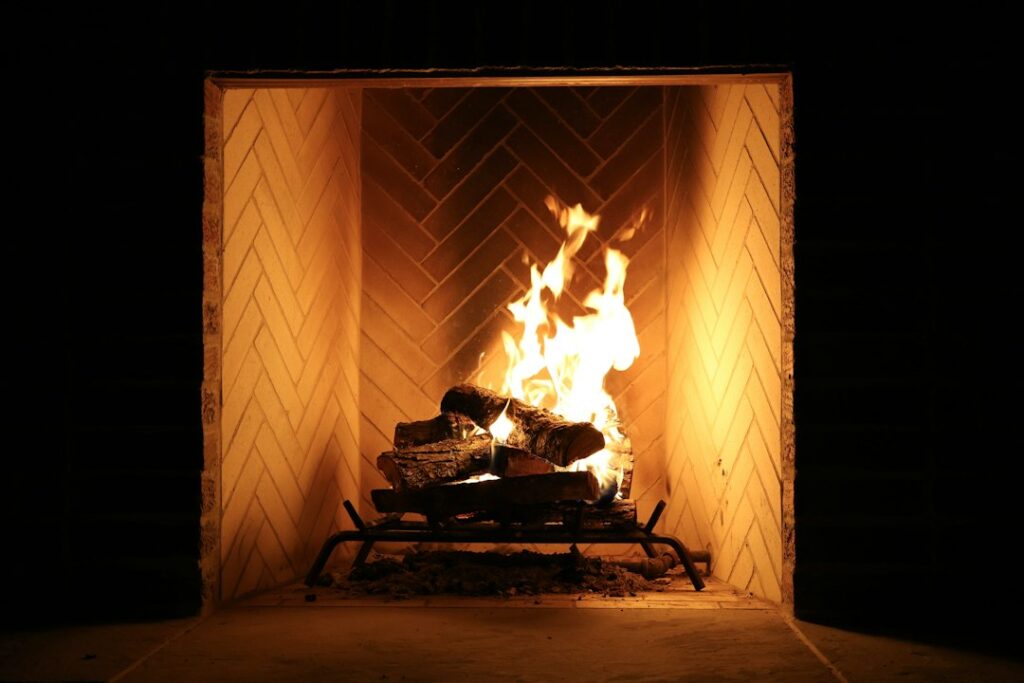
A gas fireplace is one of the easiest ways to add warmth and atmosphere to a Colorado living room, and most of the time it simply works with the flip of a switch or the press of a remote. When it does not, the small flame at the heart of the system is often the reason. A pilot that will not stay lit, a fireplace that clicks but never ignites, or a faint gas smell near the hearth all raise questions about what is normal and what needs a professional. This guide covers the main ignition types, how relighting generally works, why pilots go out, the safety issues that matter most, and what a home inspector can and cannot check. It is written for homeowners and buyers along the Front Range.
Part of our Heating, Cooling & Ventilation guide — start there for the full picture →
Standing Pilot vs Intermittent Pilot and Electronic Ignition
Not every gas fireplace has a flame burning all the time. Knowing which type you have shapes everything else, from relighting to energy use.
Standing pilot
A standing pilot is a small flame that burns continuously, even when the main burner is off. When you turn the fireplace on, gas flows to the main burner and the pilot lights it. Many older fireplaces and some current models use this design. A standing pilot is simple and works during power outages, which is one reason it remains common. The trade-off is that it burns a small amount of gas around the clock and adds a little heat to the firebox even when the fireplace is not in use.
Intermittent pilot (IPI)
An intermittent pilot ignition system lights the pilot only when the fireplace is called for, using an electronic spark. Once the main burner shuts off, the pilot goes out too. These systems typically need household power or batteries to operate, and many have a battery backup so they can still light during an outage. Some intermittent systems include a feature that keeps the pilot running for a period in cold weather to warm the venting and glass.
Electronic ignition and remotes
Many newer units combine electronic ignition with wall switches, thermostats or handheld remotes. With these, there is usually no manual pilot knob to turn, and troubleshooting often starts with batteries, the receiver and the control module rather than with a match or igniter button. The owner’s manual will describe the specific sequence for your unit.
How Relighting a Pilot Generally Works
Most standing-pilot gas fireplaces have a lighting instruction label, often attached to a chain or plate under the firebox, behind the lower grille or inside the control compartment. That label is the authority for your unit. Steps vary by manufacturer, and following the wrong sequence can be unsafe. The general pattern on many standing-pilot units looks something like this:
- Read the label first. Find the model-specific instructions and any warnings before touching the controls.
- Turn the control off and wait. Many labels instruct you to turn the valve to OFF and wait several minutes so any gas can clear.
- Check for gas odor. If you smell gas, including near the floor, stop. Do not attempt to light anything. Leave and call the gas utility from outside.
- Set the valve to PILOT. Usually you push in and hold the control knob in the PILOT position.
- Ignite the pilot. Press the piezo igniter button, often several times, until the pilot flame appears at the assembly.
- Hold, then release. Continue holding the knob for the time the label specifies so the safety sensor can heat up, then release slowly and confirm the pilot stays lit.
- Turn to ON. Turn the knob to ON and use the switch or remote to light the main burner.
If the pilot will not stay lit after following the label, or if the steps are unclear, call a qualified gas fireplace technician rather than repeating attempts. On sealed direct-vent units, the glass front should not be removed to light the pilot unless the manufacturer’s instructions specifically call for it.
Why a Gas Fireplace Pilot Light Goes Out
A pilot that lights and then goes out, or one that dies after a few days, usually points to one of a short list of causes. Diagnosis generally belongs to a technician, but understanding the possibilities helps you describe the problem and judge a quote.
Thermocouple or thermopile problems
Standing-pilot fireplaces rely on a flame sensor that proves the pilot is burning before the gas valve stays open. A thermocouple is a small metal rod that sits in the pilot flame and generates a tiny electrical signal when heated. If the signal drops, the valve closes and shuts off gas, which is a safety feature. Many gas fireplaces also use a thermopile, a bundle of thermocouples that produces more voltage and powers the wall switch or remote circuit without household electricity. A worn, dirty or poorly positioned thermocouple or thermopile is one of the most common reasons a pilot will light while the knob is held but go out when released, or why the burner will not respond to the switch even though the pilot is burning.
Drafts
Strong wind across an exterior vent termination, downdrafts in the vent, or air movement in the room can disturb a small pilot flame. Front Range chinook winds and exposed hillside lots can make this worse. If the pilot tends to go out on windy days, a technician may check the vent termination, cap and venting configuration.
Dirty or misaligned pilot assembly
Dust, lint, pet hair, spider webs and soot can partially block the tiny pilot orifice. The result can be a weak, yellow or lazy flame that does not wrap around the sensor properly. A healthy pilot flame is often described as mostly blue and steady, touching the thermocouple or thermopile, though the exact appearance varies by design. Cleaning the pilot assembly is part of a typical annual service.
Other causes
- Low gas pressure or a partially closed supply valve.
- Failing gas valve or control module.
- Dead batteries in intermittent ignition systems, receivers or remotes.
- Propane tank issues on rural properties, such as a low tank or regulator problem.
- Altitude-related adjustment, since gas appliances at higher elevations may need setup or derating per the manufacturer’s instructions.
Water heaters and furnaces with standing pilots share many of the same failure modes. Our guide to the water heater pilot light walks through a similar set of symptoms.
Should You Turn the Pilot Off for the Season?
Homeowners with a standing pilot often ask whether they should turn it off during warmer months. There are reasonable arguments on both sides, and the right answer depends on the unit, the home and local gas prices.
Reasons some people turn it off:
- A continuously burning pilot uses some gas every hour of the year.
- The pilot adds a small amount of heat to the room, which is not welcome in summer.
- Some people prefer not to have an open flame burning when the fireplace is unused for months.
Reasons some people leave it on:
- A burning pilot can help keep the firebox and venting dry and may discourage insects such as spiders from nesting in the pilot assembly.
- Relighting in the fall requires following the label carefully, and some owners would rather avoid that.
- Some manufacturers recommend specific shutdown or startup procedures.
If you turn the pilot off, follow the manufacturer’s shutdown instructions and consider having the unit serviced before the heating season so the pilot assembly is cleaned before relighting. Units with intermittent ignition do not face this question, since the pilot only runs when the fireplace is in use.
Gas Smell, Carbon Monoxide and Glass-Front Burns
If you smell gas
A rotten-egg odor near a gas fireplace should be treated as a potential leak. Do not light the pilot, operate switches or use a phone inside. Leave the building, then call the gas utility or 911 from a safe distance. Knowing where your gas shut-off valve is located is useful, but in an active leak the priority is getting everyone outside. A plug-in gas detector alarm can add a layer of warning, though it does not replace prompt action when you smell gas.
Carbon monoxide
Any fuel-burning appliance can produce carbon monoxide, especially when venting is blocked, damaged or improperly installed. The EPA lists back-drafting from fireplaces among the sources of indoor carbon monoxide and describes CO as an odorless, colorless and toxic gas. EPA also recommends having a trained professional inspect, clean and tune up central heating systems, flues and chimneys annually. Working CO alarms are the main safeguard against an invisible problem. Our guide to carbon monoxide detector installation covers placement and testing.
Hot glass fronts
Many gas fireplaces have a sealed glass front that can become extremely hot. In a 2014 safety blog post, the U.S. Consumer Product Safety Commission warned that the glass fronts of fireplaces can reach 500° F or even 1,000° F, that children and others can be badly burned by touching the glass, and that severe burns can happen in seconds. CPSC noted that starting January 1, 2015, new gas fireplaces and fireplace heaters that vent to the outside would come with a protective barrier, and it advised owners of existing fireplaces to consider a retrofit barrier, such as an attachable safety screen or safety gate, and to supervise young children around the fireplace. CPSC has since marked that post as archived, so check current manufacturer guidance for your model. If your fireplace lacks a screen, ask the manufacturer or a hearth retailer about a compatible barrier. Our guide to fireplace doors covers enclosures for other fireplace types.
Clearances and fire safety
The U.S. Fire Administration advises keeping anything that can burn at least 3 feet away from heat sources, including fireplaces, and having heating equipment and chimneys cleaned and inspected each year by a professional. Mantel decorations, stockings and furniture placed too close to a gas fireplace are common household oversights.
Annual Service and Direct-Vent Units
A typical annual service on a gas fireplace may include cleaning the pilot assembly and burner, checking the thermocouple or thermopile output, inspecting gaskets and the glass seal, verifying the log set is positioned correctly, checking the vent termination and testing ignition. Technicians may also check gas pressure and look for signs of soot, which can indicate incomplete combustion.
Many modern gas fireplaces are direct-vent units, which draw combustion air from outdoors and exhaust through a sealed coaxial vent. Because the firebox is sealed, the glass and its gasket are part of the safety system. Cracked glass, a damaged gasket or a disturbed vent cap are reasons to stop using the unit until it is evaluated. If your home also has a wood-burning fireplace, its maintenance needs are different; see our guide to creosote buildup.
What a home inspector checks
The ASHI Standard of Practice calls for inspectors to inspect fuel-burning fireplaces, stoves and inserts, fuel-burning accessories installed in fireplaces, and chimneys and vent systems. The same standard states that inspectors are not required to ignite or extinguish fires, pilot lights, burners and other open flames that require manual ignition, and it excludes items such as seals and gaskets and determining draft characteristics. In practice, that means a home inspector may operate a gas fireplace with its normal controls if the pilot is already lit, but may not relight an extinguished pilot. Buyers should ask the seller to have pilots lit before the inspection, or plan for a separate evaluation by a hearth technician. Learn more in our home inspector hiring guide and the heating and cooling inspection hub.
Questions for buyers to ask
When a listing advertises a gas fireplace, a few questions can save surprises after closing:
- When was the fireplace last serviced, and is there a receipt or service tag?
- Is it a standing pilot or electronic ignition, and where is the lighting label?
- Does it run on natural gas or propane, and has the unit been set up for the home’s elevation?
- Are the remote, receiver and wall switch included and working?
- Has the glass ever been replaced, and is a protective barrier screen installed?
- Are there working CO alarms on the same level and near sleeping areas?
Warning signs to stop using the fireplace
Some symptoms suggest the unit should be shut off until a technician looks at it. These include heavy black soot on the glass or logs, a burner flame that is tall, yellow and lazy rather than mostly controlled, a CO alarm sounding while the fireplace runs, a cracked or loose glass panel, a damaged or disconnected vent cap outside, and any persistent gas odor. Condensation on the glass for a few minutes at startup can be normal on some units, but water or soot that keeps building up is worth a professional opinion.
Typical Costs
Costs vary with the brand, parts availability, access and local labor rates. As rough ranges only:
- Service call and diagnosis: often somewhere around one hundred to two hundred dollars or more.
- Annual cleaning and service: commonly in the low hundreds of dollars.
- Thermocouple replacement: the part itself is often inexpensive, with most of the cost in labor, so the total may land in the low hundreds.
- Thermopile replacement: typically somewhat more than a thermocouple, again largely labor.
- Gas valve or control module: can run several hundred dollars or more, depending on the unit.
- Retrofit glass barrier screen: varies by model, often from under one hundred to a few hundred dollars.
Ask for an itemized quote and confirm that the technician is qualified to work on your brand of fireplace. If a repair approaches the cost of a new insert, it may be worth comparing options.
References
- Protect Young Children from Burns on Glass Fronts of Gas Fireplaces (archived OnSafety blog) — U.S. Consumer Product Safety Commission
- Heating Fire Safety — U.S. Fire Administration
- Carbon Monoxide’s Impact on Indoor Air Quality — U.S. Environmental Protection Agency
- ASHI Standard of Practice for Home Inspection — American Society of Home Inspectors
Frequently asked questions
Why does my gas fireplace pilot light keep going out?
Common causes include a weak or dirty thermocouple or thermopile, a dirty pilot orifice, drafts at the vent, low gas pressure or a failing gas valve. If cleaning and relighting per the label does not solve it, have a qualified technician diagnose the unit.
Is it safe to relight a gas fireplace pilot myself?
Many owners relight standing pilots using the manufacturer's lighting label. Follow those steps exactly, and never attempt to light the pilot if you smell gas. If the steps are unclear or the pilot will not stay lit, call a technician.
Should the pilot light be turned off in summer?
It depends. Turning it off saves some gas and heat, while leaving it on can keep the firebox dry and simplify fall startup. Follow the manufacturer's shutdown instructions and consider a service before relighting.
How hot does gas fireplace glass get?
The CPSC has warned that glass fronts can reach 500 to 1,000 degrees Fahrenheit and cause severe burns in seconds. Use a protective barrier and supervise young children near the fireplace.
Will a home inspector light the pilot?
Generally no. The ASHI Standard of Practice says inspectors are not required to ignite pilot lights or open flames that need manual ignition. Ask the seller to have pilots lit before the inspection.
Buying a home with a gas fireplace that has not been lit in a while? Get in touch with us and we can help you line up an inspection that covers the fireplace and venting.