Best Gas Fireplace (2026): Types, Costs + What to Check
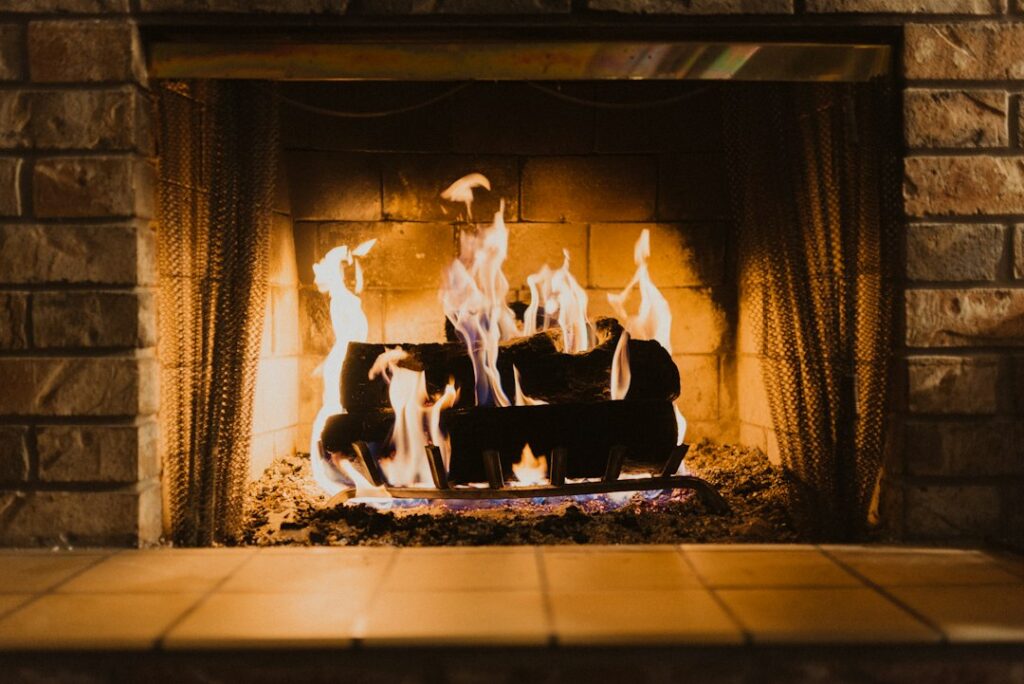
The best gas fireplace for most Front Range homes is a sealed, direct-vent unit sized for the room, listed and set up for your elevation, and installed by a licensed gas fitter with a permit. That holds whether you choose an insert for an existing wood-burning fireplace, a built-in unit framed into a new wall, or a freestanding gas stove. Brand, log style and remote features matter far less than the venting type, because venting decides whether combustion gases leave the house reliably. This guide compares direct-vent, B-vent and vent-free designs, explains inserts versus built-ins, heaters versus decorative units, natural gas versus propane and high-altitude setup, and covers carbon monoxide alarms and what an inspector checks. A note on method: we don’t test fireplaces or rank brands on reliability. This guide explains how to choose and what to check, using CPSC, EPA, CDC and U.S. Fire Administration safety guidance rather than our own product testing.
Part of our Heating, Cooling & Ventilation guide — start there for the full picture →
This page contains affiliate links; we may earn a commission at no extra cost to you.
Quick Decision Table: Which Type of Gas Fireplace Fits Your Home?
Gas fireplaces are sorted first by how they vent and second by how they are installed. The price bands below are typical 2026 installed ranges. They move with the unit’s size and finish, vent length and route, whether a gas line has to be run, framing and finish work around the unit, and permit fees.
| Option | Who it suits | Typical installed price | Key spec to check |
|---|---|---|---|
| Direct-vent insert (into an existing fireplace) | Owners converting a drafty wood-burning fireplace into a real heat source | Typical $3,500–$7,500 | Liner kit through the existing chimney, firebox fit, heating efficiency |
| Direct-vent built-in (zero-clearance) | New construction, basements and additions; rooms with no chimney | Typical $5,000–$12,000+ | Vent route (horizontal through a wall or vertical through the roof), clearances to combustibles |
| Direct-vent freestanding stove | Owners who want a stove look and strong radiant heat | Typical $3,500–$7,000 | Vent location, hearth or floor protection, blower option |
| B-vent (natural vent) fireplace | Replacements where an existing B-vent route is in good condition | Typical $3,000–$6,500 | Uses room air for combustion; draft depends on the flue |
| Vented gas log set | Owners who want flames in an existing masonry fireplace with little heat expectation | Typical $800–$2,500 | Damper must stay open or clamped; mostly decorative |
| Vent-free logs, insert or fireplace | Limited situations where local code allows them and the listing covers your altitude | Typical $700–$3,000 | Local code acceptance, altitude rating, oxygen depletion sensor, room size limits |
For a closer look at the most common choice, see our explainer on the direct-vent gas fireplace. If you are converting an existing wood-burning firebox, our guide to the best fireplace insert covers insert types across wood, pellet and gas. If you want flames with no combustion at all, an electric fireplace avoids venting and gas lines entirely, at the cost of far less heat.
What Actually Matters When Choosing a Gas Fireplace
Venting type: the decision that matters most
Direct-vent fireplaces have a sealed glass front and a two-layer vent pipe: one layer pulls outdoor air in for combustion, the other carries exhaust out. Because the firebox is sealed from the room, it does not use indoor air, it is far less affected by kitchen fans, dryers or a tight house, and it can vent horizontally through a wall or vertically through the roof. That is why direct-vent is the default for new installations.
B-vent (natural vent) fireplaces draw combustion air from the room and rely on hot exhaust rising up a vertical B-vent flue. They can be simpler to install where a route exists, but they lose heat up the flue and can spill exhaust if the house is depressurized by exhaust fans or the flue is blocked. Our guide to B-vent pipe covers materials and clearances.
Vent-free (unvented) appliances release all of their combustion products, including water vapor, into the room. They rely on an oxygen depletion sensor (ODS) that shuts the burner off if oxygen in the room drops. The EPA lists unvented gas space heaters among indoor sources of carbon monoxide and advises considering a vented heater when replacing an unvented one. The CPSC advises never operating unvented fuel-burning appliances in a room where people are sleeping. The fuel gas code also restricts unvented room heaters in bedrooms and bathrooms, and some Colorado jurisdictions limit them further, so check with your building department before buying. There is a Front Range-specific catch too: many vent-free products are listed for installation only up to a certain elevation, often well below Denver’s, so read the listing for your altitude before you consider one. Our guide to the ventless gas fireplace goes deeper on the trade-offs.
Heater or decorative appliance?
Gas fireplaces are certified either as heaters or as decorative appliances. Heater-rated units are designed to deliver meaningful heat to the room and are often paired with a blower, a thermostat and a variable flame. Decorative units and vented log sets prioritize flame appearance and may send most of their heat up the flue. Neither is wrong, but know which one you are buying. If the goal is to keep the family room warm on a cold evening, ask for the unit’s efficiency rating and heat output, and compare them on the same basis. ENERGY STAR does not currently certify gas fireplaces, so manufacturers’ published efficiency figures, such as fireplace efficiency or steady-state ratings, are the comparison point.
Sizing: Btu input and room size
Bigger is not better. An oversized fireplace will overheat an open great room, and owners end up running it on low with a weak flame or not at all. Typical units range from under 20,000 to more than 40,000 Btu per hour of input. A good installer sizes by room volume, insulation and how the space connects to the rest of the house, and many owners prefer a unit with a wide turndown so it can run steadily at a low setting.
High-altitude setup on the Front Range
Thinner air at altitude means less oxygen per cubic foot, so gas appliances must be derated (set up for a lower input) above a certain elevation to burn cleanly. Most of the Front Range sits between about 5,000 and 7,500 feet. Manufacturers specify high-altitude orifices or adjustments in their installation instructions, and a correctly derated unit delivers less heat than its sea-level rating suggests. Ask the installer how the unit will be configured for your elevation and to check the manifold pressure and flame at startup. A unit that is not set up for altitude can produce a lazy, sooting flame and more carbon monoxide.
Natural gas vs propane
Most fireplaces are built for one fuel and can be converted with a factory kit. Natural gas is the norm in Front Range cities; rural properties in Elbert County and the foothills often run on propane. Propane burns hotter per cubic foot and uses different orifices and regulator settings, so never use a unit set up for one fuel on the other without the proper conversion by a qualified technician. If a new gas line is needed, our gas line installation cost guide covers typical pricing and the pressure test the inspector will want to see.
Ignition, controls and the glass
Older and simpler units use a standing pilot that burns continuously; many newer units use intermittent pilot ignition that lights only when called for, saving gas. Millivolt systems run without household power, which is useful during winter outages; electronic ignition models often have battery backup. Wall thermostats and remotes with a thermostat mode help the fireplace act as a zone heater rather than a decoration.
The glass front of a gas fireplace gets hot enough to cause serious burns. Units built to current safety standards ship with a protective barrier screen in front of the glass. Keep it in place, especially with young children, pets or visitors who may not realize how hot the glass is.
Common gas fireplace buying mistakes
- Choosing vent-free to save on venting. It may not be allowed where you live, may not be listed for your altitude, and puts all combustion products in the room.
- Buying by Btu alone. An oversized unit overheats the room; turndown and efficiency matter more.
- Leaving out altitude setup. The unit must be configured for your elevation.
- Gas logs with a closed damper. Vented log sets need the flue open or the damper clamped open.
- No CO alarm. Any fuel-burning appliance warrants working CO alarms nearby and outside sleeping areas.
Buyer’s Checklist: Gas Fireplace Specs
| Spec | What to look for | Why it matters |
|---|---|---|
| Venting | Direct-vent (sealed) for most installs; B-vent only on a sound existing route | Reliable removal of combustion gases |
| Certification | Listed as a vented heater or decorative appliance, matching your goal | Heat output versus appearance |
| Input and turndown | Btu sized to the room with a wide low-to-high range | Avoids overheating and short use |
| Altitude setup | Derated per the manufacturer’s high-altitude instructions; checked at startup | Clean combustion and lower CO |
| Fuel | Natural gas or propane, with factory conversion kit if switching | Safe burner and regulator settings |
| Ignition | Intermittent pilot or millivolt; battery backup for outages | Gas savings and winter reliability |
| Efficiency | Published efficiency rating compared on the same basis | Heating cost |
| Glass barrier | Protective screen installed in front of the glass | Burn prevention |
| Vent termination | Clearances from windows, doors, decks and snow line per instructions | Exhaust re-entry and blocked vents |
| CO alarms | UL 2034-listed alarms on every level and outside sleeping areas | Early warning of CO |
Installation & Home-Inspection Angle: What Inspectors Flag on Gas Fireplaces
Gas fireplaces are one of the most common fuel-burning appliances in Front Range homes, and they produce a predictable set of inspection findings. Most of them come down to venting, gas supply and carbon monoxide.
Carbon monoxide: alarms and causes
Carbon monoxide is colorless and odorless. The CPSC notes that fireplaces and other fuel-burning appliances are among the consumer products associated with CO deaths, and that early symptoms of low-level exposure mimic the flu without a fever: headache, fatigue, shortness of breath, nausea and dizziness. The EPA lists back-drafting from fireplaces and leaking chimneys among indoor CO sources. The CDC estimates that unintentional, non-fire CO poisoning kills more than 400 Americans a year and sends more than 100,000 to emergency departments.
Alarms are the backstop. The CPSC recommends CO alarms meeting the UL 2034 standard, battery-operated or with battery backup, on every level of the home and outside sleeping areas, with interconnected alarms preferred. The U.S. Fire Administration gives the same placement advice and adds that fireplace vents should be kept clear of snow and debris. The CDC advises replacing CO alarms on the manufacturer’s schedule, or about every five years, and having gas appliances serviced by a qualified technician every year. Colorado law also requires CO alarms in many homes with fuel-burning appliances when they are sold, remodeled or rented, so ask your inspector or building department what applies to your home. Our guide on where to put a carbon monoxide detector covers placement room by room.
Vent terminations and snow
Direct-vent fireplaces often terminate low on a side wall, sometimes under a deck or near a walkway. Inspectors check that the termination keeps the clearances in the installation manual from windows, doors, air intakes, decks and grade, that it has a guard where people can touch it, and that it will not be buried by snow drifts or roof slide. Exhaust drawn back into the house through a nearby window, or a cap packed with snow, is a real hazard. On vertical vents, the cap height and clearance from the roof and nearby walls follow the manufacturer’s rules.
Inserts and chimney liners
A gas insert placed into a masonry wood-burning fireplace needs its own vent liner running up the full height of the chimney. Venting a modern insert into an oversized, unlined masonry flue invites condensation and poor draft. Inspectors look for the liner, the termination cap and the condition of the chimney crown and flashing. A chimney inspection before installing an insert can reveal cracks or deterioration that should be fixed first.
Gas supply and connections
Inspectors look for an accessible shutoff valve, a proper connector, a sediment trap where required, bonding of corrugated stainless steel tubing where it is used, and no smell of gas near the unit. A combustible gas detector or soap test confirms suspect fittings. New lines should have been pressure-tested before being covered.
Combustion and operation
Signs of trouble include soot on the glass or the wall above the fireplace, a yellow, lazy flame on a unit designed for a crisp flame, a pilot that will not stay lit, condensation inside the glass that never clears and a strong odor after the first few burns. Any of these warrant service before continued use.
Annual service and what owners can check
Both the CPSC and the CDC recommend having fuel-burning appliances inspected and serviced by a qualified technician every year. For a gas fireplace, a service visit typically includes cleaning the burner and pilot assembly, checking and repositioning the logs or media (logs placed out of position can cause flame impingement and soot), cleaning the glass, checking the gasket on direct-vent units, testing the thermocouple or thermopile, and looking at the vent and termination. Between visits, owners can watch for the warning signs above, keep the termination clear of snow, leaves and plants, and never run the unit with the glass front removed or cracked. If a CO alarm sounds, get everyone outside to fresh air and call 911 or the gas utility from there, rather than trying to find the source.
How to vet a gas fireplace installer
- License and permit: a contractor licensed for gas work where your municipality requires it, with a mechanical or gas permit and a final inspection.
- Written quote: exact model and certification, vent route and length, liner kit for inserts, gas line work, altitude setup, finish work and haul-away.
- Startup check: manifold pressure, flame appearance and a combustion or CO check at startup, recorded in writing.
- Warranty registration: completed in your name, with the dealer’s annual service offer in writing.
Our heating and cooling hiring guide covers comparing bids and checking credentials for fuel-burning appliance work.
Where to Buy a Gas Fireplace
Home-improvement stores sell vented gas logs, vent-free products and some direct-vent inserts and stoves, often with an installed-sales program. Hearth specialty dealers carry the widest range of direct-vent units, handle venting and altitude setup, and usually provide annual service. Get at least three quotes on the same venting approach and unit size, confirm the permit is included, and schedule installation before the first cold snap, when hearth dealers book up.
Where to shop for gas fireplace
Links open the retailer's current selection — prices, stock and delivery/installation options vary by ZIP code.
We may earn a commission from qualifying purchases made through these links, at no extra cost to you.
Retailers and dealers carry brands such as Napoleon, Heat & Glo, Mendota, Regency, Majestic and Empire, among others. Compare the specific unit’s venting, certification, efficiency rating, altitude instructions and warranty rather than the brand name.
Frequently asked questions
What type of gas fireplace is best?
For most homes, a direct-vent gas fireplace, insert or stove. Its sealed firebox draws outdoor air for combustion and vents exhaust outside, so it does not use indoor air and is less affected by exhaust fans or a tight house. B-vent and vent-free units have more limitations.
Are vent-free gas fireplaces safe?
They release all combustion products, including water vapor, into the room and rely on an oxygen depletion sensor. The EPA lists unvented gas heaters as a CO source, and the CPSC advises never running unvented appliances where people sleep. Many are not listed for Front Range altitudes and some local codes restrict them.
Do you need a carbon monoxide detector with a gas fireplace?
Yes. The CPSC recommends UL 2034-listed CO alarms on every level of the home and outside sleeping areas, ideally interconnected. Colorado also requires CO alarms in many homes with fuel-burning appliances when they are sold, remodeled or rented.
Does a gas fireplace need to be adjusted for altitude?
Yes. Above certain elevations, gas appliances must be derated according to the manufacturer's high-altitude instructions so they burn cleanly. Most Front Range homes are high enough that this applies, and the installer should verify pressure and flame at startup.
How much does a gas fireplace cost to install?
Typical installed prices run from about $3,500 to $7,500 for a direct-vent insert and $5,000 to $12,000 or more for a built-in unit, depending on venting, gas line work and finishes. Vented gas log sets cost less but provide little heat.
Is a gas fireplace cheaper to run than a wood fireplace?
A gas fireplace is usually cheaper and much more convenient to run than an open wood fireplace, especially when comparing heat delivered to the room. Costs depend on local gas prices and the fireplace's efficiency rating.
Why does a gas fireplace smell when first turned on?
A mild odor when a gas fireplace is first turned on each season is often dust burning off or new paint curing. A strong rotten-egg smell indicates a gas leak: leave the home and call the gas utility from outside.
Do gas fireplaces add value to a home?
A gas fireplace can add appeal and buyer interest, especially in colder climates, though it rarely returns its full cost at sale. Permits, service records and a safe venting setup help it count positively at inspection.
More Questions About Gas Fireplaces
How much does a gas fireplace inspection cost?
A gas fireplace inspection or annual service typically costs a moderate fee from a chimney sweep or hearth technician, and more if cleaning, parts or a more detailed camera inspection of the venting is needed. A basic service usually checks the burner, pilot, ignition, gas connections, glass seal, venting and carbon monoxide output. Prices vary by region and whether the inspection is bundled with a chimney sweep. Home inspectors check gas fireplaces visually but may recommend a specialist evaluation.
How often should a gas fireplace be inspected and cleaned?
A gas fireplace should be inspected and serviced about once a year, ideally before the heating season, according to common hearth industry and fire safety guidance. Service usually includes cleaning the glass, checking the logs and burner, cleaning the pilot assembly, testing the ignition and checking the vent and termination for blockages. Homes with pets, dust or heavy use may need more frequent cleaning of the glass and logs. Schedule service after any unusual smell, sooting or ignition problem.
How long does a gas fireplace last?
A well-maintained gas fireplace typically lasts about 15 to 25 years, though parts such as igniters, thermocouples, thermopiles, valves and remote receivers may need replacement sooner. Glass gaskets, logs and blowers also wear over time. Signs a gas fireplace may need repair or replacement include frequent pilot outages, sooting, rust in the firebox, cracked glass or logs, and difficulty finding replacement parts. Annual service helps catch these problems early and keeps the fireplace safe.
Can a gas fireplace be used during a power outage?
Many gas fireplaces with a standing pilot or a millivolt valve can be used during a power outage, though blowers and some electronic ignition systems need electricity or backup batteries. Fireplaces with intermittent pilot ignition often have a battery backup that allows lighting during an outage. Check the manual for outage instructions before an emergency. Never use a vent-free fireplace beyond its rated time or in a small closed room, and keep a working carbon monoxide alarm nearby.
Should a gas fireplace pilot light be turned off in summer?
Turning off a gas fireplace pilot light in summer can save a small amount of gas and avoid extra heat in the room, though some manufacturers suggest leaving it on to discourage moisture, spiders and insects in the burner. Newer fireplaces with intermittent pilot ignition only light the pilot when needed. If the pilot is turned off, relight it following the manual before the heating season, and schedule an annual service to check for blockages before regular use.
References
- Carbon Monoxide Fact Sheet — U.S. Consumer Product Safety Commission
- Carbon Monoxide’s Impact on Indoor Air Quality — U.S. EPA
- Carbon Monoxide Poisoning Basics — Centers for Disease Control and Prevention
- Carbon Monoxide Poisoning Prevention — U.S. Fire Administration (FEMA)