Fireplace Repair: Common Problems, Costs and When to Call a Pro
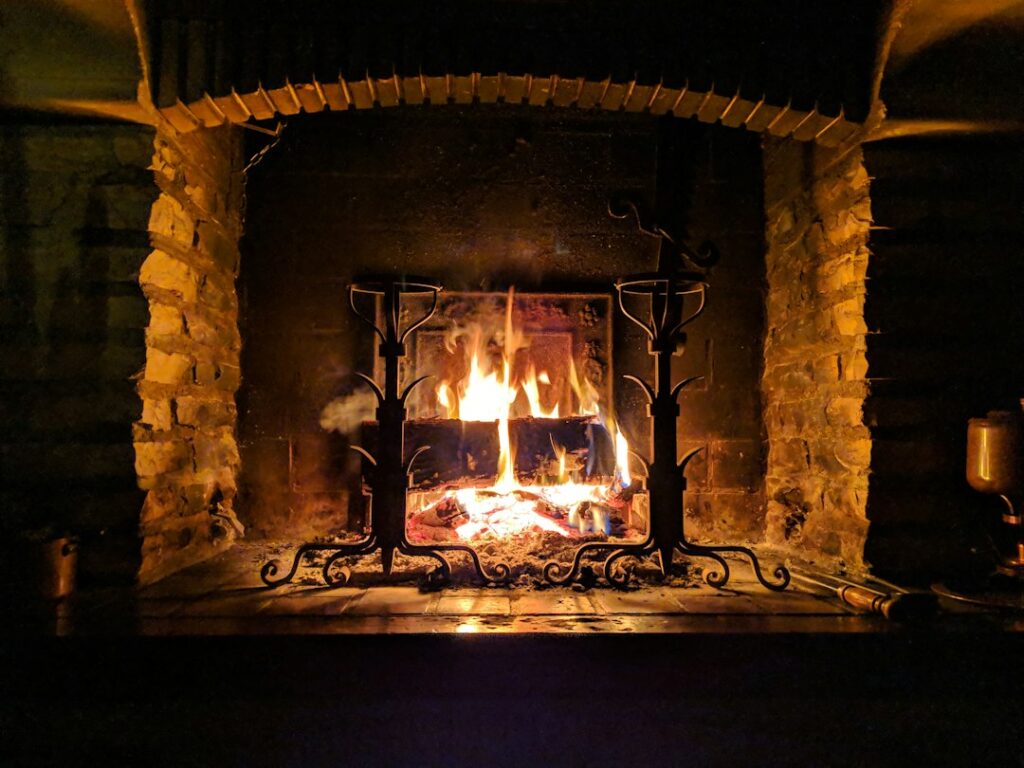
Most fireplace repair falls into a few categories: a damaged firebox (cracked refractory panels or firebrick and failing mortar joints), a damper that will not open, close or seal, draft problems that push smoke into the room, gas fireplaces that will not light, and leaks or deterioration at the chimney crown, cap, flashing or liner. Small cosmetic fixes, such as cleaning glass, replacing a gasket or a gas log igniter battery, are reasonable DIY jobs, but anything involving the flue, the firebox structure, gas lines or a suspected carbon monoxide problem belongs with a certified chimney or gas fireplace technician. Before you use a fireplace that has a known problem, have it inspected; the U.S. Fire Administration recommends having heating equipment and chimneys cleaned and inspected each year by a professional. This guide covers how to identify common problems, the safety risks, inspection levels, what a technician does, DIY versus pro decisions, typical cost ranges and how a home inspection flags fireplace issues. It reflects general guidance as of 2026; manufacturer instructions and your local building and fire codes take priority.
Part of our Heating, Cooling & Ventilation guide — start there for the full picture →
Quick Reference: Common Fireplace Problems
| Problem | What it usually means | DIY or pro |
|---|---|---|
| Cracked firebrick or refractory panels | Heat stress, age or impact; gaps can expose framing to heat | Pro for structural cracks; panel replacement in some prefab units can be DIY per the manual |
| Crumbling or missing mortar joints in the firebox | Heat and moisture deterioration | Pro tuckpointing with refractory mortar |
| Damper stuck, rusted or not sealing | Corrosion from moisture entering the flue | Pro repair, or a top-sealing damper installed by a pro |
| Smoke coming into the room | Closed damper, blocked flue, cold flue, negative house pressure or undersized flue | Check damper and open a window; pro if it persists |
| Gas fireplace will not light or pilot goes out | Thermocouple or thermopile, igniter, gas supply or dirty pilot assembly | Basic checks DIY; gas components by a qualified technician |
| Cloudy or cracked glass, loose doors | Normal residue, gasket wear, or impact or heat damage | Cleaning DIY; cracked glass replaced with manufacturer parts |
| Water stains, rust or musty odor at the fireplace | Failing chimney crown, cap, flashing or liner | Pro chimney repair |
| Heavy black, glazed buildup in the flue | Creosote accumulation and fire risk | Pro sweep before next use |
How to Confirm What Is Wrong
Start with a cold fireplace, a flashlight and a phone camera. Many problems are visible from the hearth.
Wood-burning fireplaces
- Firebox walls and floor: look for cracks wider than a hairline, loose or missing bricks, eroded mortar joints and gaps where the hearth meets the firebox.
- Damper: open and close it. It should move freely and seal reasonably well when closed. Daylight around a closed throat damper means warm air escapes all winter.
- Smoke shelf and flue: with the damper open, look up with a flashlight. Heavy black crust, flaky deposits or anything that looks shiny and tar-like is creosote, and our guide to creosote explains the stages and why glazed deposits are hard to remove.
- Signs of water: rust on the damper or firebox floor, white staining on brick, or a musty smell in warm or humid weather point to water entering from above.
- Exterior: from the ground, use binoculars or zoomed photos to check for a missing chimney cap, cracked crown, leaning chimney, spalling brick or gaps in flashing where the chimney meets the roof.
Gas fireplaces
- Confirm the gas valve to the unit is open and that other gas appliances are working.
- Check batteries in the remote, wall switch receiver or electronic ignition module, if the unit uses them.
- Watch the pilot. A weak, yellow or wavering pilot flame often points to a dirty pilot assembly or a draft issue. Our guide to the gas fireplace pilot light walks through the lighting sequence and common failure points.
- Look at the glass for heavy white film or soot, which can indicate burner or log placement problems.
If you smell gas at any point, stop. Leave the house and call the gas utility from outside.
Doors, glass and screens
Glass doors on an open fireplace, and the sealed glass front on a gas unit or insert, are a frequent repair item. A light white or gray film on gas fireplace glass is normal combustion residue and can be cleaned with a product the manufacturer approves once the unit is completely cool. Heavy black soot is different: it usually means the burner, logs or air shutter need adjustment. Cracked, chipped or crazed glass should be replaced only with the manufacturer’s listed ceramic glass, never with ordinary tempered glass from a hardware store, because sealed gas units depend on that glass to keep combustion gases out of the room. On wood stoves and inserts, check that the door closes tightly; a worn rope gasket lets in extra air, makes fires harder to control and can be replaced with a kit sized to the door channel. Loose hinges, warped frames and torn mesh screens are usually simple fixes that still matter for safety.
Safety Risks: Fire and Carbon Monoxide
A damaged fireplace is not just an inefficient fireplace. Cracks in the firebox or a deteriorated flue liner can expose wood framing to heat, and creosote buildup can ignite into a chimney fire. Blocked or poorly drafting flues can spill combustion gases, including carbon monoxide, into the living space.
The U.S. Consumer Product Safety Commission advises installing battery-operated CO alarms, or alarms with battery backup, on every level of the home and outside sleeping areas, and notes that interconnected alarms are best. CPSC lists the symptoms of carbon monoxide poisoning as headache, dizziness, weakness, nausea, vomiting, sleepiness and confusion, and advises anyone who suspects CO poisoning to get outside to fresh air immediately and call 911.
The U.S. Fire Administration also advises keeping anything that can burn at least 3 feet from heat sources, including fireplaces, and having chimneys cleaned and inspected each year by a professional.
A few rules reduce risk while repairs are pending:
- Do not use a fireplace with a cracked firebox, suspected liner damage or heavy creosote.
- Do not close the damper until the fire and embers are completely out.
- Keep doors or a screen in place while burning.
- Store ashes in a covered metal container outdoors on a nonflammable surface.
- Test smoke and CO alarms before the heating season.
Chimney Inspection Levels 1, 2 and 3
Chimney professionals commonly describe inspections in three levels. Knowing which one you need helps you compare quotes.
- Level 1: a basic check of readily accessible parts of the chimney exterior, interior and connections, typical for an annual inspection when nothing has changed and the system is used the same way.
- Level 2: a more detailed inspection that usually includes a camera scan of the flue interior, plus accessible attics, crawlspaces and the exterior. It is commonly recommended when a home is sold, after a chimney fire, after a significant storm or earthquake, or when changing fuel type or adding an insert.
- Level 3: used when a serious hidden problem is suspected and requires removing parts of the structure, such as a section of the chimney wall or interior finish, to get access.
For buyers, a Level 2 inspection with a flue camera is the practical standard; a general home inspection does not look inside the full length of the flue. Our guide to chimney inspection covers what each level involves and what the report should show.
What a Professional Repair Looks Like
Most fireplace repairs follow a similar sequence:
- Inspection and sweep. The technician cleans the flue so they can see the actual surfaces, then inspects at the appropriate level.
- Written findings with photos or camera footage, listing safety issues separately from maintenance and cosmetic items.
- Firebox repair: replacing cracked firebrick with new brick set in refractory mortar, tuckpointing failing joints, or replacing refractory panels in a factory-built unit with the manufacturer’s parts.
- Damper work: freeing or replacing a throat damper, or installing a top-sealing damper at the chimney crown, which can seal better and also acts as a cap.
- Flue and liner repair: repairing or relining a cracked clay tile flue, often with a stainless steel liner. Our chimney liner guide compares liner options.
- Exterior water control: rebuilding or sealing the crown, installing a chimney cap, repairing flashing and repointing brick.
- Gas fireplace service: cleaning the burner, pilot assembly and logs, testing the thermocouple or thermopile, checking the ignition system, verifying gas pressure and inspecting the vent termination.
- Final test: a draft test or test burn and confirmation that CO alarms are present.
Wood, Gas and Inserts: Repair Considerations by Type
Masonry wood-burning fireplaces
Traditional brick fireplaces are durable but have many parts that deteriorate with heat and weather. The biggest repair costs usually sit at the top of the chimney rather than in the firebox. For wood-burning fireplaces, EPA’s Burn Wise program archive, which EPA now maintains as a historical record, offers practical habits that also reduce creosote buildup: burn only dry, split, well-seasoned wood; season wood for at least six months; and aim for a moisture content below 20 percent, checked with a moisture meter. It also warns against burning trash, cardboard, painted or pressure-treated wood and other materials that release harmful chemicals.
Factory-built (prefabricated) wood fireplaces
Many Front Range homes built from the 1980s onward have factory-built metal fireboxes with refractory panels and a metal chimney pipe inside a framed chase. These must be repaired with the manufacturer’s listed parts. Cracked panels can often be replaced, but a rusted-out firebox or damaged metal chimney sections usually means replacing the unit, since mixing parts voids the listing.
Gas fireplaces
Gas units have fewer structural problems and more component failures: thermocouples, thermopiles, valves, igniters, blower motors and remote receivers. Direct-vent units draw combustion air from outside and vent through a sealed pipe, so damaged vent terminations or missing glass seals are safety concerns. Gas work should be done by a technician qualified for gas appliances.
Fireplace inserts
An insert converts an existing open fireplace into a closed, more efficient unit, wood, gas or pellet. When a masonry fireplace needs major firebox or liner work, an insert with a new full-length liner is sometimes a better use of the money than restoring the open fireplace. Our guide to fireplace inserts covers types, sizing and installation requirements.
Front Range Factors
Several local conditions show up in fireplace and chimney repairs here:
- Freeze-thaw cycles. Frequent swings across freezing in winter drive water into brick and mortar, then expand it. Cracked crowns and spalling brick are common, and water that gets past the crown rusts dampers and attacks firebox mortar.
- Hail and high wind. Storms can dent or knock off chimney caps, crack crowns and damage metal chase tops on factory-built chimneys. Check after major storms.
- Altitude. Gas appliances are rated for specific elevation ranges, and many need adjustments or specific configurations at higher altitudes. A gas fireplace moved or replaced should be set up for the home’s elevation per the manufacturer.
- Wood-burning restrictions. Parts of the Denver metro area restrict wood burning on high-pollution days, so check local air quality advisories before lighting a wood fire.
- Dry air. Very dry winter air can make some homes slightly negatively pressurized when exhaust fans run, which can contribute to smoke spillage from an open fireplace.
DIY Versus Professional Fireplace Repair
Reasonable DIY jobs include cleaning glass with a product the manufacturer approves, replacing a door or glass gasket on a wood stove or insert, replacing batteries in a gas fireplace remote or receiver, adjusting a fireplace grate, cleaning the exterior of a fireplace surround and replacing a damaged screen.
Leave these to a professional:
- Anything involving gas valves, gas lines or burners beyond basic relighting
- Firebox brick or mortar repair, which needs refractory materials and correct joint sizing
- Flue, liner, crown or flashing work, which involves heights and hidden damage
- Any repair after a chimney fire
- Smoke or CO problems that persist after checking the damper
Typical Fireplace Repair Costs
Costs depend on the type of fireplace, the extent of damage, access to the roof and chimney height, and whether parts are proprietary. As typical national ranges, a chimney sweep and Level 1 inspection commonly runs in the low hundreds of dollars, with a Level 2 camera inspection usually costing more. Gas fireplace service calls with cleaning and a part such as a thermocouple often land in the low to mid hundreds. Firebox tuckpointing or partial firebrick replacement often ranges from several hundred to a couple of thousand dollars. Damper replacement and chimney caps are usually in the hundreds. Crown rebuilding, flashing repair and stainless steel relining can climb into the thousands, and rebuilding a deteriorated chimney above the roofline costs more.
Main cost drivers:
- Chimney height, roof pitch and access
- Masonry versus factory-built unit, and availability of manufacturer parts
- Extent of hidden damage found during a Level 2 inspection
- Liner material and flue size
- Permits for relining, insert installation or rebuilding where required
Our guide to chimney repair cost breaks down pricing for the most common chimney jobs.
How to choose and vet a fireplace technician
- Look for chimney sweep certification from a recognized industry body and, for gas units, training on the brand you own.
- Ask for proof of liability and workers’ compensation insurance.
- Expect photos or camera footage supporting any major repair recommendation.
- Get written, itemized estimates and warranty terms for workmanship and parts.
- Red flags: urgent claims that the chimney is unsafe with no footage to show you, quotes for full relining or rebuilding after only a glance from the ground, and very cheap sweep coupons that turn into large upsells.
Prevention and Maintenance
- Schedule an annual inspection and sweep as needed, ideally before the heating season.
- Burn only seasoned wood and build hot, efficient fires rather than smoldering ones.
- Keep a chimney cap with a spark screen in place to block rain, snow, debris and animals.
- Have the crown inspected and sealed before small cracks become big ones.
- Service gas fireplaces annually and keep the glass, vents and log set as the manufacturer specifies.
- Keep working smoke and CO alarms on every level.
How a Home Inspection Flags Fireplace Problems
The ASHI Standard of Practice directs home inspectors to inspect fuel-burning fireplaces, stoves and fireplace inserts, fuel-burning accessories installed in fireplaces, and chimneys and vent systems. It also states that inspectors are not required to inspect “interiors of vent systems, flues, and chimneys that are not readily accessible,” or to determine draft characteristics.
In practice, a home inspector reports visible conditions such as firebox cracks, damper operation, creosote visible from the hearth, missing caps, crown cracks, flashing problems, clearance to combustibles and gas fireplace operation where it can be tested safely. When they see concerns, or when the flue cannot be seen, they typically recommend a Level 2 inspection by a qualified chimney professional before closing.
If you are buying a home with a fireplace, or yours is showing any of the warning signs above and you want an independent look before hiring a repair company, contact our team to schedule a Front Range inspection.
More Questions About Fireplace Repairs
Does homeowners insurance cover fireplace repair?
Homeowners insurance usually covers fireplace and chimney damage from sudden covered events, such as a lightning strike, a fallen tree, wind or a chimney fire, depending on the policy. Wear and tear, deterioration from age and lack of maintenance are generally excluded. Repairs from water leaking into a chimney over time are often denied as maintenance issues. Keeping records of annual chimney inspections and cleanings helps support a claim. Checking the deductible against the repair estimate shows whether filing a claim is worth it.
How long does a fireplace repair take?
Many fireplace repairs, such as replacing a gas igniter, gaskets or a damper, take a few hours, while firebox rebuilding, chimney relining or crown repair can take one to several days. Masonry repairs may need curing time before the fireplace can be used. Larger chimney rebuilds take longer and depend on weather and permits. Scheduling repairs in late spring or summer usually avoids the fall rush when chimney professionals are busiest. A written estimate should include the expected timeline.
Why does my gas fireplace pilot keep going out?
A gas fireplace pilot that keeps going out is commonly caused by a dirty or failing thermocouple or thermopile, a dirty pilot orifice, a draft blowing out the flame, or low gas pressure. The pilot flame should be steady and wrap the thermocouple tip. Cleaning the pilot assembly can sometimes fix the issue, but gas components should be serviced by a qualified technician. If there is a gas smell, the area should be evacuated and the gas utility called from outside.
Why does my fireplace smell when not in use?
A fireplace that smells when not in use is often affected by creosote odor pulled into the room by negative pressure in the house, especially in humid weather. Other causes include moisture in the chimney, animal nests, debris, or a damper that does not seal. A chimney sweep can clean creosote and check for blockages, while a chimney cap and top-sealing damper reduce rain and air flow. Balancing house air pressure, for example with makeup air, can also reduce odors.
References
- Heating Fire Safety — U.S. Fire Administration
- Carbon Monoxide Information Center — U.S. Consumer Product Safety Commission
- Best Wood-Burning Practices (Burn Wise) — U.S. Environmental Protection Agency
- ASHI Standard of Practice for Home Inspection — American Society of Home Inspectors
Frequently asked questions
Is it safe to use a fireplace with a cracked firebox?
It is best not to. Cracks in firebrick or refractory panels can let heat reach the framing behind the firebox. Have a chimney professional evaluate it and repair it with refractory materials before the next fire.
How often should a fireplace and chimney be inspected?
The U.S. Fire Administration recommends having heating equipment and chimneys cleaned and inspected each year by a professional. A more detailed Level 2 inspection is common when buying a home or after a chimney fire.
Why does smoke come into the room from my fireplace?
Common causes include a closed or partly closed damper, a blocked or cold flue, negative house pressure from exhaust fans, or a flue that is too small for the fireplace opening. If opening a window does not help, have the system inspected.
Can I repair a gas fireplace myself?
Basic steps like checking the gas valve, replacing remote batteries and relighting the pilot per the manual are reasonable. Valve, thermocouple, burner and vent work should be done by a technician qualified for gas appliances.
What does a home inspector check on a fireplace?
Inspectors look at the firebox, damper, visible flue, chimney exterior, cap, crown and flashing, and operate gas units where safe. They are not required to inspect flue interiors that are not readily accessible, so they often recommend a Level 2 chimney inspection.
Can a fireplace be repaired in winter?
Yes. Many fireplace repairs can be done in winter, especially gas component repairs and interior firebox work. Masonry and chimney crown repairs may be limited by freezing temperatures, since mortar needs protection while curing. Booking repairs in warmer months avoids weather delays.
Is a chimney sweep the same as a fireplace repair company?
Not always. Chimney sweeps clean flues and inspect chimneys, while many chimney companies also repair masonry, liners and dampers. Gas fireplace repairs are often handled by HVAC or hearth specialists. Certified sweeps and gas technicians suit different jobs.
Can a fireplace be converted from wood to gas?
Yes. A wood-burning fireplace can often be converted to gas with gas logs or a gas insert, which requires a gas line, proper venting and often a chimney liner. A licensed installer and a permit are usually required. Inserts heat more efficiently than vented gas logs.