Chimney Liner: Types, Inspection and Installation Costs
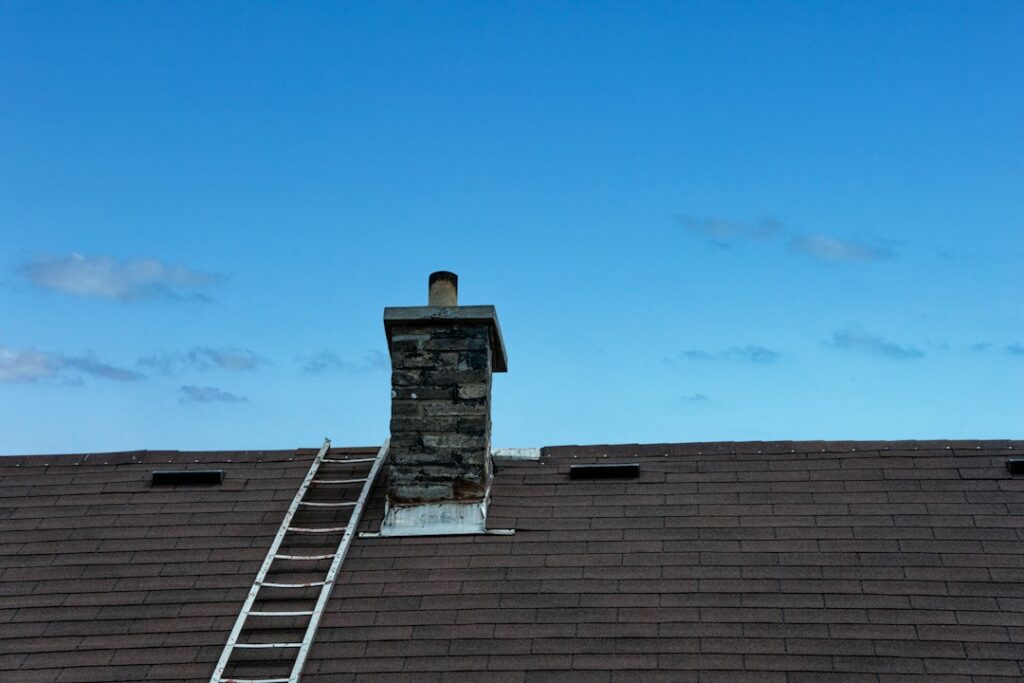
From the outside, most chimneys look like solid brick columns. The part that does the real work, though, is hidden inside: the flue liner that carries smoke, hot gases and carbon monoxide up and out of the house. When that liner is cracked, missing or the wrong size for the appliance it serves, a chimney can overheat nearby framing, let combustion gases seep into living space or fail to draft properly. Many homes along the Colorado Front Range were built with clay tile liners that have now seen decades of freeze-thaw cycles, and many have since switched from wood to gas or added an insert. This guide explains what a chimney liner does, the main liner types, the situations that typically call for relining, how inspections find liner problems and what homeowners can expect to pay. Costs are broad industry estimates, not quotes.
Part of our Heating, Cooling & Ventilation guide — start there for the full picture →
What Is a Chimney Liner and Why Does It Matter?
A chimney liner is the clay, metal or cast masonry passage inside a chimney that contains the products of combustion and guides them outdoors. It does three jobs at once. It keeps heat away from the surrounding brick and any nearby wood framing, it protects the masonry from corrosive gases and condensation, and it gives the flue the correct size and shape for the appliance to draft well. A damaged or mismatched liner can increase fire risk, let carbon monoxide escape into the home and speed up deterioration of the chimney itself, so relining is often recommended when inspections find cracks, gaps or a size mismatch.
Older homes sometimes have unlined chimneys, where smoke travels directly against the brick and mortar. Building codes for many decades have called for liners in new masonry chimneys, but houses built before those requirements, or chimneys altered over the years, may not have one in good condition.
Containing Combustion Products
Wood smoke, flue gases from a gas furnace or water heater, and fumes from an oil appliance all need a continuous, sealed path to the outdoors. Any opening in the liner, such as a cracked tile or a missing mortar joint, is a path for those gases to leak into the masonry and potentially into the walls, attic or living space. EPA lists leaking chimneys and back-drafting from furnaces, gas water heaters, wood stoves and fireplaces among indoor sources of carbon monoxide.
Protecting the Masonry
Combustion gases carry water vapor and acids. When those gases cool inside a chimney, they can condense on the walls. Over time, condensation can erode mortar joints, stain the exterior brick and contribute to spalling. A properly sized liner helps gases stay warm enough to exit before they condense.
Supporting Proper Draft
Draft depends on the size and height of the flue relative to the appliance. A flue that is too large for a modern, high-efficiency appliance lets the gases cool and slow down. A flue that is too small cannot carry all of the exhaust. Either problem can lead to smoke spillage, poor performance or back-drafting.
Types of Chimney Liners
Three broad liner types are used in homes. Each has trade-offs in cost, durability and suitability for different fuels.
Clay Tile Liners
Terra cotta clay tiles are the most common liner in older masonry chimneys. They are inexpensive when installed during construction and can last for decades when kept in good condition. Their weaknesses are that the tiles can crack from thermal shock, such as during a chimney fire, from settlement of the chimney, or from freeze-thaw damage near the top. Mortar joints between tiles can also erode. Replacing clay tiles inside an existing chimney is difficult and usually requires opening the chimney, so damaged clay liners are more often relined with metal or a cast-in-place system than replaced with new tile.
Stainless Steel Liners
Stainless steel liners are the most common choice for relining. They come as rigid sections or flexible tubing that is fed down from the roof and connected to the appliance at the bottom. Stainless liners are often rated for wood, gas and oil, though the grade of steel and the listing should match the fuel. They are often insulated with a wrap or poured insulation, which can help draft and may be required to meet the liner’s clearance listing. Aluminum liners are sometimes used for certain gas appliances, but they are not suitable for wood or oil.
Cast-in-Place Liners
Cast-in-place systems pour or pump a cement-like mixture into the chimney around a form, creating a smooth, seamless liner. They can add insulation and some structural strength to an older chimney and are often used where the existing flue is irregular or deteriorated. Installation is more specialized, and costs are usually higher than stainless steel relining for a typical home.
When Is Relining Needed?
Several situations commonly lead a chimney professional to recommend a new liner.
Cracked or Missing Tiles Found During Inspection
Cracks in clay tiles are often discovered during a camera inspection rather than by looking up the flue with a flashlight. In many cases, the sweep has been asked to perform a more thorough inspection because the home is being sold or after a chimney fire.
Chimney professionals commonly describe inspections using three levels drawn from the NFPA 211 standard. A Level 1 inspection is a basic check of the readily accessible parts of the chimney and appliance and is typical for annual service when nothing has changed. A Level 2 inspection adds a closer look at accessible areas of the chimney, attic and crawl space, often with a video scan of the flue interior, and is commonly recommended at property sale or transfer, after a change in fuel or appliance, or after an event such as a chimney fire. A Level 3 inspection involves removing parts of the building or chimney to reach concealed areas and is usually reserved for situations where a serious hidden problem is suspected. Exact scope varies by company, so homeowners should ask what each level includes before booking.
Converting Fuel Types
Switching from wood to gas, or replacing an old furnace or water heater with a newer, more efficient model, can leave the existing flue the wrong size. Gas appliances produce cooler, wetter exhaust than wood, and an oversized clay flue can allow that exhaust to condense. Some newer high-efficiency appliances vent through plastic pipe out the side wall and no longer use the chimney at all, which can leave a remaining water heater as an “orphan” in a flue that is now far too large for it. These situations are a common trigger for relining with a properly sized stainless liner.
Adding an Insert or Stove
Installing a wood, pellet or gas insert into an existing fireplace usually calls for a liner connected directly to the insert and running the full height of the chimney. Manufacturers typically specify the liner size, and inspectors and code officials look for it. The guide to gas, wood and electric fireplace inserts covers how insert type affects venting and what to plan for.
After a Chimney Fire
Chimney fires can burn hot enough to crack clay tiles and warp metal liners. Some go unnoticed, so signs such as flaky, puffy creosote, warped damper parts or cracked tiles found later can indicate one has occurred. A thorough inspection is generally recommended before the fireplace is used again.
Liner Sizing, Insulation and Front Range Conditions
Choosing a liner is not just a matter of material. The liner’s diameter, the height of the chimney and whether the liner is insulated all influence how well the appliance drafts and how safely the system operates.
Sizing to the Appliance
Appliance manufacturers publish venting requirements, and for gas appliances installers typically consult venting tables to confirm that the flue area suits the appliance’s input. Wood inserts and stoves usually specify a minimum flue diameter matched to the appliance outlet. Oversizing is one of the most common mistakes in older homes, where a large fireplace flue was originally built for an open wood fire and is later asked to serve a much smaller appliance. A liner that matches the appliance helps exhaust stay warm and move steadily.
Why Insulation Matters
Insulating a stainless liner keeps flue gases hotter, which tends to improve draft and reduce condensation and creosote formation. Many liner manufacturers require insulation to meet the clearance to combustibles listed for their product, especially when the chimney has less than the expected air space around it. Insulation adds cost, but skipping it where the listing calls for it can leave the installation out of compliance.
Front Range Considerations
Colorado’s Front Range brings a combination of factors that can be hard on chimneys: frequent freeze-thaw cycles, intense sun, high winds and dry winters punctuated by heavy spring snow. Water that gets past a cracked crown or missing cap can freeze within clay tile joints and widen cracks. Wind can also affect draft on tall or exposed chimneys. Some communities in the region also have rules about wood burning on high-pollution days, which may influence whether homeowners keep a wood-burning fireplace or switch to gas when relining. Local building departments can confirm current requirements.
Gas Appliance Venting and Carbon Monoxide Risk
Many homes vent a gas furnace, boiler or water heater into a masonry chimney. Because gas exhaust is invisible and largely odorless, a failing liner may give few clues. Possible warning signs include white staining or efflorescence on the exterior brick, crumbling mortar at the top of the chimney, water at the base of the flue, rust on the appliance’s vent connector or a draft hood that spills when the appliance runs.
Carbon monoxide alarms are the practical backstop. NFPA recommends installing CO alarms in a central location outside each sleeping area and on every level of the home, and interconnecting them where possible. The guide to where to put a carbon monoxide detector explains placement in more detail, and the carbon monoxide and gas detector category lists alarm options for homeowners comparing models. An alarm is not a substitute for a sound liner, but it can warn occupants if venting fails.
EPA’s guidance on carbon monoxide also recommends having a trained professional inspect, clean and tune up central heating systems, including furnaces, flues and chimneys, every year and repairing leaks promptly. Homeowners who switch heating systems, for example moving toward a heat pump as discussed in the guide to heat pumps vs furnaces, should ask how any remaining gas appliances will be vented afterward.
Inspection and Maintenance
NFPA’s heating safety guidance advises having heating equipment and chimneys cleaned and inspected every year by a qualified professional. The U.S. Fire Administration offers similar advice to have chimneys cleaned and inspected each year. Annual service is the main way liner problems are caught before they cause damage.
The guide to chimney inspection levels and what sweeps check covers the process in more depth, and the guide to chimney sweep cost explains typical pricing for cleaning, camera scans and inspection reports. Because water entering at the top of a chimney often damages the liner, a cracked crown or missing cap is worth fixing at the same time; see the guide to chimney crown repair.
What a General Home Inspection Covers
A general home inspection is not a chimney inspection. The ASHI Standard of Practice requires inspectors to inspect fuel-burning fireplaces, stoves, inserts, chimneys and vent systems, but it specifically does not require them to inspect the interiors of flues and chimneys that are not readily accessible or to determine draft characteristics. In other words, the liner itself is usually outside the scope of a standard inspection. Buyers who want the liner evaluated should arrange a separate chimney inspection, ideally with a camera scan. The overview of specialty inspections explains how add-on evaluations fit into a purchase, and the broader guide to hiring a home inspector covers scheduling and contingency timing.
Chimney Liner Costs
Prices vary with chimney height, flue size, roof access, the condition of the existing flue and local labor rates. The ranges below are general industry estimates.
- Camera or Level 2 inspection: often a few hundred dollars, sometimes bundled with cleaning or credited toward repair work.
- Stainless steel relining: commonly ranges from roughly $1,500 to $4,500 for a typical single flue, with tall chimneys, large flues, insulation and enlarging the flue pushing the total higher.
- Aluminum liner for certain gas appliances: usually less than stainless, where the appliance and code allow it.
- Cast-in-place relining: often several thousand dollars or more, depending on chimney size and condition.
- Clay tile replacement: typically the most disruptive and often the most expensive option, because it may require opening or partially rebuilding the chimney.
Additional costs can include a new chimney cap, crown repairs, a top plate, mortar repointing and permits. Many jurisdictions treat a new liner for a fuel-burning appliance as work that requires a permit, so homeowners should ask the installer whether one will be pulled.
Questions to Ask a Chimney Professional
- Which liner material and grade do you recommend for this fuel, and why?
- Is the liner listed for this appliance, and does it require insulation to meet clearances?
- How did you size the liner, and does it match the appliance manufacturer’s instructions?
- Will the camera footage or photos showing the damage be shared?
- Does the quote include the permit and the final code inspection?
- What warranty applies to the liner and to the labor?
Warning Signs Homeowners Can Watch For
- Pieces of tile or mortar falling into the firebox or the base of the chimney.
- Smoke spilling into the room or a smoky smell when the fireplace is not in use.
- White staining, flaking brick or moisture on interior walls near the chimney.
- Rust or water at the bottom of the flue or on appliance vent connectors.
- A carbon monoxide alarm that sounds when a gas appliance runs.
Any CO alarm activation should be treated as an emergency: get everyone outside and call 911 or the gas utility from fresh air.
References
- Safety with Heating Equipment — National Fire Protection Association
- Carbon Monoxide Safety — National Fire Protection Association
- Carbon Monoxide’s Impact on Indoor Air Quality — U.S. Environmental Protection Agency
- Heating Fire Safety — U.S. Fire Administration
- ASHI Standard of Practice for Home Inspections — American Society of Home Inspectors
Frequently asked questions
How can homeowners tell if a chimney liner is damaged?
Liner damage is often found during a camera inspection. Warning signs include tile pieces in the firebox, smoke spillage, white staining on exterior brick, water or rust at the flue base and CO alarm activations. A chimney professional can confirm the condition.
How much does a chimney liner cost?
As rough estimates, stainless steel relining often runs about $1,500 to $4,500 for a typical flue, while cast-in-place systems and clay tile replacement usually cost more. Chimney height, flue size, access and permits affect the price.
Do gas fireplaces and furnaces need a chimney liner?
Gas appliances that vent into a masonry chimney need a flue sized correctly for them. Older clay flues are often too large for modern gas appliances, which can lead to condensation and poor draft, so relining with a properly sized liner is commonly recommended.
Does a home inspection check the chimney liner?
Usually not in depth. The ASHI Standard of Practice does not require inspectors to inspect flue interiors that are not readily accessible or to determine draft. A separate chimney inspection with a camera scan is the way to evaluate the liner.
How often should a chimney be inspected?
NFPA's heating safety guidance advises having chimneys cleaned and inspected every year by a qualified professional. Additional inspections make sense after a chimney fire, a fuel change or before buying a home.
Under contract on a Front Range home with a fireplace or a gas appliance venting into the chimney? Get in touch and we can help you find a local inspector who can coordinate a chimney evaluation alongside the general inspection.