Chimney Cap Replacement Cost: Typical Prices and What Drives Them
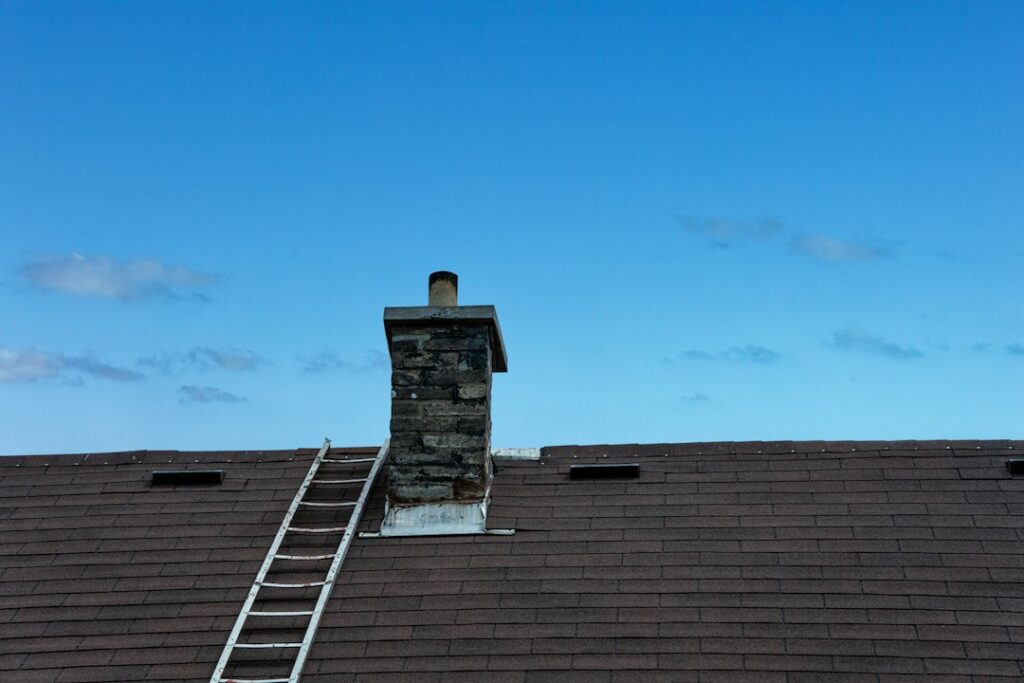
A typical chimney cap replacement cost for a standard single-flue stainless steel cap, installed by a chimney professional, usually falls somewhere around $200 to $600 nationally in 2026. Multi-flue caps, copper caps, top-mount dampers and custom-fabricated caps move into higher ranges, and steep or tall roofs add labor. The cap itself is often the smaller part of the bill; access, height and whatever the technician finds under the old cap tend to set the final number. This guide breaks down typical prices by cap type, explains what drives the quote, covers when a cap should be repaired versus replaced, and walks through what a fair chimney quote looks like. For background on how caps work and the different styles, see our main guide to the chimney cap. All figures below are typical national ranges, not quotes, so get local written estimates before committing.
Part of our Structure & Exterior guide — start there for the full picture →
Typical Chimney Cap Replacement Costs at a Glance
Chimney caps are usually priced as a lump sum that bundles the cap and installation labor. Some companies list the cap and labor separately. The table groups the jobs homeowners most often see on a quote.
| Job (typical national range, 2026 — get local quotes) | Cap only | Installed total |
|---|---|---|
| Single-flue galvanized steel cap | About $40–$100 | About $150–$400 |
| Single-flue stainless steel cap | About $75–$300 | About $200–$600 |
| Single-flue copper cap | About $200–$700 | About $450–$1,200 |
| Multi-flue (outside-mount) stainless cap | About $200–$800 | About $400–$1,300 |
| Custom-fabricated cap for an oversized or unusual crown | About $400–$1,500+ | About $700–$2,500+ |
| Top-mount (top-sealing) damper with cap | About $250–$900 | About $500–$1,500 |
| Factory-built (prefab) chimney termination cap, matching brand | About $75–$400 | About $200–$700 |
| Reattaching or re-securing an existing cap | — | About $100–$300 (service call) |
Two common add-ons show up on the same invoice. Animal or nest removal from the flue before the new cap goes on often adds roughly $150 to $600, depending on what is up there and whether the smoke chamber needs cleaning. A chimney sweep performed on the same visit is frequently discounted compared with a separate trip; our guide to chimney sweep cost covers that service on its own.
Cap Types and Materials: What You Are Paying For
The type of cap is set by the chimney, not by preference. The material, on the other hand, is a real choice with real trade-offs.
Single-flue caps
These fit over one clay or metal flue tile that sticks up above the crown. They clamp to the flue with screws or a band. They are the most common and least expensive type, and in most homes a stock size fits. Measuring the flue’s outside dimensions accurately is what keeps the job inexpensive; a cap that has to be special-ordered adds cost and a second trip.
Multi-flue and outside-mount caps
Masonry chimneys that carry a fireplace flue and a furnace or water heater flue often have two or more flue tiles. A multi-flue cap covers all of them with one lid and mounts to the crown or the outside of the chimney. These cost more because of size and because they usually require masonry anchors. They also cover more of the crown, which can reduce weathering of the crown surface.
Top-mount dampers
A top-sealing damper combines a cap with a spring-loaded lid operated by a cable that runs down to the firebox. It replaces or supplements a broken throat damper and seals the flue when the fireplace is not in use. It costs more than a basic cap but can solve two problems in one visit.
Factory-built chimney caps
Prefabricated metal chimneys, often enclosed in a framed chase, use a termination cap designed by the chimney manufacturer. Replacement caps generally need to be listed for that system. A generic cap may not maintain the clearances the system was tested for. That matters for safety, and it is a good reason to have a professional match the part. A rusted chase top under the cap is a separate repair; our guide to the chimney chase cover explains how that piece fails and what replacement involves.
Material comparison
| Material | Relative cost | Typical service life (rule of thumb) | Notes |
|---|---|---|---|
| Galvanized steel | Lowest | Often several years before rust shows | Coating wears; acidic flue gases speed corrosion |
| Stainless steel | Moderate | Often a decade or more | Common default; grade and gauge vary by product |
| Copper | Highest | Often decades | Chosen for appearance; patinas over time |
| Painted or powder-coated steel | Low to moderate | Depends on base metal | Finish can flake; check the base material |
Lifespan figures here are rules of thumb, not guarantees. Exposure, the type of fuel burned and how hot the flue runs all change how long a given cap lasts. A cap over a gas furnace flue, for example, can see more corrosive condensation than a cap over an occasionally used wood fireplace.
What Drives the Price of a Cap Replacement
The quote for a basic cap can double or triple based on factors that have nothing to do with the cap itself.
- Roof pitch and height. A one-story ranch with a walkable roof is the easiest job. A steep two- or three-story roof may need extra fall protection, roof brackets or a longer ladder setup, and contractors price that time and risk into the job.
- Roofing material. Tile, slate and some metal roofs require extra care to walk on without damage. Some contractors charge more for these roofs, and some will not walk them at all.
- Flue size and count. Stock single-flue sizes are cheapest. Large, oddly shaped or multiple flues often require a multi-flue or custom cap.
- Crown condition. A multi-flue cap needs sound masonry to anchor into. A cracked or crumbling crown may need repair before the cap goes on. Our guide to chimney crown repair explains when sealing is enough and when the crown needs rebuilding.
- What is in the flue. Nests, debris or creosote buildup that must be cleared before capping add time.
- Material choice. Galvanized, stainless and copper differ widely in price.
- Mesh requirements. Some jurisdictions, especially in wildfire-prone areas, have specific spark-arrestor mesh expectations. Check with your city, county or fire district.
- Emergency or storm timing. After a major windstorm or hailstorm, demand spikes and scheduling can stretch. Emergency service to stop an active leak or animal entry usually costs more.
- Bundling. Combining a cap with a sweep, an inspection or a crown seal on one visit often reduces the per-item price because the setup cost is shared.
Repair or Replace: When a New Cap Makes Sense
Some cap problems are minor. Others mean the cap is done. These rules of thumb help sort them out; treat them as guidance, not hard thresholds.
Usually fixable
- Loose clamp screws or a cap that has shifted. Re-securing an otherwise sound cap is often a service-call job.
- Mesh clogged with creosote or debris. Cleaning the screen can restore draft. Clogged mesh is common over wood-burning fireplaces.
- Minor surface rust on stainless. Light staining on a quality stainless cap is often cosmetic.
Usually time to replace
- Rusted-through galvanized metal. Holes in the lid or mesh mean water and animals can get in.
- A cap blown off or bent by wind. A damaged cap often does not seat properly again.
- Mesh torn or detached. Animals, birds and embers can pass through gaps.
- The wrong cap for the system. A generic cap on a factory-built chimney, or a cap that restricts draft for the appliance, is worth correcting.
- Missing cap. No cap at all is one of the simplest and most cost-effective chimney fixes.
Rule of thumb: compare repair labor to replacement
A common rule of thumb: if the service call to repair an older galvanized cap costs more than about half of what a new stainless cap installed would cost, replacement is usually the better value. The new cap typically outlasts a repaired galvanized one by a wide margin, and the setup cost of getting on the roof is the same either way.
Why the Cap Matters for Safety and Repairs
A cap is inexpensive compared with the damage that a missing one can allow. Water entering an uncapped flue can soak the smoke chamber and damper, rust metal components and speed up deterioration of clay flue tiles and mortar. Animals and birds nest in open flues, and nests are combustible.
Blocked flues are also a carbon monoxide concern where a furnace, boiler or water heater vents into the chimney. USFA’s heating fire safety guidance tells households to maintain heating equipment and chimneys by having them cleaned and inspected each year by a professional. NFPA’s heating safety material makes the same point, recommending that chimneys and heating systems be inspected and cleaned each year before they are fired up for the season. EPA’s wood-burning installation and maintenance page adds that fire officials recommend having the appliance, chimney and vent professionally inspected each year, including looking for chimney cracks that can let smoke into the home.
A cap replacement visit is a natural time to have that inspection done, since the technician is already on the roof. Our guide to chimney inspection explains the difference between a basic visual review and a more detailed camera inspection of the flue.
How to Read a Chimney Cap Quote
A cap replacement is a small job, but it is still worth a clear written quote. Expect these items.
- Cap type, size and material. Single-flue or multi-flue, stainless or copper, and the dimensions it is sized to.
- Mesh specification. Whether the cap includes spark-arrestor mesh and its opening size, especially in wildfire-prone areas.
- Mounting method. Clamp to flue, anchor to crown, or manufacturer-listed fit for a factory-built chimney.
- Removal and disposal of the old cap.
- Flue clearing. Whether nest or debris removal is included or billed separately.
- Photos. Before-and-after photos of the cap, crown and flue top, which help verify the work and document condition.
- Warranty. Many stainless and copper caps carry a manufacturer warranty; the quote should say what the installer covers for workmanship.
Red flags
- A low-cost “inspection special” that ends with a high-pressure pitch for a full chimney rebuild or relining without photos or video of the problem.
- A cap replacement bundled into a “whole-chimney package” when the crown, flashing and flue all look sound in photos.
- A generic cap proposed for a factory-built chimney without confirming it is listed for that system.
- Refusal to provide photos of the condition on the roof.
- Demands for full payment before the work is scheduled.
Questions to ask
- What size and type of cap does this chimney need, and why?
- Is the crown sound enough to anchor a multi-flue cap?
- Is spark-arrestor mesh required where this home is located?
- Will photos of the flue top and crown be provided?
- Can the cap be installed on the same visit as a sweep or inspection?
Getting two or three written quotes for anything beyond a basic single-flue cap is reasonable. For a simple stock cap, one detailed quote from a reputable sweep is often enough, as long as photos are included.
Is DIY Chimney Cap Replacement Worth It?
Some homeowners replace a single-flue cap themselves. The part is inexpensive, and installation on a low-slope roof can be simple. The savings, however, are mostly the labor portion of the quote, and the risk is concentrated in getting on and off the roof safely. Falls from roofs and ladders are a serious hazard. DIY makes the most sense on a low, walkable roof with a clean flue and a stock-size cap. It makes the least sense on steep or tall roofs, on factory-built systems where the cap must match the manufacturer’s listing, or when the flue may hold a nest or debris. A professional visit also brings a set of trained eyes to the crown, flashing and flue, which is often worth the difference.
Front Range Factors That Affect Chimney Caps
A few regional conditions shape how caps fail and what replacements should look like along the Colorado Front Range.
- Wind. Strong downslope winds along the foothills, from Boulder County down through the west metro and Colorado Springs, can loosen or blow off caps that are not securely fastened. Caps with sturdy clamps or crown anchors tend to hold up better.
- Hail. Large hail can dent lids, damage mesh and crack crowns. After a significant storm, checking the cap, crown and flashing alongside the roof is sensible. Some damage may be part of a broader hail claim; ask your insurer.
- Freeze-thaw cycles. Water that gets into an uncapped flue or a cracked crown freezes and expands, widening cracks over many cycles. A good cap and sound crown help keep water out.
- Wildfire exposure. Homes near open space and in the foothills face ember risk. Spark-arrestor mesh helps contain embers from wood-burning fireplaces. Requirements vary, so check with your local fire district or building department.
- Dry air. Low humidity is gentle on metal compared with coastal climates, but acidic flue condensation from gas appliances still corrodes galvanized caps from the inside.
Leaks around the base of the chimney are usually a flashing issue rather than a cap issue. Our guide to chimney flashing repair explains how to tell the two apart.
How a Home Inspection Flags Chimney Cap Problems
The ASHI Standard of Practice directs the inspector to inspect skylights, chimneys and roof penetrations as part of the roofing section, and to inspect vent systems, flues and chimneys under plumbing and heating. It also states that the inspector is not required to inspect interiors of vent systems, flues and chimneys that are not readily accessible. In practice, an inspector may view the chimney top from the roof, a ladder at the eaves, or with binoculars or a drone, depending on roof safety and access.
Common findings include a missing cap, a rusted or damaged cap, a cap that has shifted, missing or torn mesh, debris or nests visible at the flue opening, a cracked crown, and staining that suggests water entry. The usual recommendation is evaluation by a qualified chimney professional, who can look inside the flue and quote any repair. For a buyer, a missing or rusted cap is usually a small negotiating item; a cracked flue liner or failing crown found during the follow-up evaluation can be a much larger one.
Our structure and exterior hub gathers related guides on roofs, siding, foundations and other components that commonly appear in inspection reports.
Getting a Fair Price on a Chimney Cap
For most homes, a fair chimney cap replacement is a stainless cap sized to the flue, securely fastened, with spark mesh where appropriate, installed by a technician who photographs the crown and flue top while on the roof. Price differences beyond the typical ranges are usually explained by roof access, cap type or extra work like nest removal. Bundle the cap with an annual sweep or inspection when you can, ask for photos, and be skeptical of a small job that quickly turns into a large package without visual evidence.
If a chimney concern has come up on a Front Range home you are buying or selling, get in touch with our team to schedule an inspection.
References
- Heating Fire Safety — U.S. Fire Administration
- Safety with Heating Equipment — National Fire Protection Association
- Wood-Burning Installation and Maintenance — U.S. Environmental Protection Agency
- ASHI Standard of Practice for Home Inspection — American Society of Home Inspectors
Frequently asked questions
How much does it cost to replace a chimney cap?
A standard single-flue stainless cap typically costs about $200 to $600 installed nationally. Multi-flue, copper, custom and top-mount damper caps cost more, and steep or tall roofs add labor. Get local written quotes.
Is a stainless steel chimney cap worth the extra cost?
Usually, yes. Stainless typically outlasts galvanized steel by a wide margin, and the labor to get on the roof is the same either way. Copper costs more again and is often chosen for appearance.
Can a chimney cap be replaced during a chimney sweep?
Yes. Many sweeps carry common cap sizes and install them during the same visit, which often reduces the total cost because setup and roof access are shared.
Does homeowners insurance cover a chimney cap?
Sometimes. A cap damaged by a covered event such as hail or wind may be included in a claim, while a cap that rusted out from age generally is not. Check with your insurer about your policy.
Will a home inspector check the chimney cap?
Usually, as far as access allows. Inspectors look at chimneys and roof penetrations from the roof, a ladder or the ground, and note a missing, damaged or clogged cap for evaluation by a chimney professional.