Window Replacement Cost: Vinyl, Wood and Labor Prices
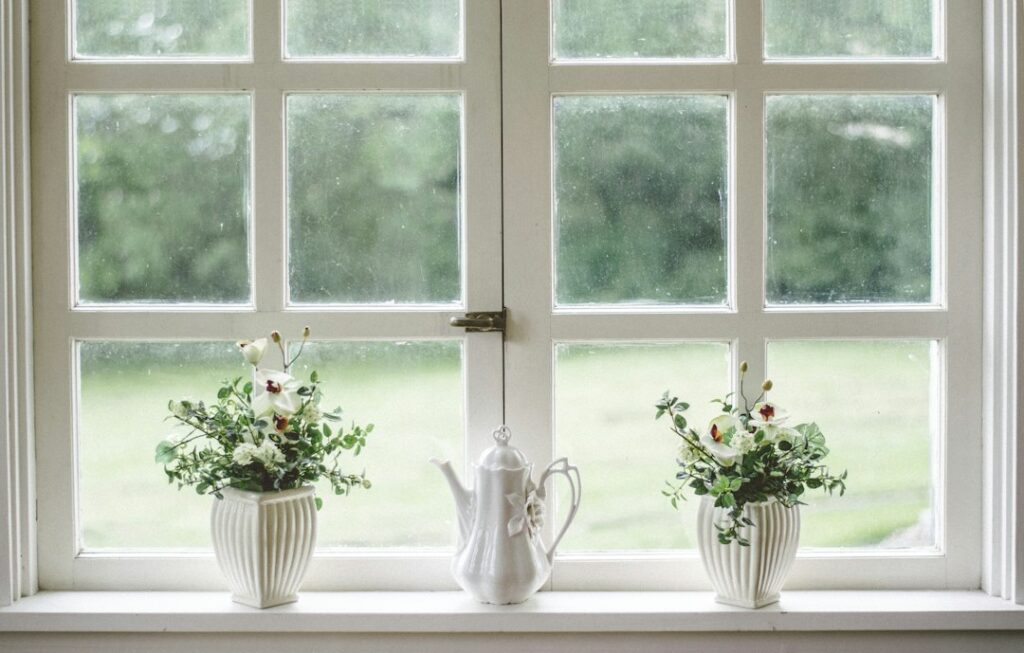
Old windows tend to announce themselves slowly: a draft by the couch, fog that never clears between the panes, a sash that will not stay open, a sill that feels soft. On the Colorado Front Range, intense sun, big temperature swings and hail add their own wear. Replacing windows is a significant investment, and window replacement cost varies more than many homeowners expect, depending on frame material, window style, glass package, installation method and the condition of the opening. This guide walks through typical price ranges by material and type, the difference between insert and full-frame replacement, what drives bids up, glass options suited to Colorado’s climate, basement egress requirements, lead-safe rules for older homes and the signs that replacement is due. All cost figures are broad industry estimates, not quotes; local labor, product availability and home conditions change the numbers.
Part of our Structure & Exterior guide — start there for the full picture →
How Much Does Window Replacement Cost?
For a standard-size, double-hung replacement window installed by a contractor, many homeowners see prices somewhere around $500 to $1,500 per window, with vinyl at the lower end and wood or fiberglass toward the upper end. Large, custom-shaped or specialty windows can cost several thousand dollars each. A whole-house project on a typical Front Range home with 15 to 25 windows often lands roughly in the $10,000 to $30,000 range, and more for premium materials or full-frame installation.
Because each opening is measured and ordered individually, there is no true price per square foot that applies across a house. Bids usually list a price per window, grouped by size and style, plus line items for trim, disposal, permits and any repairs to the rough opening.
Cost by Frame Material
Frame material affects price, appearance, maintenance and thermal performance. As rough installed ranges per standard window:
Vinyl
Often about $400 to $1,200 installed. Vinyl is the most common replacement material because it is affordable, low-maintenance and reasonably efficient. Quality varies widely; thicker walls, welded corners and reinforced frames generally cost more. Darker vinyl colors can be more sensitive to heat and intense sun, so check the manufacturer’s guidance for high-altitude, high-UV locations.
Fiberglass
Often about $700 to $1,800 installed. Fiberglass frames are strong and expand and contract at a rate similar to glass, which helps seals last through Colorado’s daily temperature swings. They can be painted and generally hold up well in strong sun.
Wood and Wood-Clad
Often about $800 to $2,500 or more installed. All-wood windows offer a traditional look and good insulating value but need regular painting or finishing. Wood-clad windows, with aluminum or vinyl on the exterior and wood inside, reduce outdoor maintenance. Wood is common in historic districts and custom homes.
Composite
Often about $600 to $1,500 installed. Composite frames combine wood fibers and polymers to mimic wood with less maintenance. Performance and price vary by brand.
Aluminum
Often about $350 to $1,000 installed. Aluminum is strong and slim but conducts heat readily, which can lead to cold frames and condensation in winter. Thermally broken aluminum frames improve performance, and aluminum is more common in modern designs and milder climates than in standard Front Range replacements.
Cost by Window Type
- Double-hung and single-hung: the baseline for most comparisons, typically within the ranges above.
- Sliders: often similar to or slightly less than double-hung windows of the same size, with fewer moving parts.
- Casement and awning: often somewhat more than double-hung because of crank hardware; they tend to seal tightly when closed.
- Picture windows: fixed glass with no operating parts. Cost per square foot can be lower, but large units carry high totals.
- Bay and bow windows: commonly several thousand dollars or more installed, because they combine multiple units, project from the wall and often need structural support and roof flashing.
- Specialty shapes: arches, circles and custom geometric windows are usually custom-ordered and priced individually.
Patio doors follow a separate pricing logic; see our guide to sliding glass door replacement cost for those openings.
Insert vs Full-Frame Replacement
Insert (Pocket) Replacement
An insert window fits inside the existing frame after the old sashes and stops are removed. The interior trim, exterior trim and siding usually stay in place. Inserts are faster and less expensive and work well when the existing frame is square, solid and dry. The trade-off is a slightly smaller glass area and no opportunity to inspect or improve the insulation and flashing around the original frame.
Full-Frame Replacement
Full-frame replacement removes the entire window down to the rough opening. The installer can repair rot, add flashing tape and sill pans, insulate and air-seal the gap, and set a new frame. It costs more, often several hundred dollars extra per window, and may require new interior and exterior trim or siding repair. It is usually the better choice when frames are rotted, out of square or leaking, or when the home’s exterior is being redone at the same time.
Air sealing around the frame is worth discussing with any installer. Gaps around windows contribute to drafts in many older homes, and they sit in the same building envelope as the attic. If drafts and high heating bills are the main complaint, pairing window work with attic insulation and air sealing or a home energy audit may produce a better return than windows alone.
What Drives the Price Up or Down
- Size: larger units cost more, and oversized windows may need extra crew members.
- Access: second- and third-story windows, steep grades and windows above decks or roofs add labor and safety equipment.
- Custom sizes and colors: non-standard dimensions, exterior colors and interior finishes often add cost and lead time.
- Hardware and grids: upgraded locks, decorative grilles and between-glass blinds add to the per-window price.
- Glass package: low-E coatings, gas fills, triple panes, tempered glass and laminated glass each change the price.
- Exterior cladding: stucco and brick openings typically cost more to work with than lap siding.
- Repairs: rotted sills, framing damage or water intrusion uncovered during removal.
- Permits: some jurisdictions require permits for window replacement, especially when openings change size or egress is involved.
Glass Options for Colorado’s Climate
Glass makes up most of a window’s surface, so the glass package drives much of its performance.
Low-E Coatings
Low-emissivity coatings are microscopically thin layers that reduce heat transfer. Different coatings are tuned to keep heat in, keep solar heat out or balance both. On the Front Range, where winters are cold but sun is strong year-round, homeowners often weigh winter heat retention against summer solar gain on west- and south-facing walls.
Gas Fills
Argon and sometimes krypton between panes slow heat transfer compared with air. Argon is common in standard double-pane units. Manufacturers vary in how they handle gas fills at high elevation, where pressure differences can affect sealed units, so ask about products designed or adjusted for altitude.
Double vs Triple Pane
Triple-pane windows add a third layer of glass and usually a second gas-filled space. They can improve comfort near windows and reduce condensation in very cold weather, and they cost more and weigh more. Whether triple pane is worth it depends on the home, its orientation and how long the owner plans to stay.
ENERGY STAR Climate Zones
ENERGY STAR sets performance criteria for windows that vary by climate zone, based on ratings certified by the National Fenestration Rating Council (NFRC). Much of Colorado falls in the colder zones, but you can confirm with ENERGY STAR’s climate zone finder and look for the label that matches your location next to the NFRC label on the glass. ENERGY STAR states that replacing old windows with certified windows lowers household energy bills by an average of up to 13 percent nationwide when replacing single-pane windows. Actual savings depend on what you are replacing, the home’s other weak points and local energy prices, and replacing already-decent double-pane windows typically saves less.
Egress Windows for Basement Bedrooms
Many Front Range homes have finished basements, and buyers often find basement “bedrooms” without a proper escape window. Building codes based on the International Residential Code require emergency escape and rescue openings in sleeping rooms, including basement bedrooms, with minimum opening size, maximum sill height and window well requirements set by the code edition your jurisdiction adopted. Chapter 3 of the IRC, which covers building planning, is where these provisions sit.
Adding or enlarging an egress window typically means cutting the foundation wall, installing a window well with a ladder or steps where required, and handling drainage. As a broad estimate, a new basement egress window with excavation and well often costs roughly $3,000 to $7,000 or more, depending on foundation type, soil, depth and finish work. A permit is commonly required. A room without compliant egress may not legally be marketed as a bedroom, which affects both safety and resale value.
Lead Paint and Pre-1978 Homes
Many older Denver-area homes still have original painted window sashes, sills and trim. Windows are a classic source of lead dust because painted surfaces rub against each other every time the sash moves. EPA notes that worn lead-based paint on friction surfaces such as window sills can create hazardous chips and dust.
EPA’s Renovation, Repair and Painting (RRP) Rule requires that anyone paid to perform work that disturbs painted surfaces in homes, child care facilities and preschools built before 1978 be certified and use lead-safe work practices. Window replacement in a pre-1978 home typically falls within that rule. Ask any contractor for their EPA lead-safe certification, and expect containment, cleanup and verification steps that may add to the price. Our guide to asbestos and lead in pre-1978 homes explains testing options and how these hazards show up in older housing.
Hail, Sun and Front Range Wear
Hailstorms can crack glass, dent aluminum cladding, split vinyl frames and shred screens. When hail damages windows, the claim is often part of a broader storm claim that includes the roof, siding and gutters. Homeowners already working through a claim may find our guide to roof replacement cost and hail claims useful, since adjusters typically review the whole exterior.
High-altitude sun also takes a toll. UV exposure can fade finishes, dry out seals and weatherstripping, and degrade some lower-quality frames over time. South- and west-facing windows usually show wear first.
Signs It Is Time to Replace Windows
- Fog or moisture between panes: a sign the insulated glass seal has failed. Sometimes only the glass unit needs replacement, which costs less than a whole window.
- Drafts and cold spots: worn weatherstripping, gaps around frames or warped sashes.
- Rot or soft wood: especially at sills and lower sash rails, often from chronic condensation or poor exterior flashing.
- Hard-to-operate sashes: windows that stick, will not stay open or will not lock.
- Condensation and mold: persistent interior condensation can lead to staining and growth on frames; see our guide to mold on windows from condensation.
- Single-pane glass: often the clearest candidate for an energy-driven upgrade.
- Damage: cracked glass, hail-split frames or broken hardware.
Home inspectors look at windows too. The ASHI Standard of Practice directs inspectors to inspect a representative number of doors and windows, so a buyer’s report may note failed seals, damaged frames or missing egress before you ever get a bid. Our guide to hiring a home inspector explains what that inspection covers.
Repair or Replace?
Full replacement is not always necessary. Several common window problems have smaller, cheaper fixes, and a good contractor should be willing to say so.
Replacing the Glass Unit Only
When the frame and sash are sound but the insulated glass has fogged, a glass shop can often replace just the sealed unit. This is usually far cheaper than a new window, though it does not improve the frame’s performance and may not be practical on some older or proprietary designs.
Weatherstripping, Hardware and Balances
Drafts and sticky sashes are sometimes caused by worn weatherstripping, broken sash balances or failed locks. Replacement parts are available for many brands, and the repair may cost a small fraction of a new window.
Restoring Historic Wood Windows
In older neighborhoods and historic districts, original wood windows can often be restored with new glazing putty, weatherstripping and storm windows. Restoration of painted sashes in pre-1978 homes still involves lead-safe practices. Local historic preservation rules may limit replacement options, so check before ordering new units for a designated property.
When Replacement Makes More Sense
Widespread rot, frames that are out of square, chronic leaks, single-pane glass throughout the house, or a desire for better comfort and lower bills usually tip the decision toward replacement. Many homeowners replace the worst windows first and phase the rest over a few years, though ordering everything at once can reduce per-window installation costs.
Timing, Lead Times and Incentives
Custom-sized windows are made to order, and lead times of several weeks are common, longer during busy seasons or after major hailstorms when demand spikes. Spring and early fall tend to be popular installation windows on the Front Range because temperatures are mild; installers do work in winter, opening one window at a time to limit heat loss.
Financial incentives change frequently. Some utilities and local programs have offered rebates for efficient windows, and federal tax credits for qualifying energy-efficiency improvements have changed over the years. Check current programs directly with your utility, ENERGY STAR’s rebate finder and a tax professional rather than relying on a contractor’s summary.
How to Get Accurate Window Bids
- Count windows by size, style and location, and decide whether you need all of them replaced now or in phases.
- Get at least two or three written bids that list frame material, glass package, NFRC ratings, insert or full-frame method and trim details.
- Ask how the installer flashes, insulates and air-seals each opening.
- For pre-1978 homes, confirm EPA RRP certification and how lead-safe practices are priced.
- Confirm who pulls permits, especially for egress or size changes.
- Compare warranties for frames, glass seals and labor separately.
References
- Residential Windows, Doors and Skylights — ENERGY STAR
- What Makes Windows, Doors and Skylights ENERGY STAR — ENERGY STAR
- Lead Renovation, Repair and Painting Program — U.S. Environmental Protection Agency
- 2021 International Residential Code, Chapter 3: Building Planning — International Code Council
- ASHI Standard of Practice for Home Inspections — American Society of Home Inspectors
Frequently asked questions
How much does it cost to replace one window?
As a rough industry estimate, a standard-size double-hung replacement window often costs about $500 to $1,500 installed. Vinyl usually falls at the lower end, while wood and fiberglass cost more. Large, custom or bay and bow windows can cost several thousand dollars.
Is full-frame window replacement worth the extra cost?
Full-frame replacement costs more but lets the installer repair rot, add flashing and air-seal the rough opening. It is usually worth it when frames are damaged, out of square or leaking. Insert windows work well when the existing frame is sound.
Do new windows really save energy?
They can. ENERGY STAR says certified windows lower energy bills by an average of up to 13 percent nationwide when replacing single-pane windows. Savings from replacing existing double-pane windows are usually smaller, and air sealing and insulation matter too.
Does a basement bedroom need an egress window?
Codes based on the International Residential Code generally require an emergency escape and rescue opening in sleeping rooms, including basements. Exact size and sill-height rules depend on the code edition your jurisdiction adopted, so check with the local building department.
Do lead paint rules apply to window replacement?
In homes built before 1978, EPA's Renovation, Repair and Painting Rule generally requires paid contractors who disturb painted surfaces to be certified and use lead-safe work practices. Window replacement commonly disturbs painted sashes, sills and trim.
Wondering whether the windows in a Front Range home you are buying are near the end of their life? Send us a note and we can connect you with a local inspector who will document their condition before closing.