Mold on Windows From Condensation: A Guide
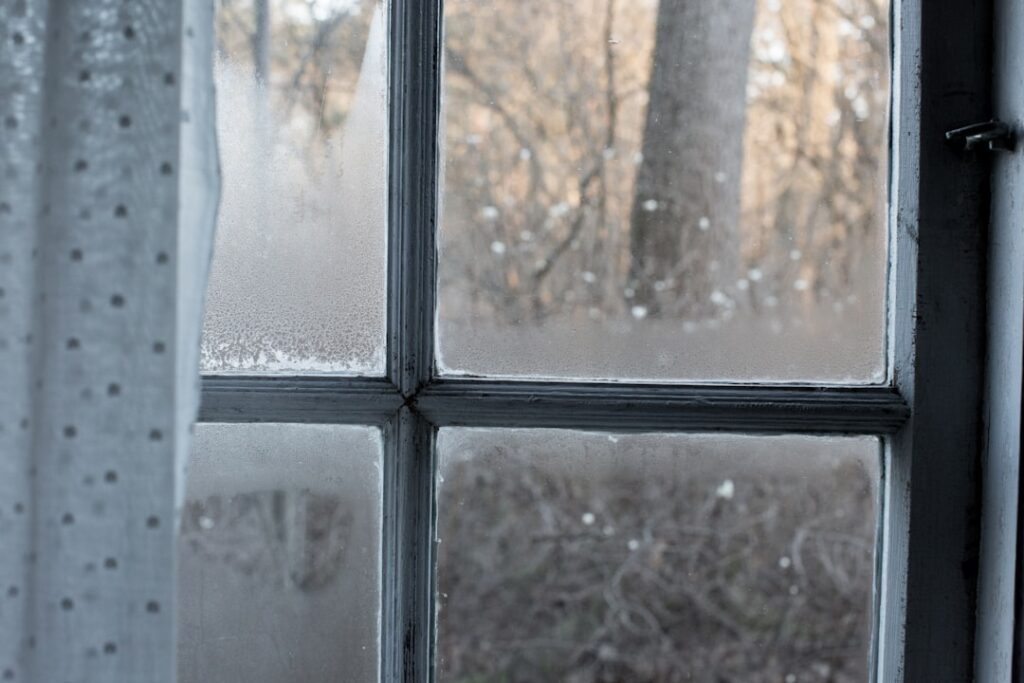
On a cold Colorado morning, the bottom edge of a window pane beaded with water is a familiar sight, and so, increasingly, is the dark speckling that creeps along the frame and sill where that water collects. Mold on windows from condensation is one of the most common moisture complaints homeowners raise during winter, and it is almost always a symptom of an indoor humidity and temperature problem rather than a defect in the window itself. This guide summarizes EPA and CDC guidance current as of 2026; it is educational only and does not diagnose any condition. Anyone with health concerns should consult a physician, and large or recurring mold problems warrant a certified professional. Front Range homes, with their cold nights and sealed-up winter interiors, are prime candidates for this exact issue.
Is this mold, asbestos, or water damage? Get a free instant screen
Upload a clear photo of the suspect area. You'll get an instant AI screening opinion and what to do next. This is screening guidance, not a professional determination.
Screening guidance only. AI can be wrong. Confirm asbestos, mold type, or lead with lab testing or a licensed professional before acting.
Why Mold Forms on Windows From Condensation
Condensation appears when warm, humid indoor air touches a cold surface. Window glass and metal or vinyl frames are usually the coldest interior surfaces in a heated home during winter, so they are where moisture in the air condenses into liquid water first. That water pools on the glass, runs down to the sill, and soaks into wood frames, paint, caulk, and accumulated dust. Mold spores, which are always present in indoor air, find that combination of moisture and organic material and begin to grow.
The science is straightforward. Air can only hold a certain amount of water vapor at a given temperature, and colder air holds less. When warm indoor air contacts cold glass, it cools, loses its capacity to hold moisture, and releases water onto the surface. The higher the indoor humidity and the colder the window, the more condensation forms. This is why the problem peaks in winter and concentrates on the coldest, least insulated windows in the house. Mold growth follows wherever that moisture lingers long enough, typically along the bottom edge, in the corners, and on the sill.
Where and Why It Shows Up Most
Certain windows and rooms condensate more than others. Bedrooms collect humidity overnight from breathing, especially with the door closed. Bathrooms and kitchens generate large amounts of moisture from showers and cooking. Single-pane or older windows, and frames with worn or failed seals, stay colder and condensate more readily than modern double-pane units. North-facing windows that get little sun warm up slowly and hold condensation longer into the day.
The growth itself usually starts as black, gray, or greenish speckles along the sill and lower frame, sometimes accompanied by the musty smell of dampness. Left unaddressed, it spreads into the caulk and can penetrate wood frames, leading to staining, deterioration, and a larger remediation job. The same condensation dynamic drives moisture problems elsewhere in the home, and the principles in our mold inspection and testing hub apply equally to windows, walls, and closets.
The Dew Point and Why Mornings Are Worst
The concept that ties window condensation together is the dew point, the temperature at which air becomes saturated and water begins to condense out of it. Every combination of temperature and humidity has a dew point. When a surface in the home drops below the air’s dew point, moisture condenses on it. Overnight, indoor air picks up humidity from breathing, plants, cooking residue, and any standing moisture, while outdoor temperatures fall and chill the windows. By early morning the glass and frame are at their coldest and the indoor air is often at its most humid, which is precisely why condensation and the mold it feeds concentrate on the lower edges of windows after a cold night.
This is also why bedrooms are frequent trouble spots. A closed bedroom door overnight traps the humidity that two sleeping people exhale, raising the room’s dew point while the window stays cold. By morning, condensation streaks the glass and pools on the sill. The practical implications follow directly from the physics: warm the surface, dry the air, or both. Raising the window’s temperature through better glazing or insulation keeps it above the dew point. Lowering indoor humidity drops the dew point below the window’s temperature. Either approach breaks the condensation cycle, and combining them is most effective in a cold climate like Colorado’s.
Condensation Versus a Window Leak
It is important to distinguish condensation from an actual leak. Condensation forms on the warm interior side of the glass from indoor humidity and is usually worst on cold mornings. A leak, by contrast, lets liquid water in from outside through failed flashing, caulk, or seals, and it often produces staining that appears after rain or snowmelt regardless of indoor humidity. The fixes differ: condensation requires humidity and temperature management, while a leak requires sealing or repairing the building envelope. Mold appearing on the exterior trim or wall below a window after storms points toward a leak; mold on the interior sill on frosty mornings points toward condensation.
How to Clean Mold off Windows Safely
For the small areas typical of window mold, generally well under the roughly ten square feet the EPA cites as a homeowner-manageable threshold, cleanup is straightforward. Wearing gloves, eye protection, and an N95 respirator, homeowners can scrub hard, nonporous surfaces like glass, vinyl frames, and painted sills with detergent and water. The EPA does not require bleach for routine mold cleanup; soap and water plus thorough drying is effective on hard surfaces. The key step many people skip is drying the area completely afterward and addressing the moisture source, because cleaning without lowering humidity simply invites the mold back within days.
Porous materials that have absorbed water and grown mold deep into the surface, such as badly affected wood frames or saturated caulk, may need to be removed and replaced rather than just wiped down. Discolored caulk that keeps regrowing mold often has to be cut out and resealed. If the wood frame is soft or stained through, that signals the moisture has been present long enough to cause real damage, and a professional evaluation makes sense.
Preventing Window Condensation and Mold
Prevention targets the two ingredients: humidity and cold surfaces. Lowering indoor humidity is the most effective single move. The EPA recommends keeping indoor relative humidity between 30 and 50 percent, and in cold weather the lower end of that range reduces condensation. Running bathroom and kitchen exhaust fans, venting the clothes dryer outdoors, using a dehumidifier, and avoiding over-humidifying with whole-house humidifiers all help. A small hygrometer reveals whether humidity is the culprit.
Improving airflow across window surfaces also helps, since moving air dries condensation before mold can establish. Opening blinds and curtains during the day lets warmth reach the glass and air circulate; heavy drapes pulled tight overnight trap a cold, humid pocket against the window. Wiping condensation off sills in the morning during cold snaps is a simple manual fix. On the temperature side, upgrading single-pane windows to insulated double-pane units, adding storm windows, or improving frame insulation raises the surface temperature and reduces condensation at its source. The same airflow and humidity logic underpins the guide on how to prevent mold in a basement, where condensation on cold surfaces is also a frequent trigger.
Health and Material Risks of Ignoring It
Window condensation mold is easy to dismiss as cosmetic, but leaving it unaddressed carries real costs. On the health side, the CDC notes that indoor mold can trigger nasal congestion, coughing, eye and throat irritation, and worsened asthma in sensitized people. A bedroom window growing mold sits a few feet from where someone sleeps for eight hours a night, so the exposure is not trivial for an allergy-prone or asthmatic occupant. Reducing that growth is a genuine indoor air quality improvement, not just an aesthetic one. Anyone experiencing persistent symptoms they suspect are linked to indoor mold should consult a physician rather than self-diagnosing.
On the building side, persistent condensation rots wood frames and sills, degrades paint and caulk, and can spread moisture into the surrounding wall, where it may feed hidden mold and damage drywall and framing. What starts as a wipeable streak on the glass can, over several winters, become a soft, stained, mold-pocked frame that needs replacement. Water also damages the window’s own components over time, potentially compromising seals on insulated units. Catching and correcting the moisture early protects both the occupants and the structure, and it is far cheaper than replacing rotted frames or remediating mold that has crept into the wall cavity.
Whole-Home Considerations
Window condensation is often a messenger for whole-home humidity that is too high. New, tightly sealed homes trap moisture that older, draftier homes used to leak out naturally. If condensation appears on many windows throughout the house, the issue is likely overall indoor humidity rather than any single window. In that case, improving ventilation across the home, adding mechanical ventilation, or running a dehumidifier addresses the root cause more effectively than treating each window individually.
Everyday habits feed indoor humidity more than most people realize. Cooking without the range hood running, taking long showers without the bathroom fan, drying laundry indoors, and keeping many houseplants all add moisture to the air. In winter, some homeowners over-run whole-house humidifiers in pursuit of comfort, pushing humidity high enough to condense on every cold surface. Dialing those sources back, running exhaust fans during and after moisture-generating activities, and resisting the urge to over-humidify often resolves window condensation without any equipment purchase. A hygrometer in the main living area provides the feedback to know whether these adjustments are working.
Colorado’s climate adds a particular twist. The state’s air is famously dry, which leads many homeowners to humidify aggressively in winter, sometimes overcorrecting to the point of creating condensation problems. The goal is balance: enough humidity for comfort and to protect wood furnishings, but not so much that it condenses on cold windows. Lowering the humidifier setting during the coldest stretches, when windows are coldest, prevents the morning condensation that feeds sill mold while still keeping indoor air reasonably comfortable through the dry season.
When to Call a Professional
Most window condensation mold is a manageable homeowner task. Professional help is warranted when mold keeps returning despite good humidity control, when it has penetrated deep into wood frames or spread into the surrounding wall, when staining suggests water is leaking in from outside, or when a household member has asthma or a weakened immune system. Persistent, widespread condensation across many windows can also indicate a ventilation or building-envelope issue that an inspector should evaluate.
A qualified inspector or remediation professional can confirm whether the problem is purely condensation or a hidden leak, measure how far the moisture has spread, and recommend whether the fix is behavioral, mechanical, or structural. For Front Range homeowners who scrub the same windowsills every winter, that diagnosis often saves money by addressing the underlying humidity or insulation problem once instead of fighting the symptom season after season.
A professional may also use tools that reveal what the eye cannot. Moisture meters quantify how wet a frame or sill actually is, and infrared cameras can show cold spots and hidden dampness within walls around windows. These assessments help distinguish a surface condensation problem that better habits will solve from a deeper issue such as failed insulation, a compromised window seal, or water tracking into the wall. Acting on that information lets a homeowner spend on the right fix, whether that is improving ventilation, replacing a failed window unit, or repairing insulation, rather than repeatedly treating the visible symptom while the underlying cause continues unchecked.
References
- A Brief Guide to Mold, Moisture and Your Home — U.S. Environmental Protection Agency
- Mold Cleanup in Your Home — U.S. Environmental Protection Agency
- About Mold — Centers for Disease Control and Prevention
- Mold and Dampness — American Lung Association
Front Range homeowners scrubbing the same windowsills every winter can connect with a vetted local inspector through our team to diagnose the underlying humidity or insulation issue. Reach out through our contact page to stop the cycle.