Black Mold on the Window Sill: Causes and Cleanup
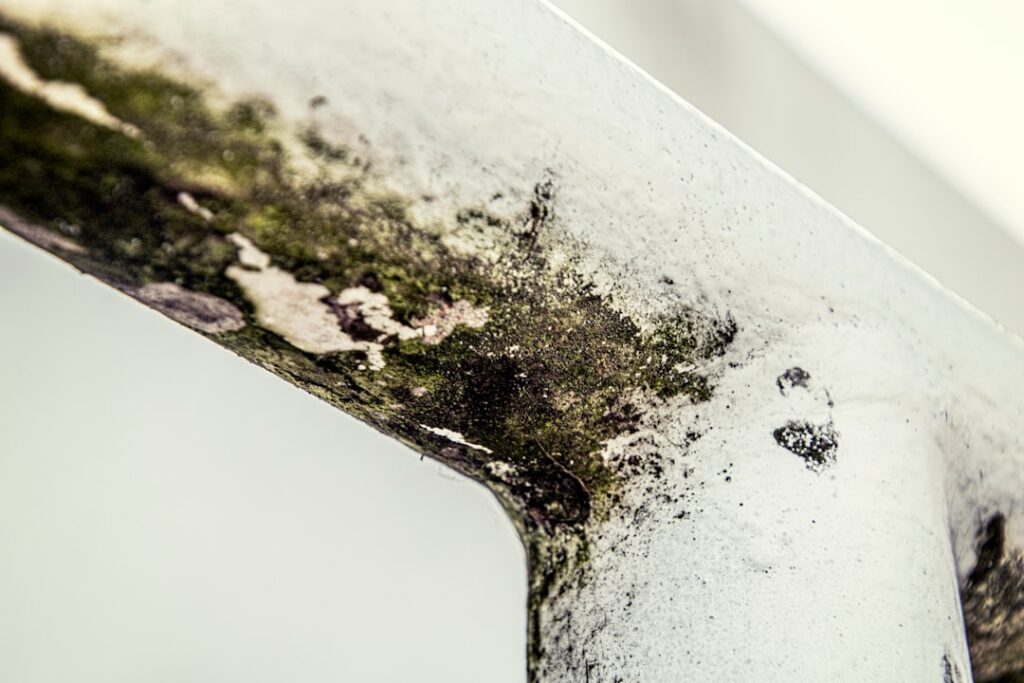
Black spotting along a window frame or pooling in the sill corners is one of the most common mold complaints homeowners report, and it usually tells a clear story: the window is collecting condensation. Black mold on a window sill is almost always a moisture problem rather than a building defect, which makes it both easy to clean and easy to prevent once you understand the cause. This guide summarizes EPA and CDC guidance current as of 2026 and is educational only; consult a physician about symptoms and a certified professional for widespread growth.
Is this mold, asbestos, or water damage? Get a free instant screen
Upload a clear photo of the suspect area. You'll get an instant AI screening opinion and what to do next. This is screening guidance, not a professional determination.
Screening guidance only. AI can be wrong. Confirm asbestos, mold type, or lead with lab testing or a licensed professional before acting.
Why black mold grows on window sills
Windows are the coldest surfaces in most rooms. In winter, warm indoor air carrying moisture hits that cold glass and frame, and the moisture condenses into water that runs down and pools in the sill. That standing water, combined with dust and organic residue that settles on the sill, gives mold everything it needs to colonize. The growth typically starts in the corners where water collects and along the bottom of the frame.
Several factors raise the risk. High indoor humidity from cooking, showering, drying laundry, or too many houseplants increases condensation. Single-pane or aging windows run colder and sweat more than modern double-pane units. Bedrooms are common hotspots because sleeping bodies add moisture overnight and the doors often stay closed. Front Range homeowners notice sill condensation most during cold snaps, when the temperature gap between indoor air and the glass is largest. If condensation is also forming inside multiple walls, the broader humidity problem is covered in our guide to mold in bathroom walls.
Is black mold on a window sill dangerous?
“Black mold” on a sill is usually Cladosporium or a similar common species rather than the publicized Stachybotrys, but the CDC’s guidance is the same regardless: remove it and fix the moisture, since the species matters less than the response. For most healthy people, the small amount of growth on a sill causes allergy-type symptoms at most, such as sneezing, congestion, itchy eyes, or a cough.
People with asthma, mold allergies, or weakened immune systems may be more sensitive, especially in a bedroom where they spend many hours each night. Infants, older adults, and the immunocompromised warrant extra caution. The growth is rarely a serious hazard on its own, but a sill that molds repeatedly indicates indoor humidity high enough to feed mold elsewhere too. Persistent respiratory symptoms should be discussed with a physician, and broader confirmation is available through our overview of how to test for mold exposure.
Condensation vs a window leak: telling them apart
Before cleaning, it pays to identify whether the moisture is condensation forming on the room side of the glass or water leaking in from outside, because the two call for completely different fixes. Condensation appears on the interior surface of the glass and frame, is worst on cold mornings, and tracks with indoor humidity; it forms evenly across the lower glass and pools in the sill.
A leak behaves differently. Leak water enters around the frame, the flashing, or a failed seal, often appears during or right after rain or snowmelt regardless of indoor humidity, and may show staining that radiates from one corner or runs down the wall below the sill rather than sitting evenly on the glass. Fogging or moisture trapped between the panes of a double-glazed unit indicates a failed window seal, a manufacturing or age issue that cleaning cannot fix. If wiping the sill each morning during cold weather keeps it dry, you have condensation and a humidity problem. If the sill gets wet after rain even when indoor air is dry, you likely have a leak that needs the frame, flashing, or seal addressed. Misreading this is the most common reason window mold keeps returning despite diligent cleaning.
How to clean black mold off a window sill
A window sill is a small, accessible surface, so cleanup is a straightforward do-it-yourself task. Open the window for ventilation, and wear gloves and an N95 mask, since scrubbing releases spores.
Step-by-step cleanup
Wipe away loose growth and any standing water with a disposable cloth first, so you are not spreading wet spores. Spray the sill and frame with distilled white vinegar or a 3 percent hydrogen peroxide solution and let it dwell for 10 to 15 minutes. Scrub with a stiff brush or old toothbrush, working into the corners and the gap between sill and frame. Wipe clean, then dry the area completely. Discard the cloths in a sealed bag. Never mix bleach with vinegar or ammonia, since the fumes are toxic.
When the sill material is damaged
Painted wood sills that have absorbed water may be stained through or soft. Surface cleaning works on intact paint, but soft, rotting wood needs repair or replacement, because mold roots survive in degraded material. Vinyl and aluminum frames clean up fully since they are nonporous. The general containment approach in our guide to cleaning mold without spreading spores applies to sills as well.
When window sill mold signals a bigger problem
Most sill mold is purely a condensation issue. But a few patterns deserve closer attention. Mold that spreads from the sill onto the wall below, soft or rotting window framing, water stains on the wall under the window, or growth that returns within days of cleaning all suggest more than surface condensation. A failed window seal, flashing leak, or water intrusion around the frame can soak the wall cavity.
If the framing is soft or the wall below shows staining, the moisture has likely moved into the structure, and that is beyond a wipe-down. In those cases a professional mold inspection with moisture metering can determine whether the wall behind the window is wet and whether the window itself is leaking. Catching a frame leak early prevents the expensive framing repairs that follow chronic intrusion.
How to stop window sill mold from coming back
Prevention targets condensation. The most effective step is lowering indoor humidity: the EPA recommends keeping relative humidity below 60 percent, and 30 to 50 percent is better in winter. Run kitchen and bathroom exhaust fans, avoid drying laundry indoors without ventilation, and use a dehumidifier in damp rooms. A small hygrometer shows whether you are in range.
Improve air circulation around windows by leaving curtains and blinds open during the day and keeping furniture from blocking airflow against the glass. Wipe condensation off sills each morning during cold weather before it pools. Upgrading single-pane windows to insulated double-pane units, or adding interior storm windows, raises the surface temperature and cuts sweating dramatically. In bedrooms, cracking the door or running a fan overnight helps disperse the moisture sleepers add. Front Range residents see the worst sill condensation during winter cold snaps, so seasonal humidity management is the durable fix, and the same moisture-control logic carries through our broader DIY mold remediation guidance.
Quick wins versus longer-term upgrades
It helps to separate the cheap immediate steps from the larger investments. The quick wins cost almost nothing: wipe sills each morning in cold weather, run a dehumidifier in the dampest rooms, vent the bathroom and kitchen when generating steam, open blinds during the day, and stop drying laundry indoors without ventilation. Many homeowners see sill condensation drop sharply from these habits alone, since most winter window sweating is simply too much indoor moisture meeting cold glass.
The longer-term upgrades address the cold surface itself. Replacing single-pane windows with insulated low-emissivity double or triple glazing raises the interior glass temperature well above the dew point, so condensation rarely forms. Where full replacement is not in the budget, interior storm windows, insulating cellular shades left slightly open at the edges for airflow, and improved weatherstripping all help. Adding a whole-home ventilation strategy or a heat-recovery ventilator manages humidity across the house rather than room by room. Sealing air leaks elsewhere and ensuring the home is not over-humidified by a furnace humidifier set too high also matter. Pairing the free habits with one targeted upgrade usually ends recurring sill mold for good.
Why bedrooms get the worst window sill mold
Homeowners often notice that bedroom windows mold more than windows elsewhere, and the reasons are instructive. People release a surprising amount of moisture overnight through breathing and perspiration, and a closed bedroom door traps that humidity in a small space for eight or more hours. With the heat sometimes turned down at night, the window glass runs colder, so the gap between humid room air and cold surface widens, driving heavier condensation onto the sill by morning.
Several common bedroom habits make it worse. Heavy curtains drawn across the window trap a pocket of still, humid air against the cold glass, exactly the condition condensation needs; pulling curtains back during the day and leaving an air gap helps. Furniture pushed against an exterior wall under the window blocks airflow and creates a cold, stagnant zone. Houseplants, aquariums, and humidifiers add moisture to a room that is already humid from sleeping occupants. The fixes are simple: crack the bedroom door or run a quiet fan overnight to disperse moisture, avoid over-humidifying, keep curtains from sealing against the glass, and wipe the sill in the morning during cold spells. Because occupants spend many hours breathing this air, keeping a bedroom window dry is worth the small effort, especially for anyone with allergies or asthma.
What window sill mold can do to the window and wall
Left unaddressed, sill condensation and the mold it feeds do more than look unpleasant; they slowly damage the window and the structure around it. Painted wood sills absorb the standing water, and over repeated seasons the paint peels, the wood swells, softens, and can eventually rot, turning a cleaning problem into a carpentry repair. The joint between sill and frame is a common place for water to wick into the wall below.
If condensation is heavy and persistent, water can migrate past the sill into the wall cavity, where it feeds hidden mold and degrades drywall and framing out of sight. Fogging between the panes of a double-glazed unit signals a failed seal that no cleaning fixes and that reduces the window’s insulating value, making the glass even colder and the condensation worse in a self-reinforcing cycle. Metal and vinyl frames resist rot but can still channel water into the surrounding wall. Catching and correcting the moisture early, by lowering humidity, improving airflow, or upgrading the glazing, protects not just the sill surface but the window unit and the wall behind it, which are far more expensive to repair than a sill is to wipe.
References
- A Brief Guide to Mold, Moisture and Your Home — U.S. Environmental Protection Agency
- About Mold and Your Health — Centers for Disease Control and Prevention
- Update or Replace Windows — U.S. Department of Energy
If a Front Range window keeps growing mold and you suspect a frame leak rather than simple condensation, connect with a vetted local inspector through our contact page to check the wall behind it.