Black Mold On Window: What Homeowners Need to Know
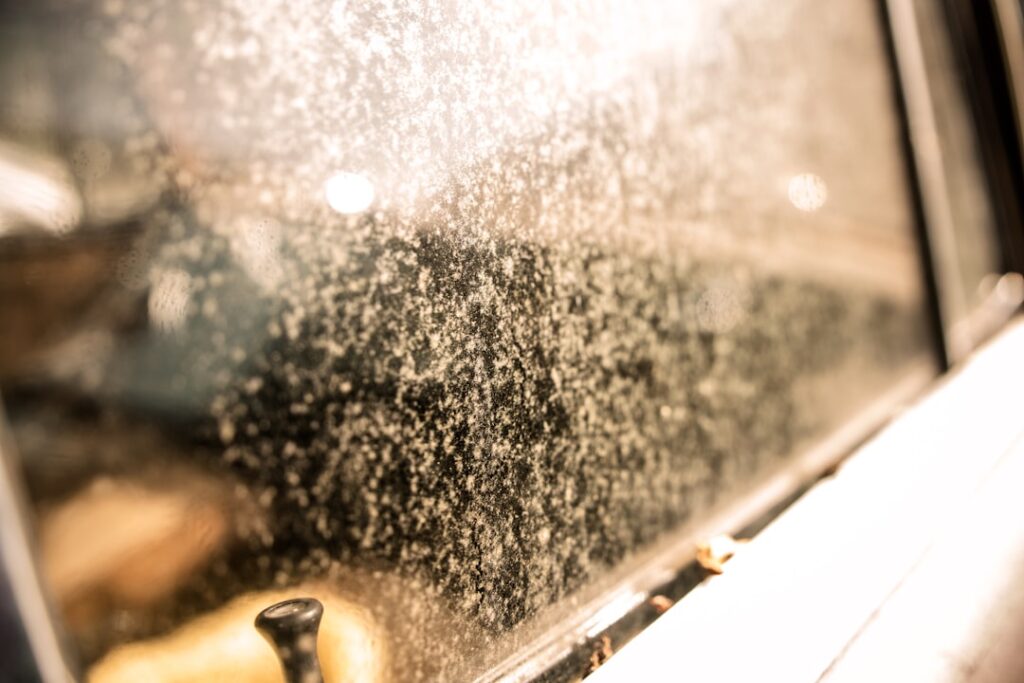
Few mold problems are as visible, or as seasonal, as the dark growth that creeps along a window frame and sill in winter. Black mold on window glass and frames is almost always a condensation story: warm indoor air meets cold glass, water beads up, and that moisture pools on the frame and sill where mold takes hold. The growth itself is the easy part to clean; stopping the condensation that feeds it is the part that lasts. Once you understand why the window sweats, the seasonal cycle of cleaning and regrowth becomes preventable. This guide summarizes EPA and CDC guidance current as of 2026 and is educational only; consult your physician for health symptoms and a certified professional for testing or remediation decisions.
Is this mold, asbestos, or water damage? Get a free instant screen
Upload a clear photo of the suspect area. You'll get an instant AI screening opinion and what to do next. This is screening guidance, not a professional determination.
Screening guidance only. AI can be wrong. Confirm asbestos, mold type, or lead with lab testing or a licensed professional before acting.
Why Black Mold Grows on Windows
Black mold on a window forms because the window is the coldest surface in the room and indoor humidity condenses there. When warm, moist household air touches cold glass and frames, especially on winter nights, it reaches the dew point and leaves liquid water. That water sits on the sill, in the frame corners, and along the gasket, giving mold the steady moisture it needs to grow.
The EPA frames mold as a moisture problem, and windows make the point vividly. The same window that is bone dry all summer can grow mold every winter as soon as the condensation returns, because the only variable that changed is the temperature of the glass. The color does not identify the species, and naming it rarely changes the response, which is to remove the growth and stop the moisture.
The location of the worst growth tells you where the air stalls and the glass runs coldest. Bottom corners, behind blinds, and along the sill collect both the most condensation and the least air movement, which is why mold so often starts there before spreading along the frame.
What Drives Window Condensation
A handful of factors push windows into condensation, and they often stack together.
High indoor humidity
Cooking, showering, drying laundry indoors, and running humidifiers all raise indoor moisture. The more humid the room, the more readily the windows sweat, and the more mold has to feed on.
Poor air circulation
Closed bedroom doors, blocked vents, and heavy curtains trap moist air against the glass. Corners and the area behind blinds are common starting points because air stalls there and the surface stays both cold and damp.
Single-pane or failing windows
Older single-pane windows and units with failed seals run colder than modern double-pane glass, so they condense more heavily. Upgrading reduces, though does not always eliminate, the problem.
Bathroom and kitchen windows
Windows in high-moisture rooms see the worst of it because the room itself generates so much humidity. Our guide to black mold around windows covers the surrounding-drywall and trim version of this issue.
Is Mold on a Window a Health Risk?
Window mold is usually a small area, but it still warrants care. The CDC reports mold exposure can cause nasal congestion, throat irritation, coughing, and stronger reactions in people with asthma, mold allergies, or weakened immune systems. Bedrooms are a particular concern because occupants spend long hours sleeping close to the window and breathing the air around it.
The growth on glass and a non-porous frame is straightforward to remove. The risk grows if it spreads onto the surrounding drywall, wood trim, or fabric curtains, which are porous and harder to clean, and which can hold mold the eye does not see. The volume of mold matters as well; a few specks in a corner is a far smaller exposure than a frame heavily colonized along its entire length, and a window that sweats and molds every winter delivers a recurring exposure rather than a one-time one. If anyone has unexplained respiratory symptoms that ease away from the bedroom, the CDC advises consulting a physician rather than self-diagnosing from the mold.
For children’s rooms and the rooms of anyone with allergies or asthma, treating window mold promptly is especially worthwhile, since the exposure is concentrated where they sleep.
How to Clean Black Mold Off a Window
Window mold on glass and non-porous frames is one of the more cleanable mold problems, since the surface does not absorb the way drywall does.
Put on an N-95 respirator, gloves, and goggles, and open the window or ventilate the room. Wipe the glass, vinyl, or metal frame and sill with a detergent solution or white vinegar, scrubbing the frame corners and the gasket where mold likes to hide, then dry completely. The EPA does not recommend bleach for routine cleanup, and on a vinyl or wood frame it can do more harm than good while not reaching any embedded growth.
If the mold has spread onto wood trim that has softened, or onto the drywall around the window, those porous materials may need more than wiping; badly affected sections should be cut out and replaced per EPA guidance. Pay attention to fabric curtains and blinds, which can harbor mold and may need laundering or replacement, since they will otherwise reseed the window after you clean it.
The Front Range Winter Pattern
Colorado’s cold, dry winters create a textbook condensation setup. Outdoor temperatures plunge while homes are heated and sometimes humidified, so the temperature gap across the window glass is large. Across Denver, Boulder, and Jefferson counties, window mold is a recurring winter complaint even though the outdoor air is extremely dry.
Homes that run humidifiers to fight the dry Front Range air can inadvertently push indoor humidity high enough to soak the windows, trading dry skin for wet sills. If window mold returns every winter, lowering indoor humidity and improving airflow usually solves it without touching the windows themselves. The broader mold inspection and testing hub explains how persistent condensation can signal larger envelope or humidity issues worth checking, particularly when many windows sweat at once.
When Window Mold Points to a Bigger Problem
Most window mold is a straightforward condensation issue, but a few patterns suggest looking deeper. If mold and water staining appear around a window after rain or snowmelt rather than only on cold mornings, the window may be leaking water into the wall rather than simply condensing, which is a repair issue rather than a humidity one. Peeling exterior or interior paint, swollen trim, and staining that tracks downward from the frame all hint at a leak.
If condensation soaks the window heavily enough to wet and mold the surrounding drywall, the moisture has moved beyond a cleanable surface into porous material that may need removal. Widespread window condensation throughout the house, meanwhile, points to a whole-home humidity problem rather than a single bad window.
Distinguishing a leak from condensation matters because the fixes differ entirely. Watching how the mold behaves across a wet week versus a cold dry week usually reveals which one you are dealing with, and a moisture meter can confirm whether the wall around the window is wet inside.
The Role of Window Treatments and Furniture
What sits near a window influences how much it sweats and molds, a detail many homeowners overlook. Heavy curtains drawn closed over a cold window trap a pocket of still, humid air against the glass, and that stagnant layer condenses and stays damp longer than an exposed sill would. The same window can be mold-free with the curtains open and moldy with them closed all winter.
Furniture pushed tight against a window wall has a similar effect, blocking air movement and keeping the surface cool and damp. Bedrooms are a frequent offender, where a headboard or dresser against an exterior window wall creates exactly the stalled, humid conditions mold prefers.
The remedy is simple and free: let air reach the glass. Pull curtains back during the day, leave blinds slightly open, and keep a small gap between large furniture and a cold window wall. In rooms where this is not practical, a small fan or improved ventilation can keep the air near the window moving enough to discourage condensation from settling into mold.
Preventing Window Mold Every Winter
The fix is moisture and airflow management. Keep indoor relative humidity in a comfortable but lower range in winter, well under the EPA’s 60 percent ceiling, and lower still during cold snaps when the glass runs coldest and sweats most. Run bathroom and kitchen exhaust fans, and avoid drying laundry indoors, which dumps moisture into the air.
Improve circulation by cracking interior doors, pulling curtains back at night, and keeping blinds slightly open so air reaches the glass and the surface does not stay both cold and still. Wipe morning condensation off sills before mold can start. If you have single-pane or seal-failed windows, upgrading or adding storm windows reduces how cold the surface gets and how much it condenses. Treat persistent window mold as a humidity signal for the whole house, not just a window to scrub each season.
Managing Indoor Humidity in a Dry Climate
It feels counterintuitive to fight indoor humidity in a place as dry as the Front Range, but winter window mold is precisely a humidity problem in disguise. Many Colorado homeowners run humidifiers to ease dry skin, static, and sinuses, and a humidifier set too high can push indoor moisture to the level where every cold window sweats. The comfort upstairs becomes mold on the sills.
The balance to aim for is comfort without condensation. A whole-home or room humidifier should be dialed back during cold snaps, when the glass runs coldest and condenses most readily, even if that means slightly drier air for a few days. A simple hygrometer near the windows shows whether indoor humidity is climbing into the condensation zone.
Everyday moisture sources add up alongside any humidifier. Showering without running the exhaust fan, boiling water uncovered, and drying laundry on indoor racks all raise humidity that ends up on the coldest surface in the house. Trimming those sources, and venting the ones you cannot avoid, keeps the windows below the dew point and the mold from returning, which is often a more comfortable fix than constantly wiping sills.
A Morning Habit That Stops Window Mold
One small daily routine prevents most winter window mold, and it costs nothing. On cold mornings when condensation has collected overnight, wipe the glass, sill, and frame dry with a cloth before leaving the room. Removing that water before it has hours to sit denies mold the standing moisture it needs to take hold, and it takes under a minute per window.
This habit matters most in bedrooms, where windows close up overnight, humidity from sleeping occupants builds, and the glass runs coldest just before dawn. Catching the condensation each morning through the coldest weeks of winter often eliminates the seasonal mold entirely without any other change.
Pair the wiping with airflow and humidity control for the best result. Cracking the door, opening blinds, and keeping indoor moisture in check reduce how much condensation forms in the first place, while the morning wipe handles whatever still appears. Together they turn a window that molded every winter into one that stays clean, and they make any lingering problem easy to spot before it spreads to the trim or drywall.
References
- Mold Cleanup in Your Home — U.S. Environmental Protection Agency
- A Brief Guide to Mold, Moisture and Your Home — U.S. Environmental Protection Agency
- About Mold — Centers for Disease Control and Prevention
If window mold keeps returning each winter and you suspect a broader humidity or envelope issue in your Front Range home, get in touch through our contact page to connect with a vetted local inspector.