Black Mold on Vents: Causes, Cleanup, and Prevention
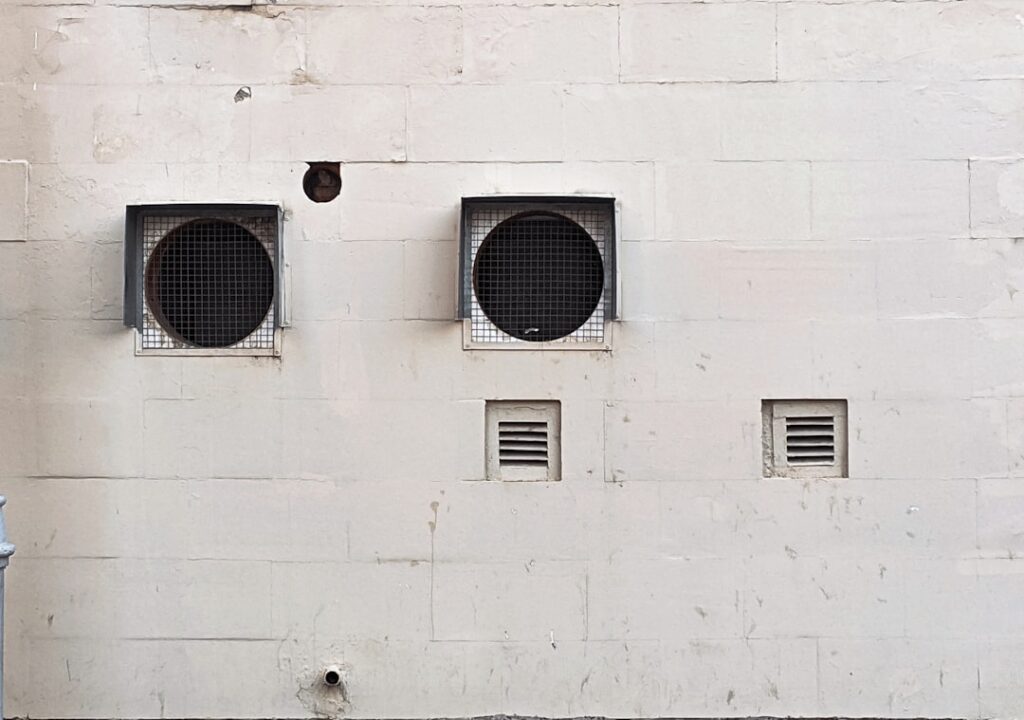
Dark spotting around supply registers and return grilles is a frequent complaint, and black mold on vents usually means cool, conditioned air is meeting warm, humid air and condensing right at the opening. Because the HVAC system moves air through the whole house, mold at the vents raises a reasonable worry about what might be inside the ducts. The visible growth on the register is cleanable, but the cause behind it deserves attention. This guide summarizes EPA and CDC guidance current as of 2026; it is not medical advice, and anyone with symptoms should consult a physician while a certified professional handles deeper HVAC contamination.
Is this mold, asbestos, or water damage? Get a free instant screen
Upload a clear photo of the suspect area. You'll get an instant AI screening opinion and what to do next. This is screening guidance, not a professional determination.
Screening guidance only. AI can be wrong. Confirm asbestos, mold type, or lead with lab testing or a licensed professional before acting.
Why Black Mold Appears on Vents
The pattern almost always comes down to condensation. When cold air from an air conditioner exits a metal register surrounded by warmer, more humid room air, moisture condenses on the cooler vent surface. That film of water plus the dust that settles on registers gives mold everything it needs. The same happens in reverse around poorly insulated supply boots in humid weather.
Seasonality offers a clue to the cause. Vent mold that appears or worsens in summer, when the air conditioner runs hardest and the temperature gap between conditioned air and room air is widest, points strongly to condensation at the register. Growth that persists year-round or worsens in humid shoulder seasons suggests a steadier moisture source, such as a chronically damp duct run or high indoor humidity. Noting when the problem shows up helps you and any technician zero in on whether you are fighting summer condensation, a duct issue, or a household humidity problem.
Mold confined to the visible face of a register is often a surface and humidity issue you can clean and prevent. Mold inside the duct, on the insulation lining, or in the air handler is a bigger problem that spreads spores throughout the home. The EPA notes that color does not identify the species, and the mold inspection and testing hub explains why distinguishing surface growth from in-system contamination matters for the fix.
Is It Mold or Just Dust?
Not every dark smudge on a vent is mold. Registers collect airborne dust and soot that can look similar at a glance. Mold tends to be fuzzy or slimy, often with a greenish or speckled cast, may smear when wiped, and is usually accompanied by a musty smell. Dust is dry, powdery, and odorless, and wipes away cleanly without staining.
A simple check helps: dust comes off with a dry cloth, while mold leaves a stain and returns in the same damp spot. Our comparison of black mold versus dust on air vents walks through the visual and smell cues in detail, since misidentifying dust as mold leads to unnecessary worry, and missing real mold lets it spread.
How to Clean Black Mold From Vents Safely
Surface mold on register covers is a small-area, DIY-scale job. Turn off the HVAC system so you are not circulating spores while you work, and wear an N95 respirator, gloves, and goggles.
Remove and Wash the Register
Unscrew the metal or plastic register cover and take it outside or to a sink. Scrub both faces with a detergent solution or white vinegar, rinse, and dry completely before reinstalling.
Wipe the Accessible Duct Opening
With the register off, wipe the visible portion of the duct boot you can reach with a damp cloth and detergent. Do not push deep into the duct; if mold extends beyond arm’s reach into the ductwork, that is outside the scope of homeowner cleaning.
Dry and Reassemble
Let everything dry fully, then reattach the register. Avoid spraying liquid into the duct, which adds moisture the system will struggle to dry.
When Mold Is Inside the Ductwork or Air Handler
If you see growth extending into the ducts, find mold on the insulation lining, or notice a musty smell that gets stronger when the system runs, the problem is in the HVAC system rather than just on the vent face. Porous duct insulation that has grown mold generally cannot be cleaned effectively and must be removed and replaced, and the air handler, coil, and drain pan may all need attention.
This is not a DIY task. The same logic that applies to black mold in an air conditioner applies here: the cooling coil and condensate pan are a common moisture source, and clearing them requires HVAC service. Running a contaminated system spreads spores through every room it serves, so address it before continuing normal use where possible.
Preventing Mold From Returning to Vents
Controlling condensation is the key. Keep indoor humidity in the EPA’s recommended 30 to 50 percent range, using a dehumidifier in damp seasons. Make sure supply boots and ducts in unconditioned spaces like attics and crawlspaces are properly insulated so their surfaces do not drop below the dew point.
Maintain the HVAC system: change filters on schedule, keep the condensate drain clear so water does not back up at the coil, and have the system serviced annually. Dust registers regularly so there is less organic material for any condensation to feed. In Colorado’s typically dry climate, recurring vent mold often points to a specific humidity source, such as an oversized air conditioner short-cycling or a clogged condensate line, rather than ambient air, so tracking that down ends the cycle.
Filter quality and fit matter more than many homeowners realize. A filter that is too restrictive for the system, or one installed backward or with gaps around the edges, lets dust bypass it and settle in the ducts where it feeds mold. Choose a filter with a MERV rating the system is designed to handle, seat it snugly, and replace it on schedule, more often during heavy-use seasons. Sealing leaky duct joints in unconditioned attics and crawl spaces also reduces the condensation that drives vent mold, because sealed, insulated ducts stay closer to the air temperature inside them and do not sweat. These maintenance details are unglamorous but they address the dust-and-condensation pairing that mold needs.
Why Vent Mold Is a Whole-House Concern
Mold at a single bathroom register feels like a localized nuisance, but the HVAC connection makes it different from mold on a wall or in a shower. The system circulates air through every room it serves, so growth at the registers, and especially inside the ducts or air handler, can distribute spores throughout the home each time the blower runs. That is why a musty smell tied to system operation deserves prompt attention rather than a wait-and-see approach.
The same airflow that spreads the problem also makes the cause systemic. High indoor humidity, an oversized or short-cycling unit, a clogged condensate drain, or poorly insulated ducts affect the whole system, not just one register, which is why mold often appears at several vents at once. Treating one register while ignoring the underlying humidity or drainage issue leaves the rest of the system primed to grow the same mold. Approaching vent mold as a whole-house air-quality and moisture question, rather than a spot to wipe, is what produces lasting results and protects the air everyone in the home breathes.
Supply Vents Versus Return Vents
Where the mold appears in the system tells you something about the cause. Supply registers blow conditioned air into rooms, so mold around them usually reflects condensation at the cold register face or growth pushed out from the supply duct. Return grilles pull room air back to the air handler, so mold there can reflect humid household air, dust loading, or growth in the return path and filter area.
Mold concentrated at supply registers points toward condensation and possibly coil or supply-duct issues, while mold at returns points toward filtration and household humidity. The filter sits in the return path, so a neglected, dust-loaded filter near a moldy return is a common pairing. Reading which vents are affected helps you and any technician focus on the right part of the system rather than treating every register identically. In both cases, controlling humidity and keeping the air handler and coil clean addresses the root condition.
Health and Air Quality at the Vents
Mold at the vents sits directly in the path of the air your household breathes, which is what makes it worth addressing promptly rather than ignoring as cosmetic. The CDC and EPA describe consistent indoor mold effects, nasal congestion, coughing, wheezing, and eye, throat, or skin irritation, with stronger reactions in people who have asthma, mold allergies, or weakened immune systems. When the source is the HVAC system, the blower can carry spores into every served room, so symptoms may not be limited to the area with visible growth.
A telling pattern is symptoms that flare when the system runs and ease when it is off or when occupants leave the home. That connection points toward the HVAC as a source and reinforces the value of cleaning the system rather than just the register face. Anyone with persistent respiratory symptoms should consult a physician rather than self-diagnose from a vent, but the practical home response is the same: remove the visible growth, address any in-system contamination, and control the humidity and condensation feeding it, so the air moving through the registers stays clean.
Should You Have the Ducts Cleaned?
Duct cleaning is frequently oversold, and the EPA’s position is measured: it does not recommend routine duct cleaning, but it does support cleaning when there is visible mold growth inside the ducts or on other HVAC components, when ducts are infested with vermin, or when they are clogged with debris that is entering the living space. Mold in the system is one of the specific situations where cleaning is justified.
If you decide to have ducts cleaned for mold, choose a contractor who will show you the growth, address the moisture source, and replace, rather than just clean, any porous duct insulation that has mold on it. Cleaning the ducts without correcting the condensation or drainage that caused the mold simply resets the clock. Be wary of low-priced offers that promise to fix mold with a quick vacuuming, since durable results require fixing the moisture and properly handling contaminated components, not just running a brush through the metal.
When to Call a Professional
Call a professional when mold extends into the ductwork beyond the register, when it appears on duct insulation, when a musty smell intensifies with system operation, when growth recurs after cleaning, or when household members have asthma, allergies, or weakened immunity. HVAC contamination is one scenario where the EPA suggests professional involvement, because cleaning ducts and replacing moldy insulation requires specialized equipment.
A qualified inspector or HVAC professional can determine whether the mold is limited to register surfaces or has reached the system interior, identify the condensation or drainage source, and recommend cleaning or component replacement. That keeps a quick register wipe from masking a contaminated system that recirculates spores all day.
One practical step before you call anyone: turn the system off and pop off a register cover to look as far into the duct boot as you safely can with a flashlight. Clean metal a foot or two into the duct, with growth only on the register face, suggests a surface and condensation issue you can manage. Visible fuzzy growth continuing into the duct, or mold on soft duct insulation, tells you the contamination has reached the system interior and a professional is warranted. That two-minute look often answers whether you are facing a wipe-down or a service call, and it gives any technician you hire a useful starting description.
References
- Should You Have the Air Ducts in Your Home Cleaned? — U.S. Environmental Protection Agency
- About Mold and Health — Centers for Disease Control and Prevention
- Mold Cleanup in Your Home — U.S. Environmental Protection Agency
If mold keeps appearing at your vents or you suspect it is inside the ducts along the Front Range, connect with us through our contact page to reach a vetted inspector who can assess the system.