How Much to Remove Black Mold: A Plain-Language Guide
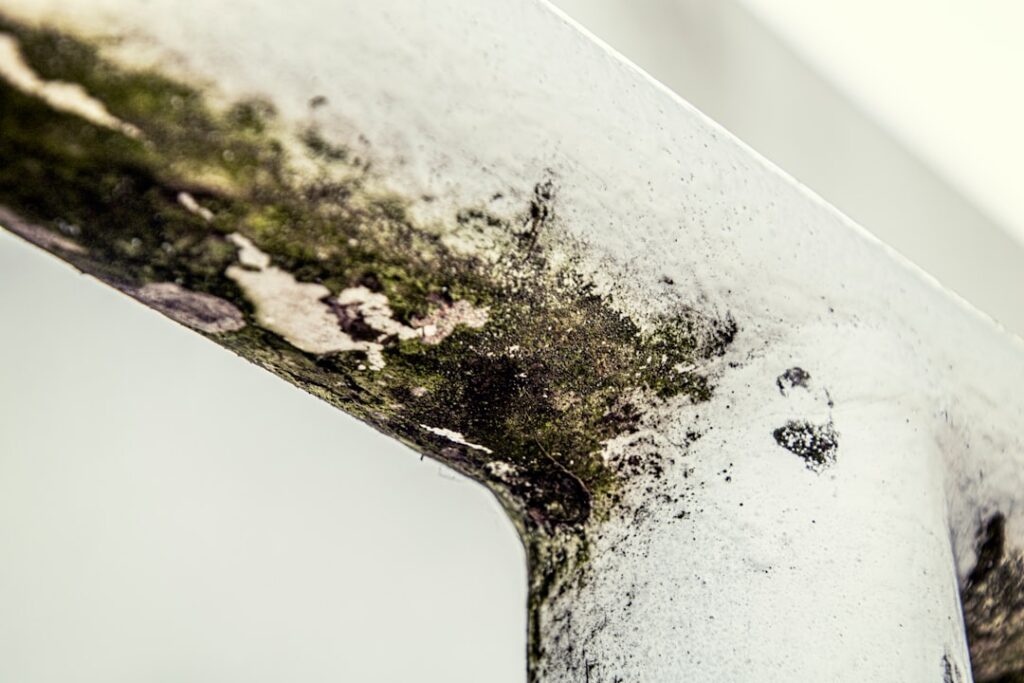
The cost of black mold removal is the question that follows almost every discovery of dark growth on a wall or in a basement, and the honest answer is a wide range rather than a single figure. How much it costs to remove black mold depends on the size of the affected area, where it is located, what materials are involved, and whether structural repair follows. Understanding those drivers lets homeowners read estimates critically and budget with confidence. This guide summarizes EPA, CDC, and industry cost guidance current as of 2026 and is educational only; obtain written quotes from licensed professionals for your home.
Part of our Black Mold & Your Health guide — start there for the full picture →
Is this mold, asbestos, or water damage? Get a free instant screen
Upload a clear photo of the suspect area. You'll get an instant AI screening opinion and what to do next. This is screening guidance, not a professional determination.
Screening guidance only. AI can be wrong. Confirm asbestos, mold type, or lead with lab testing or a licensed professional before acting.
How Much Does It Cost to Remove Black Mold?
Industry estimates commonly place residential black mold removal between roughly $1,200 and $3,500 for a typical project. Small contained jobs on hard surfaces can run a few hundred dollars or be handled by a homeowner under EPA guidance, while extensive contamination involving multiple rooms, structural damage, or flooding can exceed $10,000 to $15,000 once reconstruction is included.
These are ranges, not quotes. The figure for any given home depends on the variables below, and the only reliable number comes from an in-person assessment and a written, itemized estimate. The wide spread reflects how differently a small bathroom patch and a flooded basement are handled. Related context on how pricing is structured appears in guidance on mold remediation cost per square foot.
What Drives Black Mold Removal Costs
Area size is the foundational driver: more contaminated square footage means more labor, containment, and disposal. Location is next — mold in an accessible bathroom is far cheaper to address than mold inside a wall, an attic, a crawl space, or beneath a slab, where access alone adds hours.
Material type is decisive. Cleaning hard, non-porous surfaces is inexpensive, while removing and replacing saturated drywall, insulation, carpet, and flooring multiplies the cost. Severity of moisture damage, the need for structural drying, HVAC involvement, and any sewage or flood contamination all push the figure upward. Each factor compounds the others.
Cost by Project Size
Small jobs under about 10 square feet on hard surfaces often fall in the low hundreds of dollars, and the EPA notes homeowners can frequently handle them safely for the cost of supplies. Mid-size projects — one room, some porous material removal, and containment — commonly land between $1,500 and $4,000.
Large jobs such as whole-basement contamination, multiple affected rooms, or post-flood remediation frequently exceed $6,000 and can climb past $15,000 with reconstruction. Crawl-space and attic work tends to cost more than equivalent square footage in living space because of difficult access. These tiers help homeowners judge whether an estimate fits the scope described to them.
Inspection and Testing Costs
Many removals begin with an inspection, commonly $300 to $600, and sometimes laboratory testing that adds fees. The EPA states that visible mold does not require testing to justify removal, so testing is most useful for documentation, locating hidden contamination, or verifying that a job succeeded.
Post-remediation clearance testing by an independent assessor is a separate cost worth considering on larger or health-sensitive projects, since it confirms the area meets acceptable conditions before reconstruction begins. Homeowners can review what these evaluations involve in guidance on mold assessments, which clarifies when testing adds genuine value.
The Cost of Doing It Yourself
For a small patch on a hard surface, DIY removal is inexpensive — detergent, gloves, an N95 respirator, and eye protection cost little, and the EPA endorses homeowner cleanup under about 10 square feet. The savings are real for genuinely small, surface-level problems on non-porous materials.
DIY becomes a false economy when the mold is embedded in porous materials, covers a large area, or hides a moisture source. Cleaning the surface without removing affected drywall or fixing the leak leads to recurrence, and the second attempt — now possibly with spread contamination — can cost more than hiring a professional initially. The realistic boundaries appear in guidance on getting rid of black mold in a house.
Does Insurance Cover Black Mold Removal?
Coverage hinges on the cause. Many homeowner policies cover mold removal when it results from a sudden, covered event such as a burst pipe, but exclude mold from long-term neglect, gradual leaks, or flooding without separate flood insurance. Mold-specific coverage caps are common and may limit payouts to a few thousand dollars even when a claim is covered.
Documentation strengthens any claim: photographs, the inspection report, moisture readings, and itemized invoices help establish cause and scope. Homeowners should review their policy language and contact their insurer early, because the line between a sudden covered event and chronic, excluded moisture often determines whether removal costs are reimbursed.
How to Budget and Compare Estimates
Start with a professional assessment to define the true scope, since visible mold understates the problem more often than it overstates it. Then collect at least three written estimates that itemize containment, removal, drying, disposal, moisture-source repair, and reconstruction so the bids can be compared line by line rather than by total alone.
Treat estimates dramatically below the others with caution; they often reflect skipped containment, ignored moisture repair, or undisclosed reconstruction costs. A complete estimate that addresses the water source and includes verification may cost more upfront but delivers a durable result. The broader mold inspection and testing hub helps homeowners decide which services a situation actually requires.
Why an Inspection Is Worth the Cost
Paying $300 to $600 for an inspection before committing to removal can feel like an avoidable expense, but it frequently saves far more than it costs. Visible mold understates the true scope more often than it overstates it, and an assessor using moisture meters and infrared imaging can reveal hidden contamination behind walls or under floors that a removal crew would otherwise discover mid-job, when a change order inflates the bill. Defining the real extent upfront lets a homeowner gather accurate, comparable estimates rather than guesses.
The inspection also pinpoints the moisture source, the single factor that determines whether a remediation lasts. A documented assessment supports an insurance claim and gives the homeowner an objective basis to judge contractor bids against the actual problem. For anything beyond an obvious small surface patch, the inspection turns an uncertain, open-ended project into a defined scope with a defensible price.
Cost by Location Within the Home
Where the mold sits influences the bill nearly as much as how much there is, because access drives labor hours. Mold on an accessible bathroom or bedroom wall is quick to reach, contain, and treat, holding costs toward the lower end. The same square footage inside a wall cavity, an attic, a crawl space, or beneath a slab costs considerably more, since a crew spends hours simply opening up and working in cramped, awkward conditions before any removal begins.
Specific locations carry predictable premiums. Crawl-space and attic remediation run higher per square foot than open living space because of the difficult footing, limited headroom, and protective measures those tight areas require. Mold in HVAC ductwork adds duct cleaning and sometimes component replacement, and because the system reaches the whole house, contamination there can expand the scope dramatically. Mold beneath flooring or behind built-in cabinetry brings demolition and reconstruction a simple wall does not. Two jobs of identical size can land far apart on price purely because of where the growth is hiding.
Stopping Costs From Escalating
The single most effective way to keep black mold removal affordable is speed, because cost scales with both the spread of the contamination and the damage the underlying moisture causes over time. A leak addressed within a day or two is a small cleanup; the same leak ignored for a month can mean removing saturated drywall, replacing rotted framing, and remediating spread contamination — a different order of expense. Acting at the first sign of a musty odor, a stain, or visible growth keeps a problem on the cheap side of that curve.
Other savings come from coordination, not corner-cutting. Handling a genuinely small surface patch within the EPA’s roughly 10-square-foot guidance avoids a service call for a minor issue. Fixing the moisture source promptly prevents the recurrence that doubles costs, and moving belongings out of the work area yourself trims billable labor hours. What should never be cut to save money is containment, removal of porous materials, or moisture correction, because those are the steps that make the result last. Real cost control targets efficiency and early action, not the elements that determine whether the mold stays gone.
Cost by Type of Material Involved
What the mold is growing on shapes the bill as much as how much there is, because materials fall into two cost worlds: those that can be cleaned and those that must be removed and replaced. Hard, non-porous surfaces — tile, glass, sealed concrete, metal — are cleaned in place, keeping that portion of the job inexpensive. Porous materials are the cost multiplier. Saturated drywall, insulation, carpet and padding, and ceiling tile cannot be cleaned of embedded growth and are cut out, bagged, hauled away, and then replaced, adding demolition, disposal, and reconstruction to the labor of removal alone.
Structural wood occupies a middle ground. Framing and subfloor that are structurally sound can often be cleaned and HEPA-vacuumed rather than replaced, but wood that has decayed must be reinforced or rebuilt by a carpenter, a separate and sometimes substantial cost. This is why two jobs of identical square footage can differ sharply in price: a moldy tile wall is a cleaning task, while the same area of saturated drywall over rotted studs becomes removal, structural repair, and reconstruction stacked together.
Why Removal Costs Vary by Region
The same scope of black mold removal does not cost the same everywhere, and regional factors explain much of the spread within national ranges. Local labor rates are the biggest driver — a job in a high-cost metro can run well above the same work in a lower-cost area purely on wages. Climate plays a role too: in humid regions, contamination tends to be larger and drying takes longer and demands more dehumidification, pushing costs up, while in the dry Front Range a problem often traces to one localized source and dries quickly, trimming the drying days that add to a bill.
Disposal fees, permit requirements, and the prevalence of certain construction types also shift pricing. Areas with many crawl-space or basement homes see more of the difficult-access work that costs more per square foot than open living space. Because of this variation, national averages are only a rough guide; the figure that matters for any homeowner comes from local, in-person estimates that reflect regional labor, climate, and the specific construction of the home.
What the Quote Includes and What Comes Separately
A frequent source of sticker shock is discovering that the remediation quote did not cover the whole job. Mold removal estimates typically include assessment, containment, removal of contaminated materials, cleaning of salvageable surfaces, drying, and disposal. What is often quoted separately — or by a different trade entirely — is the moisture-source repair (a plumber, roofer, or waterproofing contractor), any structural repair to decayed wood, and the reconstruction that puts new drywall, paint, trim, and flooring back in place.
Reading an estimate with this in mind prevents misjudging the true cost. A homeowner comparing a remediation-only quote against one that bundles reconstruction is not comparing equivalent figures. The most useful approach is to ask each contractor exactly where their scope ends, who handles the moisture repair and the rebuild, and how a change order works if opening a wall reveals more contamination. Clear boundaries on paper turn a confusing collection of numbers into a complete, comparable picture of what the project will actually cost.
When to Call a Professional
Professional removal is warranted when black mold exceeds about 10 square feet, involves porous structural materials or HVAC systems, follows flooding or sewage, keeps returning, or affects a home with sensitive occupants. The CDC advises vulnerable individuals avoid the work area, and large jobs require equipment most homeowners lack.
Beyond the cleanup itself, professionals identify the moisture source, document the work for insurance and disclosure, and verify the result through clearance testing. While professional removal costs more than a DIY attempt, the contained, verified, durable outcome protects both the structure and the people in it.
References
- Mold Cleanup in Your Home — U.S. Environmental Protection Agency
- About Mold and Your Health — Centers for Disease Control and Prevention
- Mold and Your Health — Colorado Department of Public Health and Environment
- Mold Remediation Guide — U.S. Environmental Protection Agency
Frequently asked questions
How much does it cost to remove black mold on average?
Industry estimates commonly place residential black mold removal between roughly $1,200 and $3,500, with small contained jobs in the low hundreds and extensive contamination exceeding $10,000 to $15,000 once reconstruction is included. Area size and location are the largest drivers.
Can I remove black mold myself to save money?
For a small patch under about 10 square feet on hard surfaces, the EPA endorses careful homeowner cleanup, which is inexpensive. DIY becomes a false economy when mold is embedded in porous materials or hides a moisture source, since recurrence can cost more than hiring a pro initially.
Does insurance pay for black mold removal?
Sometimes. Many policies cover mold from a sudden covered event like a burst pipe but exclude mold from long-term neglect or flooding without flood insurance. Coverage caps are common, so review your policy and document the cause and scope thoroughly.
Why is my estimate higher than I expected?
Costs rise when mold is in porous materials needing removal and replacement, in hard-to-reach areas, or when opening a wall reveals hidden contamination. Structural repair and reconstruction are often quoted separately from the mold removal itself.
Front Range homeowners weighing the cost of black mold removal can get in touch through our contact page for a connection to a vetted local inspector before committing to a contractor.
Mold removal & cleanup picks
For a small, contained patch (under ~10 sq ft) these EPA-friendly removers handle surface mold. Larger or recurring growth warrants a professional assessment first.
| Product | Why | Buy |
|---|---|---|
 RMR-86 Instant Mold Stain Remover RMR-86 Instant Mold Stain Remover | Fast-acting on stains; ventilate and wear PPE. | Amazon — $29.99 |
 Concrobium Mold Control Concrobium Mold Control | No-bleach formula that also helps prevent regrowth. | Amazon — $11.26 |
 Mold Armor Mold & Mildew Remover Mold Armor Mold & Mildew Remover | Widely stocked bathroom/surface remover. | Amazon — $22.98 |