Garden Window: Kitchen Bump-Outs, Condensation and Leaks
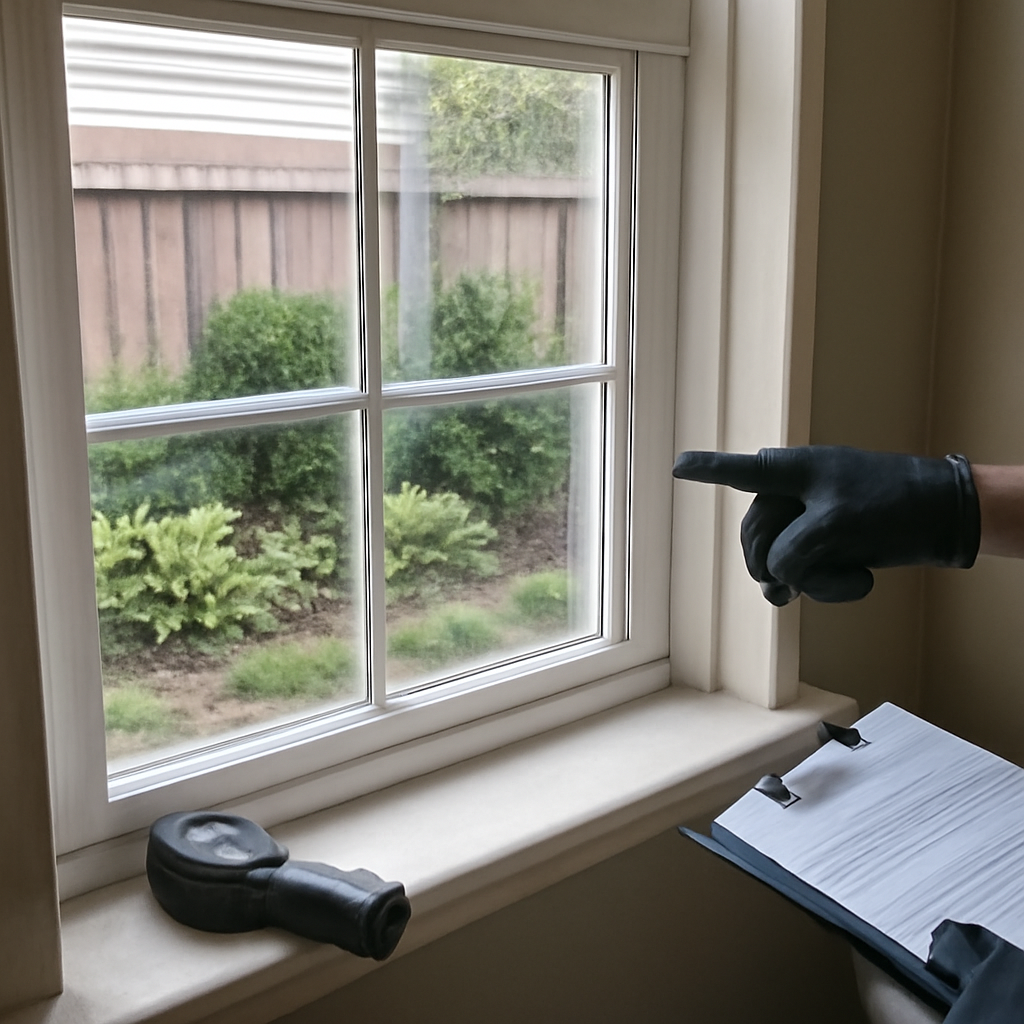
A garden window is a small, three-dimensional box of glass that projects out from the wall, usually over a kitchen sink. Glass on the front, two sides and a sloped top lets in light from several directions, and a deep sill with one or two glass shelves holds herbs, succulents and seedlings. Garden windows were a popular kitchen upgrade from the 1980s onward, and many Front Range homes from Littleton to Loveland still have the original units. They are charming, but their shape makes them vulnerable to problems a flat window rarely has: a top panel that collects snow, a projecting floor that acts like a small roof, constant moisture from plant watering and a location directly above a running faucet. This guide explains how garden windows are built, where they leak and fog, how they perform on energy, what inspectors look for, and what replacement or repair tends to cost.
Part of our Structure & Exterior guide — start there for the full picture →
What a Garden Window Is and How It Is Built
A garden window is a prefabricated box unit that installs in a standard rough opening, most often 3 to 5 feet wide, and projects roughly a foot beyond the exterior wall. It is essentially a miniature bay or bow window with a flat floor and a glass or solid top. Typical construction includes:
- Frame: vinyl in most modern units, with older and premium units in wood, aluminum-clad wood or fiberglass.
- Glass: a fixed front panel, side panels that may be fixed or may include small casement or awning vents for ventilation, and a sloped top panel of glass or insulated solid material.
- Floor or seat board: a solid platform that extends into the kitchen as a deep sill, often covered with laminate, solid surface or tile.
- Shelves: one or two tempered glass shelves resting on side brackets.
The unit hangs on the wall framing with no support underneath, so it relies on proper fastening to the header and studs. Because it projects, the top and bottom are exposed to weather in a way a flush window is not. The bay window guide covers the larger cousin of this design, including how projecting units are supported and roofed.
Why Garden Windows Leak
Garden windows are one of the more common leak sources in kitchens. The projecting box creates several weak points that do not exist on a flat window.
The top panel
The sloped top behaves like a tiny roof. Snow sits on it, rain sheets across it, and any joint between the glass and frame faces the sky. Older units often rely on glazing tape or sealant at those joints, which hardens and cracks with UV exposure and the large daily temperature swings common along the Front Range. Once the seal fails, water runs into the frame and drips inside, often at the corners where the top meets the side panels.
Head flashing
Where the top of the unit meets the wall, water running down the siding has to be directed over the box rather than behind it. That requires head flashing tucked under the weather-resistive barrier and lapped over the top of the unit, sometimes with a small drip cap. Installations that depend only on a bead of caulk at the siding line tend to leak within a few seasons. The window flashing guide explains sill pans, head flashing and tape sequence in detail.
The floor and sill
The underside of the box is another exposed surface. If the exterior floor panel is not sloped or sealed well, water can wick into the wood or particleboard core. Inside, the deep sill collects water from plant pots, overflow trays and condensation running off the glass. Over time the sill board swells, delaminates or rots, especially at the front corners.
Side joints and trim
Sealant joints at the sides of the box, where the unit meets the siding or brick, open up as materials expand and contract. Exterior sealant is a maintenance item rather than a permanent fix, and on a garden window it usually needs attention more often than on flat windows elsewhere in the house. Sealant that has pulled away from one side, cracked across its width or turned chalky should be cut out and replaced rather than covered with a fresh bead.
Leak signs to watch for include staining on the drywall below the window, a soft or swollen sill board, water in the bottom corners of the unit after rain, peeling paint on interior trim, and mold on caulk lines or the underside of shelves.
Condensation, Plants and Mold
A garden window puts several moisture sources in one place. Kitchen cooking and dishwashing raise humidity, plants release moisture through their leaves and soil, and the glass in a projecting box gets colder than a flush window because it has more surface exposed to outdoor air. On cold winter mornings the result is often fog or dripping water on the inside of the glass.
The U.S. Environmental Protection Agency describes condensation as a possible sign of high humidity and recommends keeping indoor humidity below 60 percent, ideally between 30 and 50 percent. EPA also notes that wet materials dried within 24 to 48 hours usually will not grow mold, and that cleaning mold without fixing the water problem means it will most likely come back.
Practical steps for a garden window include:
- Running the range hood when cooking and boiling water.
- Using saucers under pots and avoiding overwatering, then wiping up spills on the sill.
- Opening the side vents, if the unit has them, on mild days to let humid air escape.
- Keeping heavy curtains or blinds open so warm room air reaches the glass.
- Cleaning and drying the sill and shelf brackets regularly rather than letting damp potting soil sit.
Black spotting on caulk, gray fuzz under shelf brackets or a musty smell at the window are signs to clean promptly and look for the source. The mold on windows from condensation guide covers cleanup and when condensation points to a broader humidity problem. Fogging between two panes, rather than on the room-side surface, means the insulated glass seal has failed; the double-pane window repair guide explains glass unit replacement.
Heat Loss and Heat Gain
A garden window has more glass area than a flat window in the same opening, and the glass sticks out into the weather on three or four sides. That makes it a weak spot in the building envelope. In winter, it can feel noticeably colder near the sink. In summer, a south- or west-facing unit can overheat plants and add to cooling loads.
The U.S. Department of Energy’s guide to energy-efficient windows describes features found in ENERGY STAR qualified windows: double or triple panes with inert gas fills such as argon, insulating frame materials, spacers that help reduce heat flow and condensation, and low-E coatings. The same guide warns that even efficient windows can produce a drafty house and condensation if they are not installed properly. ENERGY STAR recommends choosing products certified for the local climate zone, using the label shown next to the NFRC label on the glass.
For a garden window, practical energy questions include:
- Is the top panel insulated glass, or a single pane that loses heat quickly?
- Is the floor of the box insulated, or is it a thin panel open to cold air below?
- Are the side vents closing and latching tightly, with intact weatherstripping?
- Is the gap between the box and the wall framing insulated and air sealed?
That last point is easy to overlook. ENERGY STAR’s project guide for sealing behind window and door trim describes removing interior trim, then filling larger gaps between the jamb and the rough opening with non-expanding foam sealant, backer rod or fiberglass, and using caulk for gaps a quarter inch or less. A garden window that was simply stuffed with loose fiberglass, or left with open gaps behind the trim, can feel drafty no matter how good its glass is.
Replacement units with an insulated solid top instead of glass are an option where overheating or snow load on the glass is a concern. The energy-efficient windows guide explains U-factor and solar heat gain ratings.
Sill Rot and Structural Sag
The interior sill of a garden window is often a wide board of particleboard, MDF or plywood covered with laminate. When water from plants or leaks gets past the surface, the core swells and crumbles. Sills made of solid wood fare better but still rot at the corners. Common findings include:
- Bubbling or lifting laminate at the front edge.
- Soft spots when pressed with a thumb or screwdriver.
- Dark staining spreading from the corners.
- A box that tips slightly downward at the front, suggesting the supporting framing or fasteners have degraded.
Surface damage can often be repaired by cutting out and replacing the sill board with a moisture-resistant material such as solid surface, cellular PVC or tile over cement board. Rot that extends into the frame, the wall framing or the header calls for opening the wall. The window sill replacement guide walks through sill repair options, and the wood rot repair guide explains how to judge the extent of decay.
A sagging garden window is not usually a sudden safety hazard, but it is a sign that water has been getting in for some time. It also stresses the seals and can open new leak paths, so it should be evaluated rather than shimmed and caulked.
Garden Windows Above Sinks
Most garden windows sit directly above the kitchen sink, which adds its own moisture and maintenance concerns. Splashing from the faucet reaches the sill and lower glass. A pull-down sprayer can soak the window in a second. The deep sill also makes the window harder to reach, so latches, vents and shelves get less attention than other windows.
Points worth checking include whether the faucet or sprayer clears the window opening and shelves, whether the backsplash and countertop joint below the window is sealed, and whether the sink itself shows signs of leaking into the cabinet. The undermount sink installation guide covers sink support and sealing, which often come up during the same remodel.
Replacing or Removing a Garden Window in a Remodel
When a garden window is leaking or rotting, owners usually choose among three paths:
- Repair: reseal the top and side joints, add or correct head flashing, replace the sill board and swap failed glass units. This suits a structurally sound unit with localized problems.
- Replace with a new garden window: remove the old box and install a new unit in the same rough opening, with proper flashing and a sill pan. This keeps the look and shelf space with modern glass and frames.
- Replace with a flat window: install a standard casement, slider or picture window flush with the wall. This removes the projection and many of its leak points, though it gives up shelf space and some light.
During a kitchen remodel, a garden window decision affects cabinet layout, backsplash height, faucet choice and the countertop return. Planning it early avoids rework. The kitchen remodel cost guide places window work in the context of a full kitchen project, and the casement windows guide compares a common flat alternative.
In homes built before 1978, removing old window trim or painted framing can disturb lead paint. EPA’s Renovation, Repair and Painting Rule requires that contractors paid to disturb painted surfaces in pre-1978 homes be certified and use lead-safe work practices.
What Garden Window Work Costs
Costs depend on unit size, frame material, glass options, the condition of the opening and local labor rates. As hedged, general ranges rather than quotes:
- Resealing and minor flashing corrections often fall in the low hundreds of dollars, more if siding has to be removed to install head flashing properly.
- Replacing a failed insulated glass panel commonly runs a few hundred dollars per panel, depending on size and whether it is the top panel.
- Sill board replacement usually ranges from a few hundred dollars to more if rot extends into the frame.
- A new vinyl garden window installed in an existing opening often lands somewhere around one to a few thousand dollars, with fiberglass, wood or custom sizes costing more.
- Converting to a flat window involves a new window, exterior patching of siding and interior trim and drywall, and often falls in a similar range to a new garden window.
Asking each contractor to describe the flashing method, sill material and how they will handle hidden rot makes quotes easier to compare.
A Seasonal Maintenance Checklist
Garden windows reward routine attention. A few minutes each season catches most problems before they reach the wall framing.
Fall
Clean the top panel and check the sealant at every joint before the first snow. Clear leaves and debris from any gap between the top of the unit and the siding or flashing. Confirm the side vents close and latch firmly, and look at weatherstripping for tears or flattening.
Winter
Brush heavy snow off the top panel where it can be reached safely, especially after storms that drop wet, dense snow. Watch for condensation on cold mornings and adjust humidity, ventilation and plant watering if water is running onto the sill. Ice forming on the inside of the glass is a strong sign that indoor humidity is too high for the window.
Spring
After the freeze-thaw season, inspect the exterior caulk lines, the underside of the box and the trim for cracks or gaps. Check the drywall and cabinet below the window for new stains. Spring is also a good time to repot plants and clean shelves, brackets and the sill thoroughly.
Summer
On south- and west-facing units, watch for overheating and plant scorch, and consider a shade or low-E glass if the kitchen gets uncomfortably warm. Afternoon thunderstorms with hail can crack the top panel, so a quick look after a hailstorm is worthwhile.
What Home Inspectors Check
A home inspector looks at a representative number of windows, and a garden window often gets extra attention because of its leak history. Typical observations include fogged or failed glass, cracked or missing sealant on the top panel, missing head flashing, stains or soft spots on the sill and wall below, vents that do not open or latch, and signs of sag. An inspector may use a moisture meter or thermal camera to look for hidden dampness. The home inspector hiring guide explains what a general inspection covers, and the structure and exterior hub collects related guides on windows, flashing and siding.
References
- A Brief Guide to Mold, Moisture and Your Home — U.S. Environmental Protection Agency
- Residential Windows, Doors and Skylights — ENERGY STAR
- Sealing Window and Door Trim — ENERGY STAR
- Guide to Energy-Efficient Windows — U.S. Department of Energy
- Lead Renovation, Repair and Painting Program — U.S. Environmental Protection Agency
Frequently asked questions
What is a garden window?
A garden window is a prefabricated glass box that projects out from the wall, usually over a kitchen sink. It has glass on the front, sides and often the top, plus a deep sill and shelves for plants.
Why does my garden window leak?
The sloped top panel acts like a small roof, so failed glazing seals and missing head flashing are common culprits. Cracked side sealant and water from plant watering soaking the sill are other frequent causes.
Why does a garden window get so much condensation?
It combines cold glass exposed on several sides with kitchen and plant moisture. Lowering indoor humidity, running the range hood and opening side vents on mild days usually reduces fogging on the room-side glass.
Is a garden window energy efficient?
Generally less so than a flat window of the same width, because it adds glass area exposed to outdoor air. Insulated low-E glass, an insulated top and floor and good air sealing narrow the gap.
How much does it cost to replace a garden window?
A new vinyl unit installed in an existing opening often costs roughly one to a few thousand dollars. Hidden rot, custom sizes and premium frames push the price higher.
Seeing stains under a kitchen bump-out or a soft sill in a home you are buying? Send us a note and we can help you find a local inspector who checks window leaks before closing.