Gardening Moisture Meter: 2026 Outdoor Buyer Guide

Outdoor gardening adds variables that indoor plant care never has to deal with — rain, sun exposure that swings across the year, lawn irrigation systems, raised beds, container plants on patios, and the deeper root zones of vegetables and ornamentals. A gardening moisture meter has to handle this messier environment, and the right pick differs from the indoor-plant probe meter in several specific ways. This guide walks through the outdoor gardening context, what to look for in a meter, and how to use one across common garden scenarios.
Part of our Moisture Meters & Water Damage Detection guide — start there for the full picture →
This is a general horticulture-oriented buying guide. Plant care depends on many factors beyond soil moisture — light, temperature, soil composition, fertilisation, species needs — so treat meter readings as one input among several when deciding to water.
What makes outdoor gardening different from indoor plant care?
Outdoor soil dries unevenly across depth and area. The top inch of a vegetable bed can be bone dry under sun while the root zone four inches down stays well-watered from a recent rain. A lawn irrigated by sprinklers receives moisture mostly in the top 2–3 inches, leaving deeper grass roots to draw from older moisture below. Container plants on patios face conditions closer to indoor pots in some ways — limited soil volume, fast drying when exposed to sun and wind — but with the wild swings of outdoor weather added on top.
The meter has to work in this varied environment. That means longer probes to reach genuine root depth (6–12 inches), weatherproofing so the meter survives being left outside or dropped in wet soil, and tolerance for the higher mineral content of outdoor soils compared to potting mixes. Consumer indoor-plant meters with 6-inch probes work for outdoor containers but miss the root zone in vegetable beds and lawns.
What probe depth matters for which garden context?
Different garden scenarios need different probe-depth assumptions:
Lawns
Grass roots in a healthy lawn extend 4–6 inches deep, with the densest root mass in the top 2 inches. For irrigation decisions, the meaningful reading is at 3–4 inches — the level that tells you whether watering reached the root zone or just dampened the surface. Shallow consumer probes give a reading skewed toward the soaked-or-dry surface; medium probes (6–8 inches) capture the actual lawn root zone.
Vegetable beds
Most vegetable plants — tomatoes, peppers, cucumbers, squash, beans — develop root systems 6–12 inches deep depending on species and bed conditions. Tomatoes can extend roots to 24 inches in deep beds. The watering decision should reflect whether the root zone is wet, not just the surface. Probes 8–12 inches long match this depth, and many gardening-specific meters in the $20–40 band offer 8-inch or longer probes specifically for this use.
Container plants on patios
Patio containers behave like supersized indoor pots, except they face direct sun, wind, and rain. A 14-inch outdoor planter can dry from saturated to bone dry in 36 hours during summer wind. The probe should reach two-thirds of the pot depth — for a 12-inch pot, that means an 8-inch probe at minimum.
Raised beds and ornamental gardens
Raised vegetable beds typically run 8–12 inches deep on top of native soil. The meter should reach the root zone within the raised bed soil. Ornamental gardens with perennials and shrubs often have root systems extending 12 inches or more — a longer-probe meter or sampling at multiple depths gives a better picture than a single shallow reading.
What features matter most for outdoor use?
A few features genuinely improve the outdoor garden experience. Probe length is the obvious first one — 8 inches is the working minimum for most garden use, 12 inches preferred for serious vegetable bed and ornamental work. Stainless steel probes resist corrosion better than chrome-plated steel, and outdoor soil contains more minerals and moisture extremes than potting soil, so corrosion matters more.
Weatherproofing matters because outdoor meters get dropped in wet beds, left out in rain, and exposed to temperature swings. Look for sealed body construction and probes that handle being inserted into genuinely wet soil. Some outdoor gardening meters list IP65 or IP67 ratings — overkill for most home use, but a useful indicator of build quality.
Dial readability outdoors matters more than it does indoors. Direct sunlight washes out digital displays in many consumer units. Analog dials with high-contrast scales are easier to read in bright outdoor conditions, which is why many garden-specific meters keep an analog format even when digital alternatives exist at similar prices.
Combo light + pH + moisture meters in the garden
The $10–25 combo meters that include moisture, light, and pH scales are common in garden retail. The moisture function works reliably enough for general use. The light scale gives a rough sun-exposure reading useful for plant placement decisions. The pH function on these consumer combo units is less reliable than a dedicated soil pH test kit — useful as a rough indicator, not as the basis for serious soil amendment decisions.
For most home gardeners, the combo meter covers enough of the basic measurement needs at a single price point. Serious soil management — adjusting pH for blueberries, hydrangeas, or specific vegetables — benefits from a dedicated pH test kit or having a sample lab-tested.
How does meter reading change across seasons?
Outdoor meter readings shift across the year in ways that catch home gardeners off-guard. Spring soil holds high moisture from winter rain and snow melt; readings of 7–9 are common in early spring beds without any irrigation. Summer brings dry conditions and rapid surface drying; the same beds can read 2–4 in July. Autumn rain brings readings back up. Winter — where soil is not frozen — usually shows high readings as cool temperatures slow evaporation.
The same plant species has different watering needs across these seasons. A tomato plant in cool spring soil needs less water than the same plant in July heat, even if the meter reads similarly. The meter is a useful input, but seasonal context matters. Many experienced gardeners pair meter readings with morning visual checks of plant turgor and leaf colour rather than relying on the meter as a sole signal.
How does meter use compare to soil-feel and visual checks?
Experienced gardeners often rely on a quick finger-test — pushing a finger 2 inches into the soil — to assess moisture. The meter does not replace this skill. It complements it by reading deeper into the soil than a finger can reach, by giving repeatable numerical readings that can be tracked over time, and by working in soils too compact or rocky for comfortable finger insertion.
For lawn care specifically, the meter often catches problems before they show in grass colour. A reading of 2 in the lawn root zone means watering soon; by the time the grass starts yellowing, the soil has been dry too long. Spring and autumn timing of lawn watering is one place where meter use pays off most.
How does this category relate to building inspection moisture meters?
Building inspection moisture meters use pin or pinless sensors calibrated for wood and drywall, reading in percentage scales tied to those materials. They do not work in soil. Garden moisture meters use conductivity-based probes calibrated against soil. The two product categories share the name “moisture meter” but are not interchangeable. The home inspection tools category covers building-side meters in depth; for outdoor garden use, the consumer garden meter tier is the right starting point. Buyers cross-shopping the broader plant-meter category should also look at the indoor plant moisture meter guide for context.
Common mistakes that wreck garden readings
The mistakes are predictable. Probing immediately after watering or rain shows a meaningless high reading — wait 24 hours for moisture to distribute before taking a baseline. Probing in fertilised soil shows artificially high conductivity that the meter reads as high moisture; that is one reason to flush garden soil periodically and avoid heavy spot-fertilisation. Inserting near the pot or bed wall samples drier soil than the central root zone. Leaving the meter in soil between readings corrodes the probe.
Another garden-specific issue: rocky or clay-heavy soils can damage probe tips if forced into hard ground. Many gardeners use a finger-test or hand trowel to break up a probe entry point first, then insert the meter probe through the disturbed soil. The reading is still meaningful and the probe lasts longer.
How does soil type affect meter readings?
Outdoor soils vary far more than potting mixes, and the soil type affects how the meter reads. Sandy soils drain quickly and read drier than they actually are at the root zone because the meter’s conductivity reading is affected by particle contact. Clay soils retain water tightly and read wetter than they functionally are for plants — water bound in clay particles is less available to plant roots than free water in the soil pores.
Loamy soils — the mix of sand, silt, and clay favoured by most gardeners — give the most representative meter readings because the conductivity reading roughly tracks plant-available moisture. For gardeners working with sandy or heavy-clay native soils, the meter readings need interpretation. Sandy soil at “moist” reading may need watering sooner than the meter suggests; clay soil at “moist” reading may not need watering at all because the bound water is unavailable.
How does irrigation type interact with meter readings?
Drip irrigation delivers water directly to plant root zones, producing tightly localised wet zones rather than uniform soil moisture. A meter inserted at a drip emitter shows high moisture; the same meter inserted 12 inches away may show much lower moisture. Both readings are accurate — they just reflect the localised pattern of drip delivery.
Sprinkler irrigation produces more uniform surface moisture that penetrates 2–3 inches typically, depending on application rate and duration. Surface readings spike after irrigation; root-zone readings change more slowly. Soaker hose systems produce intermediate patterns — wetter near the hose, drier away from it. Understanding the irrigation pattern helps interpret meter readings during and after watering cycles.
What about long-term in-ground moisture sensors?
A handful of WiFi or Bluetooth in-ground moisture sensors have entered the consumer market over the past several years. They sit permanently in a bed or pot, log readings continuously, and alert via a smartphone app when soil crosses watering thresholds. The units are weatherproofed for outdoor use and powered by long-life batteries.
For most home gardeners with a probe meter, the simpler pulled-out-and-checked approach is sufficient. In-ground sensors earn their cost in larger garden setups, vacation-rental homes where someone else needs to know when to water, or specific high-value plants where consistent moisture matters more than convenience permits with manual checking.
How to choose the right gardening moisture meter
A short decision path: identify your deepest watering need (lawn 4 inches, vegetables 8 inches, ornamentals 12 inches), pick a probe length that reaches it, prioritise stainless steel probes and analog dials for outdoor readability, and budget within the consumer tier (typically $15–40). Avoid the trap of buying a fancier digital meter that becomes unreadable in direct sun.
For gardeners managing multiple bed types — vegetables plus lawn plus patio pots — a single mid-tier meter with a 10–12 inch probe handles all three contexts adequately. Specialist users (serious vegetable growers, ornamental collectors) may benefit from a dedicated lab-grade tensiometer for the highest-value plants while using a consumer meter for general garden checks.
References
- ENERGY STAR: Seal and Insulate — U.S. Environmental Protection Agency (ENERGY STAR)
- Outdoor Water Use and Landscaping — Environmental Protection Agency
- Moisture Meter Reference — InterNACHI
- Environmental Measurement Standards — ASHRAE
Frequently asked questions
What probe length do I need for a vegetable garden?
8 inches is the working minimum for most vegetable beds, where root systems extend 6-12 inches deep. 12-inch probes serve serious vegetable and ornamental gardens better. Shorter probes give readings skewed toward the surface and miss what is happening in the root zone.
Can I use my indoor plant moisture meter outdoors?
Yes for container plants on patios and shallow planters. The 6-8 inch probes on most indoor meters do not reach the root zone of vegetable beds, lawns, or established ornamentals, so for those uses a longer-probe garden meter works better. Indoor meters also typically have less weatherproofing for outdoor exposure.
When should I check garden moisture during the day?
Morning is the most useful time. Soil moisture reflects the previous day plus any overnight settling. Afternoon readings can be biased by surface drying in sun. Check before any planned watering to confirm the actual need, and after irrigation to confirm depth of penetration.
How does rain affect meter readings?
Heavy rain saturates the top several inches of soil but may or may not reach deeper root zones depending on amount and soil type. Wait 12-24 hours after significant rain before taking a baseline reading, and probe at root-zone depth rather than the surface to know whether the rain actually reached the plants.
Moisture meters for home inspection
Pin meters read deep but leave marks; pinless meters scan surfaces non-destructively. Many inspectors carry both.
| Product | Why | Buy |
|---|---|---|
 Klein Tools ET140 Pinless | Non-destructive scanning; affordable. | Amazon — $49.97 |
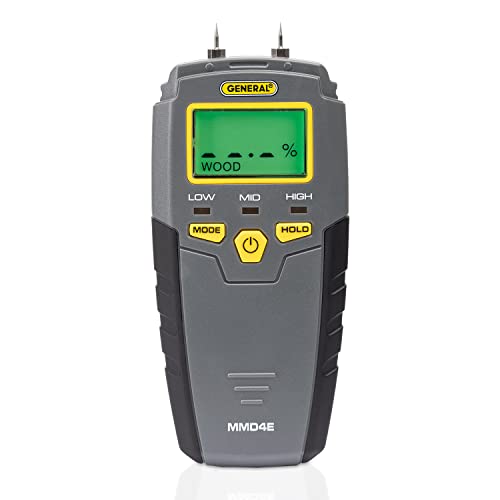 General Tools MMD4E | Best-selling pin meter for drywall/wood. | Amazon — $39.98 |
 Lignomat Mini-Ligno | Trusted by woodworkers; species-calibrated. | Amazon — $99.00 |