Casement Windows: Cranks, Seals, Egress and Repairs
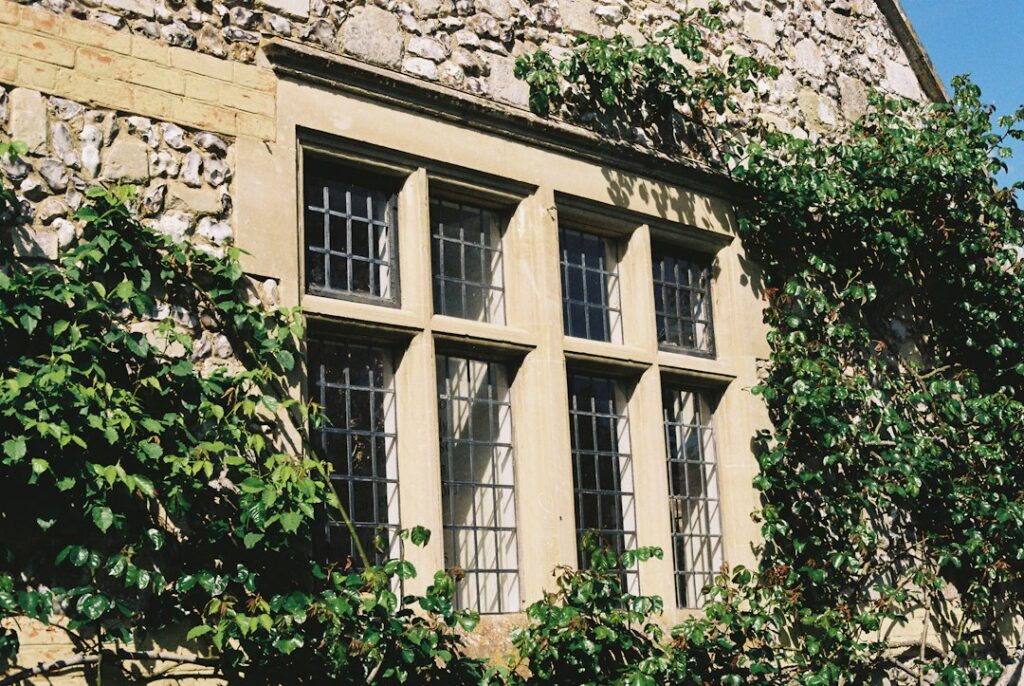
Casement windows swing outward on side hinges, usually opened with a small crank at the bottom of the frame. They are common in Front Range homes built since the 1980s, in contemporary remodels, and above kitchen sinks where reaching up to lift a sash is awkward. Their reputation is mostly good: when closed, the sash presses against the weatherstripping on all four sides, which makes them among the tighter operable window styles. But that performance depends on a small set of moving parts, the operator, hinges, locks and seals, and those parts wear. This guide explains how casement windows work, why they seal well, how they compare for bedroom egress, what tends to fail and how it is fixed, how they interact with screens, window air conditioners and child safety, and what repairs or replacements may cost. Price ranges are hedged estimates, not quotes.
Part of our Structure & Exterior guide — start there for the full picture →
How Casement Windows Work
A casement window is a single sash hinged on one vertical side. Turning the crank drives a gear in the operator, which moves an arm attached to the bottom of the sash and pushes it outward. The sash pivots on hinges at the top and bottom of the frame, which in most modern units are not traditional butt hinges but sliding friction hinges, sometimes called stay hinges or four-bar hinges. These let the sash swing out and shift slightly away from the frame so that both sides of the glass can be cleaned from inside on many models.
Related styles use the same hardware ideas:
- Awning windows are hinged at the top and swing out from the bottom, which lets them stay open in light rain.
- Hopper windows are hinged at the bottom and tilt in from the top, common in basements.
- Push-out casements skip the crank and use a handle to swing the sash open by hand, a look often chosen for older or European-style homes.
- Tilt-and-turn windows, a European design, open inward either as a casement or tilted from the top.
Because the whole sash swings clear of the opening, a casement offers an unobstructed opening equal to almost the full frame size. A double-hung window of the same size opens only about half its height at a time. That difference matters for ventilation and, as discussed below, for emergency escape.
The Hardware: Operators, Hinges and Multipoint Locks
Most casement problems come down to hardware, so it helps to know the parts.
Crank Operators
The operator is a gearbox mounted at the bottom of the frame, with a crank handle on the inside and one or two arms on the outside that connect to the sash. Single-arm operators push the sash at one point; dual-arm or split-arm operators push at two points for more control on larger sashes. Some newer units use folding handles that tuck down flat so blinds can clear them.
Hinges
Friction hinges at the top and bottom carry the weight of the sash and guide it through its arc. They include a track and sliding shoe that can collect dirt, sand and insect debris. When the track is dirty or the shoe is worn, the sash drags, and the extra load gets transferred back into the operator gears.
Locks
Smaller casements may have a single cam lock. Taller units commonly use a multipoint lock: one handle on the inside drives a bar that engages two or more keepers along the frame, pulling the sash tight against the weatherstripping in several places at once. If only the bottom keeper engages, the top corner of the sash can stand slightly open, which shows up as a draft or whistle on windy days.
Keeping hardware clean and lightly lubricated with a dry silicone or the lubricant recommended by the window manufacturer extends its life. Oil-based lubricants can attract grit in the track.
Why Casement Windows Seal Well
Sliding windows, including double-hungs and horizontal sliders, rely on weatherstripping that the sash slides across. That stripping has to leave enough clearance for the sash to move, so a small gap is built in. A casement works differently: the sash closes against compression seals around the full perimeter, and the lock pulls it tight. The seal is squeezed rather than slid over, which tends to cut air leakage, especially when the wind pushes the sash harder against the frame.
That advantage only holds if the parts are in good shape. Flattened or torn compression gaskets, a sash that has sagged out of square, or a lock that no longer pulls the sash closed can all leave a casement leakier than expected. A simple check is to close a sheet of paper in the window and try to pull it out; if it slides out easily at one spot, the seal is not making contact there.
For glass and frame performance, the U.S. Department of Energy’s guide to energy-efficient windows notes that ENERGY STAR qualified windows feature double or triple panes with inert gas such as argon, low-E coatings, insulating frame materials and spacers that help prevent condensation, and it stresses that even efficient windows can result in a drafty house if they are not properly installed. ENERGY STAR’s buying guidance recommends choosing certified products for your climate zone and looking for its label next to the NFRC label on the glass. Our guide to energy-efficient windows explains U-factor, solar heat gain coefficient and frame materials in more detail.
Casement Windows and Bedroom Egress
Building codes require an emergency escape and rescue opening in sleeping rooms and in many finished basements. The rules typically set a minimum net clear opening area, minimum clear width and height, and a maximum sill height above the floor. Exact values depend on the code edition each Front Range city and county has adopted, so the local building department is the final word.
Casements are often the easiest way to meet those requirements in a modest frame size. Because the whole sash swings out of the way, the clear opening is close to the full frame dimension. A double-hung or slider of the same size might fall short, because only one sash moves. That is why basement egress projects so often use casements: a narrower, shorter unit can still provide the required clear opening.
Two cautions apply. First, check the actual net clear opening, not the frame size. Hinge hardware, the operator arm, and the sash itself can take a few inches away from the usable opening. Many manufacturers publish the clear opening dimensions for each size, and some offer “egress hinges” that let the sash swing fully open to 90 degrees. Second, the window must open easily from inside without special knowledge or tools. Window stops or child-safety devices on a bedroom egress window should be releasable by an adult or older child in an emergency. Our guide to egress window installation cost covers the whole project, including window wells.
Screens, Window AC Units and Other Practical Limits
Because a casement swings outward, its screen has to sit on the inside of the window. That affects a few everyday details:
- Screens are interior. They are usually held by clips or spring plungers and removed from inside for cleaning. Torn interior screens and bent frames are easy to replace, and our guide to window screen replacement covers the options.
- Window treatments. The crank handle can interfere with blinds or shutters. Folding handles help.
- Open sashes stick out. An open casement projects into walkways, decks or patios, so placement next to paths matters.
The biggest practical limit is cooling. A standard window air conditioner is designed to sit on the sill of a double-hung or slider and be held in place by the lowered sash. A casement has no sash to close down on the unit, and the sash swings into the space where the unit would sit. That makes standard window units incompatible with most casements. The usual alternatives are a casement-specific or slider-specific unit with a filler panel, a portable unit that vents through a panel, a through-the-wall unit, or a ductless mini-split. Our guide to window AC unit installation covers the safety and support issues for each approach.
Child Fall Safety and Window Stops
Any operable window above the ground floor can be a fall hazard for young children, and casements open wide. In an April 2026 news release for National Window Safety Week, the U.S. Consumer Product Safety Commission reported an estimated 5,600 children aged 12 and under treated in emergency departments in 2024 after falling out of a window, with about one in three of those cases requiring hospitalization. The agency also reported at least 25 deaths among children 12 and under from window falls between 2021 and 2023, most of them during the warmer months of May through October.
CPSC’s recommendations include installing window guards, installing window stops so windows open no more than four inches, keeping furniture away from windows, and never depending on screens to keep children from falling out. Its guidance also notes that window guards on the sixth floor and below should be ones that adults and older children can open easily in case of fire.
For casements, that translates into a few specific measures:
- Opening control devices. Many manufacturers sell limiters that stop the sash at a small opening and can be released by an adult. These are often built into the operator or hinge.
- Removing or locking cranks. Some homeowners remove crank handles in children’s rooms, but this can conflict with egress. A releasable stop is usually a better choice for a bedroom.
- Furniture placement. Beds, dressers and toy chests under a window give children a climbing route.
The balance between fall prevention and emergency escape is real. Devices on bedroom windows should be the type that an adult can release quickly without tools.
Common Casement Window Failures
Most casement complaints fall into a handful of categories, and many are repairable without replacing the whole window.
Stripped or Broken Operators
The crank spins but the sash does not move, or it moves only part way. Usually the gears inside the operator have stripped, often because a dirty hinge track or a sash frozen to its seal made the crank work too hard. Replacement operators are available for most major brands, and the swap is typically a handful of screws, though matching the exact model, handing (left or right) and arm style matters. Forcing a crank in winter when a sash is iced shut is a common way operators break; letting it thaw first is gentler on the gears.
Sagging or Dragging Sashes
When the sash scrapes the bottom of the frame or will not latch, the hinges may be worn, loose, or bent, or the sash itself may be racking out of square. Replacing hinges usually restores alignment. A sash that is rotting at its corners, common with older wood casements, may need repair or replacement.
Lock and Keeper Problems
Multipoint locks can go out of adjustment so that one keeper misses. Adjusting or replacing keepers is usually a minor fix.
Weatherstripping Failure
Compression gaskets flatten, crack or pull out over time, especially on sun-baked south and west elevations. Many are replaceable by pressing new profiles into the kerf in the frame, but matching the exact profile matters for a good seal.
Seal Failure in the Glass
Fog or haze between the panes means the insulated glass unit’s edge seal has failed. That is a glass issue rather than a hardware issue, and options range from replacing the sealed unit to replacing the sash. Our guide to double pane window repair explains the choices.
Water at the Sill
Casements are not immune to leaks. Water inside at the bottom corners can come from a flattened bottom seal, a blocked weep path on vinyl or aluminum frames, or flashing problems around the rough opening rather than the window itself. Persistent leaks deserve a closer look at the exterior trim and flashing before the window is blamed.
Casement Window Repair and Replacement Costs
Prices depend on brand, size, frame material, access (second-story units cost more to work on) and local labor rates. The figures below are rough industry estimates, not quotes.
- Replacement operator, homeowner-installed: often roughly $20 to $100 for the part, depending on brand and style.
- Hardware repair by a window service company (operator, hinges or locks): commonly about $150 to $450 per window including the service call.
- Weatherstripping replacement: often $100 to $300 per window when done by a technician.
- Sealed glass unit replacement: frequently a few hundred dollars per sash, more for large or specialty glass.
- Full casement window replacement: commonly in the range of about $700 to $1,600 or more per window installed, with fiberglass, wood-clad and large units toward the top, and new-construction-style installs with siding work costing more.
Casements usually cost somewhat more than double-hung windows of a similar size because of the hardware. ENERGY STAR advises getting quotes from several installers and asking them to break down the price by labor and materials, since different dealers may quote different prices for the same product. For broader context on whole-house projects, see our guide to window replacement cost.
What to Check When Buying a Home With Casement Windows
Home inspectors following the ASHI Standard of Practice inspect a representative number of windows rather than every one, and they are not required to evaluate the hermetic seals between panes. Buyers can fill in the gaps themselves during a showing or final walkthrough:
- Crank each window fully open and closed. Listen for grinding and watch for a sash that stalls.
- Lock each window and check that the sash pulls tight along its full height.
- Look for fog between the panes and stains or soft wood at the bottom corners.
- Confirm that bedroom windows open far enough for escape and that any child-safety stops release easily.
- Note the brand from labels on the frame or spacer, which helps when ordering parts later.
Our guide to hiring a home inspector explains what a standard inspection includes, and the structure and exterior hub collects related window, siding and flashing guides.
More Questions About Casement Windows
How long do casement windows last?
Casement windows typically last about 20 to 40 years, depending on frame material, installation quality and climate. Vinyl and fiberglass frames often last decades with little maintenance, while wood frames can last longer when painted and sealed regularly.
The hardware usually wears out before the frame. Crank operators, hinges and weatherstripping may need replacement every 10 to 20 years, especially on frequently used windows. Failed glass seals, showing as fog between panes, can often be fixed by replacing the glass unit rather than the whole window. Regular lubrication of moving parts extends hardware life.
Are casement windows more expensive than double-hung windows?
Casement windows usually cost more than comparable double-hung windows, often somewhat more per window, because of their crank operators, hinges and multipoint locks. Industry estimates commonly put installed casement window replacement around $700 to $1,600 or more per window, depending on size and material.
The higher price may be offset by better air sealing, since the sash presses against the weatherstripping when closed. Casements also suit hard-to-reach spots such as above a kitchen sink. Large sizes, custom shapes, and egress requirements can raise costs further.
How do you clean the outside of casement windows?
Casement windows are among the easier windows to clean from inside, because the sash swings outward and many models open wide enough to reach the exterior glass through the opening. Some hinges allow the sash to slide toward the center of the frame for better access.
Using a long-handled squeegee helps on upper floors. Cleaning should avoid harsh abrasives on glass coatings, and window tracks and hinges benefit from vacuuming dirt and applying a light, non-greasy lubricant. Windows that do not open wide enough for safe reach should be cleaned from outside with a ladder or by a professional.
Can casement windows be opened in the rain?
Casement windows can be opened slightly during light rain, and their outward-swinging sash may deflect some water, but rain can still enter, especially with wind blowing toward the opening. A sash opened wide can catch wind and stress the hinges and operator.
During storms or high winds, casement windows should be closed and locked. Water around the sill after rain may indicate worn weatherstripping, clogged weep holes, or poor exterior flashing rather than a problem with how the window is used. Checking and cleaning the drainage paths each season helps prevent leaks.
References
- CPSC Urges Families to Protect Children During National Window Safety Week — U.S. Consumer Product Safety Commission
- Preventing Window Falls — U.S. Consumer Product Safety Commission
- Residential Windows, Doors and Skylights — ENERGY STAR
- Guide to Energy-Efficient Windows — U.S. Department of Energy
- ASHI Standard of Practice for Home Inspections — American Society of Home Inspectors
Frequently asked questions
Are casement windows more energy efficient than double-hung windows?
Casements often leak less air because the sash closes against compression seals on all four sides and the lock pulls it tight. Overall efficiency still depends on the glass, frame and installation, so compare U-factor and look for ENERGY STAR certification for your climate zone.
Why does my casement window crank spin without opening the window?
A crank that spins freely usually means the gears in the operator have stripped. Dirty hinge tracks or forcing a sash that is iced or stuck shut are common causes. Replacement operators are available for most brands.
Can casement windows be used for egress?
Yes, and they are often the easiest style to meet bedroom egress rules because the whole sash swings clear. Confirm the actual net clear opening against your local code, since hinges and operator arms can reduce it.
Can you put a window air conditioner in a casement window?
A standard window AC unit is not designed for casements because there is no sash to close down on it. Options include casement-specific units with filler panels, portable units, through-the-wall units or ductless mini-splits.
How do you childproof casement windows?
CPSC recommends window stops that limit openings to four inches, window guards, keeping furniture away from windows and never relying on screens. On bedroom windows, choose devices an adult can release quickly so egress is not blocked.
Can a casement window be replaced with a double-hung window?
A casement window can be replaced with a double-hung window in the same rough opening, but the proportions, ventilation area and egress clearance change. Double-hung windows open only half their area, so a bedroom egress window may no longer meet code. A window contractor should confirm sizing before ordering.
How do you lubricate a casement window crank?
A casement window crank is lubricated by opening the window, cleaning dirt from the operator arm, track and hinges, then applying a silicone spray or dry lubricant to moving parts. Greasy lubricants attract dust. Working the crank several times spreads the lubricant and reveals any stripped gears needing replacement.
Do casement windows let in more air than sliders?
Casement windows typically let in more air than sliding windows of the same size, because the entire sash opens and the angled sash can catch breezes passing the house. Sliders only open about half their area. This makes casements a popular choice for kitchens, bedrooms and cross-ventilation.
Shopping for a home with cranks that slip or casements that fog? Contact us and we can help connect you with a Front Range inspector who tests windows carefully before you close.