Window Screen Replacement: Mesh Types, Frames and Rescreening
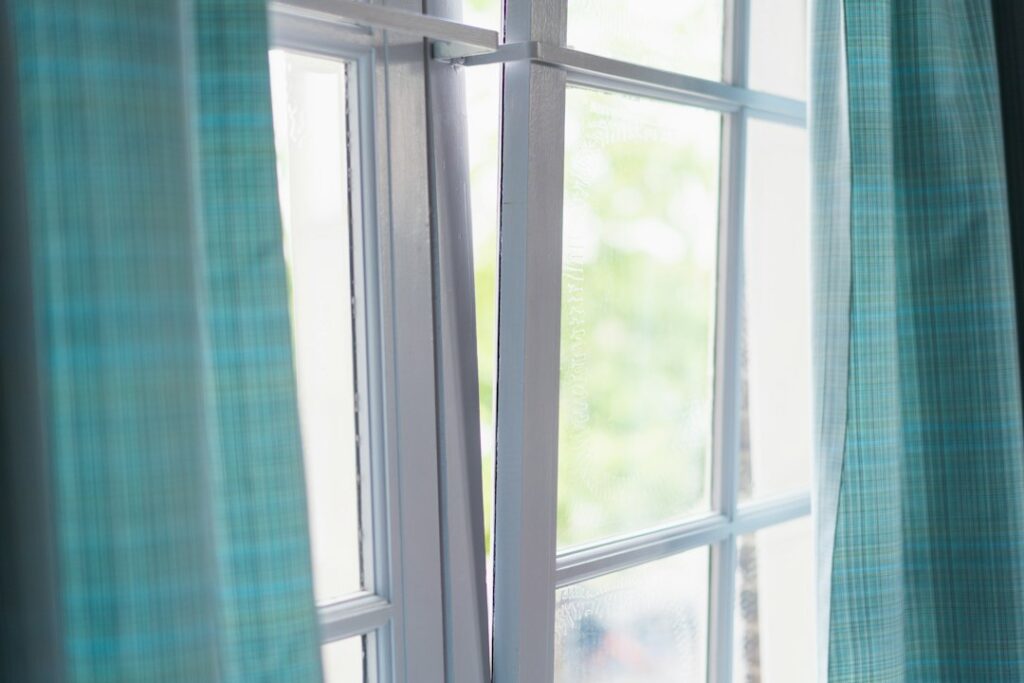
Torn mesh, a bent frame or a screen that blew off in a spring windstorm is one of the most common small repairs on any house, and window screen replacement is also one of the few window jobs a homeowner can often handle with a few inexpensive tools. The job is not complicated, but there are real choices to make: which mesh to use, whether to rescreen the existing frame or order a new one, how to measure so the screen actually fits, and how screens relate to child safety, egress and hail. This guide walks through each of those decisions in plain language, with Front Range conditions in mind. Costs are presented as broad, hedged ranges because pricing varies by region, frame type and contractor, so treat every number here as a starting point for quotes rather than a promise.
Part of our Structure & Exterior guide — start there for the full picture →
Window Screen Replacement: The Short Answer
Most damaged window screens can be fixed in one of two ways. If the frame is straight, the corners are tight and the only problem is torn or sagging mesh, the screen can usually be rescreened: the old spline (the rubbery cord pressed into a groove around the frame) is pulled out, new mesh is laid over the frame, and fresh spline is rolled in to lock it in place. If the frame is bent, the corner keys are broken, or the screen was a custom size that no longer fits the opening, a new frame is usually the better answer.
Rescreening is the cheaper and faster route for standard rectangular screens. New frames make more sense for screens that are warped, for oddly shaped or very large screens, and for sliding patio door screens that no longer roll smoothly.
One point matters more than any mesh choice: a window screen is designed to keep insects and debris out. It is not designed to keep a child in. That safety distinction is covered in its own section below.
Screen Mesh Types and Where Each One Fits
Mesh is the part most people think about first, and the options have grown well beyond plain gray fiberglass. Each type trades off visibility, durability, airflow and price.
Fiberglass Mesh
Fiberglass is the default on most new windows and the most common rescreening material sold in hardware stores. It is flexible, easy to work with, does not dent, and does not corrode. It comes in gray, charcoal and sometimes black; darker colors tend to reduce glare and make the screen less noticeable from inside. The tradeoff is that fiberglass tears more easily than metal mesh when something sharp, such as a pet claw, a branch or a hailstone, strikes it.
Aluminum Mesh
Aluminum mesh is stiffer and more puncture-resistant than fiberglass and holds a crisp, flat look. It is harder to install because it creases and dents, and a dent stays visible. Aluminum can also oxidize over time, especially in wetter climates, although Colorado’s dry air is generally kind to it.
Pet-Resistant Mesh
Pet-resistant screen is a heavier, vinyl-coated polyester mesh that stands up much better to scratching and pushing from dogs and cats. It is noticeably thicker, so it reduces visibility and airflow somewhat, and it usually costs more per foot. Many households use it only on the lower windows and door screens where pets actually spend time, and keep standard mesh elsewhere.
Solar or Sun-Control Mesh
Solar screen uses a denser weave designed to block a portion of the sun’s heat and glare before it reaches the glass. On west- and south-facing windows along the Front Range, where high-altitude sun can be intense in summer afternoons, some homeowners find these screens make rooms more comfortable. They darken the view and reduce winter solar gain as well, so they are best used selectively rather than on every window.
Fine or “No-See-Um” Insect Mesh
Fine insect mesh has a tighter weave intended to stop very small biting insects that can slip through standard screen. It is more common in humid, buggy regions than in most of Colorado, but it can make sense near ponds, irrigation ditches or wooded lots. The tighter weave reduces airflow, which is worth weighing for bedrooms that rely on open windows for summer cooling.
Frames, Spline and the Parts of a Screen
Knowing the parts makes it easier to decide whether a screen is worth rescreening and to describe the problem to a shop.
- Frame: Most residential screen frames are roll-formed aluminum channel, joined at the corners with plastic or metal corner keys.
- Spline: A round vinyl or rubber cord pressed into a groove on the frame to hold the mesh. Spline comes in several diameters, and using the right size matters; spline that is too thin will let the mesh pull loose, and spline that is too thick is very hard to roll in.
- Corner keys: The L-shaped connectors that hold the four frame pieces together. Cracked keys are a common reason a screen racks out of square.
- Pull tabs and plungers: Small tabs or spring-loaded pins used to remove and seat the screen. Missing tabs often lead to bent frames when someone pries a screen out with a screwdriver.
When the frame channel is crushed, the corners are loose, or the frame bows so the screen leaves gaps along one side, rescreening will not solve the real problem. Gaps of even a small width let insects in and invite wind to catch the screen.
Rescreening vs a New Frame
The decision usually comes down to the frame’s condition, the screen’s size and how much time a homeowner wants to spend.
When Rescreening Makes Sense
Rescreening is a good fit when the frame is square, the corners are tight and the screen is a standard rectangle. The basic DIY process is straightforward: remove the screen, pull out the old spline, lay the screen flat on a work surface, roll new mesh over it with a few inches of overlap, and press spline into the groove with a spline roller, working one side at a time while keeping light, even tension on the mesh. Excess mesh is trimmed with a utility knife after the spline is seated. The most common mistakes are pulling the mesh so tight that the frame bows inward and using the wrong spline diameter.
When a New Frame Is the Better Call
A new frame is usually worth it when the existing one is bent, the screen is large enough that it flexes in the wind, the window manufacturer uses a special frame profile, or the original screen is missing altogether. For some window brands, ordering an original replacement screen from the manufacturer or dealer gives the best fit, especially for casement and tilt windows whose screens mount on the interior side.
Wood Screen Frames on Older Homes
Older houses sometimes still have wooden storm and screen combination units. These can be repaired, but painted wood frames in homes built before 1978 may carry lead-based paint. EPA’s Renovation, Repair and Painting (RRP) program requires that contractors paid to disturb painted surfaces in pre-1978 homes be lead-safe certified, and EPA notes that friction surfaces such as windows can produce lead chips and dust. Scraping and sanding old screen frames is exactly the kind of work that calls for lead-safe practices.
How to Measure for Replacement Screens
A screen that is even slightly too small rattles and lets insects through; one that is too large will not seat at all. Measuring carefully avoids a second trip.
- Measure the existing screen if you have it. Measure the frame’s outside edge, width first and then height, to the nearest sixteenth of an inch. Measure in more than one place, since bent frames can be off by a fraction.
- If the screen is missing, measure the opening. Measure the screen track or channel where the screen sits, not the glass. Many shops prefer opening measurements because they can deduct the correct clearance for their frame type.
- Note the frame depth and style. Frame thickness (often called the frame profile) and how the screen attaches, such as pull tabs, plungers or springs, affect what the shop orders.
- Label every screen. On a house with many similar windows, a piece of tape marking the room and position saves confusion during reinstallation.
Screens Do Not Stop Falls: Child Safety Around Windows
This is the most important section in the guide. The U.S. Consumer Product Safety Commission is direct about it: never depend on screens to keep children from falling out of windows. A screen is built to resist insects and light wind, and a child leaning or pushing against it can pop it out of its track in an instant.
In an April 2026 National Window Safety Week release, CPSC reported an estimated 5,600 children aged 12 and under treated in emergency departments in 2024 after falling out of a window, with about one in three of those cases requiring hospitalization. The agency also noted that most of the child window-fall deaths it reviewed occurred in the warmer months, which is exactly when screened windows are open.
CPSC’s recommended steps are practical and inexpensive:
- Install window stops so windows open no more than four inches.
- Install window guards where appropriate. CPSC advises that for windows on the sixth floor and below, guards should be ones adults and older children can open easily in case of fire.
- Open windows from the top rather than the bottom whenever possible, on double-hung windows that allow it.
- Keep furniture away from windows so children are not tempted to climb up to them.
Replacing a screen is a good moment to add window stops at the same time, especially in children’s bedrooms and on upper floors. Because stops and guards can affect how a window opens, any device used on a bedroom window should still allow adults to open it fully in an emergency.
Screens and Egress Windows
Bedroom windows, including basement bedroom windows, usually serve as an emergency escape route, and building codes set minimum opening sizes for these egress windows. A screen on an egress window should be easy to remove from the inside without tools, and nothing about a replacement screen, guard or stop should block that exit. If a basement bedroom lacks a proper escape window, our guide to egress window installation cost explains what a compliant opening and window well typically involve. Local building departments set the exact egress rules, so confirm requirements before altering a bedroom window.
Hail, Wind and Sun: Screen Damage in Colorado
Colorado’s Front Range sees frequent spring and summer hail, and window screens are often the first visible casualty. Hail can punch holes in fiberglass mesh, dent aluminum mesh and frames, and knock screens out of their tracks. After a significant storm, it is worth walking the house with a notepad and counting damaged screens window by window, because screens are commonly listed in hail claims alongside roofing, gutters, siding and window wraps.
Screen damage is also a useful clue. Dented screens on one elevation often point to the direction the storm came from, and that can help an adjuster or roofer decide where to look for damage on the roof. Our guide to hail damage on roofs covers how that larger inspection works and what to document before calling the insurance company.
Wind is the other big factor. Screens with missing pull tabs, weak springs or loose corners tend to blow out during downslope wind events along the foothills. Seating each screen firmly and replacing worn hardware is a simple fix.
Sliding Door Screens and Larger Openings
Sliding patio door screens are larger, heavier and more prone to problems than window screens. They ride on small rollers at the bottom and sometimes the top, and when a roller wears out or the track is full of debris, the screen drags, jumps the track and bends. Common fixes include cleaning the track, replacing the rollers and adjusting their height with the small screws at the frame corners.
When the frame itself is bent or the mesh is torn across a large area, many homeowners replace the entire door screen rather than rescreening it, because a large screen is harder to tension evenly by hand. Pet-resistant mesh is a common upgrade here. If the slider itself is drafty, hard to move or fogged between the glass panes, the screen is probably not the only issue; our guide to sliding glass door replacement cost explains when the whole door is worth replacing.
What Window Screen Replacement Typically Costs
Prices vary by region, screen size, frame type and mesh, so the ranges below are broad estimates rather than quotes. Getting two or three local prices is the only reliable way to know.
- DIY rescreening: A roll of fiberglass mesh, a package of spline and a spline roller often total well under the cost of a single professional repair, and the leftover materials cover several more screens. Specialty meshes such as pet-resistant and solar screen cost more per foot.
- Professional rescreening of a standard window screen: Many hardware stores and screen shops charge a modest per-screen fee, commonly in the range of a few tens of dollars for an average-size screen with standard mesh, with specialty mesh adding to that.
- New custom window screen frame: Often somewhat more than rescreening, and larger or nonstandard sizes cost more. Manufacturer-specific replacement screens for brand-name windows can cost more still.
- Sliding patio door screen: Typically higher than window screens because of size, rollers and hardware; premium frames and pet-resistant mesh push costs further.
- Mobile screen services: Some services come to the house and rescreen or build frames in a van, charging a trip fee plus per-screen pricing. This can be efficient when many screens are damaged at once, such as after a hail event.
Screens in a Home Inspection
Buyers are often surprised to learn that screens get only limited attention during a standard home inspection. The American Society of Home Inspectors Standard of Practice lists screening, shutters, awnings and similar seasonal accessories among the exterior items an inspector is not required to inspect. Many inspectors will still note missing or torn screens as a courtesy, but the absence of comments does not mean every screen is present and intact.
For a buyer, a quick do-it-yourself check during the final walkthrough helps: count the screens, look for missing ones in the garage or basement, and open a few windows to confirm they move freely and that the screens seat properly. Missing screens on a dozen windows can add up to a noticeable expense. Inspectors do pay attention to the windows themselves, including operation, damaged glass and signs of water intrusion around the frames. If you are still choosing an inspector, our guide to hiring a home inspector explains what a standard inspection covers, and the structure and exterior hub collects related guides on windows, trim and siding.
More Questions About Window Screen Replacement
How long do window screens last?
Fiberglass window screen mesh typically lasts about 10 to 15 years, while aluminum mesh can last longer if it does not dent or corrode. Strong sun, hail, pets and frequent removal shorten screen life.
Aluminum frames often outlast several rounds of mesh, which is why rescreening is common. Signs that a screen needs attention include sagging mesh, tears, spline popping out of the channel and bent frame corners. Removing and storing screens out of direct sun during winter in cold climates can extend their life noticeably.
Can you replace window screens yourself?
Yes, rescreening a standard window screen is a common do-it-yourself project. The basic steps are removing the old spline and mesh, laying new mesh over the frame, and pressing new spline into the channel with a spline roller, then trimming the excess with a utility knife.
Choosing the right spline diameter for the frame channel is the most common stumbling block, so bring a piece of the old spline when buying supplies. Fiberglass mesh is the easiest to work with for beginners. Large sliding door screens and bent frames are often easier to take to a hardware store or screen shop.
What is the best window screen for pets?
Pet-resistant screen mesh, usually made from heavier vinyl-coated polyester, is the best choice for homes with cats and dogs that push, scratch or climb screens. It is several times stronger than standard fiberglass mesh and resists tearing.
Pet screen is thicker, so it slightly reduces visibility and airflow, and it may need a different spline size. Many owners use it only on lower windows and doors that pets reach. Pet screen still does not keep pets or children from falling through a window; window stops or guards are needed for that.
Do window screens reduce airflow?
Yes, window screens reduce airflow somewhat, because the mesh blocks part of the opening. Standard fiberglass mesh reduces airflow less than fine no-see-um mesh, solar screen or heavy pet mesh, which have tighter weaves or thicker strands.
For rooms that rely on natural ventilation, standard or high-visibility mesh offers a good balance between insect protection and airflow. Keeping screens clean also matters, since dust and pollen build-up on the mesh further restricts air movement. Rinsing screens with a hose and soft brush once or twice a year helps.
References
- Preventing Window Falls (Publication 5124) — U.S. Consumer Product Safety Commission
- CPSC Urges Families to Protect Children During National Window Safety Week — U.S. Consumer Product Safety Commission
- Lead Renovation, Repair and Painting Program — U.S. Environmental Protection Agency
- ASHI Standard of Practice for Home Inspections — American Society of Home Inspectors
Frequently asked questions
Is it cheaper to rescreen or buy a new window screen?
Rescreening is usually cheaper when the frame is straight and the corners are tight, since only mesh and spline are replaced. A new frame is the better value when the old one is bent, the corner keys are broken or the screen is an unusual size.
What is the best mesh for window screen replacement?
Fiberglass is the most common and easiest to install. Aluminum resists punctures but dents, pet-resistant mesh stands up to claws, solar mesh cuts heat and glare, and fine insect mesh blocks very small bugs at the cost of some airflow.
Can a window screen keep a child from falling out?
No. The U.S. Consumer Product Safety Commission advises never depending on screens to keep children from falling. It recommends window stops that limit openings to four inches, window guards that adults can open in an emergency, and keeping furniture away from windows.
Does homeowners insurance cover hail-damaged window screens?
Many policies treat screens as part of the dwelling, so they are often included in a hail claim along with the roof, gutters and siding. Coverage and deductibles vary, so document every damaged screen with photos and ask the adjuster before repairs begin.
Do home inspectors check window screens?
Only in a limited way. The ASHI Standard of Practice lists screening among the exterior items an inspector is not required to inspect, though many inspectors note missing or torn screens. Buyers should count and check screens during the final walkthrough.
How do you clean window screens?
Window screens can be cleaned by removing them, laying them flat and scrubbing gently with a soft brush and mild soapy water, then rinsing with a hose and letting them dry before reinstalling. Vacuuming with a brush attachment works for light dust.
Can window screens be repaired instead of replaced?
Small holes in window screens can be repaired with adhesive or woven screen patches sold at hardware stores. Larger tears, sagging or brittle mesh usually call for rescreening the whole frame, which is inexpensive and gives a cleaner result.
Do window screens come in custom sizes?
Yes, window screens can be made in custom sizes by screen shops, window manufacturers and some hardware stores. Measure the frame or opening carefully, note the frame thickness and clip type, and bring the old screen if possible for an exact match.
Buying a Front Range home with older windows, missing screens or storm damage? Reach out through our contact page and we can point you toward a local inspector who checks window operation, glazing and exterior details before you close.