Siding Replacement Cost: Vinyl, Fiber Cement and Wood
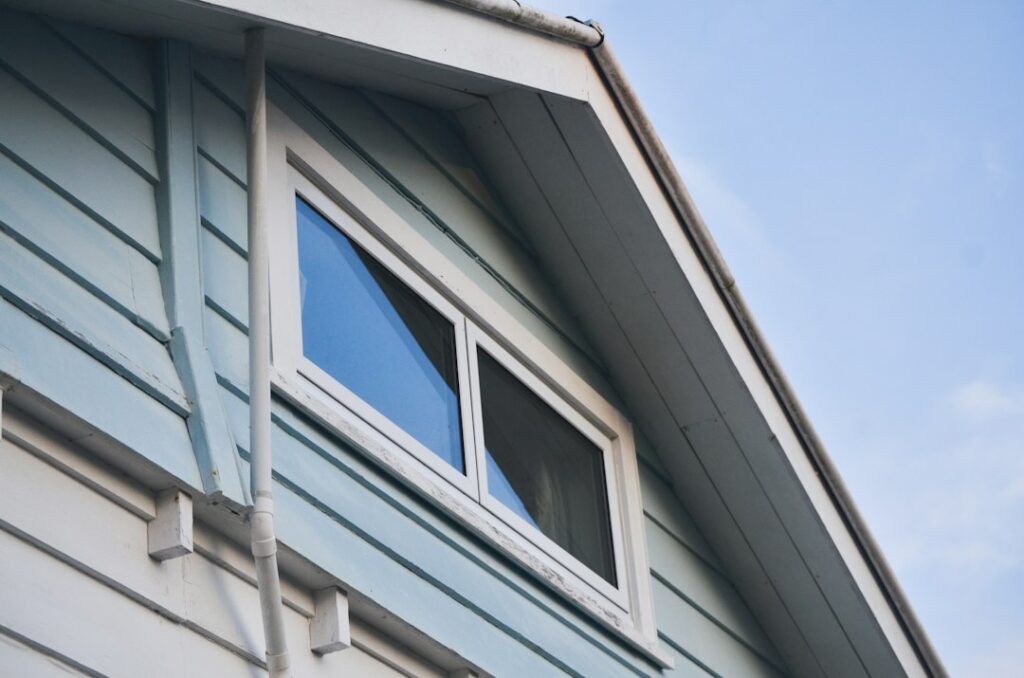
Siding does more than set the look of a house. It is the outer layer of a wall system that keeps rain, snow and wind away from the sheathing and framing behind it. On the Colorado Front Range, that system takes a beating from hail, intense high-altitude sun, freeze-thaw cycles and, in some neighborhoods, wildfire risk. This guide walks through typical siding replacement cost by material, what affects a quote, what contractors find when old siding comes off, the asbestos and lead paint checks that older homes need before any demolition, how hail claims usually work, and the signs that siding has reached the end of its life. This guide summarizes EPA guidance on asbestos and lead current as of 2026; consult a certified professional for testing decisions. All prices are rough industry estimates, not quotes.
Part of our Structure & Exterior guide — start there for the full picture →
How Much Does Siding Replacement Cost?
Siding is usually priced per square foot of wall area, or per “square” of 100 square feet. Installed prices for replacement siding commonly land somewhere between about $4 and $15 per square foot, depending heavily on the material, and many single-family projects end up in a broad range of roughly $10,000 to $40,000 or more. Larger homes, multiple stories, complex wall shapes, premium materials and repairs to the wall underneath push totals higher.
Rough installed costs per square foot by material, including typical labor, look something like this:
- Vinyl: about $3 to $8. The most affordable option, with low maintenance. Thicker premium panels and insulated vinyl cost more and handle impacts better than thin builder-grade panels.
- Fiber cement: about $6 to $14. A cement, sand and cellulose fiber product that resists rot, insects and fire. It is heavy and requires specialized cutting and handling, which raises labor cost.
- Engineered wood: about $5 to $11. Resin-bonded wood strands with a factory finish; lighter than fiber cement and easier to cut, with a wood-like appearance.
- Natural wood (cedar, pine lap, shakes): about $7 to $15 or more. Attractive but maintenance-heavy, needing regular paint or stain in dry, sunny climates.
- Stucco: repairing and re-coating existing stucco may run roughly $3 to $10 per square foot; full tear-off and new three-coat stucco can run higher, often $8 to $15 or more.
- Metal (steel or aluminum): about $5 to $13. Steel resists hail and fire well; aluminum dents more easily. Both are durable when properly finished.
Removal and disposal of the old siding often add something like $1 to $3 per square foot, though some contractors build that into their per-square-foot price. Trim, soffit and fascia, new house wrap, insulation board and any sheathing replacement are frequently quoted as separate line items.
Estimating Your Wall Area
A quick estimate multiplies the perimeter of the house by the wall height, then subtracts large openings such as garage doors. Gable ends add triangular areas. Contractors measure more precisely and add a waste factor, often around 10 percent, for cuts and trim. Two quotes that differ by a lot may simply be measuring differently, so ask each contractor for the square footage they are pricing.
What Drives Siding Costs on the Front Range
Hail and Impact Resistance
The Front Range sees frequent hailstorms, and siding is often damaged along with roofs. Thin vinyl can crack or shatter in cold-weather hail, and soft aluminum dents. Thicker vinyl, fiber cement, engineered wood and steel siding generally hold up better to impacts. Many homeowners in hail-prone neighborhoods weigh a higher upfront cost against fewer repairs and claims over time. Some manufacturers publish impact test ratings, which are worth comparing between products.
Sun and UV Exposure
High-altitude sun is intense, and south- and west-facing walls take the brunt of it. Dark vinyl colors may fade or, in some cases, distort from heat buildup, particularly where sunlight reflects off nearby low-E windows. Factory-finished fiber cement and engineered wood carry finish warranties, but painted wood needs more frequent recoating in strong sun.
Freeze-Thaw Cycles
Colorado winters swing between freezing nights and sunny days, sometimes many times a month. Water that gets behind siding or into cracks in stucco and wood repeatedly freezes and expands, widening gaps and loosening fasteners. Proper flashing, sealed penetrations and a working water-resistive barrier behind the cladding matter as much as the siding material itself.
Wildfire Exposure
Homes near open space and in the foothills face wildfire and ember exposure. Some homeowners in these areas favor noncombustible cladding such as fiber cement, stucco or metal, and some local jurisdictions in wildland-urban interface areas have adopted ignition-resistant construction requirements. Requirements vary by county and city, so homeowners in fire-prone areas should check with their local building department and, where relevant, their insurer before choosing a material.
House Design and Access
Two-story and three-story walls need scaffolding or lifts. Lots of corners, bump-outs, dormers and windows mean more cuts and trim. Walls behind decks, tight side yards and steep slopes slow crews down. All of these show up in labor cost.
Coordinating With Other Projects
Siding and roofing are often replaced together, particularly after a hailstorm, because the same contractor can coordinate flashing at roof-to-wall intersections and share the cost of dumpsters and scaffolding. The guide to roof replacement cost covers how roofing is priced and how hail claims typically interact with it. Window replacement is another natural pairing, since new siding is the best time to correctly flash window openings; the batch guide on window replacement cost explains that side of the budget.
What’s Underneath: Water-Resistive Barrier and Sheathing
When old siding comes off, the condition of the wall behind it determines how much the project really costs. Siding is not watertight on its own; it sheds most water, and a water-resistive barrier (WRB), such as house wrap or building paper, handles what gets past it. Flashing at windows, doors, roof intersections and penetrations directs water back to the outside.
Common findings during tear-off include:
- Missing or torn house wrap: older homes may have little or no WRB, or barriers that have degraded.
- Rotted sheathing: soft, delaminated plywood or OSB, often below windows, at inside corners and where roofs meet walls. Replacement is usually priced per sheet, plus labor.
- Missing kick-out flashing: where a roof edge ends against a wall, a missing kick-out flashing can send water straight into the wall.
- Damaged framing or insects: long-term leaks can damage studs and sill plates and attract wood-destroying insects.
A good contract spells out how hidden damage will be handled: a per-sheet price for sheathing, an hourly or unit price for framing repairs and a requirement that the homeowner approve extra work before it proceeds. Before signing, a homeowner or inspector can check suspect areas from the inside or through small gaps with a moisture meter, which can help predict whether a wall is hiding wet sheathing. Where moisture problems are found, the EPA advises fixing leaks and water problems as soon as possible and drying wet materials quickly to limit mold growth.
Asbestos and Lead Paint: Test Before Removal
Asbestos Cement Siding
Many homes built in roughly the first three quarters of the twentieth century were clad in cement-based shingles or panels that may contain asbestos. These shingles are often rectangular, brittle and have a slightly textured or dimpled surface, but appearance alone does not settle the question. The EPA states that you generally cannot tell whether a material contains asbestos simply by looking at it unless it is labeled, and it recommends inspection by a trained and accredited asbestos professional when planning a remodel that could disturb building materials.
Intact asbestos cement siding is generally considered low-risk while left alone. Breaking, cutting, sanding or power-washing it aggressively can release fibers. Before any tear-off, a sample should be tested by an accredited lab. If the result is positive, homeowners typically choose between professional removal under applicable state and local rules or, where permitted, covering the existing siding with new cladding. Costs, permit requirements and contractor qualifications differ, and Colorado has its own asbestos regulations for many projects. The detailed guide to asbestos siding replacement covers those options, and the asbestos and lead hazard hub explains testing in more depth.
Lead Paint on Older Wood Siding
Painted wood siding, trim and soffits on homes built before 1978 may carry layers of lead-based paint. The EPA estimates that roughly three-quarters of U.S. homes built before 1978 still contain some lead-based paint. Under the EPA’s Renovation, Repair and Painting (RRP) Rule, contractors paid to disturb painted surfaces in pre-1978 homes must be certified and follow lead-safe work practices, such as containing dust and debris and cleaning thoroughly. Homeowners with an older house should ask every bidder for their RRP certification and how they will contain paint chips on the ground, which matters for children and pets who play in the yard.
Testing and containment add some cost, but they protect the household and help avoid a stop-work order or cleanup bill later.
Lifespan and Maintenance: Looking Past the Upfront Price
The cheapest siding to install is not always the cheapest to own. Comparing materials over 20 or 30 years means weighing upkeep, likely repairs and how long the finish lasts in local conditions. Manufacturer warranties offer one reference point, though warranty terms vary widely and often exclude hail, improper installation and fading beyond certain limits.
- Vinyl: needs little beyond an occasional wash. Panels that crack can usually be swapped out individually, but matching a faded color on an older wall can be difficult, which is one reason partial repairs sometimes look patchy.
- Fiber cement: factory-finished boards may go many years before repainting, and the substrate itself does not rot. Cut edges and butt joints need proper sealing and flashing, because water wicking into poorly detailed ends is a common installation complaint.
- Engineered wood: holds up well when clearances to roofs and grade are respected and cut ends are primed. It is more vulnerable than fiber cement if water sits against it, so details at the bottom of walls matter.
- Natural wood: may need restaining or repainting every few years in strong sun. Budgeting for that recurring cost is part of choosing cedar or other wood cladding.
- Stucco: durable when the drainage layer and weep screed at the base are done correctly. Cracks should be sealed promptly so water does not reach the lath and sheathing behind.
- Metal: steel panels with quality coatings resist fire and hail well; scratches through the coating should be touched up to limit corrosion.
Whatever the material, a few habits extend siding life on the Front Range: keep sprinklers from soaking walls, maintain clearance between siding and soil or mulch, trim vegetation that holds moisture against the house, and recheck caulking around windows, doors and penetrations every year or two. Gutters that overflow onto walls are another frequent cause of staining and rot, which is one reason roof drainage gets attention during any exterior evaluation.
Hail Damage and Insurance Claims
After a hailstorm, many Front Range homeowners file claims that include both roofing and siding. How a claim is handled depends on the policy, deductible and the adjuster’s findings, so the following is general orientation rather than insurance advice:
- Document quickly: photograph damage, note the date of the storm and keep any hail size reports from local news.
- Matching issues: if only part of a wall is damaged and the original siding is discontinued, matching can be difficult. Whether a policy pays to re-side a full elevation for a uniform look varies by policy language and adjuster decisions.
- Cosmetic versus functional damage: some policies limit coverage for purely cosmetic dents. Homeowners should read their declarations and endorsements carefully.
- Contractor caution: storm-chasing contractors often appear after big hail events. Checking licensing, local references and written estimates protects against poor work and deposits that disappear.
Some homeowners choose an impact-resistant upgrade when replacing hail-damaged siding, paying the difference out of pocket. Any discounts for impact-resistant exterior materials vary by insurer, so it is worth asking directly.
Signs Your Siding Needs Replacement
Siding rarely fails all at once. Common warning signs include:
- Cracked, broken, loose or missing panels, especially after hail or high winds.
- Warped, buckled or wavy vinyl, often from heat or improper nailing.
- Soft or rotted wood, swollen edges on engineered or hardboard siding, or paint that peels within a year or two of painting.
- Stucco cracks with staining below them, or bulging areas that sound hollow when tapped.
- Interior signs such as peeling paint, stained drywall or musty odors on exterior walls.
- Persistent high energy bills or drafts that point to a poorly sealed wall.
Small areas of damage can often be repaired by replacing individual boards or panels, which may cost a few hundred to a couple thousand dollars depending on access and material availability. Widespread problems, discontinued materials and moisture behind the cladding usually tip the decision toward replacement. Cracks that show up both outside and inside can also point to movement in the structure; the guide to wall cracks explains how to tell cosmetic cracking from structural warning signs.
How to Plan a Siding Project
- Identify what is on the house now. Determine the material, age and whether asbestos or lead testing is needed before any removal.
- Get an independent look. A home inspection notes the condition of wall coverings, flashing and trim, which helps separate what must be done from what a salesperson recommends. The ASHI Standard of Practice lists wall coverings, flashing and trim among the exterior items a home inspector inspects.
- Collect at least three written bids. Ask for measured square footage, material brand and line, WRB and flashing details, removal and disposal, and unit prices for hidden damage.
- Check permits and local rules. Many Front Range jurisdictions require permits for re-siding, and wildfire-area requirements may limit material choices.
- Plan the season. Spring through fall is typical, though crews work year-round. Some sealants, paints and stucco need minimum temperatures to cure properly.
Buyers evaluating a home with tired siding can use the inspection period to get a better handle on the scope. The guide to choosing and working with a home inspector explains what a general inspection covers and when a specialist referral makes sense.
References
- Protect Your Family from Exposures to Asbestos — U.S. Environmental Protection Agency
- Lead Renovation, Repair and Painting Program — U.S. Environmental Protection Agency
- A Brief Guide to Mold, Moisture and Your Home — U.S. Environmental Protection Agency
- ASHI Standard of Practice for Home Inspections — American Society of Home Inspectors
Frequently asked questions
How much does it cost to replace siding on a house?
As a rough estimate, installed siding often costs about $4 to $15 per square foot depending on material, and many whole-house projects fall around $10,000 to $40,000 or more. Vinyl sits at the low end, while fiber cement, wood and metal cost more, and repairs to sheathing add to the total.
What siding holds up best to hail in Colorado?
Thicker materials such as fiber cement, engineered wood, steel and premium thick vinyl generally resist hail better than thin vinyl or soft aluminum. Compare manufacturer impact ratings and ask your insurer whether impact-resistant materials affect your premium.
Does old siding need to be tested for asbestos?
If the home has cement-based shingles or panels, especially on older houses, test before removal. The EPA says you generally cannot identify asbestos by looking and recommends an accredited professional when a remodel could disturb materials.
Can new siding be installed over old siding?
Sometimes, but covering old siding hides the condition of the sheathing and water-resistive barrier underneath. Many contractors prefer tear-off so damage can be found and flashing done correctly. Over-cladding is sometimes chosen for asbestos cement siding where local rules allow.
Do contractors need lead certification for siding work?
For pre-1978 homes, the EPA's RRP Rule requires contractors paid to disturb painted surfaces to be certified and to follow lead-safe work practices. Ask bidders for proof of certification before work starts.
Weighing a siding bid on an older Front Range home, or wondering what is behind cracked panels? Get in touch here and we will help you find a local inspector who can look at the walls, flashing and any suspect materials before you commit.