Exterior House Painting Cost: Siding, Prep and Timing
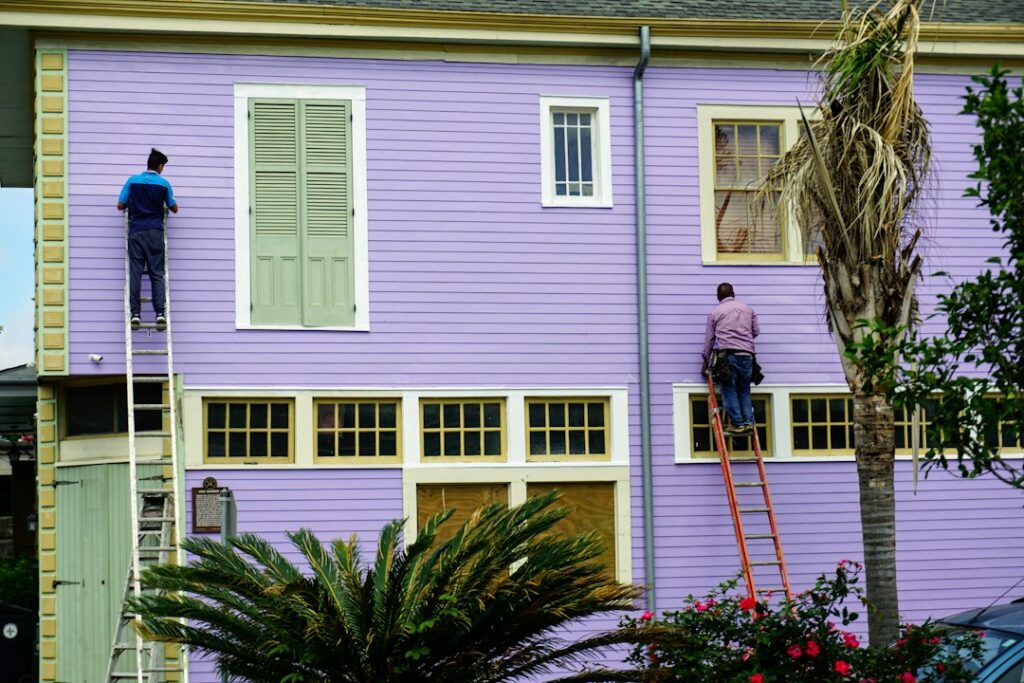
Exterior paint does two jobs: it makes a house look cared for, and it protects siding, trim and windows from sun, snow and water. When the paint fails, the wood and joints underneath start taking the weather directly, so a repaint is part maintenance and part curb appeal. The price, though, is hard to guess from the street. Exterior house painting cost depends on the size and height of the home, the siding material, how much scraping and repair the surfaces need, whether the paint may contain lead, and how much sun the walls take. This guide walks through typical cost ranges, the prep that separates a lasting paint job from a short-lived one, why Front Range conditions tend to be hard on exterior coatings, when to paint, and when siding or stucco repair should come first. Figures are general 2026 ranges that vary by contractor, region, access and scope; treat them as a way to check quotes rather than a fixed price.
Part of our Structure & Exterior guide — start there for the full picture →
Typical Exterior House Painting Cost
Painters usually price exterior work by the square foot of paintable surface, by the size of the house, or as a lump sum built from labor hours and materials. Common ballpark ranges look like this:
- Per square foot of paintable surface: Often somewhere around $1.50 to $4 per square foot, with heavy prep, detailed trim or difficult access pushing costs higher.
- Small single-story homes (roughly 1,000 to 1,500 square feet of living space): Frequently in the $2,500 to $6,000 range.
- Mid-size two-story homes (roughly 1,800 to 2,500 square feet): Commonly around $4,500 to $10,000.
- Large or complex homes: Three stories, steep lots, many dormers or extensive trim can run well over $10,000.
- Trim-only repaints: Fascia, soffits, window and door trim alone may cost from roughly $1,000 to $4,000 depending on the amount of trim and access.
Paint itself is usually a modest share of the total. Quality exterior acrylic paint commonly costs around $40 to $90 per gallon, and a typical house may need anywhere from 10 to 30 gallons or more depending on surface area, texture and the number of coats. Labor, prep and access account for most of the price.
Stories and Access
Height is one of the biggest cost multipliers. A single-story ranch can often be painted from short ladders. Two-story walls need extension ladders, ladder standoffs or lifts, and three-story walls, steep slopes or walkout basements may need scaffolding or boom lifts. Working at height is slower and riskier. OSHA’s fall protection page notes that falls are among the most common causes of serious work-related injuries and deaths, and that fall protection is required at six feet in the construction industry. Contractors who follow those rules spend time and money on setup, which is reflected in their bids.
How Siding Type Affects the Price
Different cladding materials absorb paint differently, need different prep and fail in different ways.
- Wood lap siding and shingles: Usually the most prep-intensive. Wood moves with moisture and temperature, so old paint cracks and peels, and scraping, sanding and spot-priming bare wood add labor. Textured or rough-sawn cedar can drink more paint than smooth boards.
- Fiber cement: Holds paint well when properly primed at the factory or on site. Repaints are often less labor-intensive than wood, though caulked joints still need attention.
- Vinyl: Can be painted with vinyl-safe colors formulated not to absorb too much heat. Choosing a color much darker than the original can cause warping, so painters often limit color choices.
- Aluminum and steel: Usually need cleaning, removal of chalky residue and a primer suited to metal. Rust spots on steel need treatment first.
- Brick: Painting brick is a long-term commitment, because removing paint later is difficult. Masonry paints that allow moisture vapor to escape are generally recommended, and many owners choose to leave brick unpainted.
- Stucco: Textured, porous and large in area. Stucco may take elastomeric or masonry coatings and often uses more material per square foot than smooth siding.
Stucco and Masonry Coatings
Stucco is common on Front Range homes, and coatings for it range from breathable acrylic masonry paints to thick elastomeric coatings that can bridge hairline cracks. Elastomeric coatings flex with the wall and shed water well, but they are less vapor-permeable than some masonry paints, so they are best chosen with the wall assembly in mind. Before any coating, cracks wider than hairline, delaminating patches and areas around windows where water gets behind the stucco should be repaired. Our guide to stucco repair explains how to tell a cosmetic crack from a moisture problem that paint will not fix.
Prep: The Part of the Quote That Matters Most
A low exterior bid often means less prep. Since paint can only stick as well as the surface underneath, prep is where most of the long-term value lies.
- Cleaning: Washing removes dirt, chalking and mildew so paint bonds. Pressure washing is common but must be used carefully on wood and around windows to avoid forcing water into walls.
- Scraping and sanding: Loose and peeling paint is removed and edges are feathered so the new coat does not show ridges.
- Wood repair: Soft, punky boards at the bottom of walls, around windows and at trim joints are signs of rot. Small areas can be consolidated and filled with epoxy; larger sections need replacement. Our wood rot repair guide covers how to judge the extent of damage.
- Priming bare surfaces: Any bare wood, new boards, patches and stains should be spot-primed with an exterior primer.
- Caulking: Gaps at trim, window and door perimeters and butt joints are sealed with a paintable exterior sealant. Not every gap should be caulked, though; weep holes and some lap siding joints are meant to drain.
- Protecting surfaces: Windows, roofing, decks, landscaping and hardscape are masked or covered.
Ask each painter to describe their prep in writing. Two bids may differ by thousands of dollars because one includes full scraping, priming and wood repair and the other simply washes and coats.
Paint and Product Choices
Most exterior repaints today use 100% acrylic latex paint, which tends to stay flexible as siding moves and resists fading better than lower-grade blends. Oil-based primers are still used in some situations, such as over chalky old oil paint or on bare wood with heavy tannin bleed, though many painters now rely on water-based bonding and stain-blocking primers instead. Sheen matters outside too: flat or low-luster finishes hide imperfections on siding, while satin or semi-gloss is common on trim, doors and window sashes because it is easier to clean.
Color choice can affect both cost and durability. Very dark colors absorb more heat, which can stress wood and vinyl and may fade faster in strong sun. Deep or bright colors sometimes need an extra coat for even coverage. Premium product lines cost more per gallon, but their better hide and UV resistance may reduce the number of coats now and extend the time before the next repaint. Ask each contractor to name the exact product in the bid so you can compare like for like.
Lead Paint on Pre-1978 Homes
Scraping and sanding exterior paint on older homes can release lead. The EPA’s Renovation, Repair and Painting (RRP) program explains that approximately three-quarters of U.S. homes built before 1978 still contain some lead-based paint, and that any renovation, repair or painting project in such a home can easily create dangerous lead dust. EPA’s RRP Rule requires that anyone paid to perform work that disturbs painted surfaces in pre-1978 homes be certified and their employees trained in lead-safe work practices.
On an exterior job, lead-safe practices typically include ground covering to collect debris, limits on dry scraping and power sanding, misting surfaces, containment around the work area and careful cleanup. These steps add time and materials, so an RRP-certified bid on an older home may be higher than one from a contractor who skips them. EPA’s page on protecting your family from sources of lead notes that lead can also be found in soil, so paint chips scattered around a foundation are a concern for children and gardens.
EPA states that the RRP Rule generally does not apply to homeowners doing work on their own pre-1978 homes, though it does apply to landlords and house flippers. If you plan to do the prep yourself on an older house, testing the paint and following lead-safe practices still makes sense. Our pre-1978 housing hazard guide covers lead and asbestos testing in more depth.
Front Range Climate and Paint Life
Exterior paint on the Colorado Front Range faces a combination of conditions that tends to shorten its life compared with milder climates:
- High-altitude sun: At elevations around a mile high, ultraviolet exposure is generally stronger than at sea level. UV breaks down paint binders, which shows up as fading and chalking, especially on south- and west-facing walls.
- Dry air and wide temperature swings: Low humidity and large day-to-night temperature changes cause wood and other materials to expand and contract, which can crack paint and open caulked joints.
- Freeze-thaw cycles: Water that gets behind paint or into cracks can freeze and push coatings off, especially near grade and below windows.
- Hail and wind: Storms can chip, dent or strip paint on exposed elevations, and wind-driven snow loads siding and trim with moisture.
In practice, many homeowners in the region find that sun-facing walls need attention sooner than shaded ones. Some choose to repaint the south and west sides on a shorter cycle and the whole house less often, which can spread the cost.
How Often to Repaint
There is no single schedule. As a rough guide, many painted wood exteriors need repainting somewhere around every 5 to 10 years, while fiber cement and stucco coatings may last longer with good prep and quality products. Stained wood often needs refreshing sooner. Watch for chalking that rubs off on your hand, cracking, peeling, bare wood showing, and failing caulk; these are signs the coating is no longer protecting the surface. Catching it early usually means less scraping and repair, which keeps the next job’s cost down.
When to Paint: Temperature and Weather Windows
Exterior paint needs the right conditions to cure. Most product labels specify minimum air and surface temperatures; many acrylic paints list something around 35 to 50 degrees Fahrenheit, and some require that temperatures stay above that minimum overnight. Always follow the specific product label.
Along the Front Range, the most reliable painting window is usually late spring through early fall. Practical timing considerations include:
- Avoid direct midday sun on dark walls in summer; very hot surfaces can cause paint to dry too fast and show lap marks or blister.
- Watch afternoon storms. Summer thunderstorms and hail can arrive quickly, and rain on fresh paint can cause streaking or washout.
- Mind cold nights in spring and fall. A warm afternoon followed by a freezing night can fall outside the label’s application range, and dew can settle on surfaces before paint cures.
- Let surfaces dry after washing. Wood should be dry before painting; a moisture meter check on a few boards is a useful step.
Scheduling can affect price as well. Painters are typically busiest in summer, and booking in early spring or late in the season may improve availability.
When Siding Repair Should Come First
Paint does not fix damaged siding. If boards are split, warped or rotted, vinyl panels are cracked, fiber cement is broken, or there are signs of water behind the cladding, repairs should be completed before painting. Otherwise, the new coat may fail quickly over the damaged areas, or it may hide a moisture problem that keeps getting worse.
Signs that call for repair before paint include peeling concentrated below windows, swelling or soft spots near the bottom of walls, gaps at flashing, and staining that returns after cleaning. Our guide to siding repair covers fixes by material and how to check for hidden moisture. In some cases, especially with widespread damage, replacing siding may be a better investment than painting it.
What a Home Inspector Looks At
Buyers sometimes discover peeling paint or soft trim during a home inspection. The ASHI Standard of Practice calls for inspectors to inspect wall coverings, flashing and trim, as well as eaves, soffits and fascias accessible from ground level. The same standard states that inspectors are not required to determine the methods, materials or costs of corrections, so the inspection report may flag deteriorated paint or rot without pricing the repair. That is where contractor quotes come in. Our structure and exterior hub covers more exterior findings.
DIY vs Hiring a Painting Contractor
Doing exterior painting yourself can save a large share of the cost, but it is a bigger commitment than an interior room. A single-story home with sound siding and modest prep is a reasonable DIY project for some homeowners. Two-story homes, steep lots, older homes where lead may be present, and houses needing extensive wood repair are usually better left to professionals with the right equipment and certifications.
When comparing contractor bids:
- Request written scopes listing surfaces, prep steps, number of coats and the specific product line.
- Confirm liability insurance and, for pre-1978 homes, RRP certification.
- Ask how wood repair will be priced if rot is found once scraping begins.
- Ask about warranties for peeling and how touch-ups are handled.
- Get the schedule, payment terms and cleanup expectations in writing.
Ways to Keep the Cost Down
A few choices can trim the bill without cutting corners. Trimming shrubs back from walls, moving patio furniture and clearing access before the crew arrives saves labor hours. Keeping the existing color family usually avoids an extra coat. Repainting only the most weathered elevations, or just trim and doors, can stretch the time between full repaints. Fixing small caulk failures and touching up chips each year helps prevent the deep peeling that drives up prep costs later.
If you are buying a home and the exterior paint looks tired, our guide to hiring a qualified home inspector explains how an inspection can help you understand what is cosmetic and what points to deeper repair needs.
More Questions About Exterior House Painting Costs
How much does lead paint testing cost before exterior painting?
A lead paint inspection by a certified inspector typically costs a few hundred dollars for a home, according to industry estimates, with XRF testing of many surfaces on larger or older houses costing more. EPA-recognized do-it-yourself test kits cost far less but only check individual spots.
For homes built before 1978, contractors working for pay must follow the EPA Renovation, Repair and Painting Rule and either test the surfaces they will disturb or assume lead is present. Knowing the results in advance helps owners understand why quotes include lead-safe prep and whether certain surfaces can be handled with standard methods.
How much does lead-safe exterior paint prep add to the cost?
Lead-safe exterior prep typically adds noticeably to a painting quote because it requires an RRP-certified firm, plastic sheeting on the ground, containment of paint chips, restricted scraping and sanding methods, and careful cleanup and disposal. Industry estimates vary widely, often adding hundreds to a few thousand dollars depending on the amount of failing paint.
Full lead abatement, which permanently removes or encloses lead paint, is a separate service that costs much more than lead-safe repainting. Most homeowners choose lead-safe prep and repainting to manage lead paint that is in fair condition, saving abatement for surfaces in very poor shape.
How long does it take to paint the exterior of a house?
A professional crew typically paints the exterior of an average single-family house in about three to seven working days, including washing, scraping, repairs, priming, caulking and two finish coats. Weather delays, drying time and heavy prep can stretch that to two weeks or more.
Two-story homes, detailed trim, lead-safe practices and siding repairs all add time. Rain, cold nights and high winds can pause work. Asking for a schedule with the quote helps plan around the project, and expecting a few weather days avoids frustration during spring and fall painting seasons.
Is it cheaper to paint a house or replace the siding?
Painting is almost always much cheaper upfront than replacing siding; new siding commonly costs several times more than a professional exterior repaint. Painting makes sense when the siding is structurally sound and only the finish has worn out.
Replacement starts to make financial sense when siding is rotted, cracked or failing in many areas, when paint fails quickly because of moisture problems, or when the owner wants lower-maintenance materials over the long term. Comparing the cost of several future repaints with the cost of new siding gives a fair picture over the years an owner expects to stay.
Does changing the color of a house cost more to paint?
Yes, changing a house’s color often costs more, because a dramatic change, especially from dark to light, may need an extra coat or a tinted primer for full coverage. That adds labor and material compared with repainting the same color.
Light-to-dark changes usually cover more easily, though dark colors on vinyl or composite siding can absorb heat and cause warping unless a heat-reflective, vinyl-safe paint is used. Homeowners associations may require approval for color changes. Sampling colors on several walls before committing helps avoid paying for a second repaint.
References
- Lead Renovation, Repair and Painting Program — U.S. Environmental Protection Agency
- Protect Your Family from Sources of Lead — U.S. Environmental Protection Agency
- Fall Protection — Occupational Safety and Health Administration
- ASHI Standard of Practice for Home Inspections — American Society of Home Inspectors
Frequently asked questions
How much does it cost to paint the exterior of a house?
Many homes fall somewhere between about $2,500 and $10,000, with small single-story houses at the low end and larger two-story homes in the middle to upper range. Complex homes, three stories, heavy prep or lead-safe work can push costs higher. Get several written quotes for the same scope.
Why are exterior painting quotes so different?
Most of the difference comes from prep and access. One bid may include full scraping, wood repair, priming and caulking, while another only washes and paints. Height, scaffolding, trim detail and lead-safe practices on pre-1978 homes also change labor costs.
How long does exterior paint last in Colorado?
It varies with siding, product, prep and exposure. Many painted wood exteriors need repainting roughly every 5 to 10 years, and sun-facing walls on the Front Range often fade or peel sooner. Watch for chalking, cracking and bare wood as signs it is time.
What is the best time of year to paint a house exterior?
Late spring through early fall is usually best along the Front Range. Follow the product's label for minimum air and surface temperatures, avoid painting before rain or freezing nights, and avoid very hot surfaces in direct afternoon sun.
Should I repair siding before painting?
Yes. Rotted, split or cracked siding and signs of water behind the cladding should be fixed first. Paint over damaged material tends to fail quickly and can hide a moisture problem that continues to worsen.
Do painting quotes include trim, decks and fences?
Exterior painting quotes usually include siding and standard trim, while decks, fences, detached garages, sheds and railings are often priced separately. Shutters, front doors and gutters may also be extra. Reading the scope line by line prevents surprises and makes quotes from different painters comparable.
How much deposit should a house painter require?
Many painting contractors ask for a deposit to schedule the job and buy materials, often a modest share of the total, with the balance due at completion. Some states limit deposit amounts on home improvement work. Large upfront payments before any work starts deserve caution.
Does exterior painting increase home value?
Exterior painting can improve curb appeal and help a home sell, especially when the old paint is peeling or dated. Fresh paint mostly protects value rather than adding much, and buyers notice failing paint as a maintenance warning. Neutral, regionally popular colors tend to appeal to the widest pool of buyers.
Looking at a Front Range home with peeling paint or soft trim? Get in touch and we can connect you with a local inspector who can check the siding, flashing and signs of moisture before you budget for a repaint.