Painting Brick: Breathability, Moisture and Masonry Paint
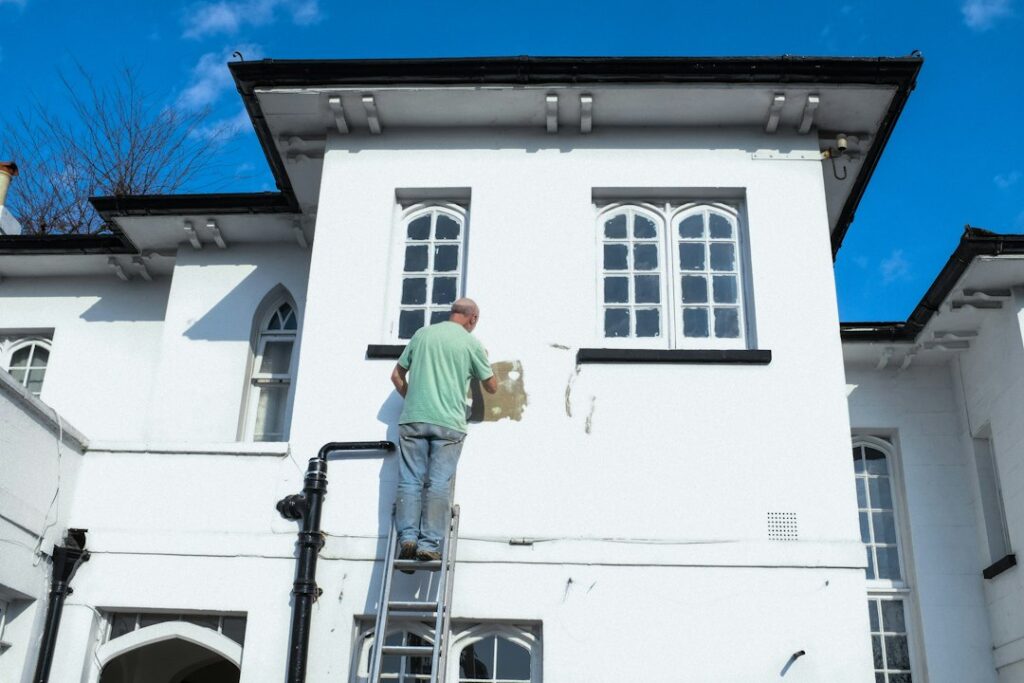
Painted brick has become a popular way to update a dated exterior. A coat of white, gray or a deep color can make a 1970s ranch or a red-brick bungalow look entirely different. But brick is not wood siding, and paint behaves differently on masonry. Brick and mortar absorb and release water constantly. Coat them with the wrong product and that moisture can get trapped behind the film, where it freezes, pushes paint off in sheets and, in the worst cases, breaks the face off the bricks themselves. Once brick is painted, going back is difficult and expensive. This guide covers what anyone considering painting brick house walls should know: how brick handles moisture, why breathability matters, the main coating options, why repointing and repairs come first, how to handle brick that was painted long ago and may contain lead, what an inspector looks for on painted masonry and what the work tends to cost on the Colorado Front Range.
Part of our Structure & Exterior guide — start there for the full picture →
How Brick Handles Moisture
Fired clay brick is porous. Rain, snowmelt and ground moisture soak into brick and mortar, then evaporate back out when the surface dries. In a healthy wall, that cycle repeats for decades without harm. Mortar joints are designed to be slightly weaker and more porous than the brick, so moisture and movement are concentrated in the joints, which can be repointed, rather than in the bricks, which are harder to replace.
Problems begin when water gets in faster than it can get out. Common sources include:
- Failing gutters and downspouts that soak a section of wall.
- Sprinklers aimed at the house.
- Soil or mulch piled against the brick above the foundation.
- Cracked or missing mortar joints.
- Poorly flashed windows, chimneys and roof-to-wall intersections.
- Interior moisture migrating outward through walls in cold weather.
The EPA’s mold and moisture guidance states that the key to mold control is moisture control and recommends keeping gutters clean and repaired and making sure the ground slopes away from the foundation. Those same habits are what keep masonry healthy, painted or not.
Why Breathability Matters
When moisture inside brick cannot evaporate through the face, it accumulates just behind the surface. On the Front Range, where walls go through many freeze-thaw cycles each winter, that trapped water freezes and expands. The results show up in a predictable sequence:
- Blistering and peeling. Paint lifts in bubbles or sheets, often at the base of walls, below windows and around downspouts.
- Efflorescence under the paint. Salts carried by moisture crystallize at the surface, pushing paint off and leaving white powder.
- Spalling. The outer face of the brick flakes, pops or crumbles away. Spalling is permanent damage; affected bricks need replacement.
- Mortar deterioration. Joints soften and wash out faster when they stay wet.
Traditional acrylic exterior house paints form a film that resists liquid water and also slows vapor movement. Some modern acrylic masonry coatings are formulated to be more vapor-permeable, and products specifically labeled for masonry generally perform better than general-purpose siding paint. The more a coating seals the surface, the more important it is that water is not getting into the wall from other sources.
Not every brick wall is a good candidate for paint. Soft, handmade or older brick, walls that already show spalling, and walls with ongoing moisture sources are poor candidates. Hard, dense, machine-made brick on a well-drained wall with sound mortar tolerates coatings better. Some masonry professionals recommend against painting historic or very soft brick at all.
Coating Options: Masonry Paint, Mineral Paint, Limewash and Elastomeric
Each coating type behaves differently on brick, and manufacturers’ claims vary. The descriptions below are general; product data sheets and a masonry-experienced contractor should guide the final choice.
Acrylic masonry paint
Acrylic latex paints formulated for masonry are the most common choice for painted brick. They come in a full range of colors and sheens and resist alkalinity in new mortar better than general paints. Breathability varies by product. Flat and low-sheen finishes are usually preferred on brick because they hide texture and irregularities; our guide to paint sheen explains how sheen affects appearance and durability.
Mineral or silicate paint
Silicate-based mineral paints bond chemically with mineral surfaces rather than forming a surface film. They are typically very vapor-permeable and long-lasting, with a matte appearance. They generally need clean, uncoated masonry and can be harder to apply over existing paint.
Limewash
Limewash is made from slaked lime and water, often with pigments. It soaks into the surface, remains highly breathable and weathers gradually, producing the soft, mottled look popular on European-style homes. It needs reapplication over time and works best on bare, porous brick. Some products marketed as limewash are actually tinted mineral or acrylic coatings, so it is worth checking the composition.
Elastomeric coatings
Elastomeric coatings are thick, flexible films designed to bridge hairline cracks and shed water, commonly used on stucco and concrete block. On brick, they can be problematic because they tend to be much less vapor-permeable than other options. Any moisture that enters the wall from behind or from above can become trapped. They may suit some specific situations, but they are generally not the first choice for a typical brick house.
Stains and sealers
Masonry stains change color while letting more of the brick texture show, and penetrating sealers repel water without visibly coating the surface. Our guide to brick sealing discusses when water repellents help and when they can trap moisture.
Repoint and Repair First
Paint does not fix masonry problems; it hides them for a while and then makes them harder to see. Before any coating goes on, the wall should be sound:
- Repoint failing joints. Cracked, recessed or crumbling mortar lets water in. Repointing replaces the outer portion of joints with mortar compatible with the brick, which is especially important on older walls where hard modern mortars can damage soft brick. Our guide to brick repointing covers mortar types and timing.
- Replace spalled bricks. Damaged units should be cut out and replaced before painting.
- Address cracks. Stair-step cracks and displaced brick may indicate foundation movement, which is common on the expansive soils in parts of the Front Range. A structural evaluation may be needed before cosmetic work.
- Fix water sources. Repair gutters, extend downspouts, correct grading, redirect sprinklers and repair flashing at windows and chimneys.
- Let new mortar cure. Fresh mortar is highly alkaline and needs time before coating; product instructions typically specify a waiting period.
- Clean the surface. Remove dirt, efflorescence, mildew and loose material with gentle methods. High-pressure washing can damage brick faces and drive water deep into the wall, so lower pressure and appropriate cleaners are generally preferred, with adequate drying time before painting.
Previously Painted Brick and Lead Paint
Many older brick homes were painted decades ago, and that paint may contain lead. The EPA states that in 1978 the federal government banned the sale of lead-based paint for use in homes and that homes built before 1978 are more likely to have it. EPA notes that lead-based paint in good condition is usually not a problem, but that renovation or repair activities that disturb painted surfaces in older homes can create large amounts of lead dust, and that lead paint flaking from houses can get into the surrounding soil.
The EPA’s Renovation, Repair and Painting (RRP) Rule requires that anyone paid to perform work that disturbs painted surfaces in homes and child-occupied facilities built before 1978 be certified and use lead-safe work practices. EPA says the rule generally does not apply to homeowners working on their own pre-1978 homes, but it does apply if the homeowner rents out all or part of the home, operates a childcare center there, or renovates homes for resale. EPA recommends that homeowners planning such projects in pre-1978 homes hire a lead-safe certified firm.
Scraping, wire brushing, sanding and power washing old paint on brick all disturb the surface. On a pre-1978 home, testing the existing paint before preparation is a prudent step, and a certified firm should handle the work when the rule applies. Our guide to painting over lead paint covers encapsulation and safe preparation in more detail.
Removing paint from brick entirely is a separate, larger decision. Chemical strippers and gentle methods can work but are labor-intensive and costly; abrasive blasting can destroy the brick face and is generally discouraged. Results vary by brick and paint type, so a test patch is usually the first step.
Applying Paint to Brick
When a wall is a good candidate and prep is complete, application details help the coating last:
- Use a compatible primer. Masonry primers designed for alkaline surfaces improve adhesion and resistance to efflorescence, unless the topcoat manufacturer specifies otherwise. Mineral paints and limewash usually have their own preparation requirements.
- Work in suitable weather. Front Range spring and fall days can swing from warm afternoons to freezing nights. Product instructions set minimum surface and air temperatures and drying times; strong sun and wind can also cause problems.
- Get into the joints. Brick needs thorough coverage of mortar joints and textured faces, often using a thick-nap roller, brushing and sometimes spraying with back-rolling.
- Leave weeps open. Weep holes at the base of brick veneer and above windows let water drain from behind the veneer. Painting over them or filling them traps water.
- Seal transitions carefully. Where brick meets wood trim, windows and doors, use a sealant compatible with masonry and the coating, and avoid caulking the bottom edges of window trim or flashing where water is meant to drain out.
- Protect surroundings. Mask windows, light fixtures and hardware, and cover plants and walkways, since overspray and drips on porous stone or concrete are difficult to remove.
- Plan for maintenance. Painted brick needs periodic touch-ups and eventual repainting, unlike unpainted brick, which can go for decades without coating.
Front Range Climate Considerations
Colorado’s Front Range puts painted masonry through conditions that are harder than many climates. High-altitude sunlight carries strong ultraviolet exposure that fades and chalks coatings faster, particularly on south- and west-facing walls. Daily temperature swings can be large, so a wall may warm well above freezing in afternoon sun and drop below freezing overnight, repeating the freeze-thaw cycle many times in a single winter. Wind-driven snow piles against walls and melts slowly on north sides. Hail can chip coatings and expose the brick beneath.
Those conditions favor coatings with good UV resistance and vapor permeability, careful attention to drainage at the base of walls and realistic expectations about maintenance. Many painters suggest planning for touch-ups on the sunniest and wettest elevations sooner than on sheltered walls. Darker colors absorb more heat and may show fading faster. Choosing a color and product with those exposures in mind can extend the time between repaints.
Alternatives to Painting Brick
If the goal is a fresher look rather than a specific painted finish, several options change the appearance of brick with less risk of trapping moisture:
- Cleaning. Decades of dirt, soot and biological growth can make brick look darker and duller than it really is. Gentle cleaning with an appropriate masonry cleaner sometimes delivers most of the improvement owners hope for.
- Masonry stain. Penetrating stains can shift the color of brick, evening out mismatched repairs or toning down a strong red, while keeping the surface more breathable than a film-forming paint.
- Limewash or German smear. Mortar or lime applied thinly and partially wiped away gives a weathered, textured look. These approaches are still a commitment, since they are difficult to remove fully, but they generally allow moisture to escape.
- Trim, doors and roof color. Changing shutters, front doors, window trim, gutters and light fixtures can transform the look of a brick house without touching the masonry at all.
- Landscaping. Planting beds kept away from the wall and well-graded soil improve curb appeal and help keep the base of the brick dry.
For owners who are undecided, testing a coating on an inconspicuous area and watching it through a winter can reveal how a particular brick and product interact before committing the whole house.
What a Home Inspector Looks For
The American Society of Home Inspectors Standard of Practice includes wall coverings, flashing and trim among exterior items, and it defines wall covering to include brick. On painted brick, an inspector may note peeling or blistering paint, efflorescence, spalled bricks, deteriorated mortar, cracks, blocked weep holes, signs of moisture at the base of walls or around windows, and drainage problems near the foundation. Fresh paint on an older brick house can sometimes conceal recent cracks or repairs, so an inspector may look closely at patterns in the paint and nearby interior walls.
An inspector cannot tell how breathable a coating is or whether it contains lead without testing. Recommendations often point to a masonry contractor, structural engineer or lead-safe certified painter, depending on what is found. For more on exterior inspections, see our structure and exterior inspections section; for help finding an inspector, see our guide to hiring a home inspector.
Costs of Painting a Brick House
Brick painting generally costs more per square foot than painting smooth siding, because of the texture, joint coverage, prep and specialty coatings involved. The figures below are rough 2026 Front Range ranges; local quotes will vary.
- Professional painting of a brick exterior: often several thousand dollars for a modest one-story home and considerably more for larger or two-story homes, with prep and repairs adding cost.
- Limewash or mineral paint: material and labor can be comparable to or higher than acrylic, depending on the product and number of coats.
- Repointing before painting: priced by area or linear foot of joint, ranging from modest spot repairs to significant whole-wall work.
- Lead testing: usually a modest cost for a certified inspector or test kit for screening.
- Lead-safe preparation: containment, cleanup and certification can add meaningfully to the project.
- Paint removal from brick: often more expensive than painting, and results are not guaranteed.
Our guide to exterior house painting cost covers broader pricing factors that also apply to brick.
References
- Lead Renovation, Repair and Painting Program — U.S. Environmental Protection Agency
- Reduce the Risk of Lead Exposure at Home — U.S. Environmental Protection Agency
- A Brief Guide to Mold, Moisture and Your Home — U.S. Environmental Protection Agency
- ASHI Standard of Practice for Home Inspections — American Society of Home Inspectors
Frequently asked questions
Is painting a brick house a bad idea?
Not always, but it carries risk. Paint that traps moisture can lead to peeling, efflorescence and spalling, especially in freeze-thaw climates like the Front Range. Sound, dense brick on a well-drained wall with a breathable masonry coating is the best case.
What is the best paint for exterior brick?
Products made for masonry are generally preferred: acrylic masonry paints, silicate mineral paints or limewash, depending on the brick and the look. Elastomeric coatings are usually less breathable and are often not the first choice for brick.
Should brick be repointed before painting?
Yes. Cracked or missing mortar lets water in, and paint over failing joints tends to fail quickly. Repoint, replace spalled bricks, fix water sources and let new mortar cure before coating.
Do lead paint rules apply to painted brick?
On homes built before 1978, existing paint may contain lead. EPA's RRP Rule requires paid contractors who disturb painted surfaces in those homes to be certified and use lead-safe practices. Testing before scraping or washing is a prudent step.
How much does it cost to paint a brick house?
Often several thousand dollars for a modest one-story home and more for larger homes, with repointing, repairs and lead-safe prep adding cost. These are general 2026 ranges.
Thinking about a painted brick home, or one you plan to paint? Talk to us about connecting with a Front Range inspector who can assess the masonry, mortar and drainage first.